Our Verdict
It sometimes exhausts Switch 2's capabilities, but there's still a lot to like in Final Fantasy VII Rebirth, from the attention lavished on its memorable cast to a kinetic battle system. Treat it as a Final Fantasy theme park, and you'll have a blast.
For
- The open world is an incredible feat
- Deep and varied combat system
- So much to do
Against
- New narrative elements are divisive
- Content bloat and pacing issues
- Some visual and performance hits
Why you can trust Creative Bloq Our expert reviewers spend hours testing and comparing products and services so you can choose the best for you. Find out more about how we test.
Publisher Square Enix
Developer Square Enix
Release date 3 June 2026
Format Switch 2 (reviewed), PS5, Xbox Series X/S, PC
Platform Unreal Engine 4
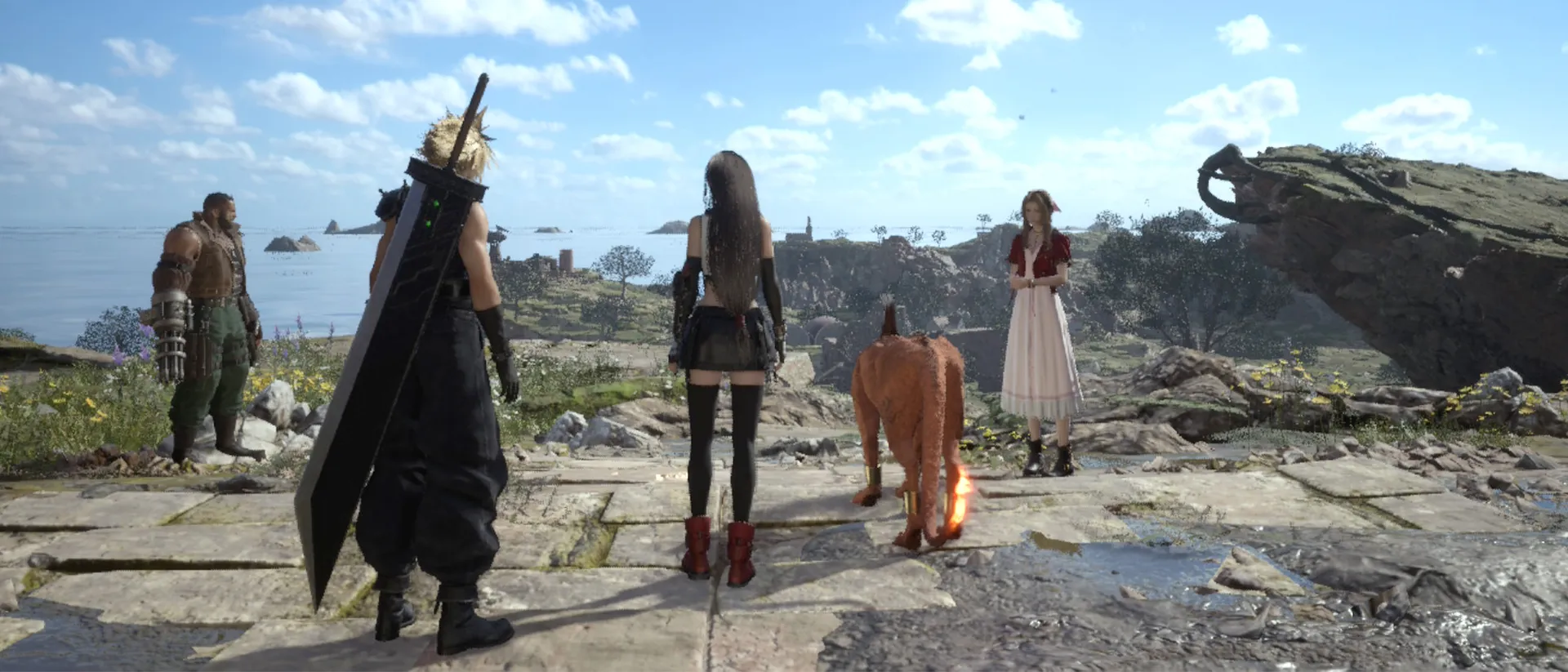
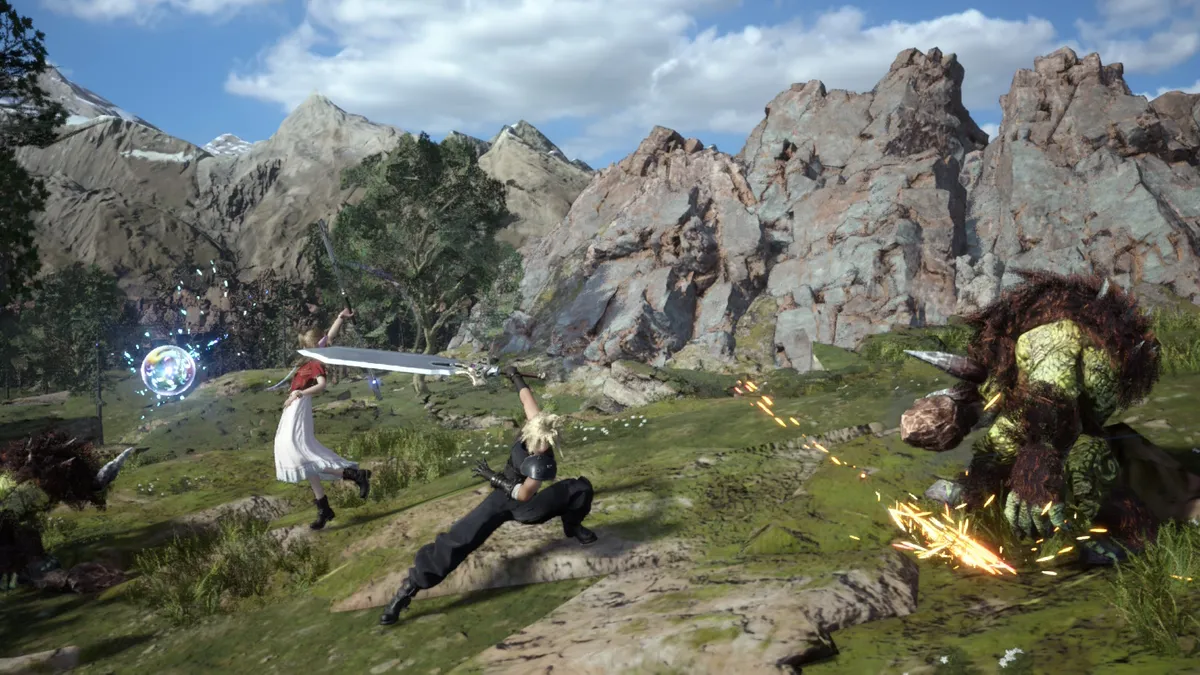
Early on in Final Fantasy VII Rebirth, as Cloud and his party first step onto the open world of the Grasslands, Aerith marvels at the miracle of the natural world before them when new ally Red XIII remarks, "But in reality, it's barely hanging on". I can't help but think of that as a way to sum up this Switch 2 port of the retro game remake that stunned PS5 players two years ago, which often feels nothing short of a miracle.
Of course, whereas the first part of this remake project of one of the most beloved JRPGs of all time arrived on Switch 2 earlier this year and felt superbly optimised for the hardware (read my Final Fantasy 7 Integrade Remake review), part 2 was always going to be more ambitious in comparison. Leaving behind Midgar, Rebirth doesn't just have more of the story to tell and new characters, including integrating what were previously optional party members into the core narrative's canon, but a whole world's more of real estate crammed full of things to do. If you thought making a whole 30-hour game out of the first five hours of the story in Midgar in the original was stretching things, it's possible to spend between 5-10 hours picking the Grasslands area clean of activities.
Born again, again
For what it's worth, Square Enix has done a relatively better job at optimising the game size this time around than the previous game - Rebirth may weigh in at just under 100GB on Switch 2, but that is still a reduction of around a third of the file size for other current-gen platforms. But then that also means a more noticeable hit to visual resolution and detail, which becomes problematic in a game with far more visual variety than the oppressive rocks and metals of Midgar's locations.
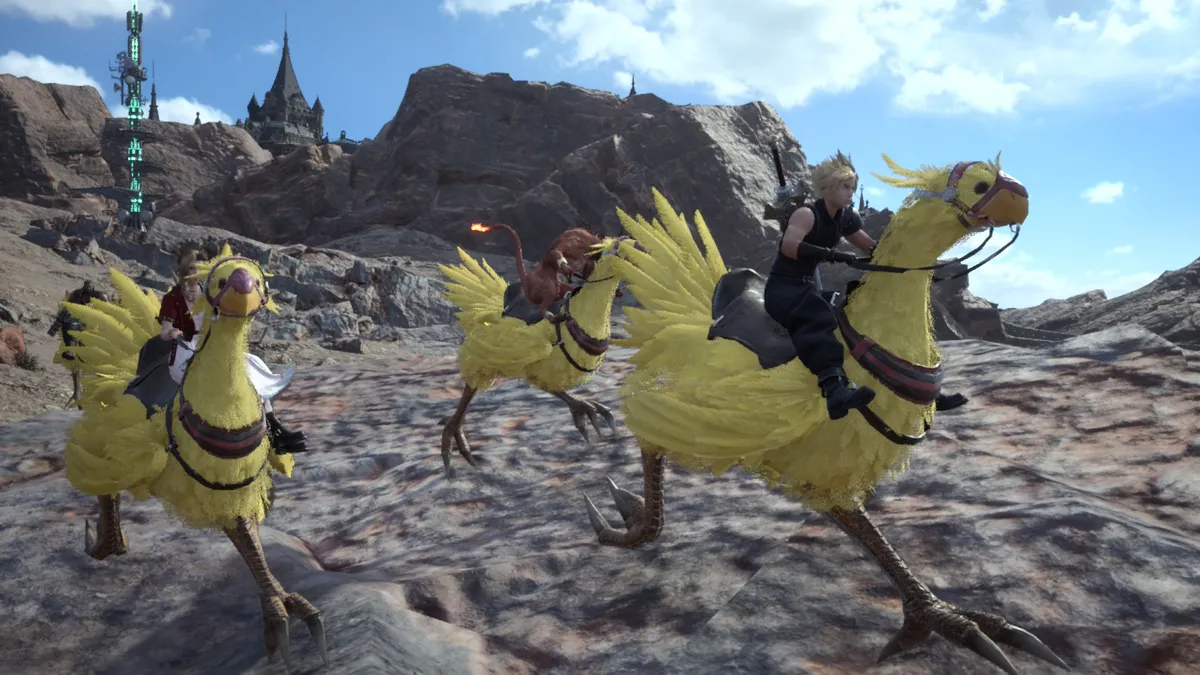
It's quite unfortunate that you already encounter this early on with the Grasslands, with all its gorgeous vegetation stretching far and wide, only to be undermined by all the asset pop-up happening sometimes literally at your feet. That it doesn't look and perform worse is probably down to DLSS doing a lot of heavy lifting, though even then you're going to encounter moments when it regularly dips below 30 FPS.
All of which may sound like serious dealbreakers, yet somehow Rebirth still manages to be a perfectly playable port. I think that may be down to how, despite gameplay performance blemishes, it still maintains the remake project's modern cinematic vision for Final Fantasy VII's story.
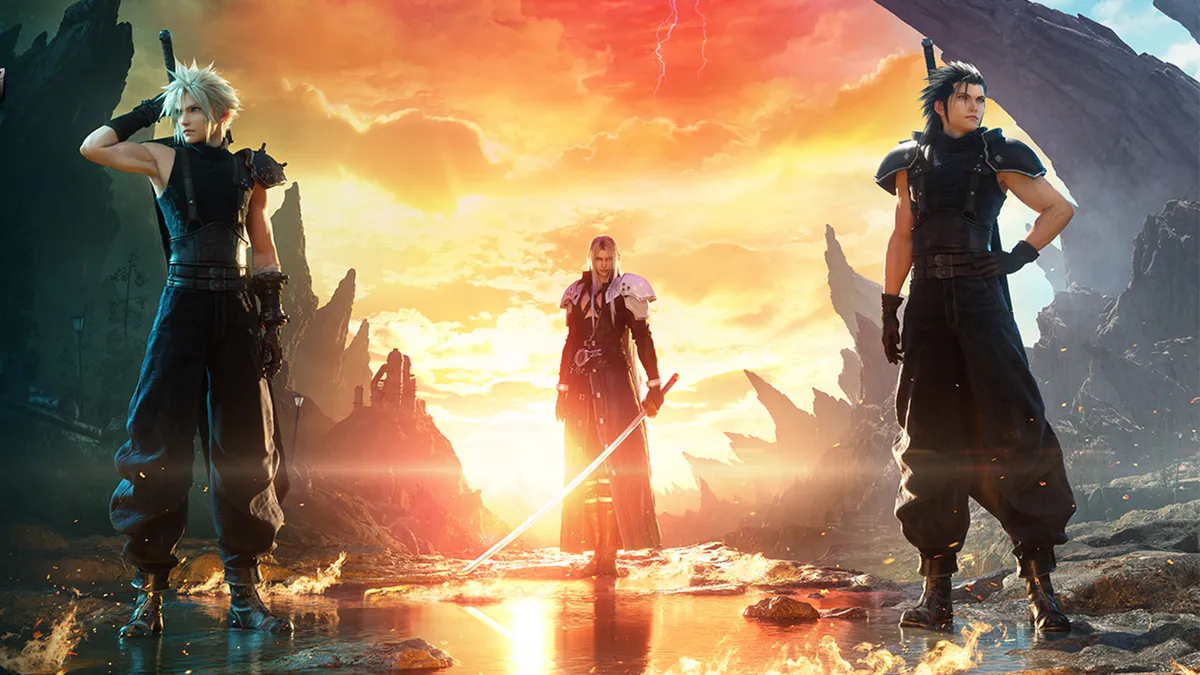
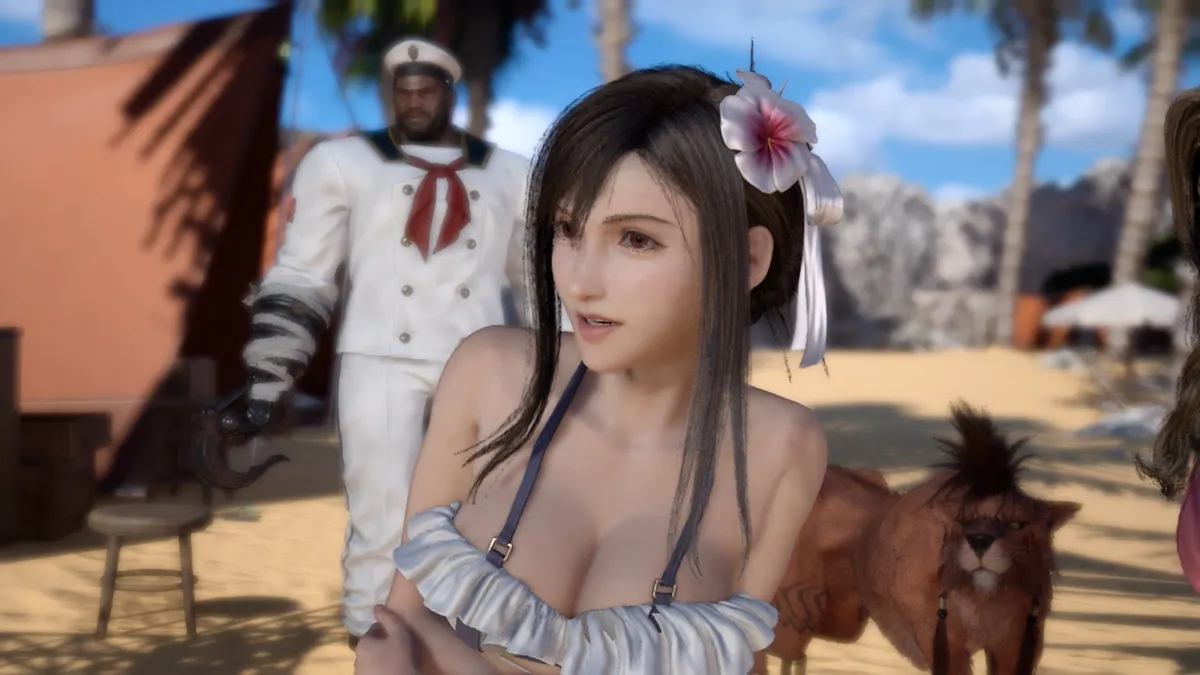
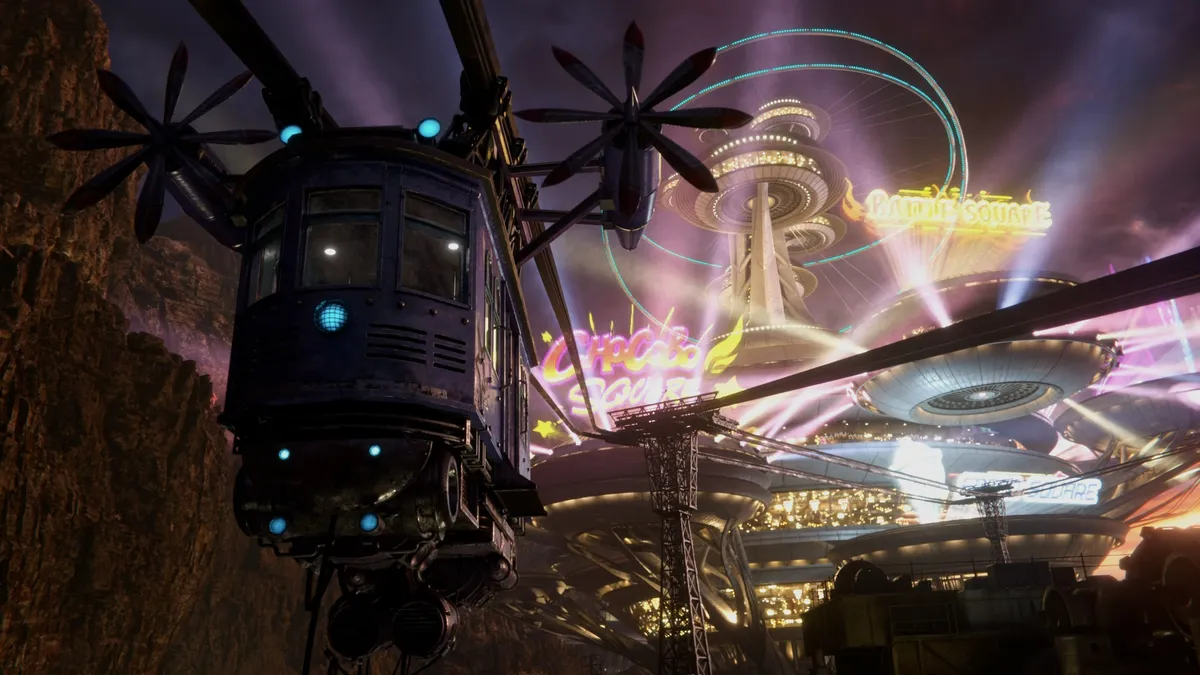
There's still a wow factor to seeing iconic story moments rendered in Unreal visuals, such as when Sephiroth's descent into madness at Nibelheim or when you first arrive at the glitz and glamour of the Gold Saucer. Incidentally, some of these cinematics only look so dazzling on Switch 2 because they are prerendered, albeit with a consistency between character models that it feels a little more seamless, though there are also just as many in-game dynamically choreographed cutscenes to be in during a boss fight, or various narrative beats that flit between dramatic, comical, absurd, and well, fan-servicey.
While the open world exploration is where performance is at its choppiest, it's also worth noting that Rebirth is more of a segmented open world, where you'll often find yourself funnelling through more linear sections, and so it is in the latter where it feels less under strain. It's also worth noting that it actually stays stable during combat, despite these being real-time encounters rather than being whisked away to an arena environment as was typical of older JRPGs.
Head in the Clouds
As ever, Cloud still feels fantastic to control switching between his Operator and Punisher playstyles but there's just as much depth between the whole party, where you now have the option to manage which three are active at any time, while also introducing a Synergy mechanic that basically unlocks new co-op-style skills - for instance, Aerith can call for someone to repel attacks as her bodyguard, while Tifa can get someone to give her a boost for an aerial attack - and you can charge up a gauge to unleash even flashier abilities on par with a Limit Break.
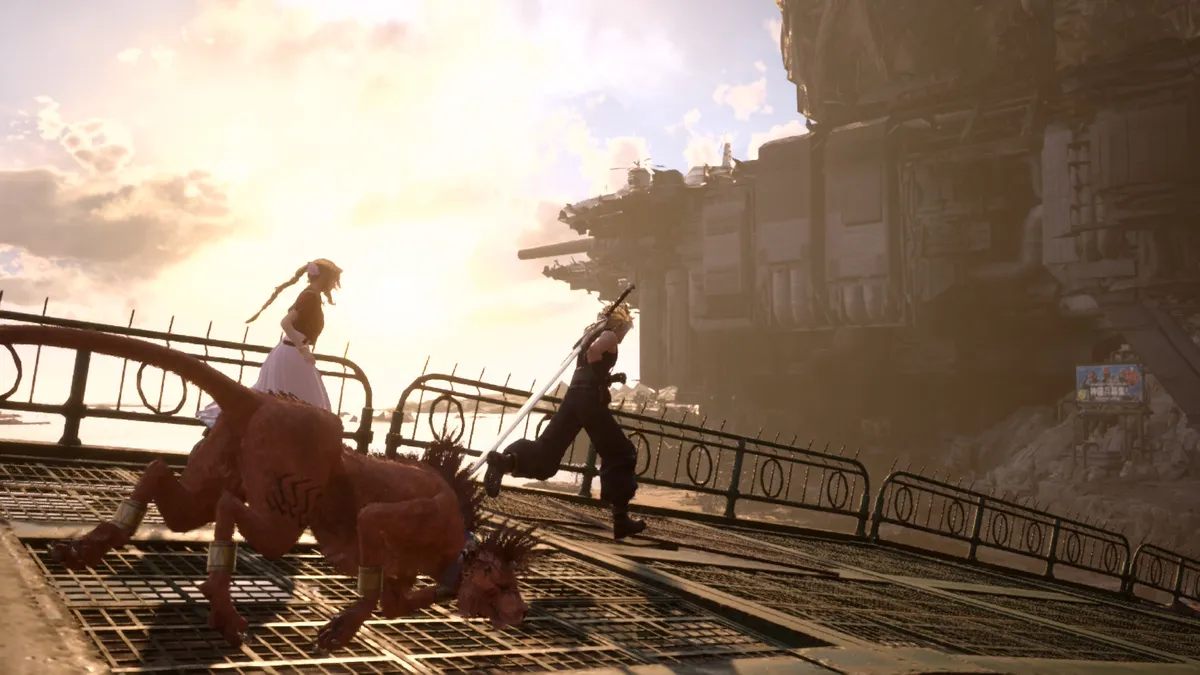
The characters that make up your party all make for very good hangs, which is more often than not the motivator for taking on the myriad number of fetch quests you find, as completing these quests or having someone in your party frequently will contribute to how your relationship develops, even if the payoff is in some ways absurd, though keeping with the spirit of the original.
But this isn't just a reimagining of the 1997 classic; it's also a sequel to Final Fantasy VII Remake, and as such also brings with it all of that game's baggage, new characters and narrative twists that make an already bloated retelling even more convoluted. Do I really have to fight Roche again? Could Chadley not have just stayed in Midgar?
It's a conflicting retelling because when it gets to the original story beats, including Barrett and Red XIII's individually heartbreaking backstories, it's handled effectively with the kind of cinematic techniques, including the emotive visuals and voice acting, that weren't possible back then. But then, to get to that, you have to wade through superfluous gameplay, all in the name of filling you with stuff to do when all you want to do is move on with the story.
Side quest heaven
Sure, there is actually a lot of excellent optional side-content to track down, from challenging battles, the card game Queen's Blood that's strong enough to be its own standalone game, and tons more minigames each utilising a different kind of mechanic, including one that even harks back to the amazing underrated Gambit system from Final Fantasy XII. But all too often you're asked to indulge in a long stretch of forced fun to the extent that you have to remind yourself, just what are the stakes here? Who's this Sephiroth again? Does any of this even matter?
Yet it's hard not to admire the sheer audacity of Square Enix giving us the most maximalist reimagining of one of the greatest JRPG stories of all time, at a kind of fidelity and scale rarely seen from modern Japanese studios. Now that the first two parts are finally on Switch 2, here's hoping that the as-yet-untitled third and final instalment will be a multi-format affair, but also one with its scope reduced, at least if we're to have any hope of it running acceptably on Nintendo's console.
out of 10
It sometimes exhausts Switch 2's capabilities, but there's still a lot to like in Final Fantasy VII Rebirth, from the attention lavished on its memorable cast to a kinetic battle system. Treat it as a Final Fantasy theme park, and you'll have a blast.