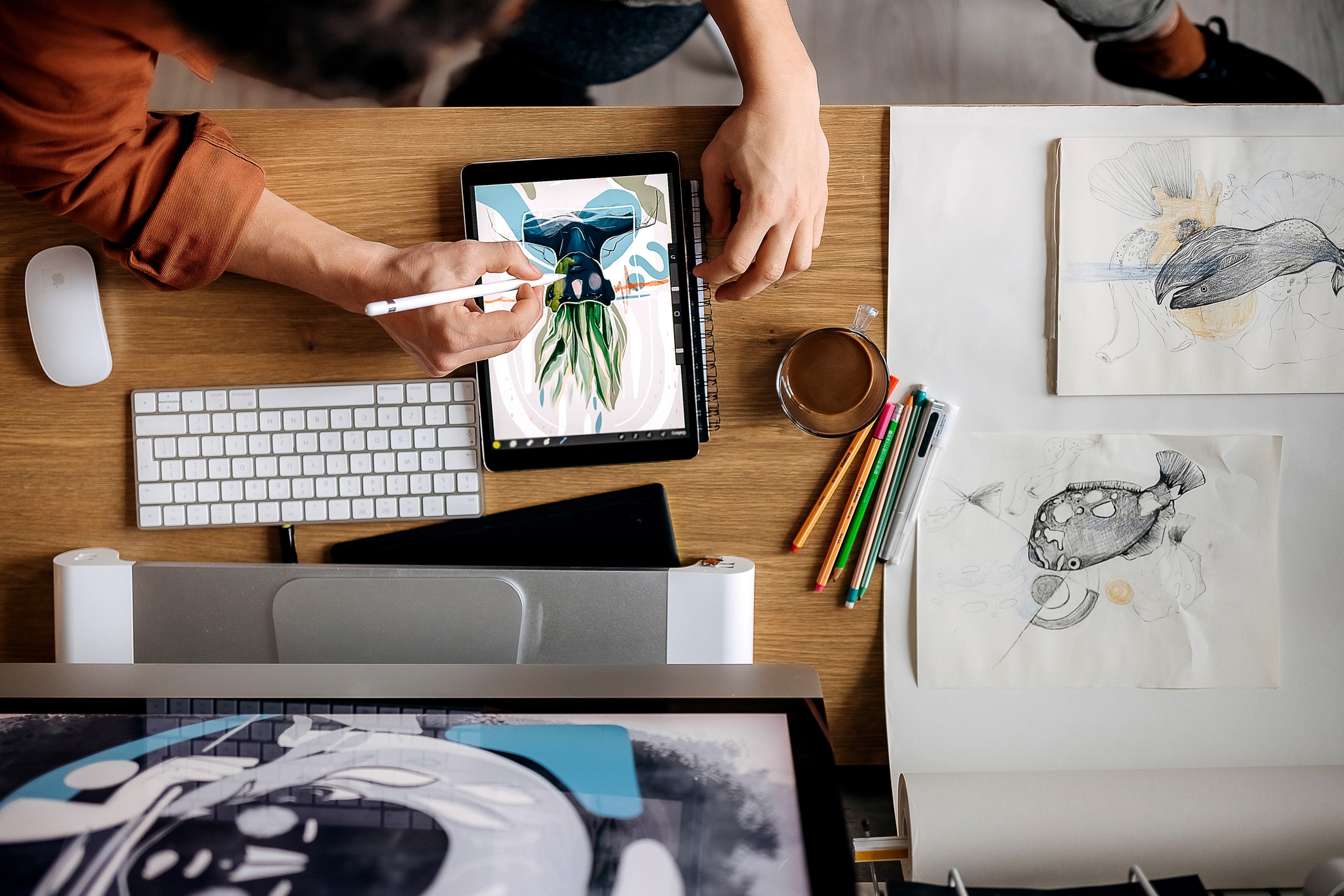


As a creative, it’s easy to feel pushed aside by a new AI tool every week. One minute it’s a personal assistant, the next it’s image generation, then it’s a tool designed to optimise how you use those tools. It’s a lot.
But in the middle of it all, creating with your hands feels more valuable than ever. The trial and error. The happy accidents. The genuine, childlike passion that comes from making something because you care about it, not just because you can generate it.
The best work in the industry rarely comes from one person working in isolation. It comes from collaboration, from conversations, shared references, half-formed ideas, and being inspired by what the people around you are doing.
Big brands and agencies are beginning to recognise this too, shifting towards work that feels more human, emotionally driven and real. Once again proving that the story is just as important as the product, if not more so.
So, who's doing it well?

The design scene is booming. There is more work than ever, and the quality of that work is only getting stronger. The world is full of incredibly creative people, but the ones who really stand out to me go beyond making things that simply look good. Their work carries craft, connection and personality.
Creatives like Rakeem Russell have always felt like the epitome of natural creative instinct and cultural understanding. His work speaks to specific communities in a way that feels undeniably real and honest. The world isn’t always polished or perfect; it is lived in, layered, and sewn together by generations of story and conversation.
One project of Rakeem Russell’s that I’m particularly drawn to is his direction work for Nike and Liverpool FC. The photography sits at the intersection of editorial and product, weaving together subtle and bold cultural references that speak directly to the community it was made for. That level of understanding shows the power of emotion-led design, and how it can communicate a campaign message with depth, relevance and authenticity.
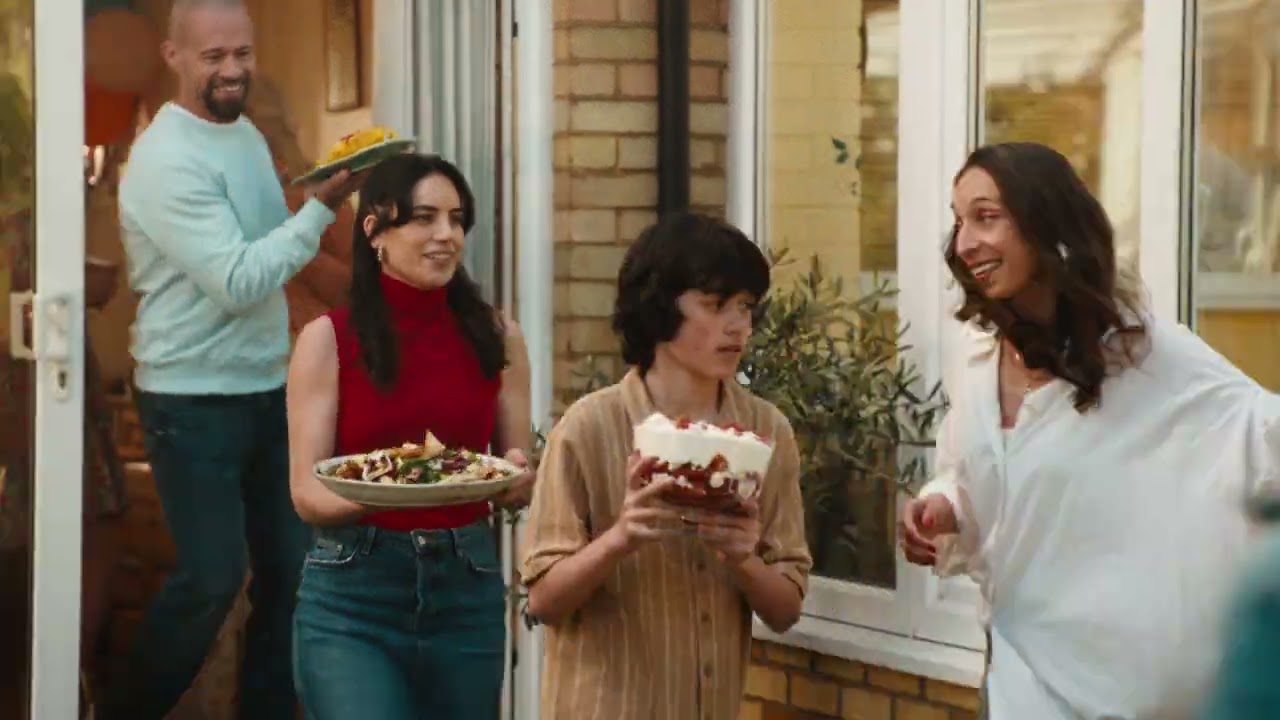
Another design-focused example I love is Ocado’s ‘Life delivered’ campaign. The campaign uses everyday shopping lists as a way to show how Ocado understands the rhythm of real life, and how shopping is often connected to much more than just products. The executions are tied together by a red thread of shared experience, turning simple lists into small, relatable stories.
For example: “Heartbreak, M&S Luxuriously Soft Tissues, M&S Everyday Tea Bags and 1000s more fish in the sea.” It is simple, funny and human. The language connects people to the brand in a way that feels natural rather than forced, showing how product can sit inside real emotional moments without becoming too pushy or invasive.
It has transcended into popular culture, especially music. Artists like Fred again.. connect with audiences through subtle threads of shared emotion, bringing thousands, often millions, of people together through one common language: feeling.
That is what makes this kind of creativity so powerful. It is not just about how something looks. It is about how it makes people feel. How it connects with people who might not consider themselves traditionally creative. How it makes communities feel seen, understood and part of something bigger.
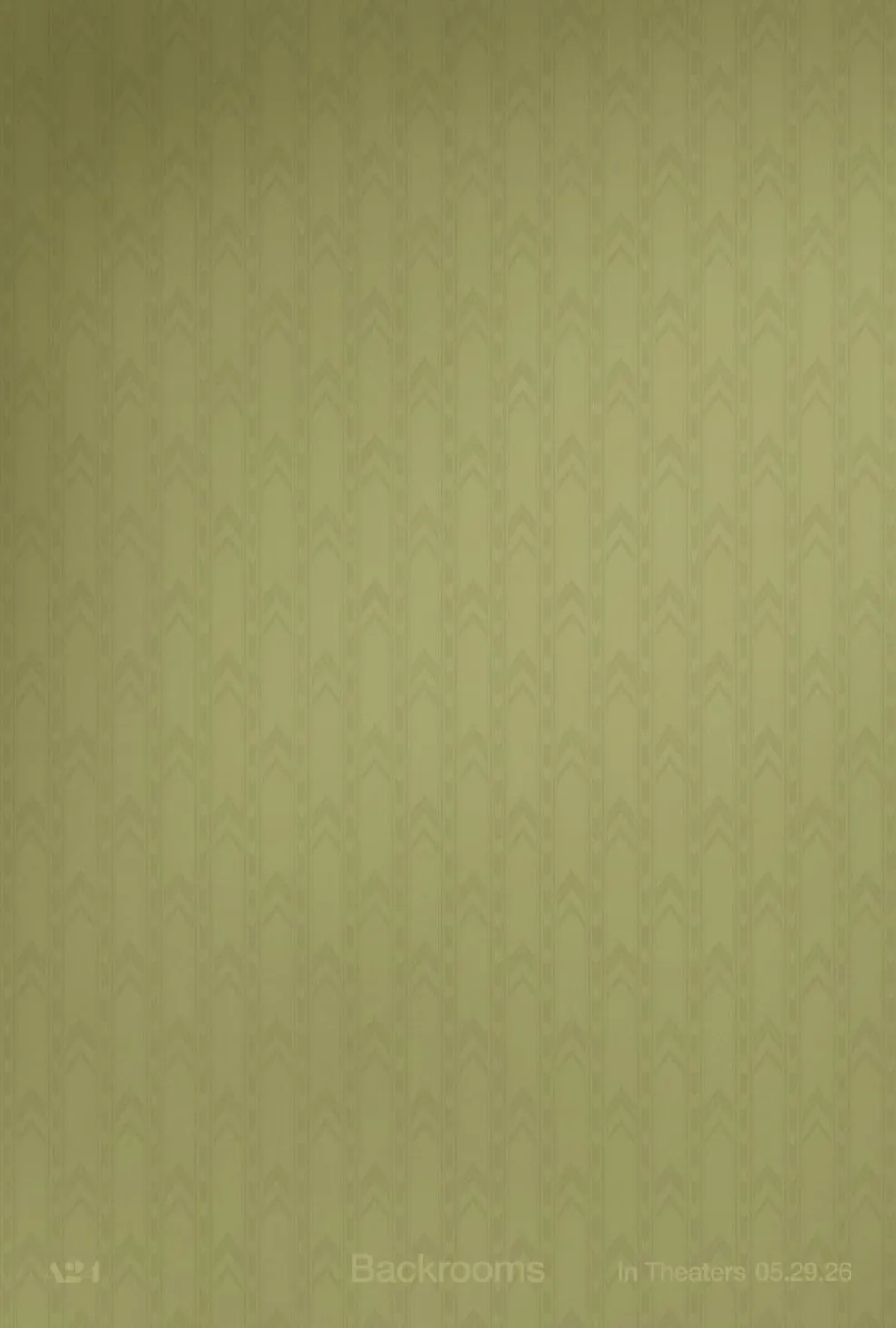
In the same vein, A24, my favourite production house, has an approach to cinema that feels more like world-building than traditional storytelling. What makes A24 so special to me is that their marketing and merchandising feel just as considered as the films and shows themselves. They do not just release adverts. They release artefacts from the worlds they create.
For example, their Backrooms wallpaper release turns one of the film’s most recognisable visual details into something physical, allowing viewers to take home a small piece of the world. That is what makes A24 so distinctive. There are hundreds of production houses, but I can often tell when something is an A24 film before I even see the credit.
They put a rare amount of energy, taste and creative resource into the world around each project. That level of care is what makes their work feel so recognisable, and why it can be appreciated by film nerds, design fans and wider audiences alike.
How I’m trying to bring this into my own creative practice
In the industry, pace matters. Being able to communicate clearly and concisely matters. That is a huge reason AI has become such a big part of the creative process: it allows us to produce more, faster.
But it is not all sunshine and roses. The challenge is learning how to integrate AI into your workflow without letting it become your creative identity. For me, it is about using these tools to support the process, not replace the thinking, feeling and instinct that make the work personal.
As an example, here at wearesyn, we are actively working as a team to understand how we can integrate AI into our workflow as an agency, whether this be through time planning and organisation to aiding with our creative development. We are constantly looking for the right balance, as we always want to show the high level of craft that is deeply embedded into all our work.
Within my own practice, I try to look for ways to inject personality and a human touch into everything I do. Whether that is through the way I speak about my work, the way I present it, or the details I choose to focus on, I want the work to feel like it has been made by someone, for someone.
Relatability is everything. Everyone wants to connect with something, and everyone wants to feel connected to.
Embracing emotion and connection
Some of the biggest and best creative forces are embracing emotion and connection over perfection. Maybe that is because perfection does not really exist. There is only opinion, feeling and perspective.
If you are reading this, you are most likely a creative, or a fan of design, photography, music, art or culture in some form. Whatever it is, you know what it means to feel something. You know when something speaks to you.
So why would we design any other way?
Now more than ever, it feels important to build brand stories around people rather than products. Because in the end, we are just people designing for other people.
Creative Bloq is now easier to access than ever before with our on-the-go app, which brings you all the content you know and love from our website, but in a super-streamlined design.

