




The AI slop that has dominated the digital experience for the last two years is no longer strictly confined to our screens. Increasingly, it threatens to become part of the objects we live with.
The next frontier in the development of AI is "embodied intelligence": AI embedded directly into physical products.
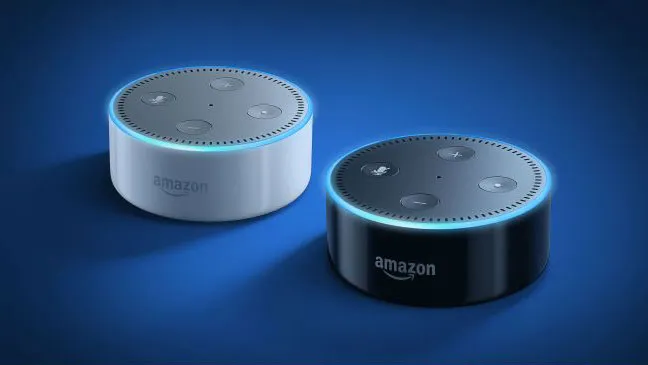
OpenAI is already rumoured to be developing a smart home device similar to Amazon’s Echo. It’s only a matter of time before household appliances that anticipate your every need become the norm.
The question for designers, therefore, becomes how to preserve what makes their products special if everything has the potential to have an AI assistant embedded within, and the pressure to design only for perceived convenience has never been higher.
In essence, how can they ensure the role of design in shaping behaviour, interaction, and system logic is not lost?
The “seamlessness” trap
For the past decade, digital experiences have been optimised for seamlessness above all else: fewer steps, fewer decisions, fewer moments of effort. Most AI tools have been built with that in mind. But in physical products, it's not that simple.
The truth of the matter is that removing friction from the user experience can leave users feeling surplus to requirements. If AI-enabled products are going to earn a lasting place in people's lives, designers have to solve for participation, not just convenience.
On one hand, that’s a branding problem – if people don’t remember using the product, how can they possibly care about who made it? But it’s also a craft problem.
Great products feel unique because they have friction. And by friction, I mean intentional texture. The weight of a well-made object. A satisfying click, or an intuitive swipe. These moments remind the user that they’re in control.
With AI-driven products, however, some of that can be lost. The smart fridge that re-orders groceries without asking. Or take Amazon’s Alexa – while its “Hunches” can make useful suggestions, it does so completely unprompted.
Designing with intelligence, not for it
So is the answer to resist putting AI into physical products? No, it’s about integration. Subtlety and purpose are essential. Technology, at its best, adds different dimensions to user involvement rather than eliminating it.
In practice, that means building checkpoints into physical products where users still get to make decisions. The physical, digital and AI are being designed together, not in separation.
Not every object needs to become a companion, and not every product should behave like an interface. Think of it as layering: digital intelligence working beneath a physical experience, deepening it without replacing it. AI as a part of the wider orchestra rather than the conductor.
Using joy to gain trust
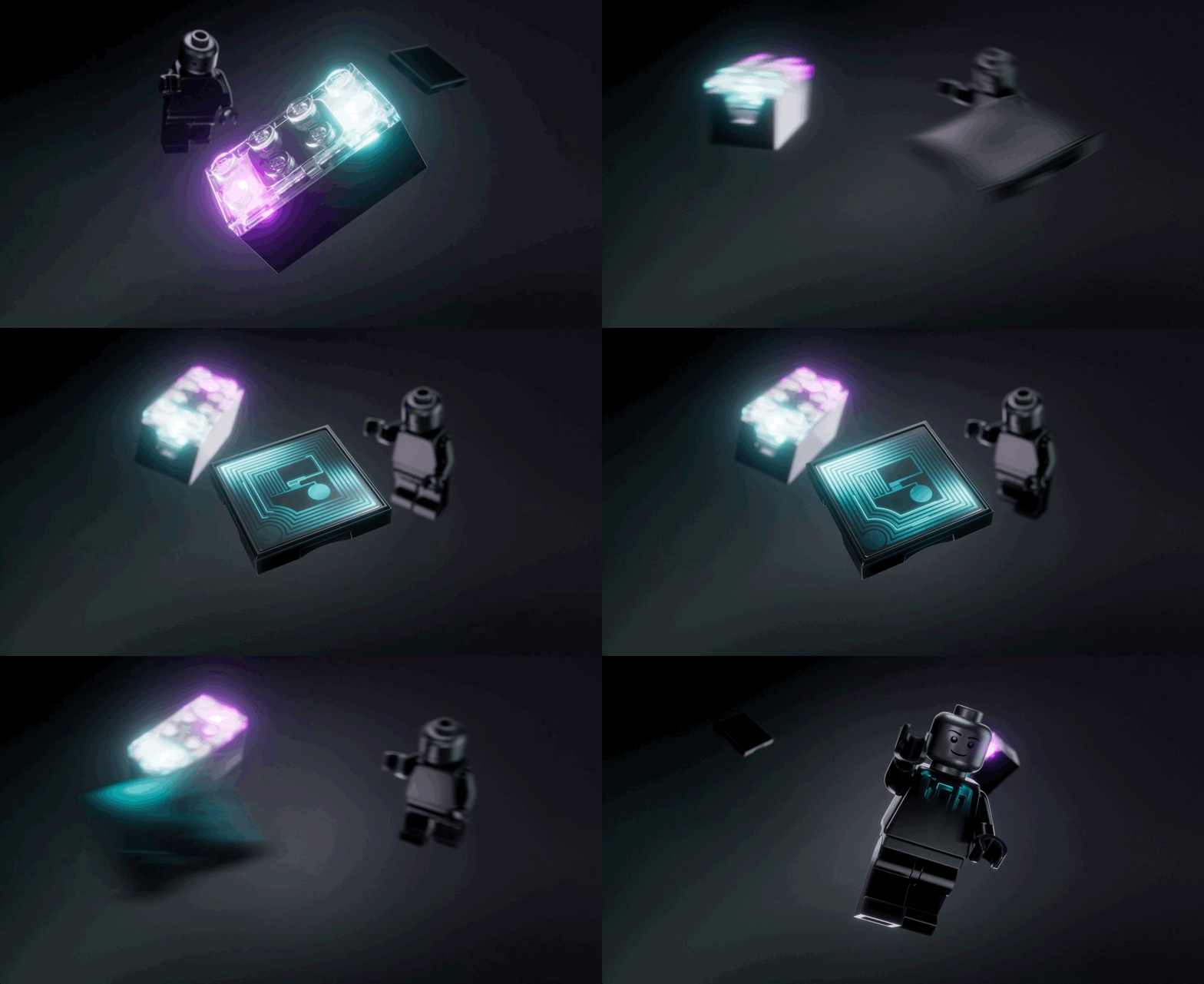
To take one example, LEGO got this balance spot on with the launch of its Smart Brick – a sensor-enabled brick capable of playing sounds and lights.
Predictably, not everyone was on board with this: LEGO purists argued it would undermine the open-ended imagination that makes the toy special.
But this reaction misreads both the product and the history. Technology and technological change have always been part of LEGO's story. And while it is a completely different kind of product from, say, a washing machine, the Smart Brick demonstrates exactly the kind of AI integration that physical product designers should be aiming for.
Smart Bricks work because they deepen the experience and reward the user’s effort, rather than overshadowing it. Hand a child a finished model, and you've taken away the whole point.
A blueprint for physical AI
So rather than automatically deciding for you, perhaps an AI-driven central heating unit could make a suggestion for you to accept or reject – like Google’s Nest thermostat. It learns your preferences and suggests changes to your heating schedule, but waits for your approval before acting on them.
User participation should be the guiding principle for product designers. The future will be defined by products that preserve human agency and make intelligence feel collaborative rather than controlling. That means positioning products more clearly as part of connected systems or ecosystems, not just individual objects.
It also means asking harder questions of technology than "can we integrate this?” and assuming that ‘yes’ means it must be done immediately.
It means asking what a product is for and where the boundary lies between helpful and hollow. Make AI an integral part of the experience, but not the entire experience in and of itself.
Creative Bloq is now easier to access than ever before with our on-the-go app, which brings you all the content you know and love from our website, but in a super-streamlined design.

