A press release landed in my inbox this week, trumpeting a campaign for Fi's new satellite-enabled dog collar. And, much like an excitable Border Collie, this phrase jumped out at me: "It's AI but not AI slop."
So what exactly is the difference between AI slop and AI, er, non-slop? I guess it partly comes down to how much work you put in.
If I type a single, short prompt into Luma AI or Google Flow requesting a video of dogs, I'll probably get something quite shonky. If I put in more effort, I'll get something that's less likely to be branded "slop" by audiences, and maybe not even flagged up as AI at all.
Dolsten & Co, an AI-first creative studio led by Simon Dolsten, certainly put in the effort for the video in question. Specifically, they trained custom models on real dogs, consulted animal behaviourists on gait and breed-specific movement, and built in fake lens grime and handheld camera shake to fight what the press release calls the technology's "instinct toward synthetic perfection".
It all sounds pretty impressive, and I don't doubt the craft involved; it's the kind of approach we've covered on how filmmakers like Kavan Cardoza are using their traditional camera, direction and editing knowledge to make AI films, well… not feel like AI. Watch the film below, and you'll see the dogs move like actual dogs – not like the uncanny-valley approximations we've all learned to spot on Facebook ads.
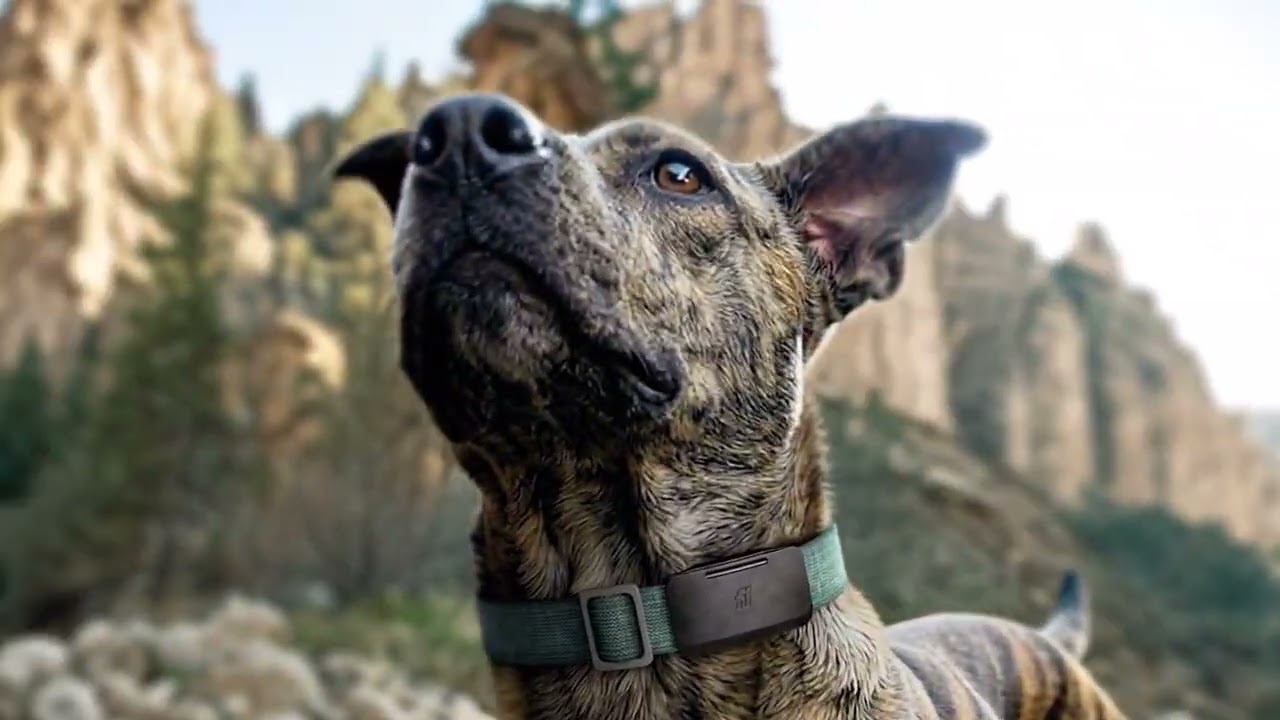
At the same time, the more I read the press release, the more uneasy I got. Not because the work is bad, but because of what the industry is quietly asking us to accept: that the only thing separating "good" AI from "slop" is how well it hides itself. Is that really where we've got to as an industry?
The craft is real
Don't get me wrong: the technical achievement here is not trivial. Building consistent AI dogs is difficult stuff. Unlike static products or landscapes, animals are defined by unpredictable motion, and the data simply isn't there in general to make a believable dog from a simple prompt.
To ensure the ad met the necessary quality standards, Simon's team went the extra mile. They ran auditions for AI dogs, trained LoRA models per animal, and worked with behaviourists to get a German Shepherd's push-off stride right versus a husky's. That's actual craft, applied with real rigour.

But craft was never the argument against AI slop, really. The objection to slop is that it's a lie badly told. That it looks fake. That it insults the viewer's intelligence. And so really, isn't "AI photorealism" just a matter of telling the same lie better?
Knowing is the problem
Here's the problem I have: once I know a film is AI-generated, the knowledge itself changes how I watch it. I stop being a viewer and start being an inspector, hunting for the tell in the fur, the eye, the paw.
Is that fair? Probably not. Is that a real problem for audience trust? I think potentially yes. And I worry that saying something is "AI, but not AI slop" won't make things any better.

What's the alternative: keep quiet about the use of AI altogether? Perhaps. Certainly in this instance, I think I would have assumed the ad had been created by more traditional CG methods.
Then, though, you run the risk of being "found out"; and typically, people get more upset by the cover-up than the act itself. Not to mention that YouTube's rules explicitly state that you must flag and disclose when you use "realistic" AI content. And no advertiser wants to get banned from YouTube.
So I think this "AI but not AI slop" tag is something we're going to hear a lot of in the next couple of years. Will that put audiences off, or will we just become wearily accepting of it? I have no idea, but I'm intrigued to find out.