





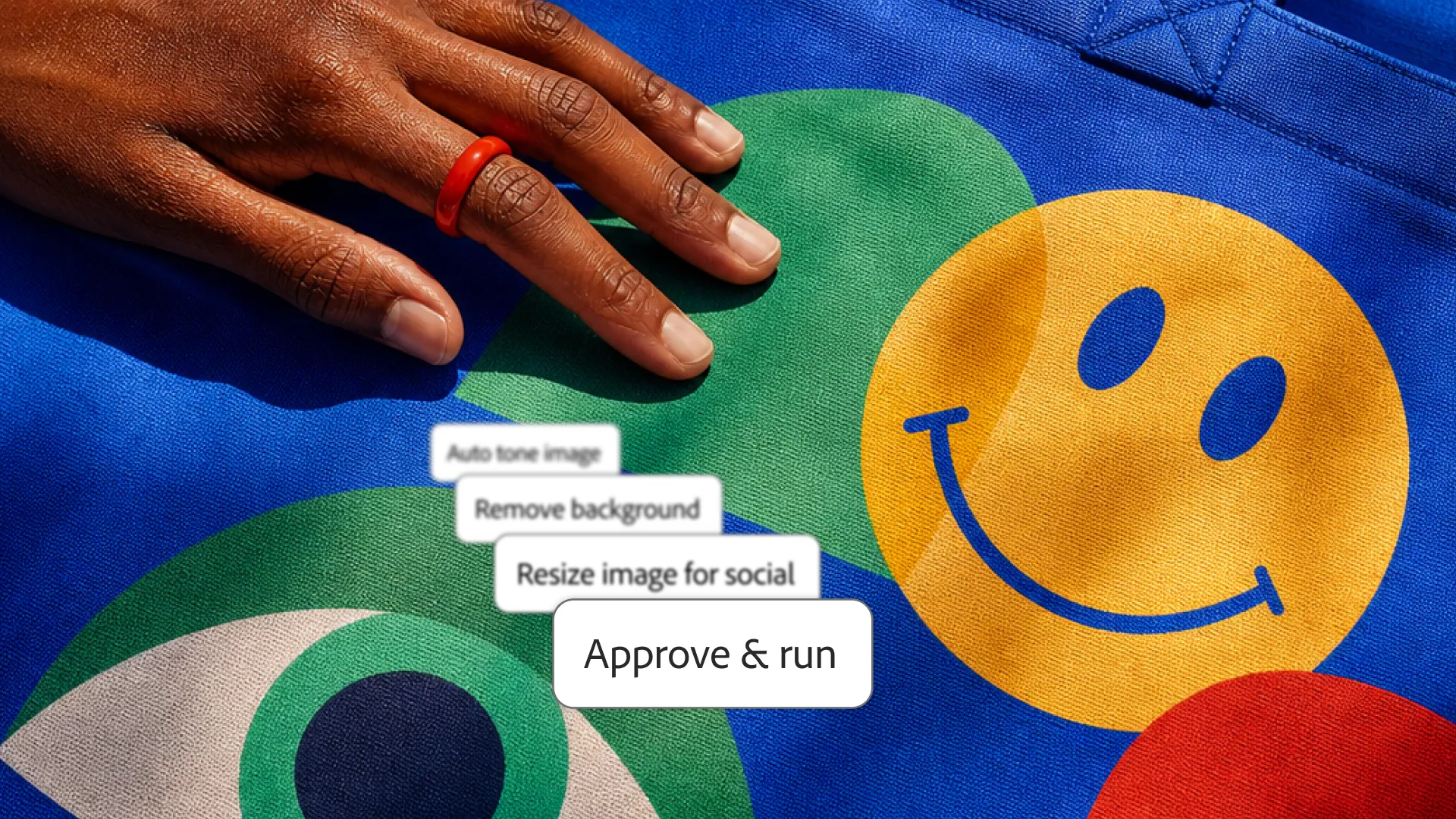
Adobe spent years selling Firefly on one big reassurance: it was trained on licensed and public-domain content, so you didn't have to worry about where the pixels came from. While other AI companies faced accusations of scraping first and asking questions later, Adobe didn't, and made sure we knew about it. I like that about Firefly and Adobe's push for labelling and clarity, but things are changing.
At MAX this week, Firefly got some noisy neighbours. Models from ByteDance, Google, Kling, OpenAI and ElevenLabs now sit alongside Firefly, with Adobe's Creative Agent in the same place. The keynote line was that creators get to choose, which sounds like a way of passing the buck onto us, the users.
Fine. But I'd like to know what "commercially safe" covers once you've picked someone else's model. The clean-data claim was about Firefly, and I guess it still is, but Firefly now sits alongside less open AI models. Adobe's position with Firefly was never a claim about OpenAI's training set or ByteDance's. A designer or artist clicking through the options could be forgiven for assuming the Adobe badge applies to everything inside the Adobe app. Adobe spells out the distinction in its partner-model documentation, but I'd argue this needs to be much clearer at the point of generation, not buried in the small print.
There's an important distinction here, too: Adobe's commercial-use assurances for its own Firefly models shouldn't be taken as a blanket guarantee for everything generated inside Firefly. Partner models have their own terms, training histories and conditions of use, and users need to assess those separately. For agencies and studios, that difference matters. A Firefly badge isn't necessarily the same as a Firefly guarantee.
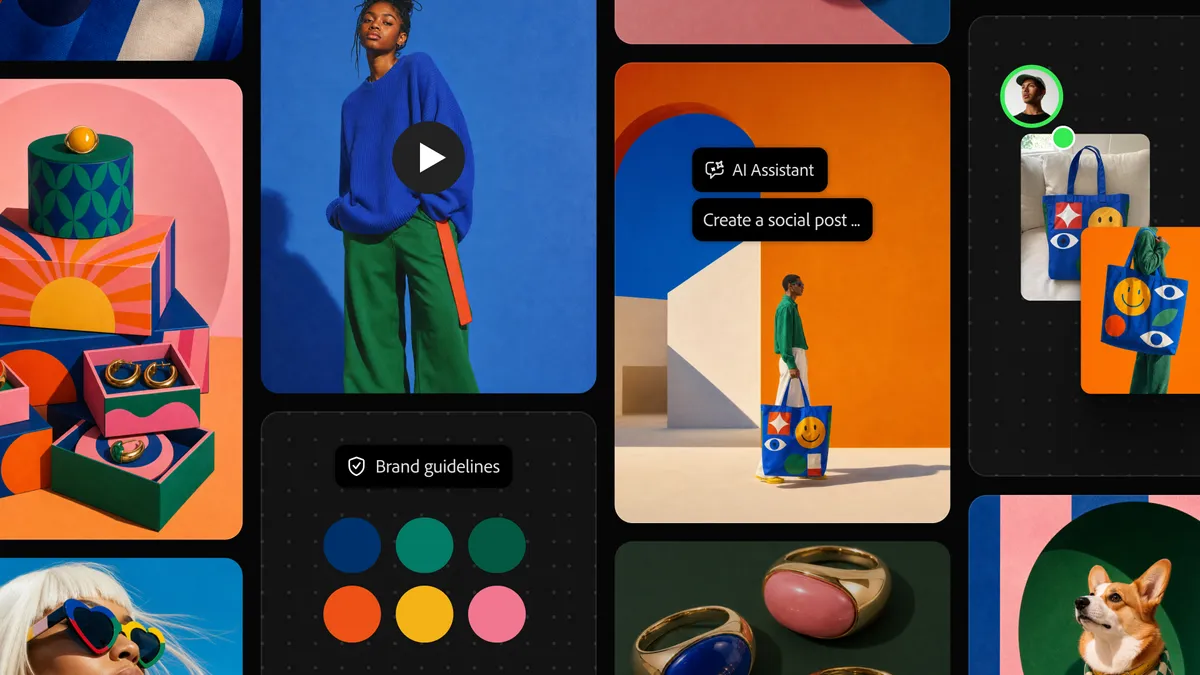
Does Adobe Firefly's 'commercially safe' label still apply to every AI model?
Even before opening its gated community to other AI models, Adobe came under pressure from people uploading AI versions of other artists' work and claiming them as Adobe Stock, so some bad actors found ways around Adobe's walled garden. Adobe took action and says it respects creators' rights, and that resemblance isn't proof of copying.
Still, the complaints point at something licensing can't settle. Licensed training data answers whether Adobe was allowed to use the images. Artists were asking whether the output leans on their look. Those are separate questions, and the marketing has tended to let the first stand in for the second.
Add other companies' models and the problem grows. 'Safe' stops describing the product and starts describing one entry on a list. Agencies and art directors who signed off on Firefly because of that word now have to check each model separately, and I suspect most won't. It's this idea that we, the users, the artists and designers, are now responsible for ensuring Firefly outputs are as ethical as they can be.
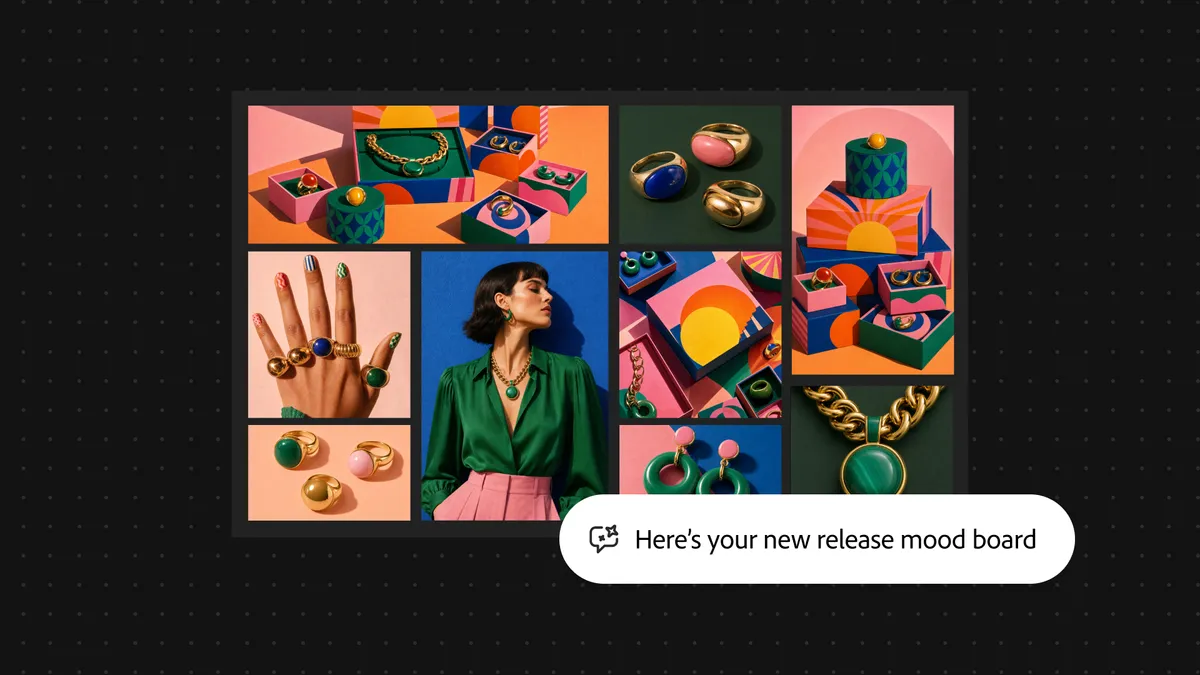
Licensed AI training data doesn't guarantee ethical AI images
What I'd want from Adobe is, frankly, very dull and specific. Say in plain language, next to each model, what it was trained on. Say what the safe label does and doesn't cover, style included. Make it easy for studios to lock their workspaces to Firefly models alone, and make those controls available to everyone who needs them.
Adobe has earned a fairly good reputation for adopting AI carefully and responsibly in AI's gold-rush free-for-all. It can keep that and run a marketplace, but only by showing which parts of the marketplace are ethical, carefully made and sourced.
To see what's likely coming down the line, read our report on the Adobe Sneaks from Max 2026, including one in particular that caught the eye: Project Link Up, which is set to make vector design more accessible.