




Creative Bloq Verdict
Ocarina of Time is a stunning remake, but beneath its enchanting visuals and smoother controls enabled by modern technology, its core remains faithfully intact, reminding us why it still deserves to be regarded as one of the greatest games of all time.
Reasons to buy
- +
Gorgeous, detailed and enchanting visuals
- +
Smooth performance and modern controls
- +
Original story and quests faithfully retained
Reasons to avoid
- -
A bit too easy
Why you can trust Creative Bloq Our expert reviewers spend hours testing and comparing products and services so you can choose the best for you. Find out more about how we test.
Publisher: Nintendo
Developer: Nintendo EPD
Release date: 5 November 2026
Format: Nintendo Switch 2
Engine: Proprietary
Since its 1998 release, The Legend of Zelda: Ocarina of Time has been revered as the greatest game of all time, influencing many games, though few have ever tried to replicate its formula beyond subsequent 3D Zelda titles. That is, until Breath of the Wild blew open the doors, reinventing Nintendo's most beloved series in the modern open-world age of player agency and freedom, and its sequel, Tears of the Kingdom, reached new, unimaginable heights.
Returning to the N64 classic then might feel like a quaint relic of the past. So it's a revelation that, for the series' 40th anniversary, revisiting this beloved masterpiece remade for Nintendo Switch 2 has achieved an alchemy that rekindles the magic of what it must have been like to play Ocarina of Time for the first time 28 years ago.
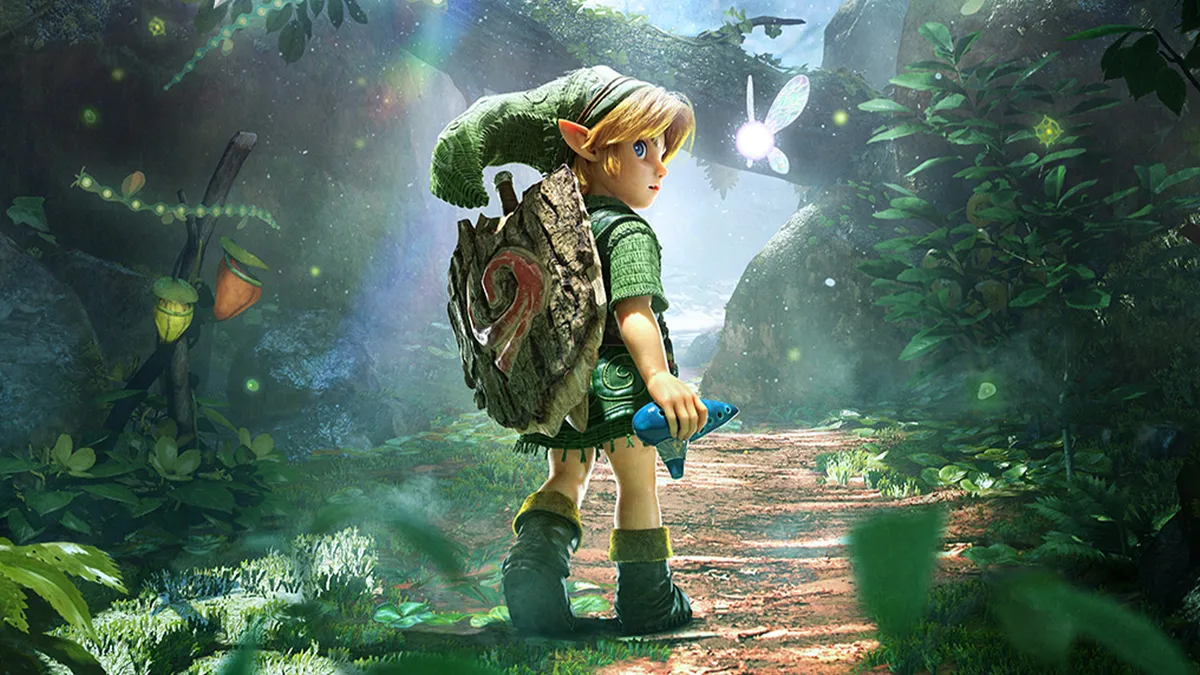
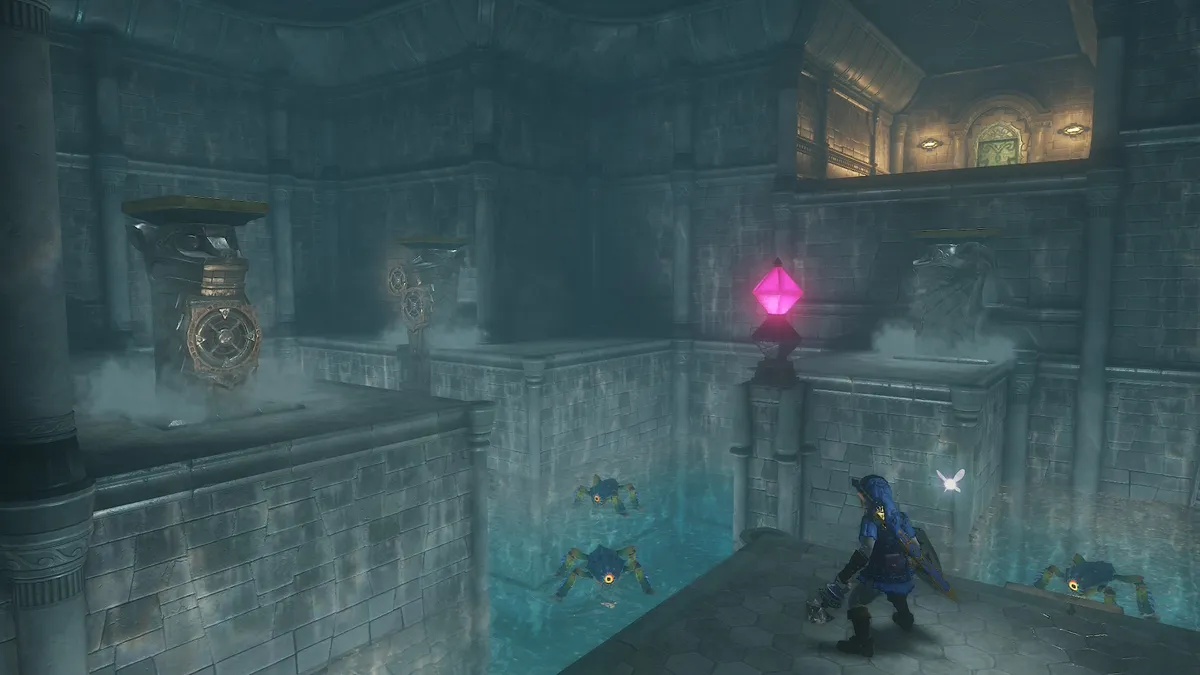
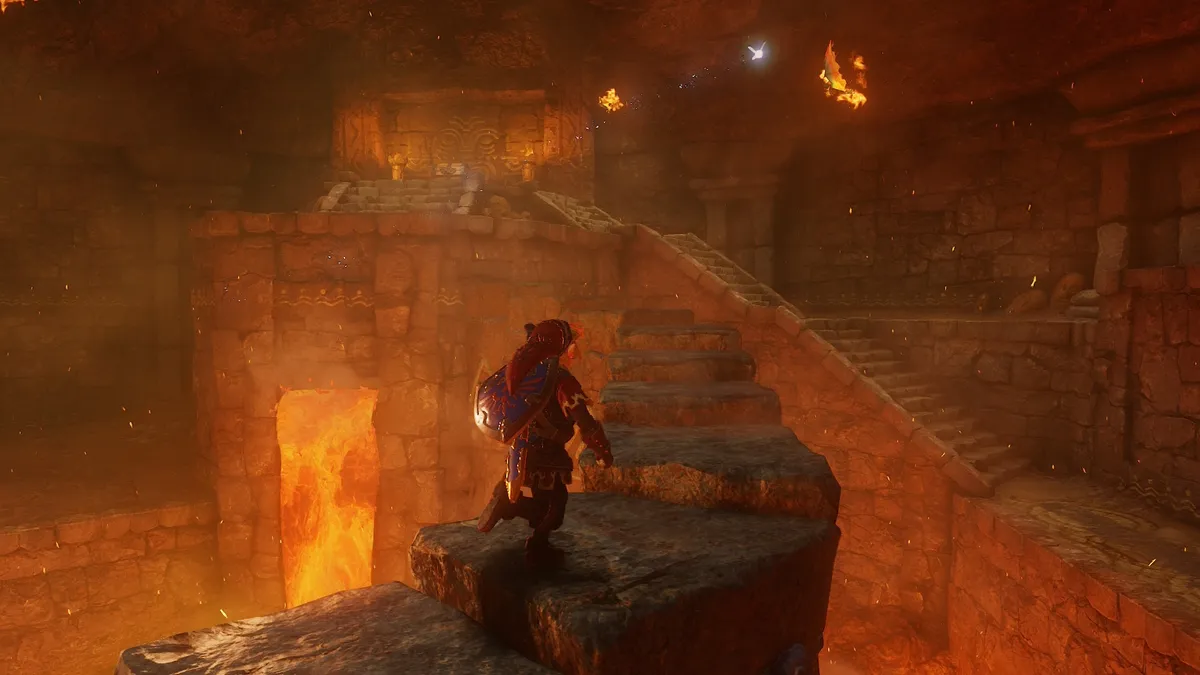
This technically isn't the first time that Ocarina of Time has been remade, but whereas the 3DS update was largely a refurbishment that nonetheless stuck to the original blueprints, this Switch 2 remake has been fully rebuilt from the ground up for a new generation. The most notable difference, of course, is the art direction, which isn't just an exercise in Unreal hyper-realism. There's such attention to detail, from every blade of grass to the ridiculously detailed patterns and textures that adorn Link's hat and tunic. What's remarkable is that, unlike most modern games, all this visual density hasn't come at the expense of readability. I'd argue it's even easier to make out the cracked walls that bombs can blow up, while dungeons like the infamous Water Temple have improved architecture that makes navigation less confusing.
Ocarina of Time gets its character design right
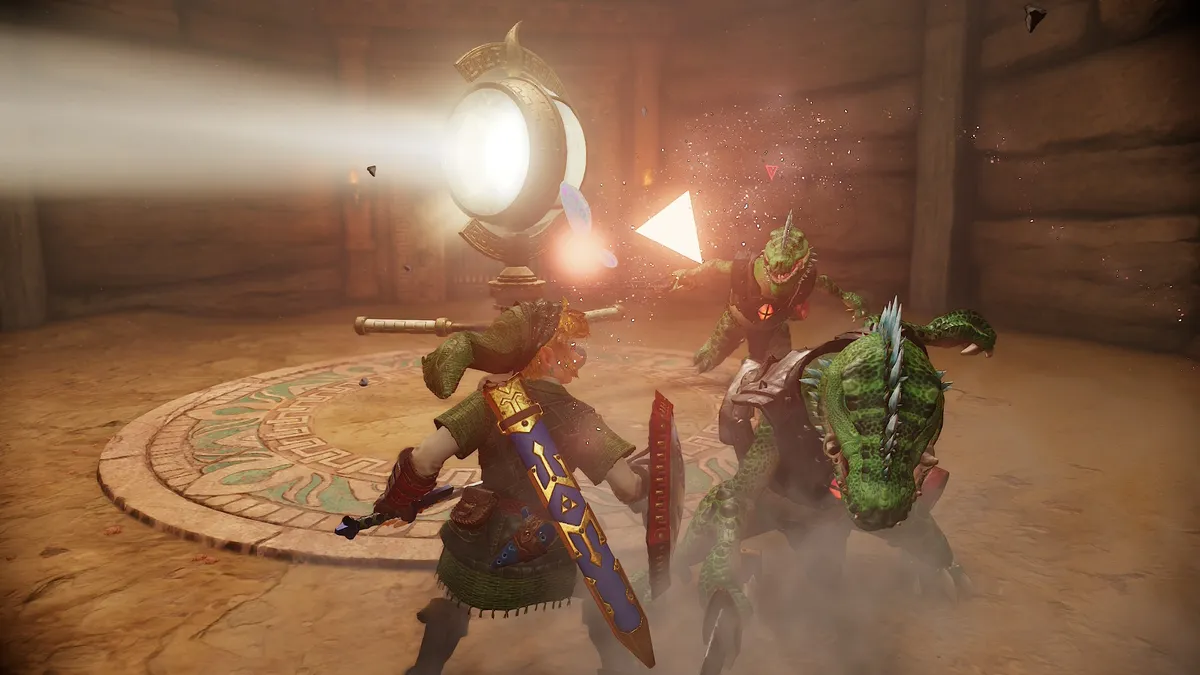
Despite initial divisive responses to the new Zelda character designs (but then, I'm old enough to remember the 'Celda' reactions to Wind Waker), I soon found myself enamoured by the ornate puppet-style aesthetic reminiscent of fairy-tale and fantasy media from the 80s, while the still-mute Link says a lot just with his subtle facial expressions. Admittedly, Sheik is much less androgynous than the original game (though the twist is about as non-spoiler as Luke Skywalker's father), but Zelda herself is also an improvement over the dainty damsel, with a voice distinct from the stereotypical princess in the newer games.
It's also however not a 'reimagining' in the vein of Resident Evil 2 where the original story has been adapted to a modern iteration of the series, nor is it just a primarily graphical overhaul like Metal Gear Solid Delta: Snake Eater that otherwise plays almost identically. After Breath of the Wild and Tears of the Kingdom's vast open world, trekking across Hyrule Field in a matter of minutes should feel ridiculously small, yet I have to give kudos to Nintendo for not succumbing to the temptation of stretching it out and then stuffing it with filler content, though the original side quests, from item-trading to hunting down Gold Skulltulas, are intact.
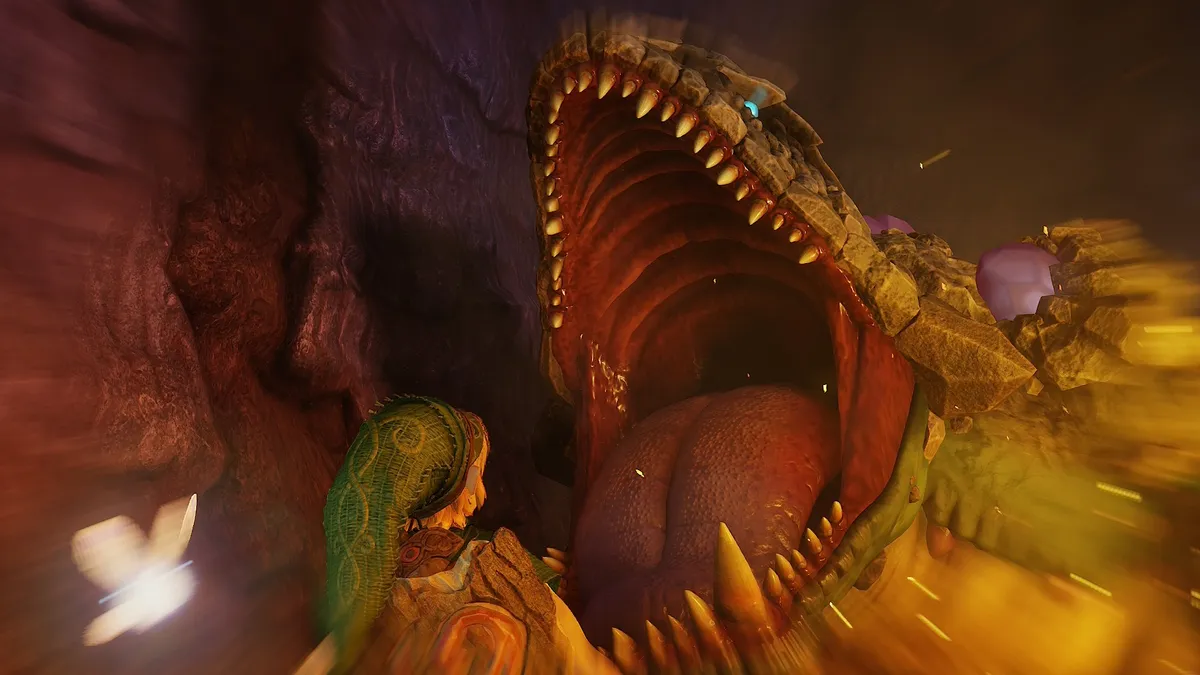
There's still a majesty to this finite adventure of a courageous boy journeying across time to save the world that still evokes so much, whether it's when you first pull out the iconic Master Sword or just stand in the middle of Hyrule Field and just make out the surrounding locations based on their distinct landmarks without the need for waypoint markers. A maximalist Final Fantasy 7 Remake approach that stretched the narrative with many more things to do would have diluted, rather than enhanced, the experience.
Still, plenty of modern additions make for a much smoother playthrough, from a free-moving camera to 60FPS performance in stark contrast to the original's barely stable 20FPS, and a clear quest log that also weaves a beautiful tapestry chronicling your adventure. There's even a dedicated jump button for Link, which admittedly took me a while to adjust to, since I kept falling off platforms when I expected an auto-jump; you can just dash instead of the original's hack of rolling around ad infinitum.
How Ocarina of Time on Switch 2 mixes the old and new
You can also see some of the newer games' design incorporated, such as being able to quick-select items, though die-hards may lament that this means getting rid of the ability to map three items at once - it's balanced out by having some items like the lenses of truth or iron boots being mapped to respective buttons on the D-pad. Weapons like the slingshot, bow, and hookshot can also use gyro aiming, and while this was introduced in Ocarina of Time 3D, those still retained the original's first-person perspective, whereas now it's third-person like the newer titles, and you can move around at the same time.
Personally, my favourite new feature exclusive to Switch 2 hardware is being able to play the iconic ocarina songs by humming the tunes into the console's built-in microphone. For sure, it's a gimmick, but a very apt one, and I found it so much more intuitive than trying to memorise the button inputs, which is also a testament to how memorable Ocarina of Time's music continues to be.
Zelda's modern polish downside
If there is a downside to all the modern polish, it's that playing through Ocarina of Time is perhaps a little too breezy. That's certainly true of all the target and archery minigames, where, with the intuitive gyro aiming, I could get the top prizes on the first go without breaking a sweat. That also speaks to the absence of a more challenging option such as a Hero mode (you can opt to not increase your hearts, which is easier to do as you have to press a button to pick up heart containers), though an obvious choice would have been a Master Quest mode that remixes the dungeons, which could still happen post-launch either as a free update or paid DLC.
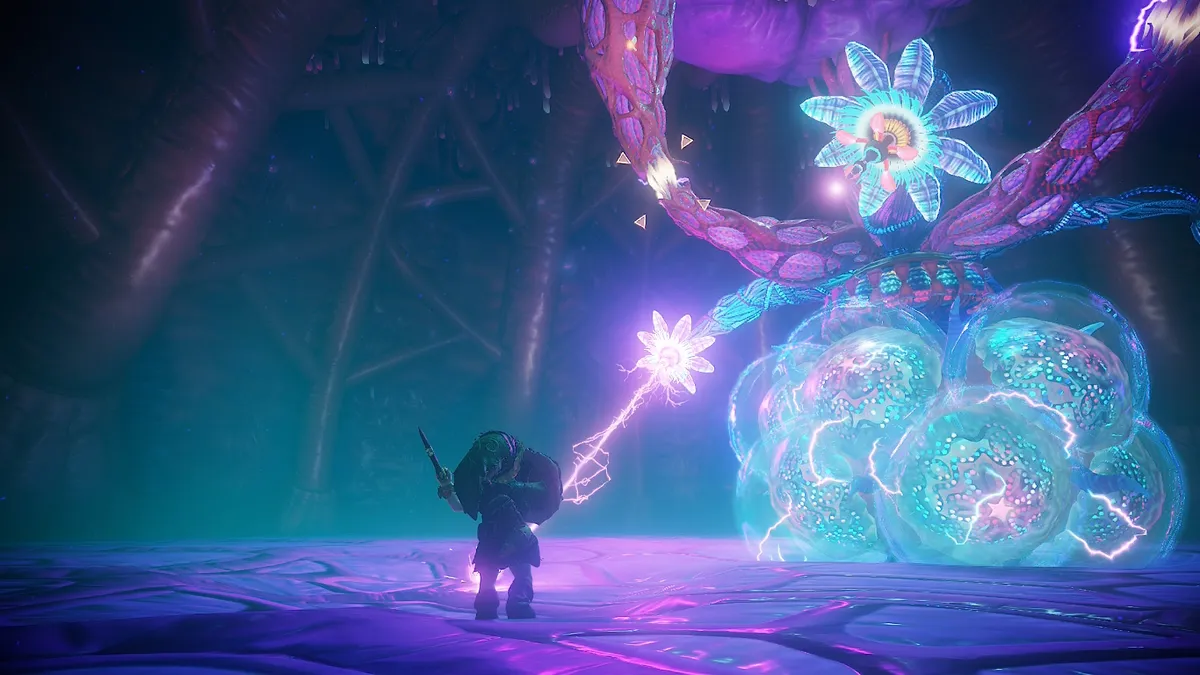
But Ocarina of Time was never as hardcore as Dark Souls; it was more about the pleasure of discovering new items you could put to ingenious use, especially against its brilliantly designed bosses, including an improved multi-stage finale. It's also nice that one of the remake's genuinely new features is a museum of all the enemies you've encountered, which lets you jump into boss rematches and even boss rushes.
If the overall changes to the game and story are relatively minor – voiced cutscenes are fine but hardly a gamechanger, though it's nice that Matt Mercer reprises his role as Ganondorf – it's really a testament that the original 1998 release was already such a defining moment in gaming that it doesn't require a radical overhaul to remind you just how great it still is. More importantly, in a post-BotW world, it's a relief that an adventure of this size can still feel epic and timeless.