





”It doesn't work. Touch surfaces don't want to be vertical. After a short period of time you start to fatigue, and after an extended period of time your arm wants to fall off. It doesn't work, it's ergonomically terrible."
That’s what Steve Jobs said about the idea of a touchscreen MacBook in 2010. Those comments have been dredged up far and wide across the internet this week, as Apple yesterday launched, yes, the first ever touchscreen MacBook Pro. Clearly Apple thought the moment had finally come to give the concept a chance. And after testing it at the launch event in LA, I think the company might just be right.
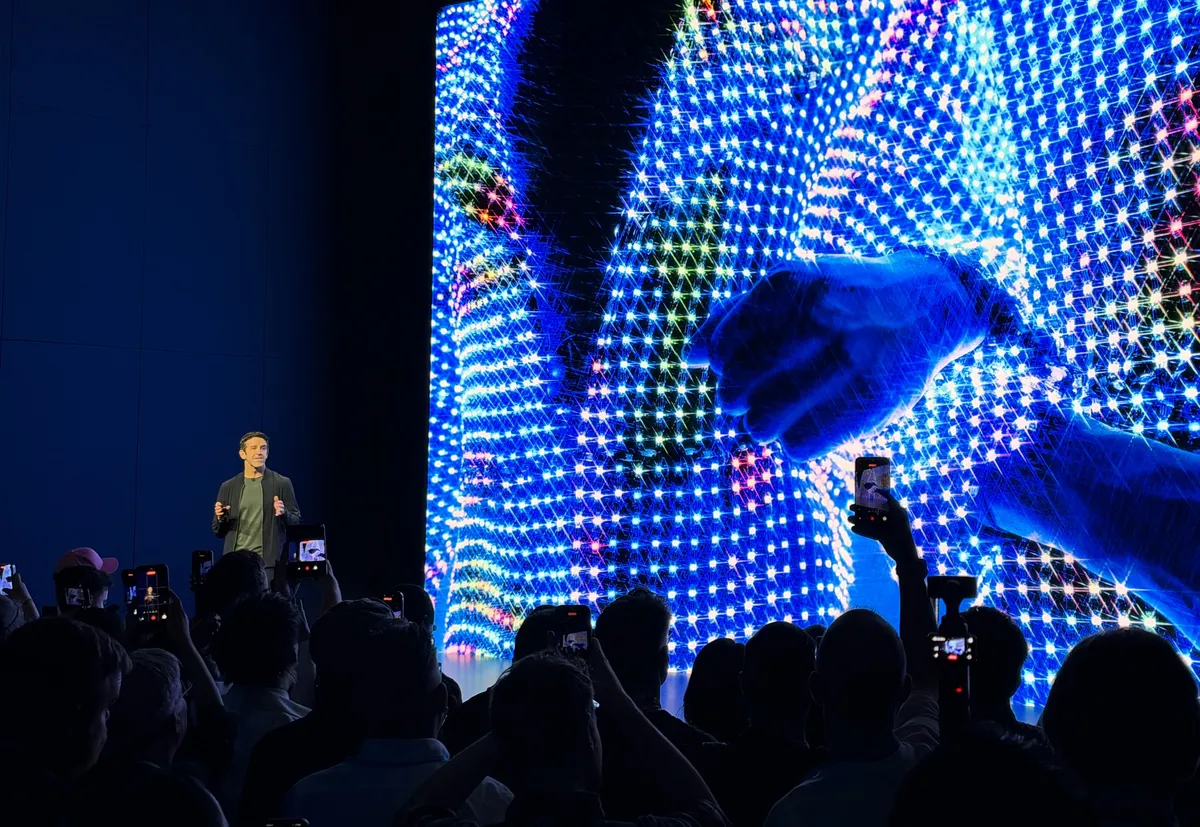
But even before touching the device, I was intrigued by Apple’s marketing of it. The name, MacBook Pro with PROLED XDR Display, makes no mention of touch (although ‘PROLED’ is up there with ‘Apple Intelligence’ as an example of the company’s hilarious penchant for ‘brandifying’ existing words and phrases). Right from the bat, it seems Apple isn’t trying to pitch touch as the laptop’s headline feature. Indeed, judging by the cheer in the room, you’d think the return of the illuminated Apple logo was the biggest update.
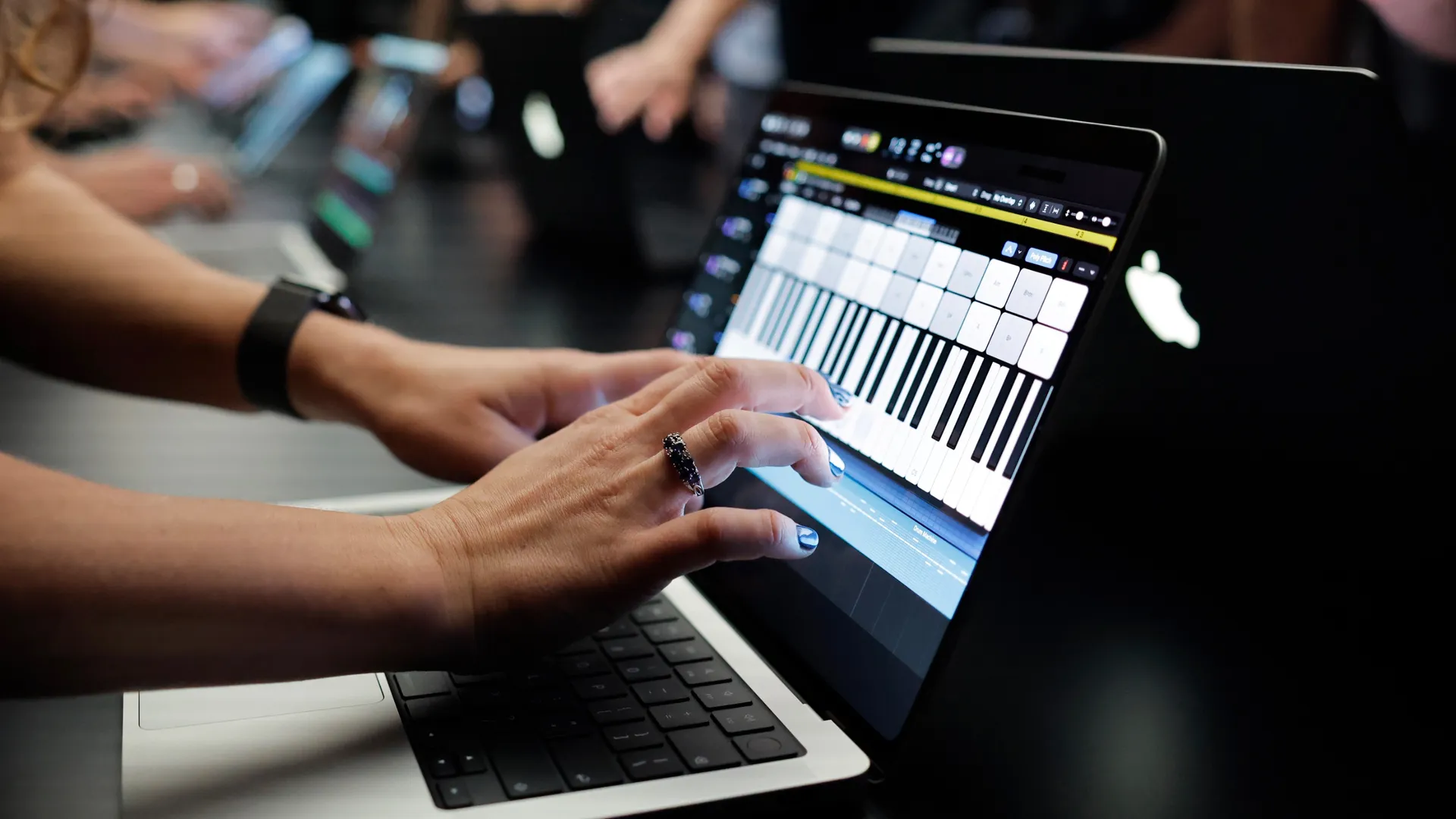
When viewed as a bonus, an additional input option to sit alongside the traditional trackpad and keyboard, touch starts to make sense on the Mac. It’s useful for certain tasks, such as scrubbing through the timeline in Final Cut Pro, playing a virtual keyboard in Logic Pro, or pinching to zoom in on photos or maps. But it’s clear that, unlike the iPad, the Mac simply isn’t a touch-first device. But for creatives, a brand new input option can only be a good thing.
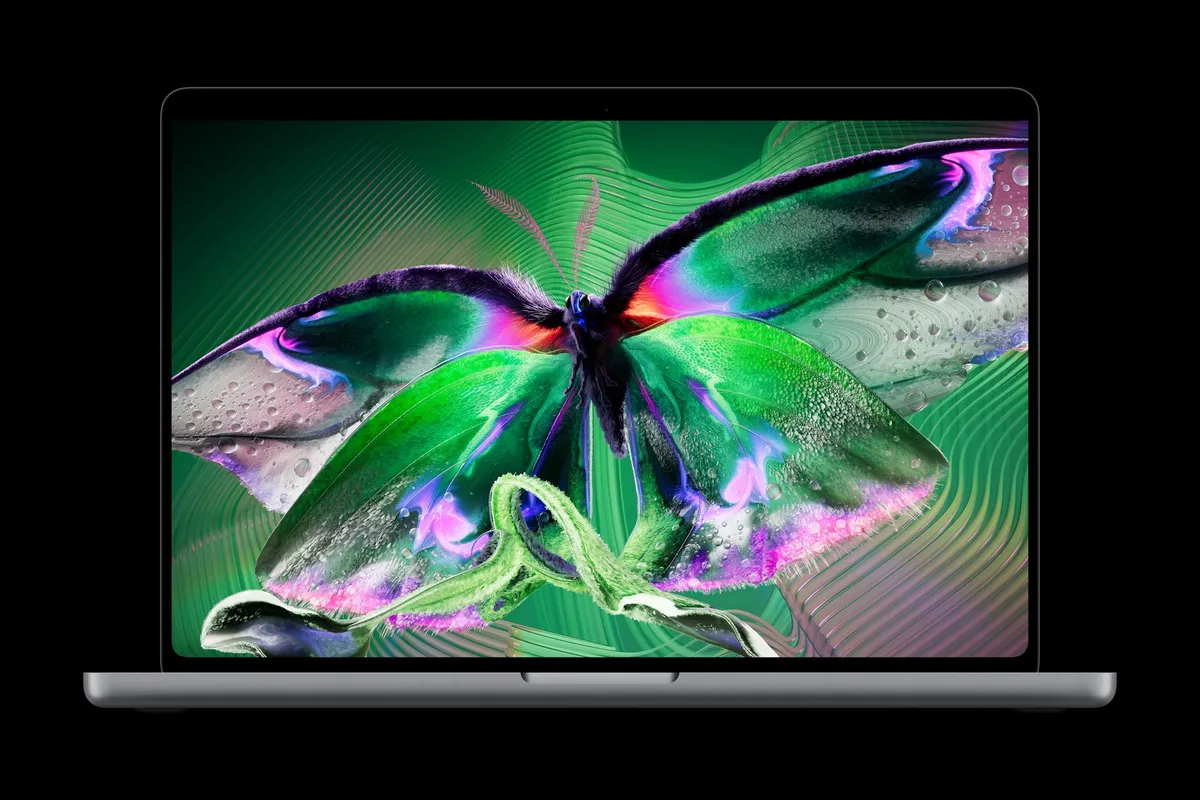
It helps that Apple has got the hardware and software just right. The PROLED display is absolutely stunning, and the touch super responsive (I experienced no latency when testing the aforementioned Logic Pro keyboard). And small software touches, such as the way the close/minimise window buttons enlarge when touched, make the experience much less fiddly than you might expect.
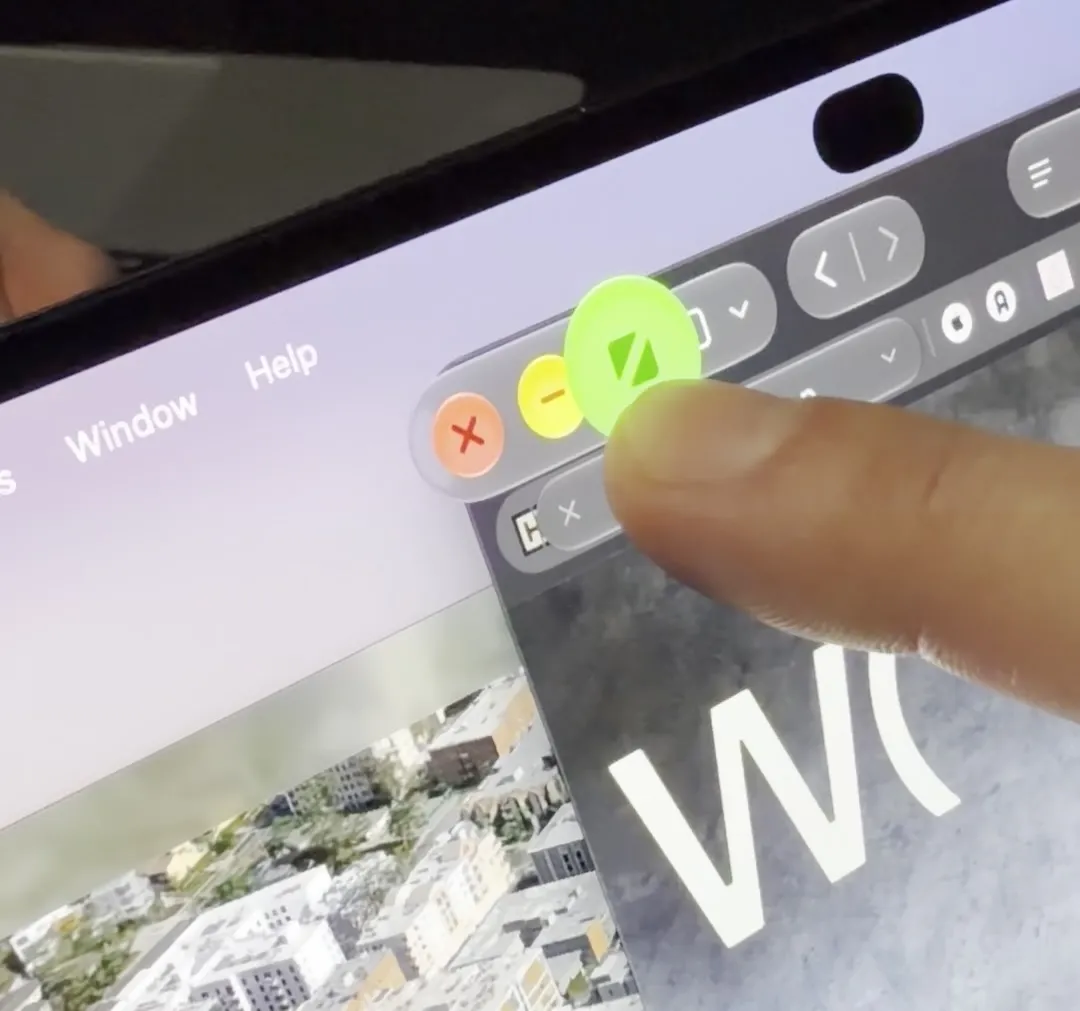
But it isn’t perfect. Apple claims that it has strengthened the hinge to reduce wobble when touching the upright screen, but I still noticed a fair amount of rebound. And while testing Final Cut, there were times when I found the trackpad more accurate.
Simply put, it’s a nice-to-have. And it’s a nicer-to-have than I expected. Had Apple gone ahead and called this the ’MacBook Ultra’, my eyebrows may have raised considerably more. Because on a notebook-style laptop, a touch screen is never going to feel like an ‘Ultra’ feature. In this case, though, it’s a delightfully well-executed bonus feature.
The MacBook Pro with PROLED XDR Display is available to pre-order now, starting at $2899.