

The calls for Masha and the Bear to be banned in the UK might seem surprising, but they're the latest in a long line of cartoon controversies. The history of animation is filled with instances of public outcries creators pushing the boundaries of taste, politics or social norms, and of cartoons that have caused outcries or censorship.
Some animations are intended to provoke, bringing motion to the long tradition of satirical comics. Others weren't created to be controversial, but sparked health scares or shock us today because of changes in cultural standards.
From Warner Bros's racist Bugs Bunny to South Park's attempts to upset absolutely everyone, here are the 10 most controversial cartoons of all time (and yes, I realise that any list using a superlative risks provoking still more controversy, so feel free to sound off if you can think of more controversial examples).
If you're inspired to start work on your provocative masterpiece, see our helpful guides to the best laptops for animation and the best animation software.
08. Death Note
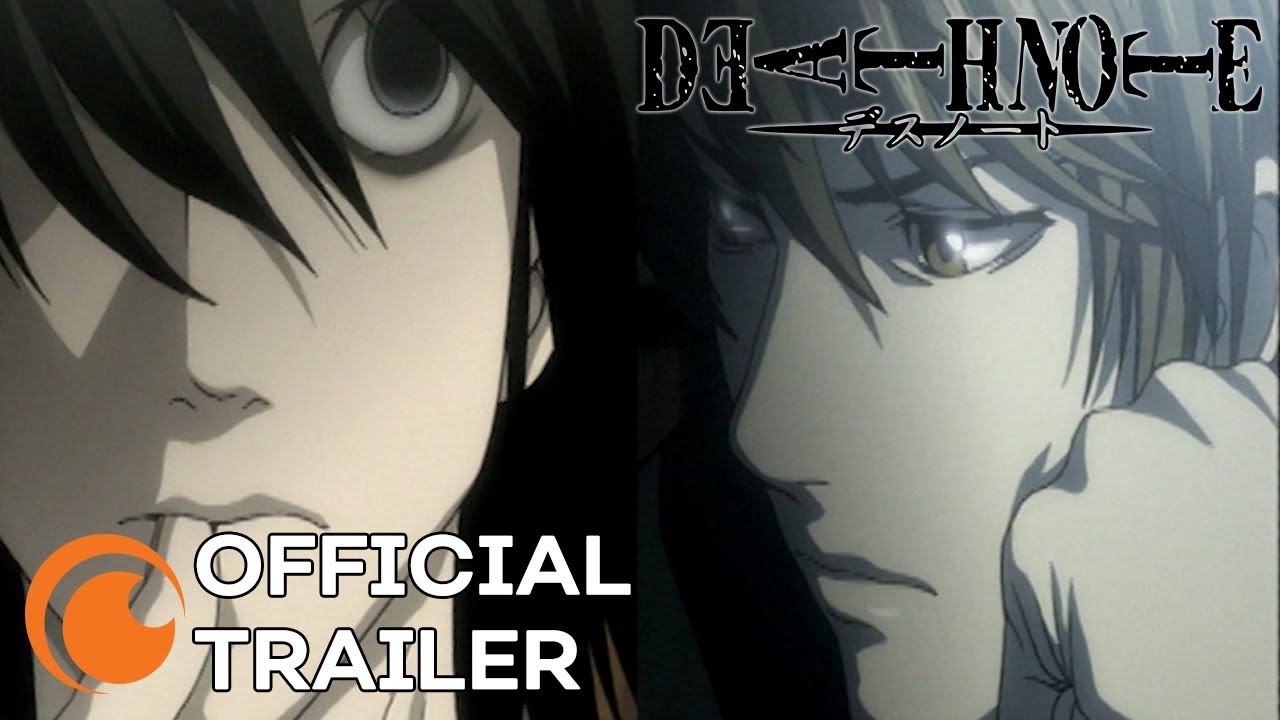
If we banned every cartoon that might inspire children to do something dangerous, we wouldn't have many left. There's even an episode of Peppa Pig banned in Australia on the grounds that it encouraged children to befriend spiders.
But few cartoons sparked a safety panic like Death Note, the 2006-2007 Japanese anime television series based on Tsugumi Ohba and Takeshi Obata's manga. The plot involves high school student Light Yagami, who makes it his mission to rid the world of evil using a supernatural notebook that brings death of anyone whose name is written in it.
The series generated intense international controversy, including in schools in China where students were found making 'death notes' with the names of classmates and teachers. China banned the series in 2007 and a court in Russia followed suit in 2021, ruling that the animation promoted cruelty and violence and had a damaging effect on young viewers' psyches.
07. The Flintstones
Cartoons have also been controversial because of inappropriate commercial interests. Most people will remember William Hanna and Joseph Barbera's The Flintstones as a kids' cartoon, but it was originally aimed at adults in a prime-time evening slot – think The Honeymooners but with dinosaurs and a little less domestic violence.
The first seasons were sponsored by R.J. Reynolds Tobacco Company's Winston cigarettes and even saw Fred and Barney smoking and directly promoting the brand. While tobacco advertising was prevalent at the time, it seems shocking today to see such in-show advertising in a program that was likely to appeal to kids. Winston pulled its sponsorship in 1962 when it became impossible to deny that the series had a large family audience.
06. The Ren & Stimpy Show
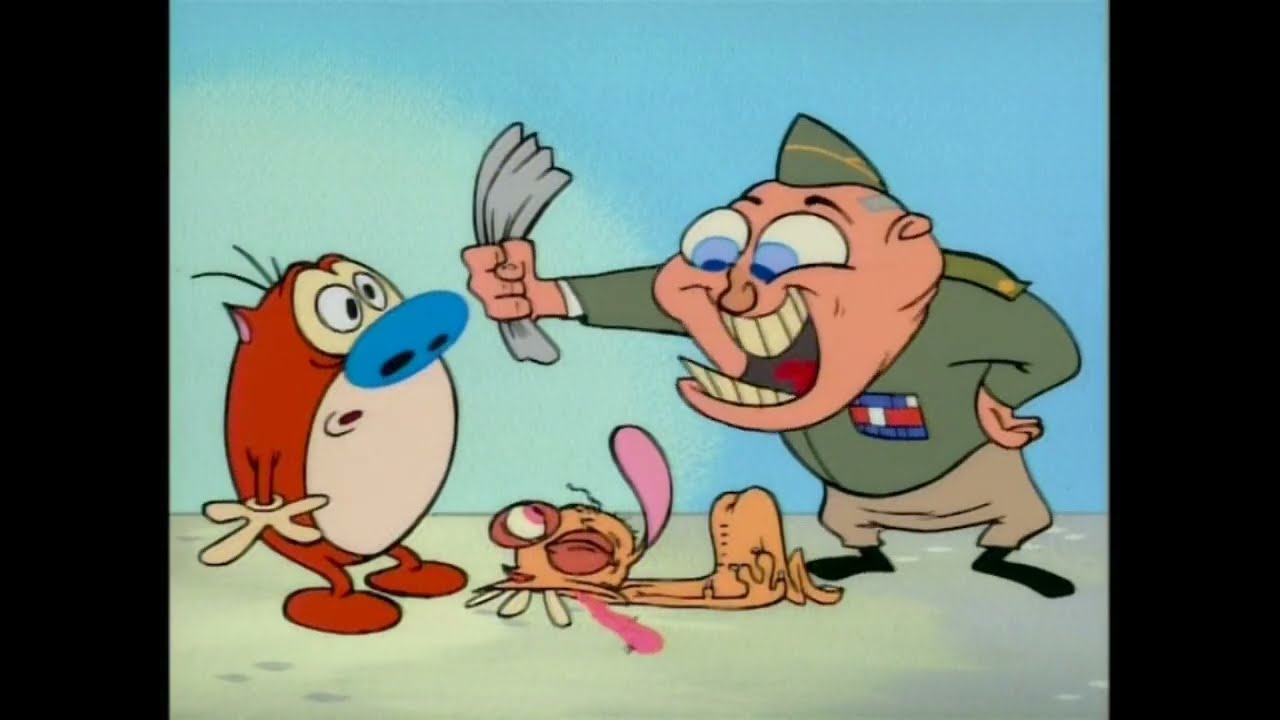
The Ren & Stimpy Show revolutionised 1990s TV animation with its edgy, gross-out humour, but it was constant source of tension for Nickelodeon. Executives fought with the creative team over its failures to meet production deadlines as well as the show's violence and references to drugs and alcohol.
They couldn't say no to the strong ratings and massive merchandise sales, but they drew the line at Man's Best Friend. This episode from the second season in 1992 was shelved due to a scene in which Ren brutally beats a character called George Liquor with a wooden oar. The show's creator John Kricfalusi was fired soon afterwards.
05. Popetown
Popetown was an unlikely commission for the BBC in 2005. Produced by Channel X and Moi J'Aime La Television, the 10-part satirical cartoon was described as "Father Ted meets South Park". Characters included an infantile Pope voiced by Ruby Wax, corrupt cardinals, a fame-obsessed nun and sexual deviant priest.
Unsurprisingly, Catholics weren't impressed. After a backlash, the broadcaster dropped the series, with the then BBC Three controller Stuart Murphy saying that there was a "fine judgement line in comedy between the scurrilously funny and the offensive".
Italy's Jimmy Channel then bought the show but also decided not to air it after the death of Pope John Paul II. It was eventually broadcast in some countries, including Germany and New Zealand.
04. South Park
Matt Stone and Trey Parker made it their mission to offend with South Park, using foul-mouthed 10-year-olds to deliver complex political and social commentary and rapid production cycles to respond quickly to current affairs.
No politician, celebrity, religion or social issue is safe (don't miss how South Park made Donald Trump's penis), but it was Episodes 200 and 201 in 2010 that led to death threats. These see Tom Cruise seeking to harness Muhammad's "goo" to obtain immunity from satire at a time when the memory of the global protests sparked by the Danish newspaper Jyllands-Posten's depictions of the Islamic prophet was still fresh.
A radical Muslim website warned that Parker and Stone could suffer the same fate as Theo van Gogh, a Dutch filmmaker murdered by an Islamic extremist. Comedy Central opted to censor the episodes, covering Muhammad with a black rectangle and bleeping his name, as well as an entire closing speech about fear and intimidation.
03. Masha and the Bear
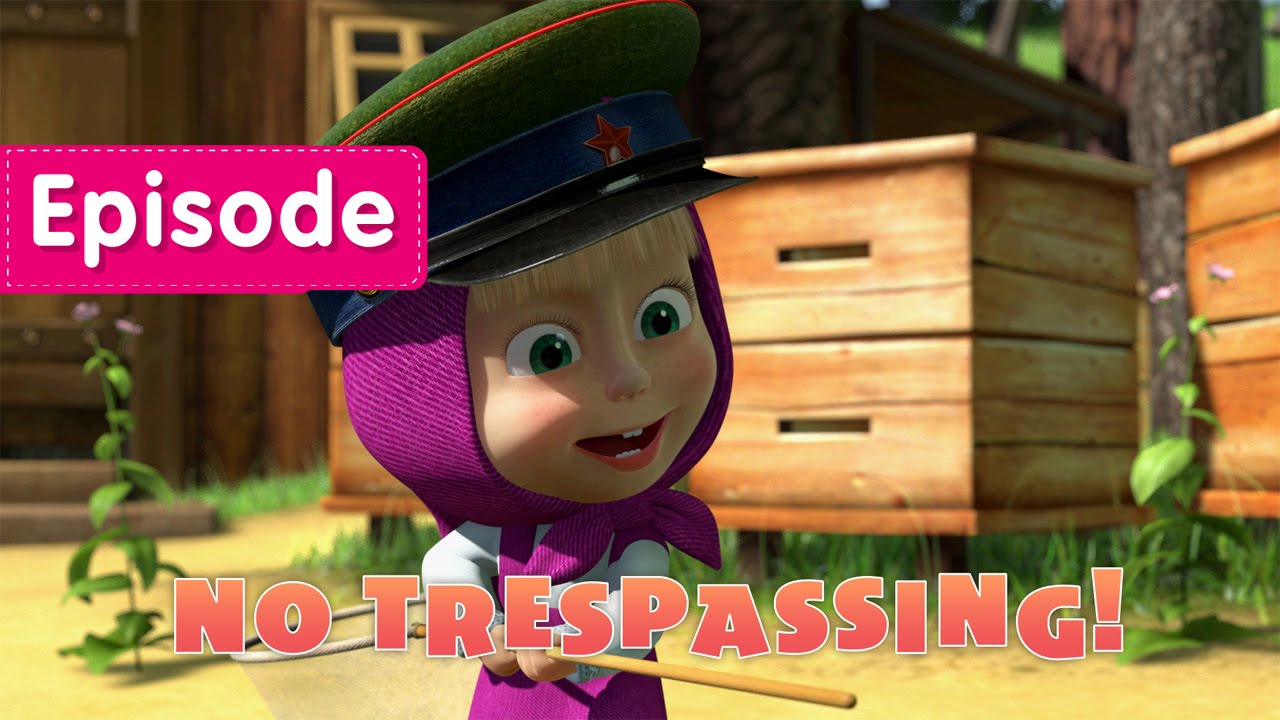
Netflix's Masha and the Bear is the latest addition to the list of controversial cartoons. On the face of it, it's an innocent if irritating preschool comedy in an idyllic woodland setting, but politicians in several countries have deemed it to be a tool of Russian soft power and propaganda, claims the animation company Animaccord denies.
The series is based on a Russian folk tale, but critics argue that its themes, symbolism and geopolitical timing are intended to paint a sanitised picture of Russia and to normalise its military iconography. The Bear, historically a symbol of Russia, is depicted as kind, intelligent and protective, and several episodes see Masha wearing what appears to resemble Soviet military costume.
Ukraine’s Center for Countering Disinformation (CCD) has warned that the series is a gateway for cultural indoctrination, saturating the viewer with Russian cultural motifs, from balalaikas to traditional folklore. In the UK, 50 MPs have called for it to be banned for what the Liberal Democrat Tom Gordon described as the “militarisation of children”.
Our editor banned it in her household, not because of Russian militarisation, but because "it's horrible" and put her daughter in a terrible mood.
02. Racist Bugs Bunny
The US animation giants Disney and Warner Bros both produced politicised cartoons during World War II. Disney’s offerings included Donald Duck having a nightmare about living in Nazi Germany in the Oscar-winning Der Fuehrer's Face.
Warner Bros gave audiences The Ducktators and Daffy – The Commando. But things veered into racism with Bugs Bunny Nips the Nips from 1944. The cartoon featured xenophobic caricatures of Japanese people and Bugs Bunny using racial slurs against them. The studio withdrew the cartoon from public viewing after the war.
01. Looney Tunes and Merrie Melodies 'Censored 11'
Warner Bros's racist Bugs Bunny wasn't its first controversial cartoon; it already had form when it comes to racist stereotypes.
In 1968, United Artists, the company that owned the distribution rights to pre-1948 Warner Bros work, pulled a series of 11 Looney Tunes and Merrie Melodies shorts from syndication due to their offensive portrayals of African Americans.
The infamous 'Censored Eleven', as the cartoons became known, were produced between 1931 and 1944 and included titles such as Coal Black and de Sebben Dwarfs and Goldilocks and the Jivin' Bears.
Uncle Tom's Bungalow from 1937 was a parody of Uncle Tom's Cabin featuring exaggerated racial portrayals, while Jungle Jitters, made a year later, depicted a traveling white salesman captured by a tribe of African cannibals who spoke in jazz slang.
Seeing things like this make the theories about why Disney characters wear white gloves disturbingly believable.
For more recent animations that have divided opinion, see the Disney Hexed controversy and the criticism of Disney's live-action Moana. And then there's Amazon's provocation of KPop Demon Hunters fans with its plan for an AI mockbuster Love, Diana Music Hunters.