Pokémon doesn't need to try hard to get attention. It's already the biggest media franchise on the planet, with a back catalogue so vast that most of us stopped keeping up sometime around generation four.
So when The Pokémon Company chooses to spend its money on Aardman, the studio behind Wallace & Gromit and Shaun the Sheep, rather than on a slicker, faster, cheaper digital alternative, it's worth thinking: why?
The answer, revealed this week at the Annecy International Animation Film Festival, comes in the form of Pokémon Tales: The Misadventures of Sirfetch'd & Pichu: a stop-motion series set in the Galar region, due in 2027. It's a small, quirky, deliberately handmade thing from a company that could have gone in almost any direction it liked.
And in 2026, that feels less like a stylistic choice, and more like a statement about the way the creative industries are going.
Vivid physicality
In case you hadn't noticed, we're at a point where AI-generated imagery is cheap, fast and everywhere. Most of it is awful, at best it's forgettable. Against that backdrop, a major studio using animators who carefully set everything up frame by frame isn't just a creative decision, it's a statement of principles. Pokémon is telling its audience, loudly and clearly, that some things are still worth doing the slow way.
In the press materials, it's wonderful to hear Aardman's chief creative director, Sarah Cox, talk about bringing "the vivid physicality of stop frame animation" into the Pokémon world, with a team creating a "hand-crafted spin" celebrating the quirks and eccentricities of the characters. Phil Rynda, The Pokémon Company's director of original animation, goes further, praising the "warmth" evident in "every brilliantly crafted frame".
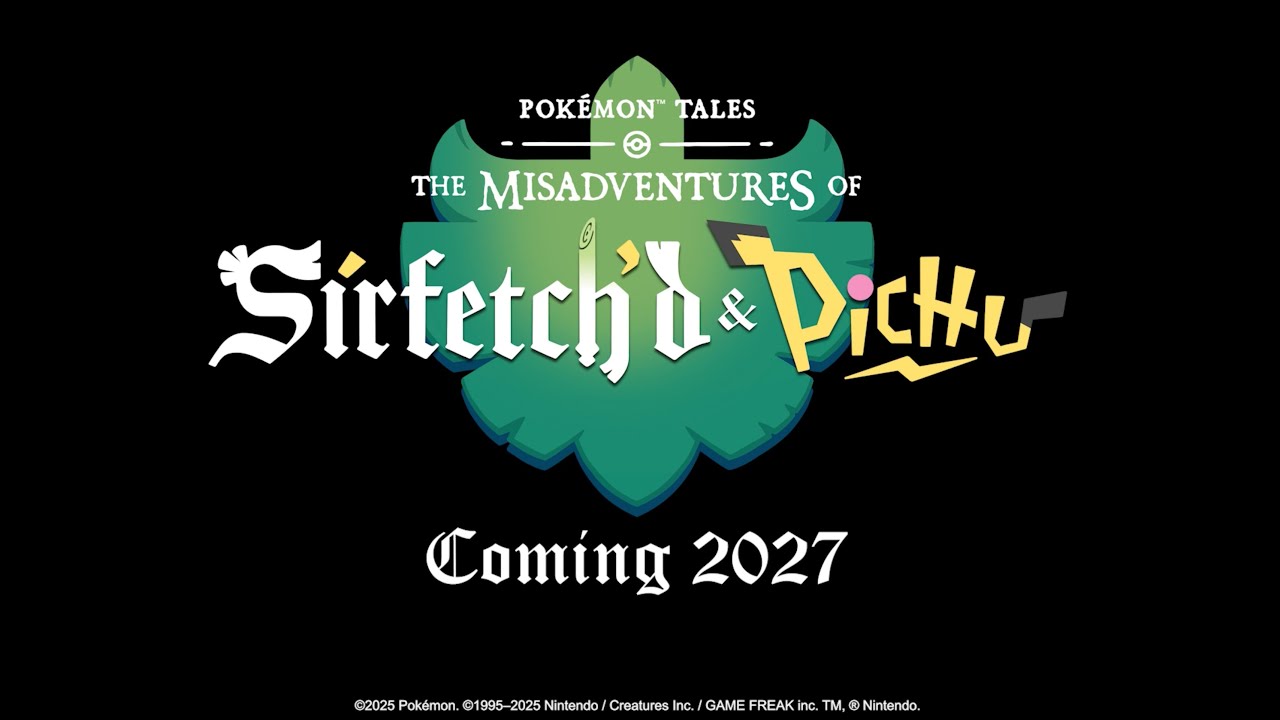
This is the language of craft, not content, and it's a joy to behold. Unlike an AI prompt, stop motion can't be produced out of nothing in an instant. It has to be built, lit and shot, one tiny adjustment at a time. And this kind of human attention to detail is becoming more and more valuable.
As AI tools flood every corner of the creative industries, audiences are getting better at spotting the difference between something made and something generated, even when they can't quite articulate why one feels hollow.
Aardman's whole appeal has always rested on visible labour: in its classic creations from Morph to Wallace and Gromit, you can see the thumbprints in the clay if you look closely enough. Pokémon, a brand built on collectability and craftsmanship in equal measure, clearly understands that this tactile honesty is worth protecting.
Key takeaway
For creative professionals, this matters, even if you're not a Pokémon fan. Because it reminds us that, even as budgets tighten and AI tools promise to cut costs, the biggest brands are still willing to pay a premium for human hands and decades of accumulated skill.
Aardman didn't get this commission because it was the fastest option. It got it because nothing else looks, moves or feels quite like its work.
In other words, at a time when so much creative work is being automated by default, one of the planet's most valuable entertainment brands has chosen, very visibly, to do the opposite. Three cheers to that.