As the volume of brand collaborations continues to increase, a clear strategic fit between brands is now a baseline expectation rather than a nice-to-have. There needs to be a shared audience, values, and cultural relevance, and not just visibility. When working with an established franchise, the partnership should bring something fresh that makes it feel relevant to today's audiences, rather than relying solely on nostalgia.
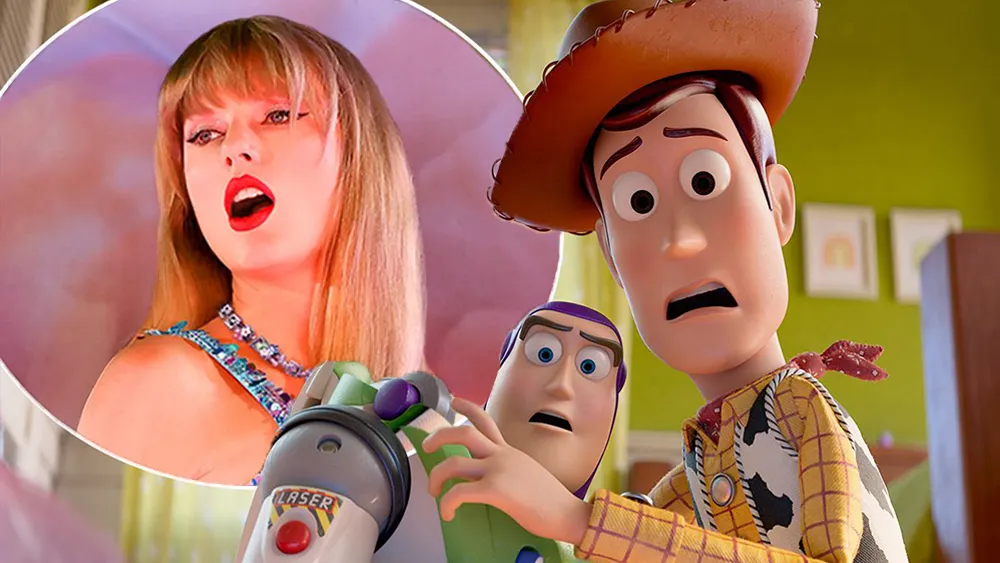
The most effective collaborations often become part of the cultural conversation in their own right, sometimes proving just as memorable as the film, game or franchise they are associated with. For Toy Story 5, partnerships are shaped not just by audience overlap but by the creative details that make a collaboration feel intentional. Even subtle touches – such as the shared “TS” initials used in the Taylor Swift campaign – help reinforce cohesion and memorability.
Authenticity is critical, but increasingly difficult to achieve as collaboration volumes grow, as the weirdest brand collabs show. The most successful partnerships feel credible to both audiences and are grounded in a natural brand alignment, rather than appearing forced or purely commercial. The success of the Lego video game franchise over the past 25 years feels earned, with crossover appeal for gamers and fans of the respective franchises ranging from Star Wars to Marvel and DC.
The best co-branding partnerships create a narrative or cultural moment consumers can engage with. The Devil Wears Prada 2 has tapped into the cultural zeitgeist with a series of cleverly placed brands, from Diet Coke to more obvious routes like fashion houses.
Any successful collaboration needs to stand out, whether through design, experience, limited availability, or simply being unexpected. The strongest partnerships offer something genuinely novel – whether through design, experience, limited availability, or unexpected pairings – rather than relying on familiar formats. Fortnite collaborations come thick and fast, so making an impact is tough, but many featuring major brands continue to cut through to reach wider audiences.
Brand collaborations require consistent alignment across product, marketing and retail, which is essential to deliver a cohesive brand experience. Delivering a cohesive brand experience becomes more challenging as scale increases, but is also more critical to driving long-term impact.
What makes some brand collaborations more effective than others

One of the main factors is audience alignment vs expansion. The strongest collaborations either align closely or introduce a brand to a new but relevant audience in a clear, considered way.
Collaborations need to have depth vs surface-level branding. Co-branding partnerships that go beyond logo placement and integrate into product and experience deliver greater impact. A recent example of this is The Devil Wears Prada’s Google AI collaborations, offering a chance to feel like you’re on the runway yourself.
Timing is crucial to secure cultural relevance. Tapping into moments or trends can significantly amplify reach and engagement. If we take Roger Federer becoming UNIQLO ambassador in 2018, he was still a major figure on the tennis circuit, having won that year’s Australian Open. Even since retiring in 2022, he has remained a major draw for the brand after ending a decades-long partnership with Nike.
A focus on quality and brand integrity is crucial. Poor execution of collaborations or partnerships in this regard can undermine both brands. Maintaining quality and brand integrity is vital, particularly as collaborations scale across multiple partners and channels. Inconsistent execution can quickly dilute brand value, making robust governance and clear standards critical.
There is a conversation between longevity and hype; some collaborations drive short-term buzz, but the most successful ones build lasting brand equity. For example, Heinz x Absolut cooking sauces started out due to a viral TikTok penne alla vodka recipe, but became an enduring co-branding partnership.

What these high-profile collaborations mean for the licensing market, and key considerations
These high-profile collaborations highlight how licensing has evolved into a core growth strategy. Brands are increasingly using partnerships to extend their reach, engage new audiences and maintain cultural relevance, while licensors use them to keep established properties fresh and drive innovation.
As collaborations become more ambitious, they are also becoming more complex. Many now span multiple partners, territories and stakeholder groups, creating greater demands around coordination, governance and brand management.
Brand control is one of the most important considerations. Maintaining consistency, quality and creative integrity across products and campaigns is essential to protecting long-term brand equity. Strong design and product approval processes help ensure partnerships remain aligned with the values and expectations associated with the brand.
There is also a growing need to protect IP and confidential brand assets. As more partners become involved, the risk of misuse or unauthorised use increases, making effective IP protection an important part of any collaboration strategy.
At the same time, speed to market is becoming a key differentiator. Many of the most successful partnerships are tied to cultural moments or emerging trends, meaning brands need to move quickly while maintaining the controls needed to protect their reputation and assets.
The Brand Impact Awards 2026 are now open for entries! If you have a standout branding project from the last year that you think deserves recognition, you need to enter the BIAs. You have until July 9 to enter and you can do so on the Brand Impact Awards website.
