In the days since the World Cup final, marketers have been busy tallying the tournament's media winners, comparing impressions, engagement, earned media and share of voice.
Those metrics have their place. But attention fades. True brand equity is much more durable.
The strongest activations in this year’s World Cup weren’t necessarily the ones that generated the most visibility. They weren’t defined by how much a brand spent, or even whether it had purchased official sponsorship rights at all.
Instead, they were defined by something much more fundamental: lasting associations rooted in a clear understanding of what a brand can uniquely bring to one of the world’s biggest cultural stages.
Here are four brands that stood out for exactly that reason.
Airbnb: Show up in a way only your brand can
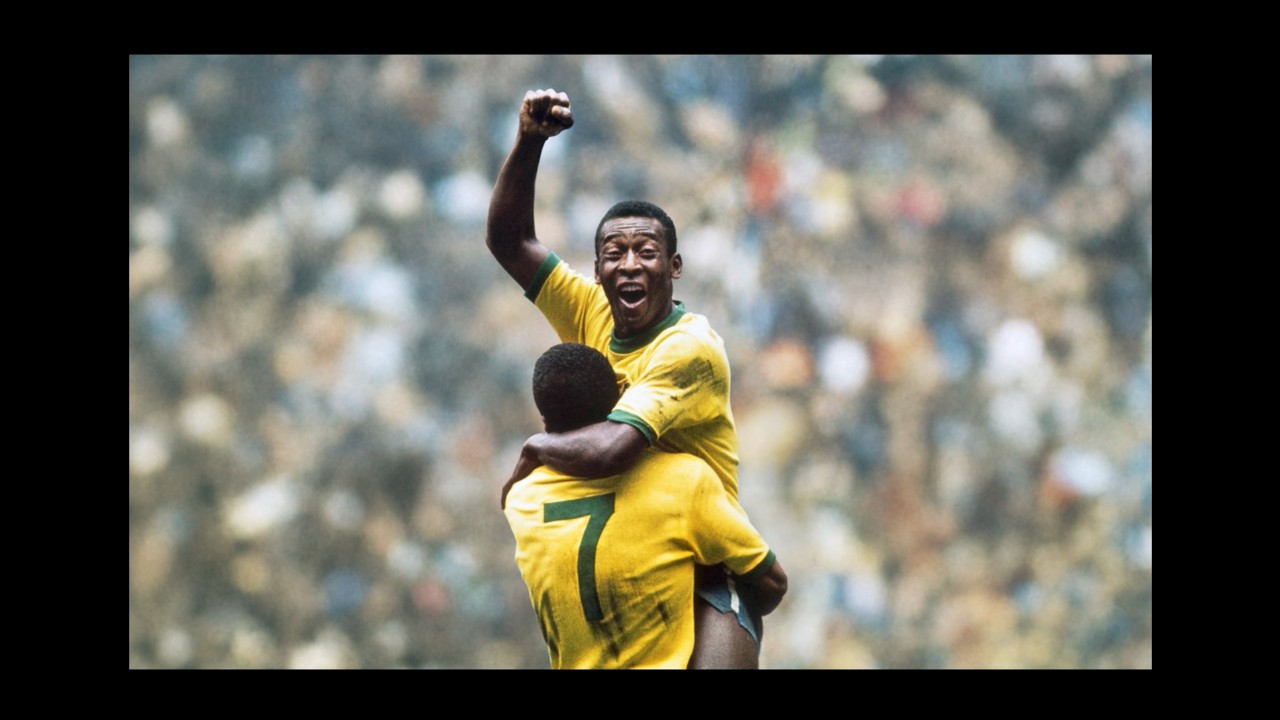
While many brands focused on football itself: goals, trophies and players; Airbnb focused on something only it could credibly own: what happens when the world comes together.
The company created a booking site organised around host cities and curated a series of fan experiences, from training with football legends Christen Press and Ian Wright to creating jerseys alongside Adidas designers and watching matches with beloved local Airbnb hosts.
Airbnb’s global campaign, 'The World is Meant to Meet' brought it all back to the magic of connection and cultural exchange. Rather than try to become a football brand, Airbnb used sport’s biggest stage to reinforce what its own brand has always stood for: bringing people from different places and cultures together.
Bank of America: Build something that outlasts the tournament
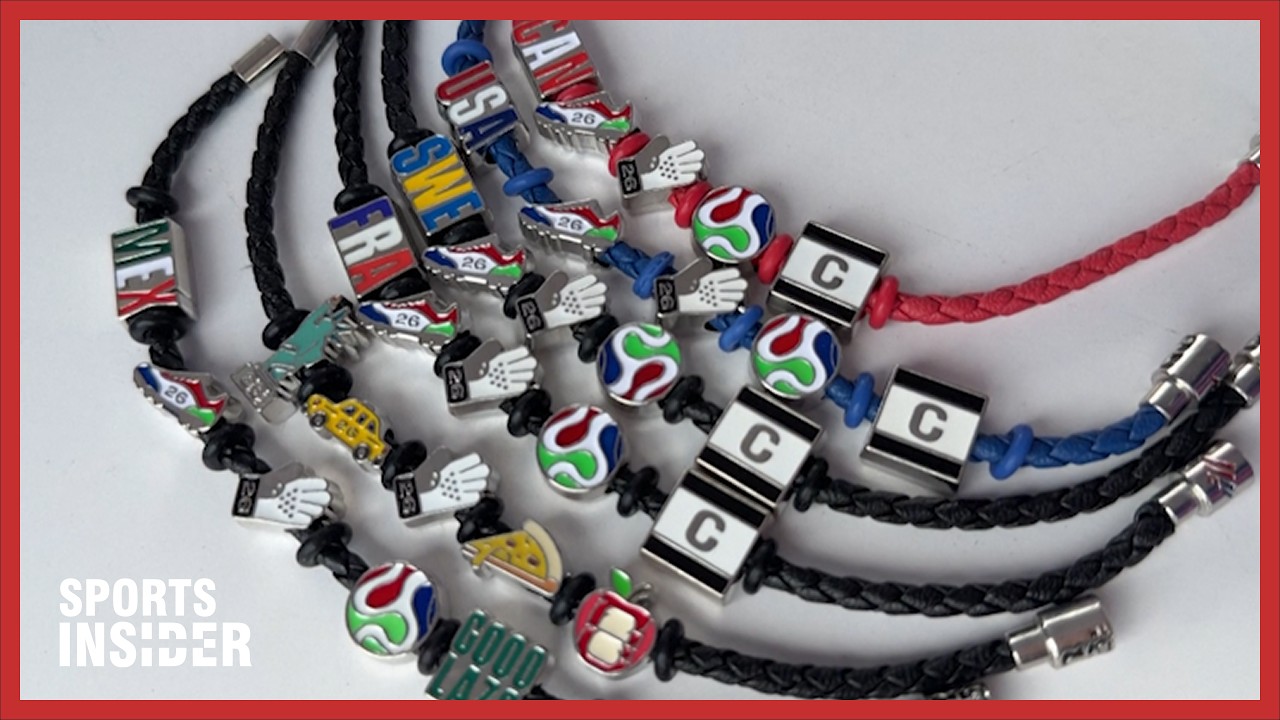
Bank of America's Fan Bands were one of the tournament's viral successes. Millions of fans lined up across North America to collect the free charm bracelets and swap beads as expressions of their identity, fandom and national pride.
The bracelets leveraged Bank of America’s scale and heritage to bring fans together while reinforcing its positioning as a brand centred on achievement - helping people set goals, make progress, and reach what’s next. And this was just one part of their activation.
As the Official Bank of the FIFA World Cup 2026, Bank of America also launched Soccer at Schools and expanded investments in youth soccer, local clubs, and host city-initiatives designed to leave a legacy beyond the tournament.
Rather than treat the World Cup as a one-off campaign, Bank of America treated it as one part of a long-term platform around achievement, community and opportunity.
At a global event like the World Cup, every marketer is tempted to maximise impressions during the moment. While visibility has its place, the smarter strategy is to ask what momentum the event creates, and how your brand can continue building on it long after the trophy has been lifted.
Heinz: Official rights are not always the price of entry

When FIFA “clean-stadium” rules resulted in all unofficial venue branding being covered, Heinz quickly joined the conversation with playful creative and a product launch that transformed constraint into opportunity.
Because Heinz is not an official tournament sponsor, FIFA required the brand name be taped over on all ketchup bottles inside the stadiums. Rather than accept defeat, Heinz leaned in by releasing a limited-edition Unofficial Stadium Ketchup bottle and social campaign with its name intentionally blacked out.
The success of Unofficial Stadium Ketchup is a useful reminder that successful sponsorship doesn’t end with buying rights – it begins with what you do next.
While rights create access, creative activation and experiences are what generate meaning. And sometimes if you’re creative enough, you can do that without buying the rights at all.
DoorDash: Solve a real problem
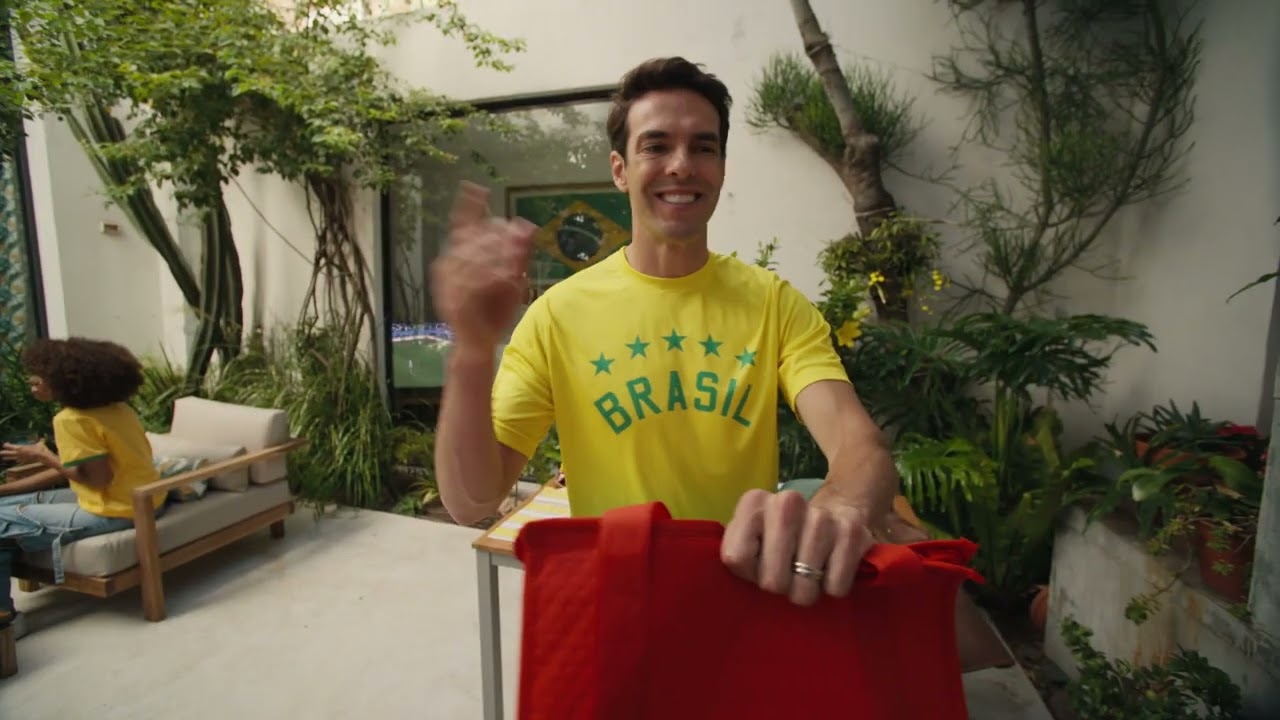
Official partnerships often fall into the same trap. Brands spend millions securing rights, only to produce work that could have been made by almost anyone.
DoorDash alongside Deliveroo and Wolt distinguished itself with a simple insight: ordering delivery means fans won’t have to miss a minute of the match.
The Deliver Us to Fútbol campaign supported this message, highlighting match-day rituals and how delivery could be genuinely useful during the tournament. More than that, the brand transformed digital signage into live scoreboards that helped fans follow game stats in real time.
And it delivered. Quick commerce category sales outperformed every other grocery channel this summer, with a year to date high on the day of England’s quarterfinal match, directly attributed to match day celebrations.
The bottom line? The strongest sports partnerships don’t interrupt the action with a brand announcement. Instead, they help consumers engage with the sport.
So who really won?
Airbnb translated football through its own brand. Bank of America used the tournament to strengthen a long-term platform. Heinz proved that clever experiences can outperform even expensive rights. DoorDash advanced the fan experience.
Four different playbooks offer one consistent lesson. The best partnerships aren’t built around sponsor assets, they’re built around clear and differentiated brand strategy.
That's ultimately what separates brands that borrow attention from those that build lasting association – not just at the World Cup, but anywhere people come together around sport.
For marketing leaders, the question isn't whether you can afford to sponsor in 2030. It's whether your brand has a credible role to play when people come together around the pitch, on the court, in the ring, or along the fairway.

