
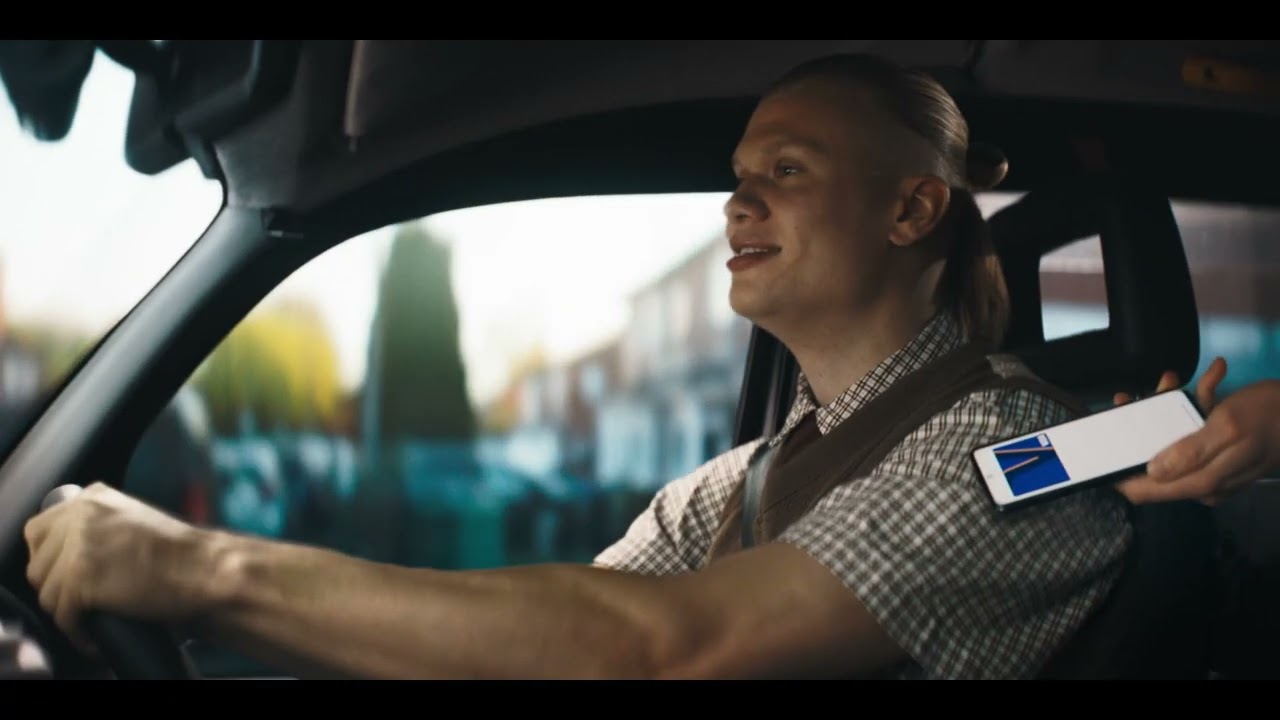
For its World Cup campaign, Visa's signed the bloke who played Ted Lasso. Building on his on-screen role as football's most famous fictional coach, Jason Sudeikis is tapping it in next to Lamine Yamal and Erling Haaland.
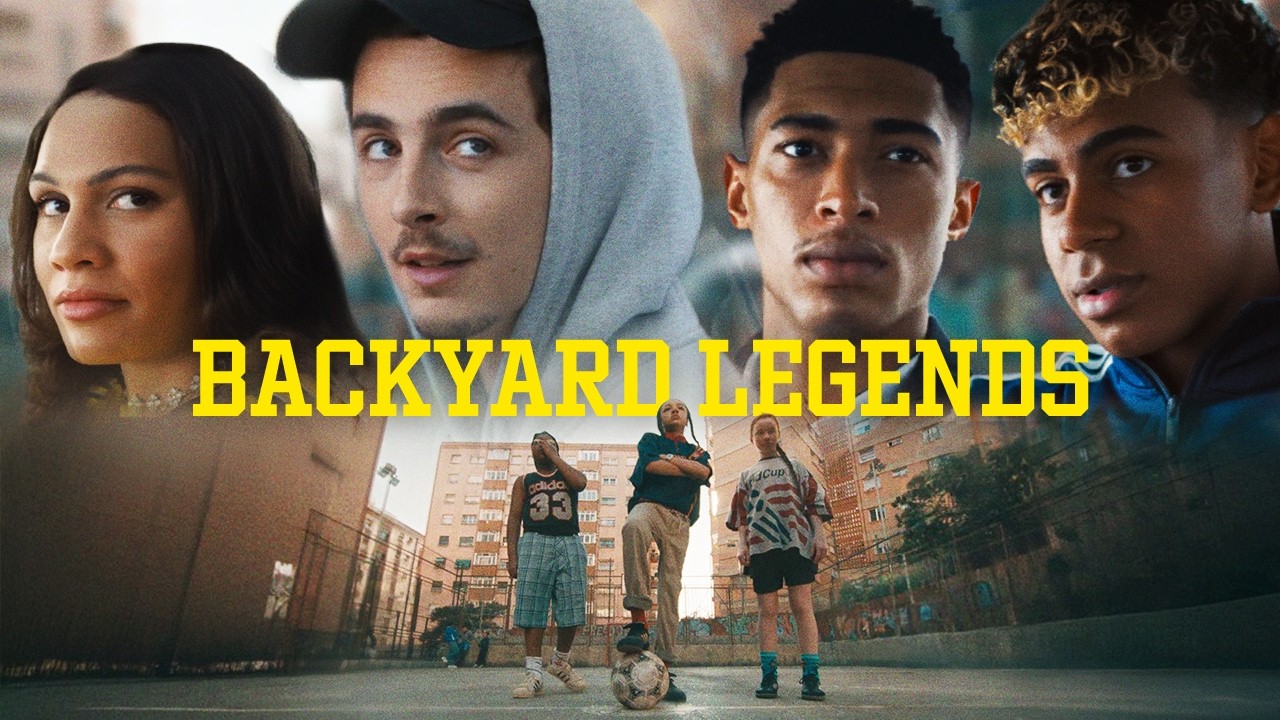
Meanwhile, Adidas is also fielding Lamine Yamal, alongside Jude Bellingham, with Timothée Chalamet and Bad Bunny as the double-pivot – and David Beckham and Zinedine Zidane bringing some age and experience to their camp.
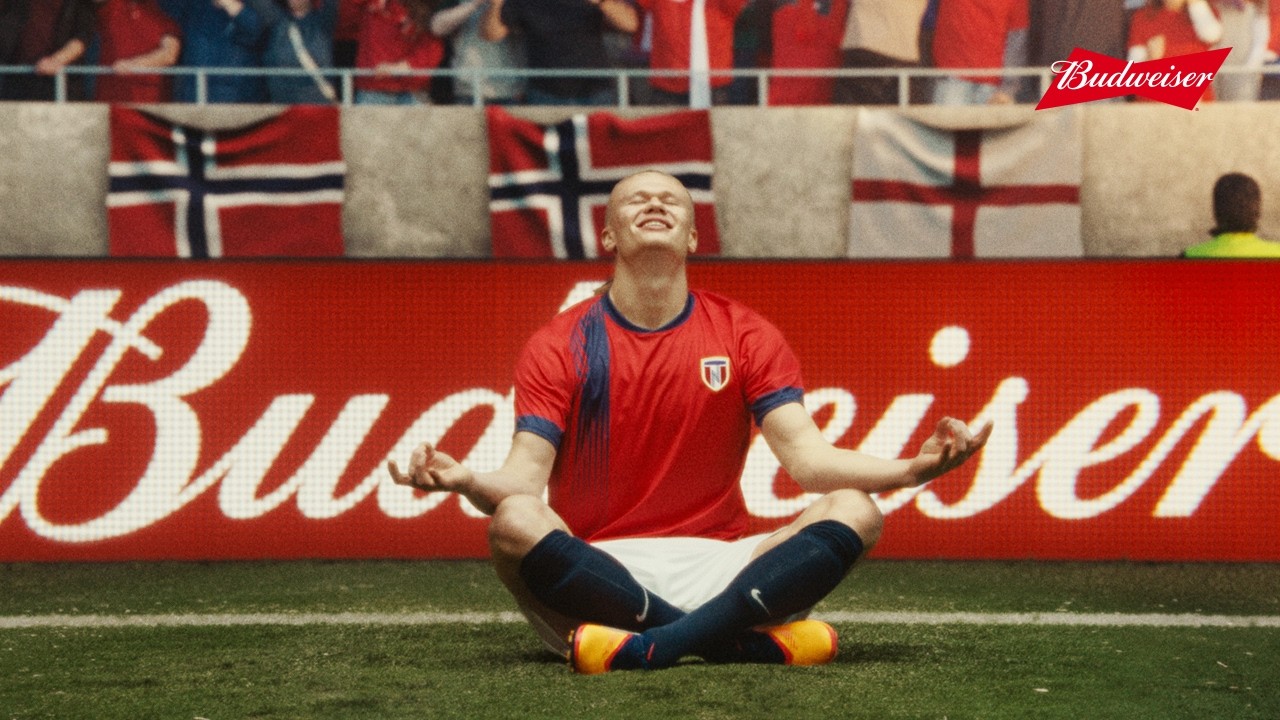
Host nation's Budweiser doesn't have Yamal but it does have Haaland. He's taking his dad, Alf, along for the ride, and swapping Pep Guardiola for Jürgen Klopp (last seen swigging Erdinger and booking via Trivago, whilst also sporting the brand with the three stripes).
Brands are collecting celebrities, players, and ex-pros like Panini stickers. In return, they get attention and word of mouth – and for the ones with no natural place in the game, some much-needed football credibility. The stars hit the numbers – views, likes, shares – the way Ivan Toney hits the back of the net from twelve yards. A marquee signing might win you a game, but can it deliver you a title?
Being seen is only the first touch
Attention gets a brand noticed. But being noticed isn't being remembered. For long-term growth, the real match-winner is memory. And memory comes from being distinctive. So how does a brand become distinct? Not by building the most expensive squad and making the most disruptive ad once every four years. But by showing up, over and over, in a way that's easy to identify and impossible to confuse.
That kind of recognition comes from a brand's identity. Identity is more than a logo, a wordmark, or a typeface. It's a whole set of unique assets a brand owns: the sound it makes, the shape of a bottle, even the colour of the liquid inside it. Sometimes, but not always, a face.
Those assets matter because most brand encounters happen in passing, without much attention at all: scrolled past in the feed, glimpsed on a hoarding behind the goal, half-heard between podcast episodes. A distinctive asset triggers the brand in people's minds and strengthens the memory of it, even when nobody's really noticing.
A distinct identity, used consistently, compounds. It makes every impression count, slowly but surely growing the brand's share of mind. So the next time someone has a choice to make, it's the one more likely to be remembered and reached for. A distinctive brand can make something out of next to nothing, a glance, a half-watched second. An indistinct one needs full focus every single time, and that's a transfer fee it can't keep paying.
Distinctive assets become timeless not by changing but by staying the same, held steady for years until a colour or a sound can trigger a brand memory the way a bell can make a dog drool. Celebrities are the opposite: timely by design, here one minute and gone the next.
Loaned, not owned
Which brings us back to the famous face. A celebrity gives you fame, not distinction. Everyone knows David Beckham, but whose face is he? Pepsi? Stella? Adidas? Hugo Boss? Uber Eats? He's fronted all of them, which is exactly why he's the face of none of them. Sign him, and you're subsidising every other brand Golden Balls plays for.
It's not celebrity bad, asset good. The famous face is the accelerant; the distinctive asset is the flywheel. The trick is to use the heat of the timely to charge the timeless. The biggest brands still make the big celebrity ads, and so they should. But a face on its own is a loan signing: when the contract ends, so does the benefit. Tie it to the assets you own, and that same spend leaves something behind.
The one-club legend
Perhaps the middle ground is not to rent a celebrity but to commit to one. Use the same star, and no one else's, for long enough, and something shifts: the loan signing becomes a one-club legend, a face that no longer just carries fame but comes to mean your brand and nobody else's. That is how a celebrity becomes a distinctive asset: fame and distinction in the same person, attention and memory in the same signing.
Gary Lineker has been the face of Walkers crisps for the best part of thirty years — long enough that we can't picture the crisp without the man, or the man without the crisp. There is exactly one Lineker, mind, and that's the whole point. While everyone around you splashes out on the latest one-season wonder, committing to a star means holding your nerve and naming the same starting XI season after season. The timely you can buy, but the timeless you have to earn — the same way, for years.
So sign the star if you like. Just make sure that when the contract's up, it's the brand people remember, and not the celeb.
Creative Bloq is now easier to access than ever before with our on-the-go app, which brings you all the content you know and love from our website, but in a super-streamlined design.

