It's a little weird if you think about it. When it comes to sports lovers, the Super Bowl only really matters to North Americans. But when it comes to the mid-game advertising, it suddenly becomes a global event.
Each February, creative departments around the world pour their best ideas into ad slots that cost millions of dollars, and the world sits up and pay attention. The best Super Bowl ads are increasingly reviewed, ranked and dissected as if they were movies. It's basically become the Olympics of advertising.
But why the Super Bowl exactly? After all, the World Cup is bigger. Not slightly bigger: exponentially bigger. Where the former draws around 120 million US viewers, the 2022 FIFA World Cup final alone attracted an estimated 1.5 billion. Across the full tournament, around five billion people engaged with the event across platforms, screens and devices.
So why hasn't the World Cup become the world's biggest advertising event? The answer has less to do with the quality of the best World Cup ads, and more to do with how advertising actually works.
Why the Super Bowl is special
A study by Stanford University found that Super Bowl advertising doesn't simply reach a lot of people: it builds what economists call a "complementarity" between a brand and the experience of watching sport. That's a big word which means, for example, that Budweiser fans don't just watch the Super Bowl – they reach for a Budweiser while watching it. Because carefully crafted advertising has, over years, made that association feel natural.
The same study found that effectiveness resurfaces weeks after the game, during the NCAA basketball tournament and the NBA playoffs. One ad in February, then, can keep working through to June.
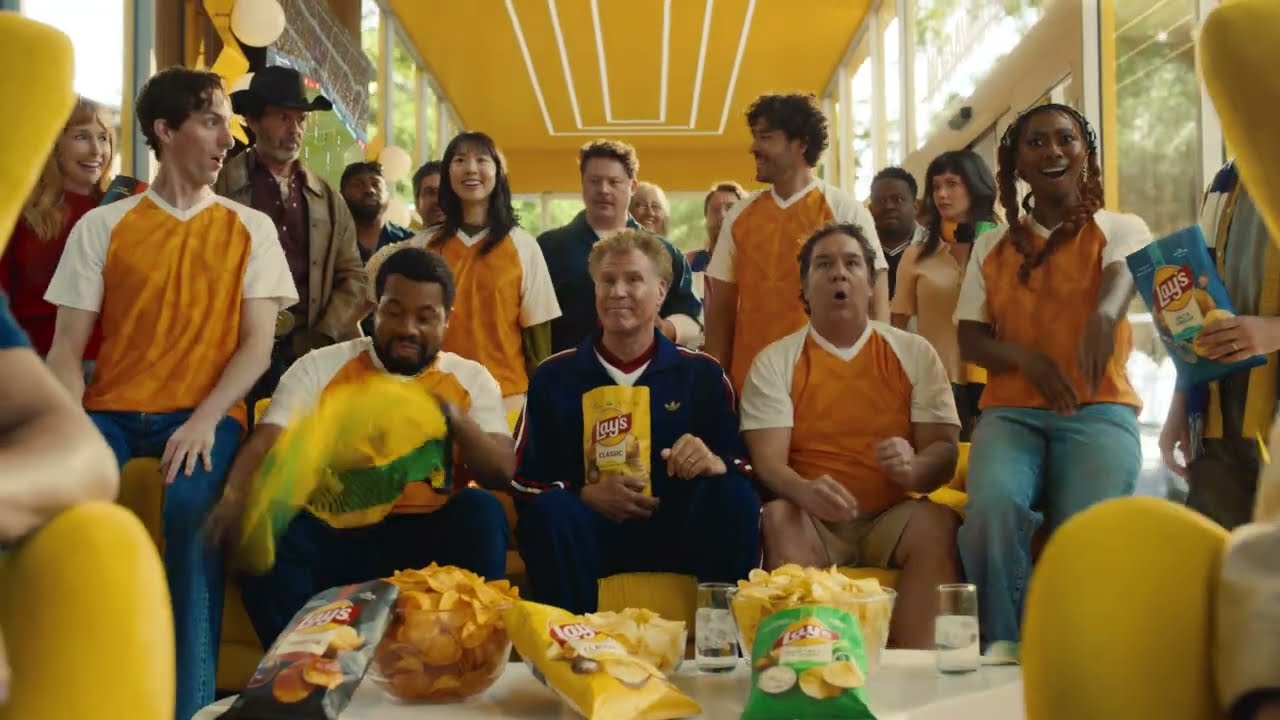
A separate study by Carnegie Mellon University found that movies advertised during the Super Bowl earn an average of $8.4 million more in incremental opening-weekend ticket sales from a $3 million ad buy. That's a return of nearly three to one, even before streaming and licensing revenues are counted.
What makes this possible isn't just the audience size; it's the concentration. One game, one broadcaster, one moment, one country. Every brand is fishing in the same pond at the same time.
How the World Cup is different
The FIFA World Cup, in contrast, operates at a different scale and spread. Rather than a single game on a single night, it runs for weeks across dozens of matches broadcast on different channels in different countries. It's all pretty fragmented.
That doesn't mean, of course, there isn't a lot of opportunity for brands, or that they're ignoring the potential. During the 2018 World Cup, for example, global ad spend reached approximately $3 billion, with a 30-second slot on Fox averaging $437,707.

And with FIFA World Cup 26 coming to the US, Canada and Mexico this summer, the tournament will land in the world's largest advertising market for the first time since 1994. Eight matches in LA alone are projected to draw around 150,000 out-of-town visitors and generate $594 million in economic impact.
What this means for creatives
For brands and the creative teams working with them, then, this World Cup presents both a challenge and an invitation.
The change: communicating across dozens of markets, languages and cultural contexts, which requires a different kind of creative thinking than a single Super Bowl spot. The invitation: no other event can put a brand in front of five billion people, all at a similar level of heightened emotional engagement.
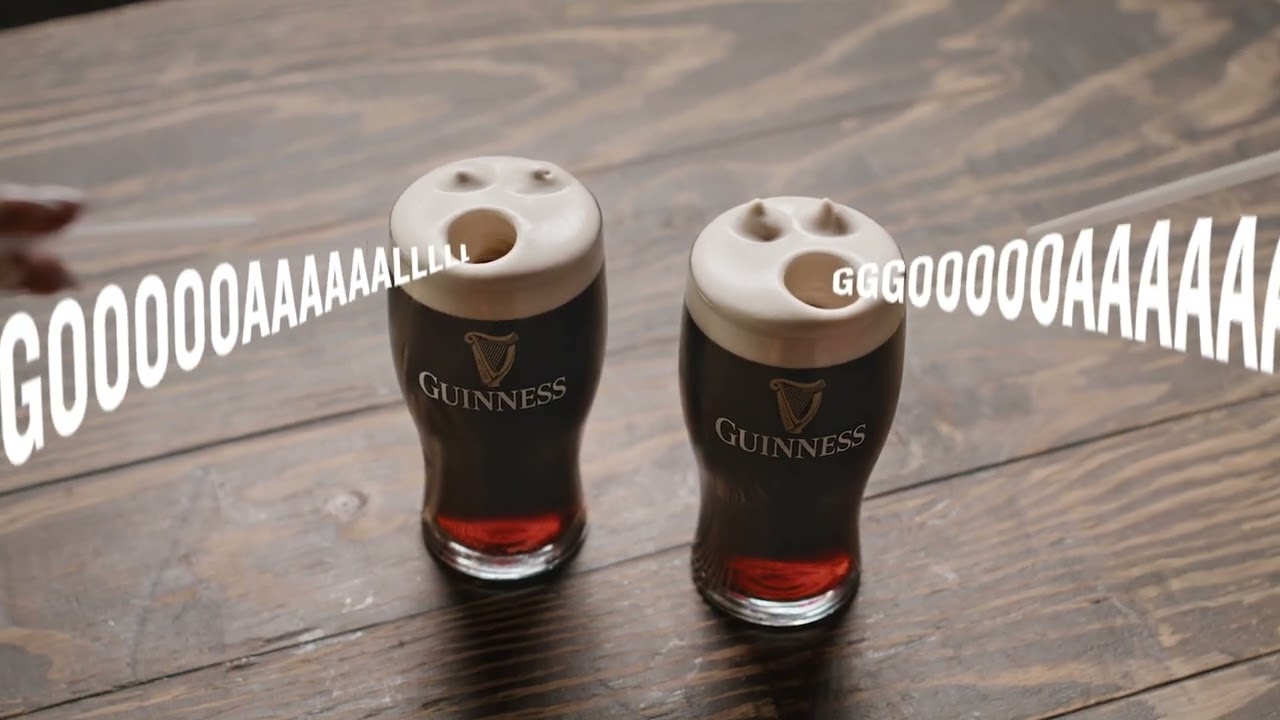
Ultimately, the research on Super Bowl advertising suggests the most effective work succeeds because it ties a brand to the experience of watching sport broadly, not just to one specific game. And if that logic holds, the World Cup's longer run and wider reach could prove a real goldmine, giving brands more time and more touchpoints to build that association globally.
The Super Bowl made advertising a cultural event. The World Cup could make it a truly global one. To the victor, the spoils. Good luck everyone!