
Next year will mark 150 years of the Quaker Oats Man – one of the first-ever brand mascots created specifically to convey the Quaker values of integrity, honesty, and purity. While Kellogg’s iconic Snap, Crackle, and Pop date back to the 1930s, these personalities are mere youngsters compared to the man in the broad-brimmed hat; a trademark registered by the U.S. Patent Office in 1877.
Characters such as these, as well as the likes of the Michelin Man, Mr Peanut, and Tony The Tiger, were ‘recognition era’ mascots – essentially, identifiers built for memory and distinctiveness and to be recognised as brand characters. Next up, we saw the rise of ‘personality era’ mascots – storytellers built for entertainment and emotional connection – from The Duracell Bunny to Ronald McDonald and the PG Tips Monkey.
For too long, however, mascots have been dismissed as tools to sell products, rather than to build brands. And, as the industry moved towards cleaner, system-led identities, many were quietly phased out in pursuit of ‘credibility’.
From brand recognition to brand behaviour
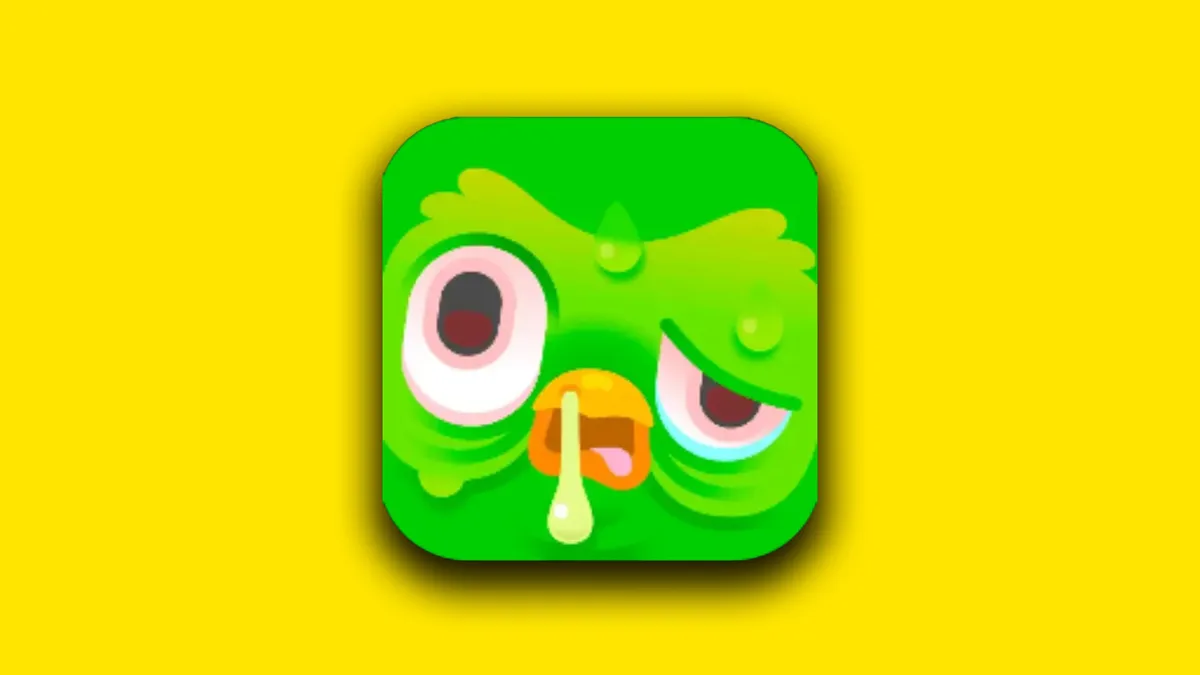
That logic no longer holds. Brands no longer live in controlled environments. They exist in feeds, in culture, in conversation. The complexities of social media have changed the game – bringing luxury next to memes, folding finance into TikTok and merging culture with commerce. In this world, recognition alone doesn’t hold the weight it once did.
Instead, brands are expected to respond, to entertain and to engage at light speed. They are expected not just to be seen, but to behave. So, today we see what have become known as ‘behaviour era’ mascots, those acting as active participants, built for interaction and presence and to represent the brand’s behaviour.
In this era, brands are not bringing mascots back simply because they can. There is a growing recognition that static brand assets can’t keep up with culture. Grids, typefaces and photography remain brand fundamentals but, today, it’s critical to stay current, and in tune with culture, across platforms such as TikTok and Instagram.
Take Duolingo’s owl and its chaotic, participatory content, or Jake from State Farm stepping into long-form entertainment, starring alongside Kate Hudson on Netflix series Running Point. This year’s Super Bowl also featured a wide variety of brand characters, from old-school to AI-enabled, with Budweiser bringing back its Clydesdales, Pepsi co-opting Coca Cola’s polar bear and, of course, Swedka Vodka’s AI-generated robots.
These aren’t just isolated moments. They point to something bigger. Today, the role of the mascot is no longer there to decorate the brand. It can deliver it, as an embodiment of brand behaviour.
A living, omnichannel ecosystem
Today, brands are living experiences. It’s not enough just to create recognition, you need to interact. This puts traditional assets under pressure. But a mascot can translate strategy into something people can feel and connect with. It can turn abstract positioning into behaviour.
Whereas, previously, brand identity systems were designed for consistency, now they need to be designed for performance. Platforms such as Snapchat have reset expectations. Brands aren’t merely broadcasting messages; they’re participating. They’re expected to react in real time, to engage, to entertain, and to hold attention in environments that move at speed.
A logo can’t do that. A grid can’t do that. But a character can. And mascots can make brands recognisable through behaviour.
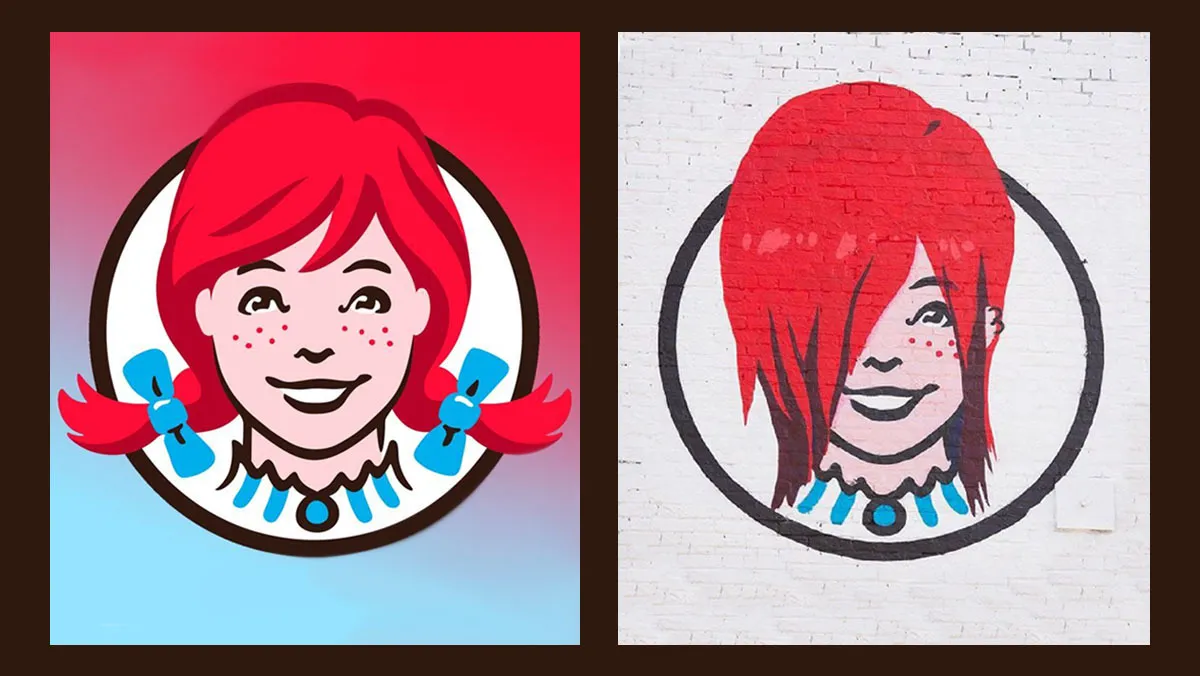
A clearly defined and well executed mascot becomes an omnichannel interface. Duolingo’s owl does not simply represent the brand; it delivers it. It nudges, jokes, pressures, rewards. Likewise with Wendy’s, which has built a cult following with a persona that roasts competitors and celebrities alike on social media. For this brand, the mascot and the logo double up which provides more opportunity to show up in different ways – Wendy may choose to take on a punk hairstyle in Camden, for instance.
In this way, mascots can translate strategy into something people can feel. They turn positioning into personality. And they can create and maintain connection over time.
Even in more complex categories, mascots are proving indispensable. Slack’s return of Slackbot in its new AI-driven agentic operating system points to this same phenomenon. As products become more abstract, brands need human ways to express them, and this is as relevant in B2B tech as it is in consumer branding – if not more so. A mascot can connect and guide.
Mascots have always acted as symbolic connectors, translating identity into something universally understood; take the Olympics, where characters express identity and shared experience in a universally accessible way. Brands are now applying that same principle to create meaning that travels across audiences and geographies. In a fragmented world, this role becomes even more valuable. Familiarity no longer comes from repetition alone. It comes from recognisable behaviour over time.
Supercharging mascots through AI
The brands getting this right aren’t adding mascots as a layer. They build around them, designing characters as companions that guide, reward, and drive progress across the entire brand experience. This is where AI comes in.
The return of brand mascots isn’t a passing trend
If mascots are about behaviour, the challenge is scale. Brands must show up consistently, in real time, without breaking. AI can enable brands to respond, adapt and maintain presence at scale and across channels without losing coherence or credibility. It can shift mascots from something you deploy to something that is always on.
The return of brand mascots isn’t a passing trend. It’s a structural shift which unlocks a new model; one whereby brands are not just expressive, but responsive. Mascots can bring warmth, continuity, and recognisable behaviour across every touchpoint, making brands feel present rather than just consistent.
A structural shift in brand connection
To do all this, mascots need to bring behaviour to life in new and immersive ways and to evolve with culture and consumer needs. They cannot be treated merely as fun accessories for a brand and they cannot exist merely to sell. Instead, they provide a route to connect with consumers across multiple interfaces; bringing brand values and behaviour to life - showing us, rather than telling us, what a brand believes in, and why it exists.
The way a mascot shows up, both digitally and physically, can blow up the brand
This carries a lot of weight. The way a mascot shows up, both digitally and physically, can blow up the brand. But for this to work, it’s important to be bold and authentic. While AI can take some of the heavy lifting, first and foremost a brand must be willing to articulate its voice and its standpoint.
For more on mascots, see this piece on why we think they're 2026's most important brand tool or check out Wikipedia's latest mascot.
Creative Bloq is now easier to access than ever before with our on-the-go app, which brings you all the content you know and love from our website, but in a super-streamlined design.

