For a moment back there, the smartphone was the coolest gadget on earth. The original iPhone kickstarted a seismic shift in how technology influences and integrates with our lives. But as the iPhone approaches its 20th birthday with the all-but-guaranteed launch of a folding mode on the horizon, it's hard to avoid the gnawing question: doesn't it all feel a bit boring?
The ills caused by overuse of smartphones are well documented by now. Just this week, they were given the dubious honour of being blamed for falling fertility rates in the US. And the UK has just passed a law banning them for under-16s. But in the tech world, a world that lives and dies by the pursuit of the 'new', the fact that the iPhone feels stale is perhaps the most existential problem of all.

Sure, on a technical level, the iPhone is better than ever. The best iPhones for photography have stunning cameras, screens are sharper than ever and processors are frankly more powerful than 99% of the population require from a pocket computer. But when was the last time a new phone genuinely blew your mind? Back when the iPhone 16 was launched, I lamented the lack of innovation on show, and the feeling has only grown. Whereas the first few generations for completely distinct from one-another, the last seven-or-so iPhones have felt somewhat indistinguishable.
That's why rumours of the folding iPhone, or so-called iPhone Ultra, have generated so much hype. Finally, something different. A fresh form factor. The next generation of the smartphone.
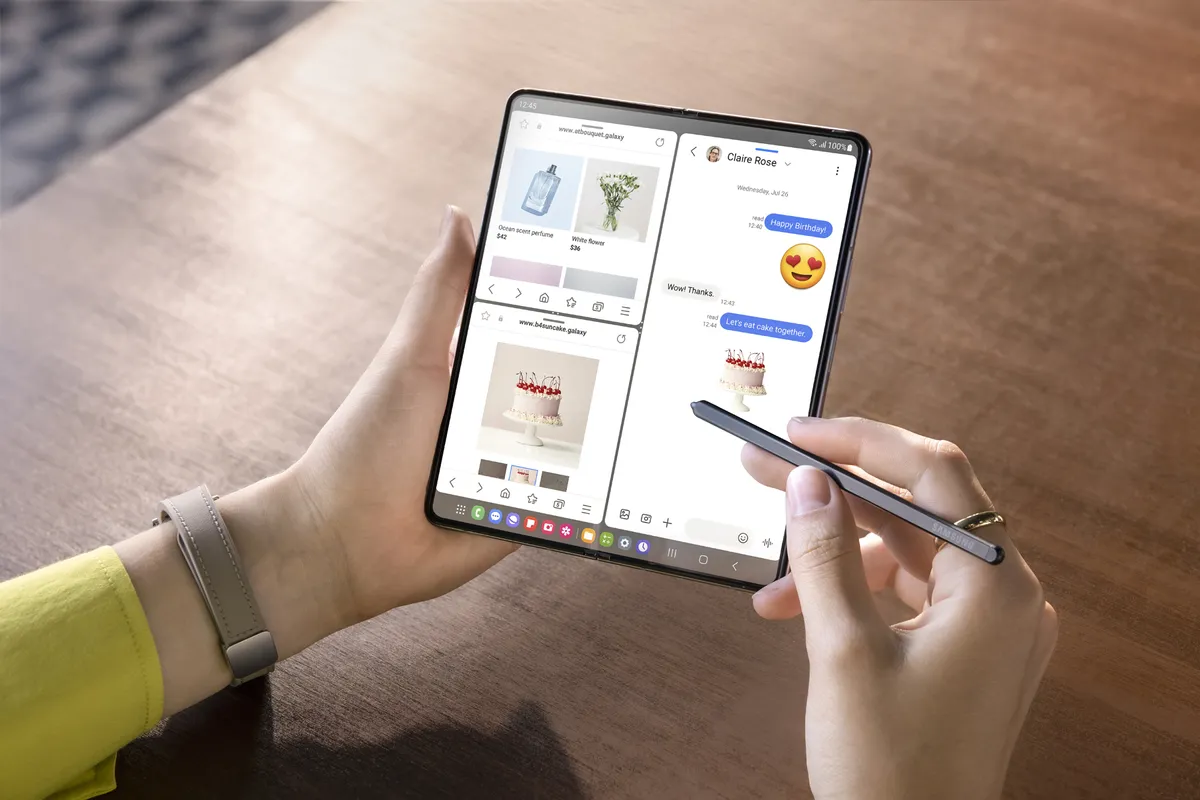
Or is it? Do foldables actually feel futuristic anymore? Samsung launched the first Galaxy Fold way back in 2019. Since then, we've seen folding phones from Google, Honor, Huawei and Motorola. What once looked like sci-fi is starting to look a touch passé.
Of course, if Apple does it, it will do it well. We've seen varying levels of success with the flexible screen tech from the aforementioned brands, but Apple's philosophy of being 'best, not first', might well thrust foldables into the mainstream. The iPhone wasn't the first smartphone, the Apple Watch wasn't the first smartwatch, even the iPod wasn't the first MP3 player. Not that this approach is any guarantee of success; Vision Pro wasn't the first VR headset, and look how that went.

But with the tech conversation shifting so firmly towards AI in the last few years, could Apple's next hardware revolution be too little too late? There's an increasing sense that unlike manufacturers, users aren't obsessing over shapes and specs anymore. It's all about what a device can actually do; whether it actually makes for a helpful digital assistant. Software, not hardware, is what everyone's talking about. Which might explain why some of those early attempts to create physical 'AI gadgets' bombed so spectacularly.
With Apple's AI rivals circling, and ex-Apple designer Jony Ive yet to reveal the hardware project he's been working on with OpenAI, the future of the iPhone feels less certain than ever. I'm not convinced a crease down the middle of a screen is going to be enough to make the iPhone feel new again.