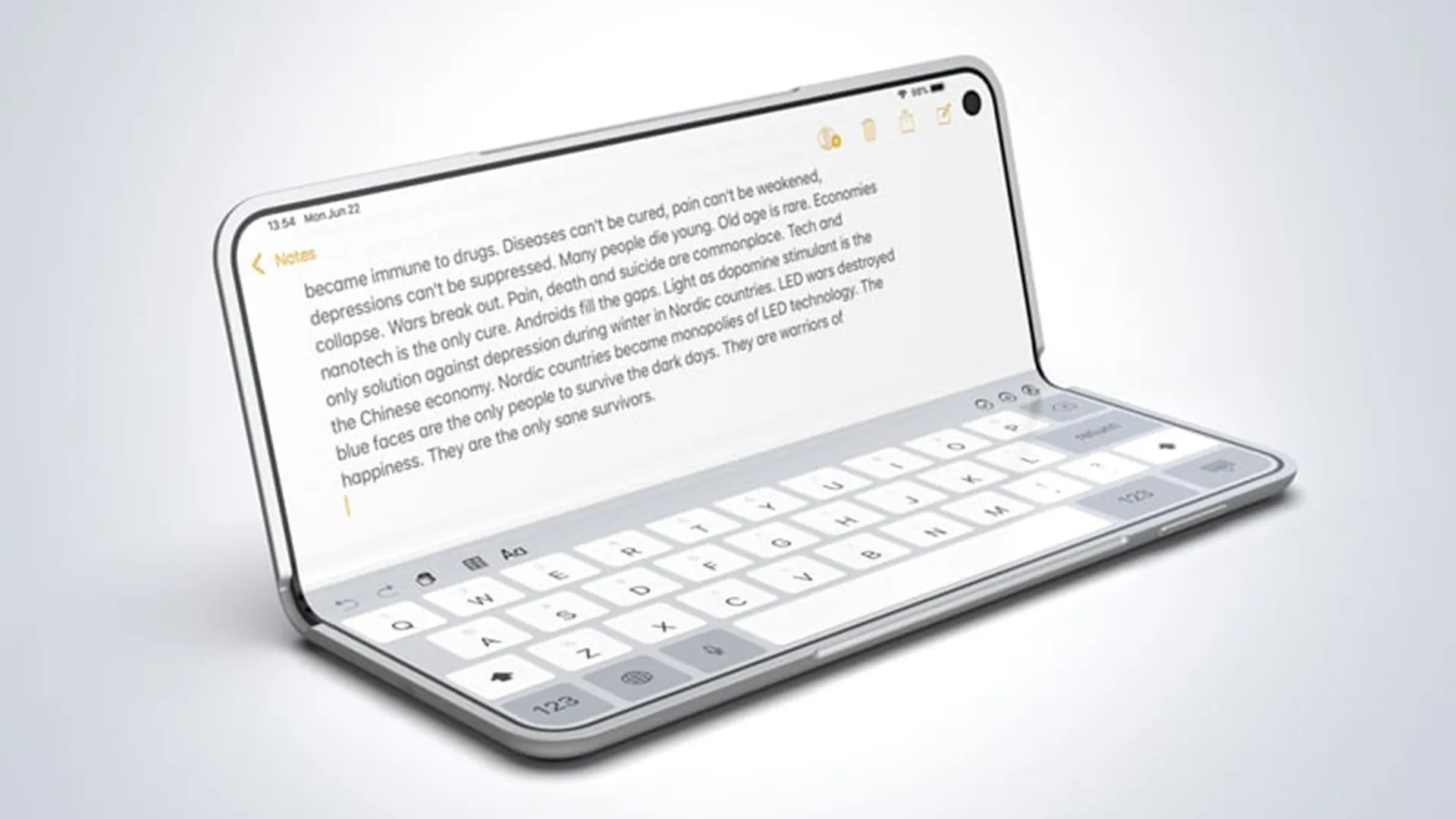
By now, it looks like we have a pretty good idea of what to expect from Apple's folding iPhone, rumoured for release later this year. For one thing, it probably won't be called the iPhone Fold, with Apple likely to adopt the 'Ultra' moniker from the Apple Watch line up. But if new reports are to be believed, the iPhone Ultra might be making some technical sacrifices.
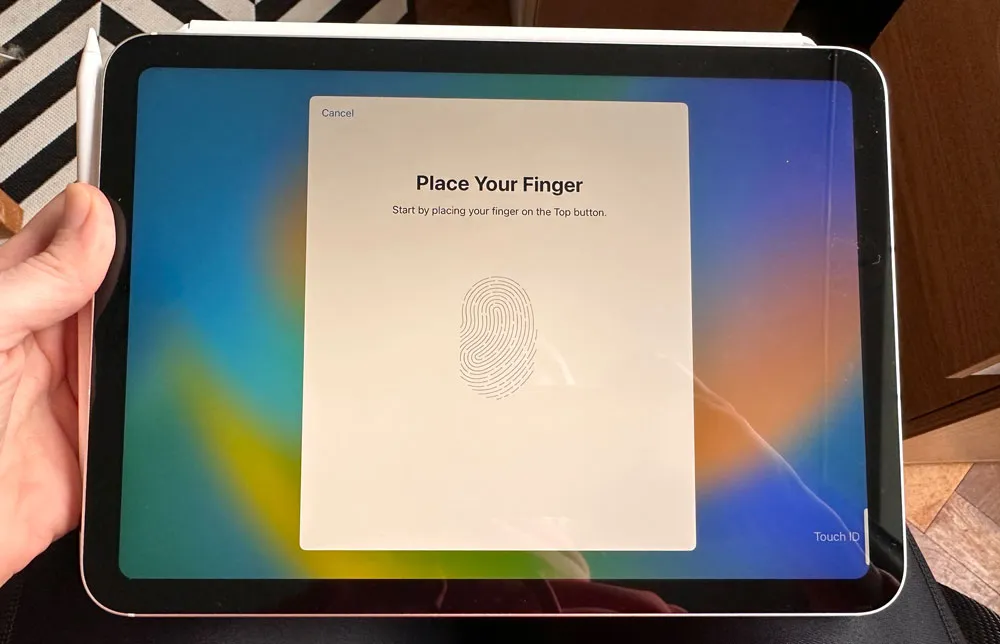
The folding iPhone is said to be doing away with Face ID, instead leaning on the older Touch ID technology to allow users to unlock the device. This is an unusual step backwards for a supposedly premium device (that's said to be coming with an 'ultra' price tag of around $2000). But there's a reason for the change.
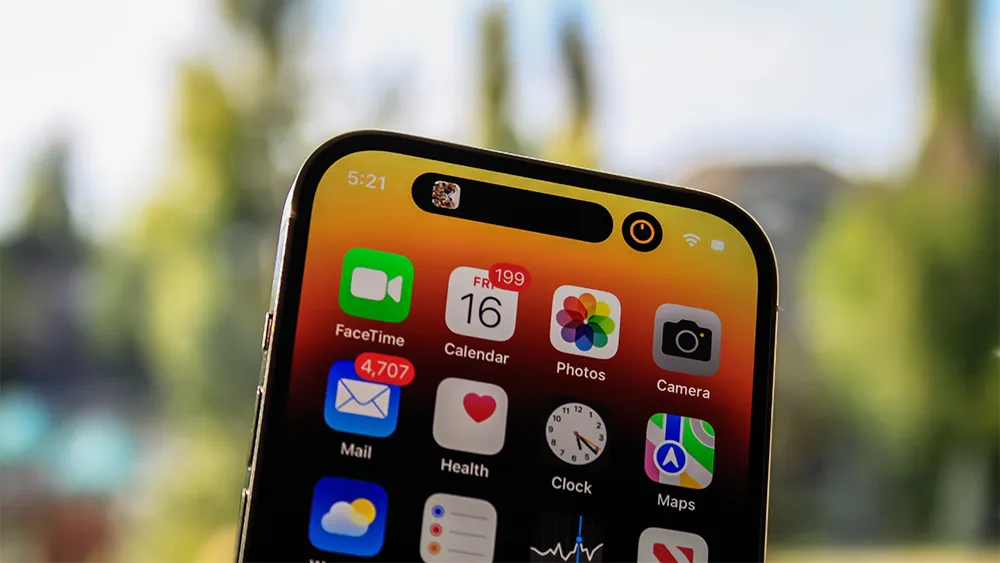
According to seasoned Apple leaker Mark Gurman, the iPhone Ultra features a display and body that's simply “too thin to accommodate the Face ID sensor array.” For this reason, much like the iPad Air, the iPhone Ultra will instead use the older fingerprint scanning technology, most likely housed within the Power button.
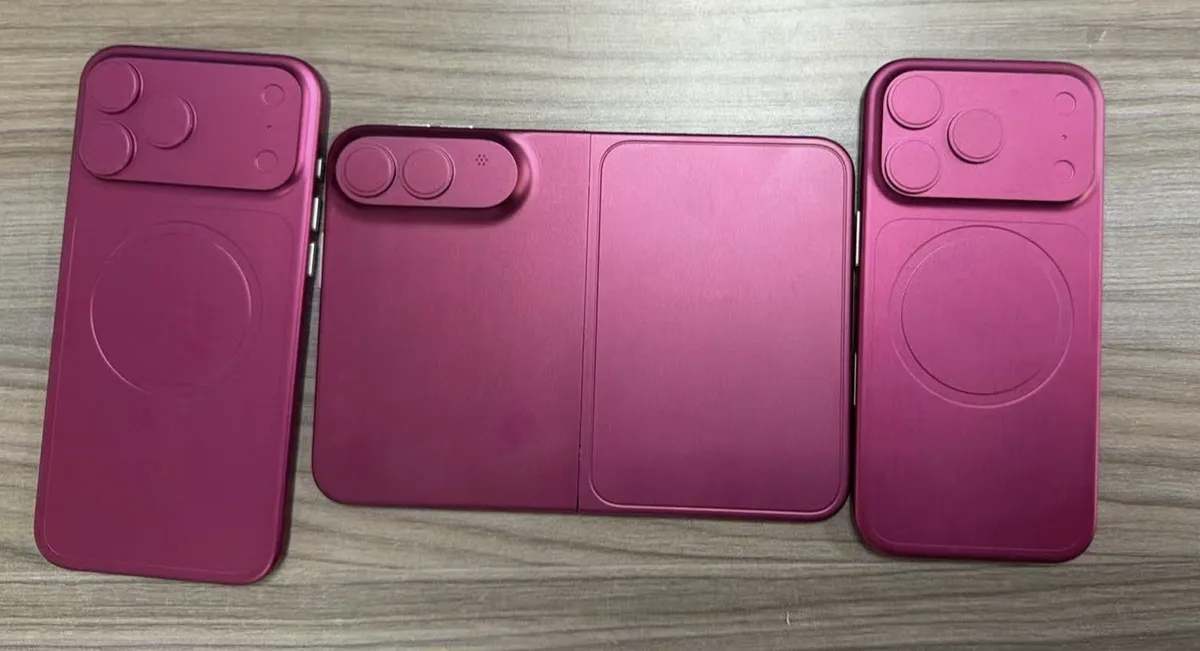
While it might seem disappointing that the iPhone Ultra is set to jettison a feature that's been a mainstay of the entire iPhone line up for a while now, for my money, it makes sense. With a folding iPhone, portability and thinness is going to be more important than ever. New dummy models purporting to show the dimensions of the iPhone Fold next to the iPhone 18 Pro have revealed that, particularly when closed, the iPhone Fold could be the most diminutive iPhone in years – whilst also packing by far the largest display.
As a fan of the iPhone mini, and someone who has lamented the shift towards ever bigger devices, I'm all for a folding iPhone that isn't massive when closed. If forgoing Face ID is one way of making that happen, so be it.