



The top three movies at the US box office on Thursday were The Amazing Digital Circus: The Last Act, Backrooms and Obsession. All three were made by young directors who began on YouTube and have brought Gen Z viewers to cinemas in droves for very little money.
It's a sign of a fundamental shift in the film industry. YouTube and other social platforms are now seen as the saviour rather than the destroyer of cinema. We'll hopefully see more creative films like these recent releases as a result (see our guides to the best laptops for video editing and the best video editing software if you're getting started yourself), but the new reality of filmmaking isn't going to be all good.
![Digital Circus Ep 9 Finale [TRAILER] - YouTube](https://img.youtube.com/vi/AjFk1cY265I/maxresdefault.jpg)
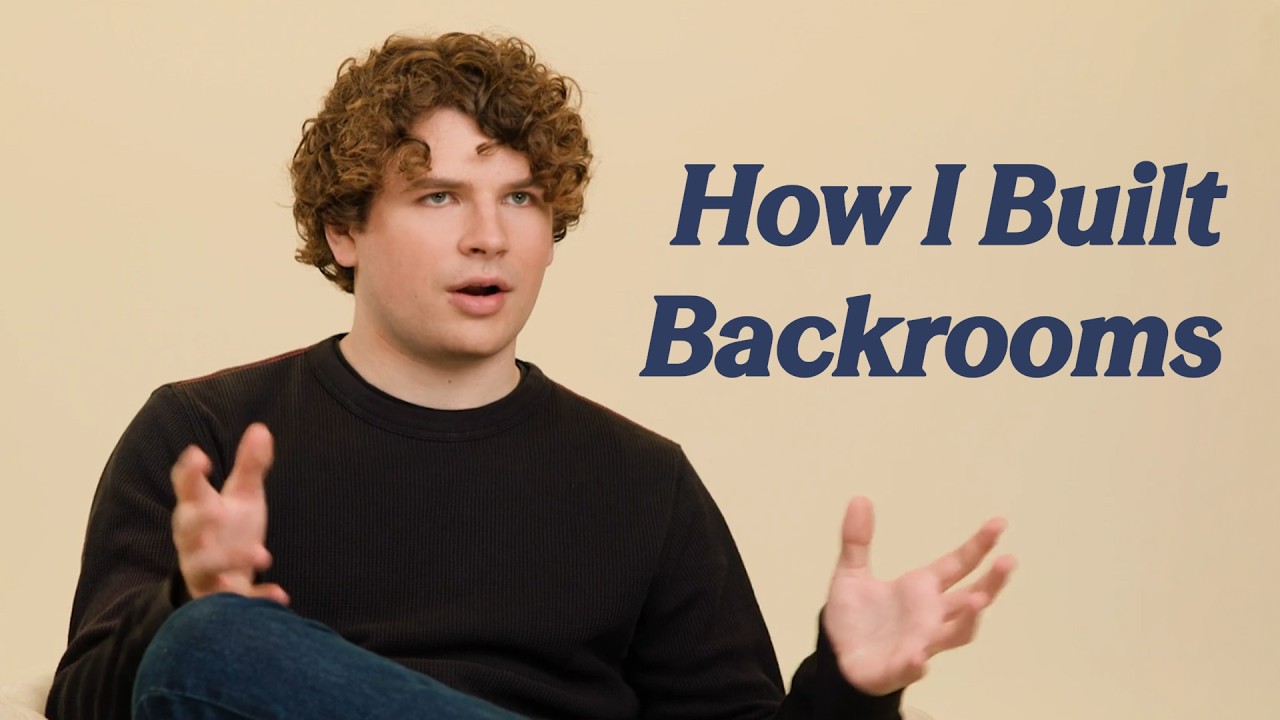
Backrooms began life as a series of shorts on YouTube four years ago, when director Kane Parsons, then 16, was tinkering around with Blender, the free 3D animation software. His feature film cost $10 million to make and has grossed over $200 million. For context, 2.5 to 3 times budget is typically seen as a good return for a Hollywood movie.
The Amazing Digital Circus: The Last Act, the finale of a cult animated web series from YouTuber, animator and musician Gooseworx, made $7.86 Million in its opening day on Thursday. Obsession, which was reportedly made for under $1 million has grossed over $200 million. It didn't begin on YouTube itself, but its 26-year-old director Curry Barker cut his teeth on the platform in the sketch duo That’s a Bad Idea. It was his first feature Milk & Serial going viral on YouTube that got the attention of United Talent Agency (UTA).
In a recent interview with GQ, Matt Damon described Christopher Nolan's upcoming epic The Odyssey as "the last chance I was going to have to do something like this" because of the direction the film industry is going. That nostalgia is understandable as low-budget YouTube to cinema becomes the new pipeline for movies that aren't part of an existing franchise.
It's so easy to see the appeal to producers and distributors that it seems strange they were so late to cotton on. Successful YouTube creators have what they need: the attention of large young audiences and a proven concept that they've already been able to deliver with relatively little money.
YouTubers understand audiences most astutely than Hollywood. Their film school is the instant feedback they receive day after day in the form of likes and comments on their work.
IndieWire reported that during a panel at Cannes on the Future of Filmmaking panel, experts said that movie financing no longer involves evaluating individual films on artistic merits. Instead, "investors now need to see a pre-existing relationship with an audience".
In an interview for the Toronto International Film Festival (below), Kane describes feedback on YouTube as a muscle that sharpened his instincts as to what worked and what didn't with the original Backrooms.
YouTube really has democratised creativity to an extent. It allows any filmmaker to prove themselves without needing connections or formal training, and it provides a place where niche voices that would never have been considered by a major studio can find a global audience. That Hollywood is now taking notice could lead to interesting original work coming to the big screen.
But brace yourself for what comes next. YouTube is democracy guided by algorithms, and virality often doesn't mean quality. For every gem like Backrooms and Obsession, we're going to see a lot of slop getting made as all the big film companies realise they're late to the party and start searching for the next Curry or Kane without really knowing what they're looking for.
They might not care too much whether they make the right choices either as long as it's cheap. Meanwhile, potentially great movies won't get made if they haven't been able to already demonstrate viral potential.
Take the recent announcement of a trio of AI animations for Amazon. The company created a GenAI Creators' Fund to identify social media creators with big followings and give them access to its AI film production platform. The first selections include a KPop Demon Hunters mockbuster starring a controversial kidfluencer and a talking cupcake who's sparked plagiarism claims.
The idea that YouTube can save the cinema also assumes that young creators will want to save it. Some of the traditional media have been interviewing Kane and Curry as if they have suddenly made it big now that they have box office hits. But they already made it years ago.
Netflix says it's not interested in working with directors who want cinema releases, but will new filmmakers be bothered about either when they can bypass traditional gatekeepers completely? Social media is where they found their inspiration growing up and it's where they have their audiences. YouTube isn't just a jumping off point but an end in itself. Young creators might not even see a cinema release as a goal to aspire to.