
The Material Girl is back, this time with Confessions II, a sequel to her 2005 album. And rather than settle into legacy status, Madonna has done what she does best: re-insert herself back into the cultural sphere, on her own terms, with content designed to appeal to today’s audiences. Kick-started by her return to Coachella’s main stage, she’s curated her image, tapped into new audiences and has done it alongside a cast of recognisable, culturally relevant faces.
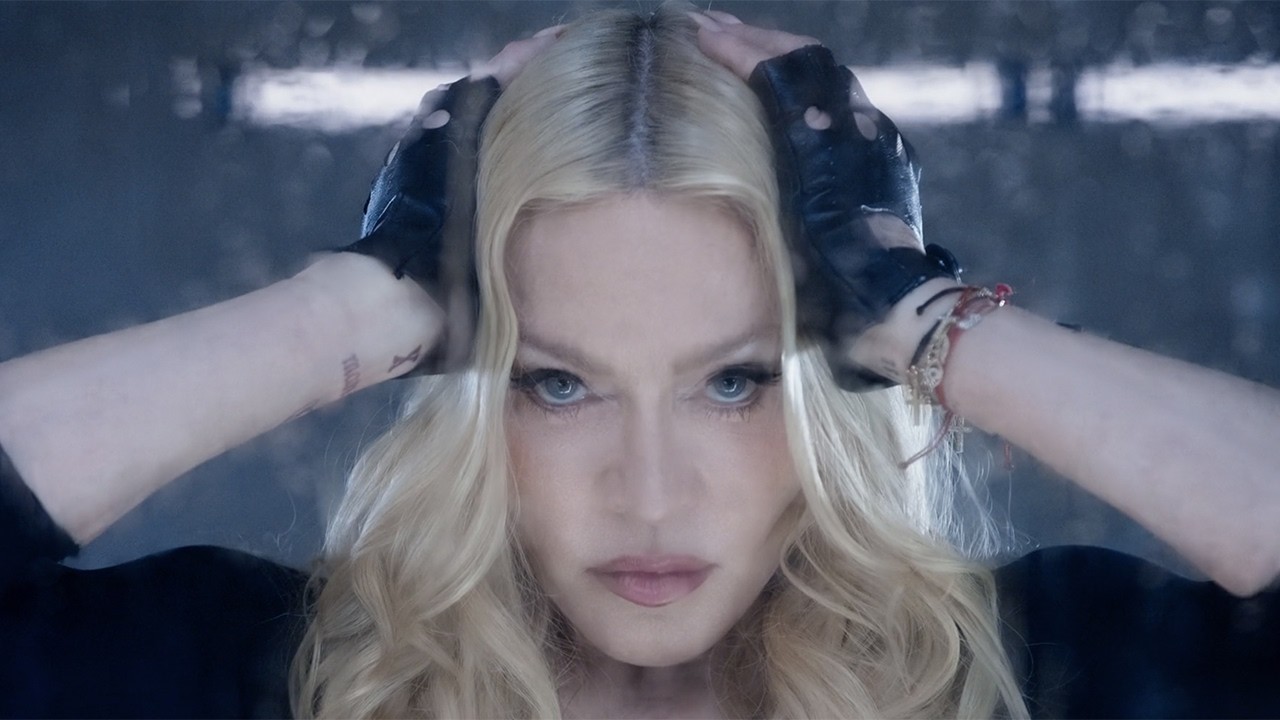
Ahead of the album launch, Madonna launched a 13-minute, film-style video that moves through the track list. Part music video, part cultural moment. While it’s a familiar play (think Taylor Swift’s All Too Well short film), it’s a smart one which gives Madonna the chance to generate cultural discourse in a standout way. The stylised video is packed with creative talent from across culture that cuts through, and avoids any risk of going under the radar.
Timed perfectly to build momentum ahead of her FIFA World Cup Halftime Show co-headline appearance, one thing is clear: Madonna is back, and it’s a deliberate return. She isn’t revisiting past relevance; she’s positioning herself in the centre of culture and is primed to reclaim the ultimate pop star mantle for all generations.
The strategy at play
Since her debut single dropped in 1982, the music industry rules of engagement have changed. It’s no longer about physical album drops or even the downloads of the early 2000s; it’s streams and TikTok virality that counts.
Artists are no longer just releasing music; they’re chasing cultural and scroll-stopping moments to cut through in a constant, fast-moving content machine. Zara Larsson is a good example of how this plays out: her Midnight Sun campaign and tour built momentum through shareable moments, helping her 2015 track Lush Life resurface and climb back into the UK top 10 a decade later.
Gen Z engages with artists very differently, and it’s even more noticeable in how they interact with legacy artists. They don’t follow careers linearly or treat legacy with reverence; they remix it, reframe it and make it their own. Madonna’s catalogue found new life on TikTok earlier this year. From dance trends to unexpected creators like Heated Rivalry star, Connor Storrie, going viral to 'Like a Prayer', her music is being pulled into new cultural contexts.
While Madonna’s return feels organic, it’s considered, and there’s a very clear strategy at play, seeded through the right faces in the right spaces. Collaboration has become more than a feature; it’s a moment, and the element of surprise is key. Even if a collaboration makes sense creatively, like Madonna and Sabrina Carpenter sharing a stage, both similar cultural figures for different eras, it's the unexpected appearance that made the headlines and drove conversation, not just the who but the how and when.
Madonna has brought the same thinking through to the Confessions II album. Cole Palmer and Joao Pedro were highly unexpected features in the teaser film. As footballers, they are iconic in their fields and hold considerable brand power, but within the realm of pop music, they’re a surprise feature.
Kate Moss, on the other hand, slots in seamlessly, mirroring the aesthetic and tone. Together, it paints a bigger picture: Madonna moving across cultural spaces without constraint. Nowhere is off limits. No one is outside her network. The message is clear: Madonna isn’t chasing culture; she’s positioning herself as part of all of it.
The legacy
Across all generations, Madonna hasn’t just sat at the edge of culture, she’s defined it. Pushing music outside traditional boundaries, she’s built something bigger than her music: a persona, a brand, a point of view. She’s spent her career shaping culture, not reacting to it. What we see now is a shift, less about defining the edge, more about positioning herself within culture to stay part of the conversation.
It's not about chasing relevance for her new album, it’s about maintaining cultural fluency. Madonna has worked hard to remain visible, vocal and provocative throughout her career, which keeps her part of the conversation rather than preserved as nostalgia.
Kylie Minogue deployed a similar strategy with her 2023 hit song Padam Padam. These aren’t artists who are interested in being freeze-framed in a past era; they are evolving brands that are still resonating with long-standing fans while opening themselves up to the new and younger audiences now shaping pop culture. Madonna is back, we’re calling her name, and it feels like home.

