



Our Verdict
A riotously colourful punk-rock action RPG with clever combat systems and bags of personality, Stupid Never Dies is fun once it clicks, though repetition and awkward targeting frustrate.
For
- Fizzy, inventive art direction
- Clever Styles and upgrades
- Plenty of personality and gags
Against
- Repetitive dungeon grinding
- Combat lacks precision and combo depth
Why you can trust Creative Bloq Our expert reviewers spend hours testing and comparing products and services so you can choose the best for you. Find out more about how we test.
Publisher Sega
Developer GPTRACK50 Inc.
Release date 20 October
Format PS5 (reviewed), Xbox Series X|S, PC (Steam)
Platform Unreal Engine 5
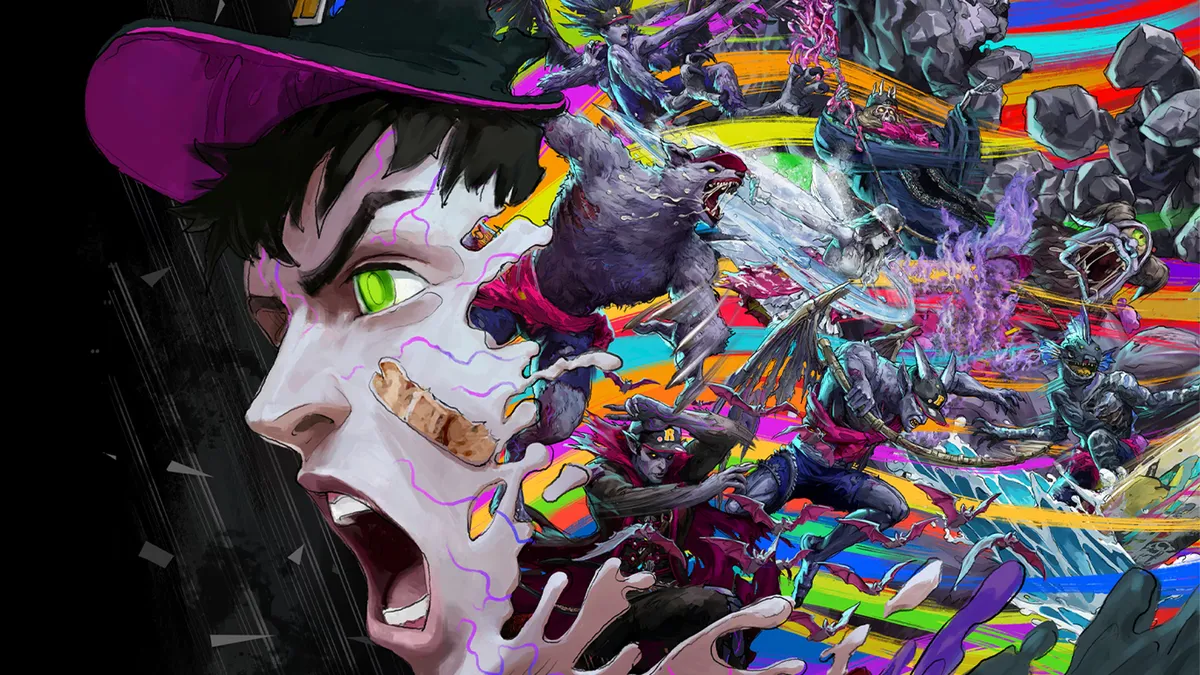
The heart of Stupid Never Dies is as old as dirt, with a twist: Davy, a zombie, wants to bring a dead girl back to life because he's fallen in love with her. There's a slight snag in this plan, beyond the whole being-dead business: Julia, the girl in question, has never actually met him, so she's not really his girlfriend. Davy doesn't see it that way, naturally, and off he goes into a demon-infested underworld to defeat ‘KOM’ and collect the tech he’s been convinced he needs to defrost her, presumably without much thought for what happens when she wakes up and discovers her devoted ‘boyfriend’ is a complete stranger, and undead.
It's a peculiar setup, and the more you think about it, the more uncomfortable it gets. Back in the human world, Davy picks his nose while his adopted mentor ‘Dr Frank’ explains the plot, rolls around on a Zumba and generally behaves like a man/boy who's never had a sensible thought in his entire undead life. He's a shambling, slow-witted mess, barely interested in anything beyond his own romantic fantasy; then you send him down into the dungeons, and he turns into this zippy, aggressively cartoonish brawler designed around ridiculous transformations – a Mereman that can surf on enemies – and the idea that there’s zero defence and all offence, because ‘stupid never dies’.
A riot of colour and ideas
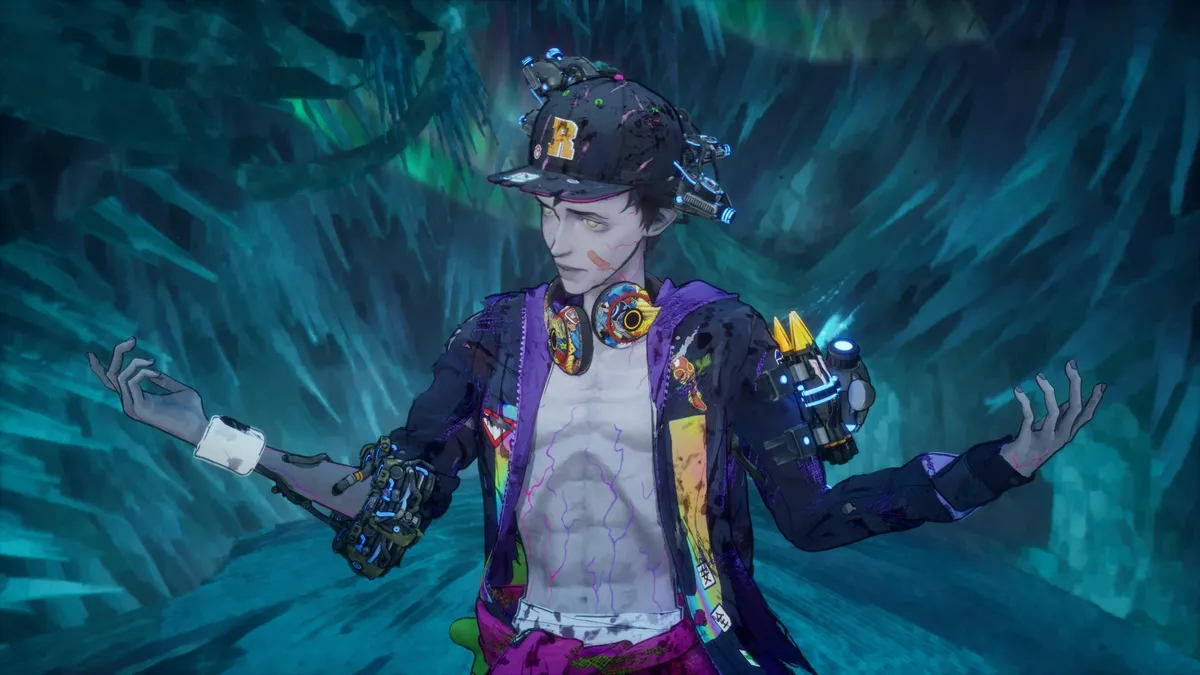
The art direction, made in Unreal Engine 5, is fizzy, chaotic fun, a surgical mash-up of anime, punk, graphic design, pop art, manga and even some stop motion animation and scrapbooking for good measure, that feels like somebody's put Spider-Man: Into the Spider-Verse and Persona 5 in a blender with a bunch of '90s zines and then decided the result needed more colour and a bit of punk’s irreverent attitude. Every menu, character animation, and little flourish seems to have something going on, and I kept finding myself smiling at the sheer cheek of it all. No doubt, Stupid Never Dies will be challenging Romeo Is a Dead Man for the year's most inventive visual design.
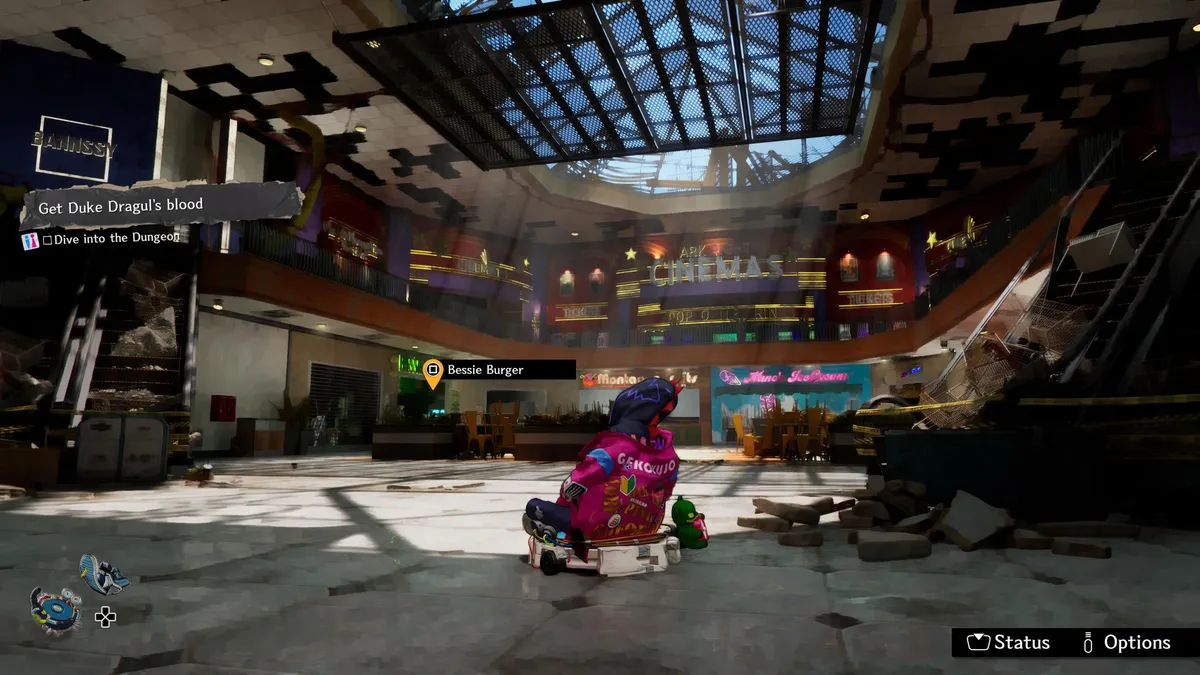
The human world, Davy’s mall, has a stark, almost photographic realism, with graphic design and physical details that make it feel solid and lived in, while the demon realm is painterly and splashy, full of loose details and exaggerated shapes. As Davy descends, he runs and brawls through scattered memories of human history, a bit of Norse ice and wind here, a spot of Roman volcanic tragedy there, though these are less sprawling worlds to get lost in than a series of very gamey narrow locations, backdrops as gauntlets to fight your way through.
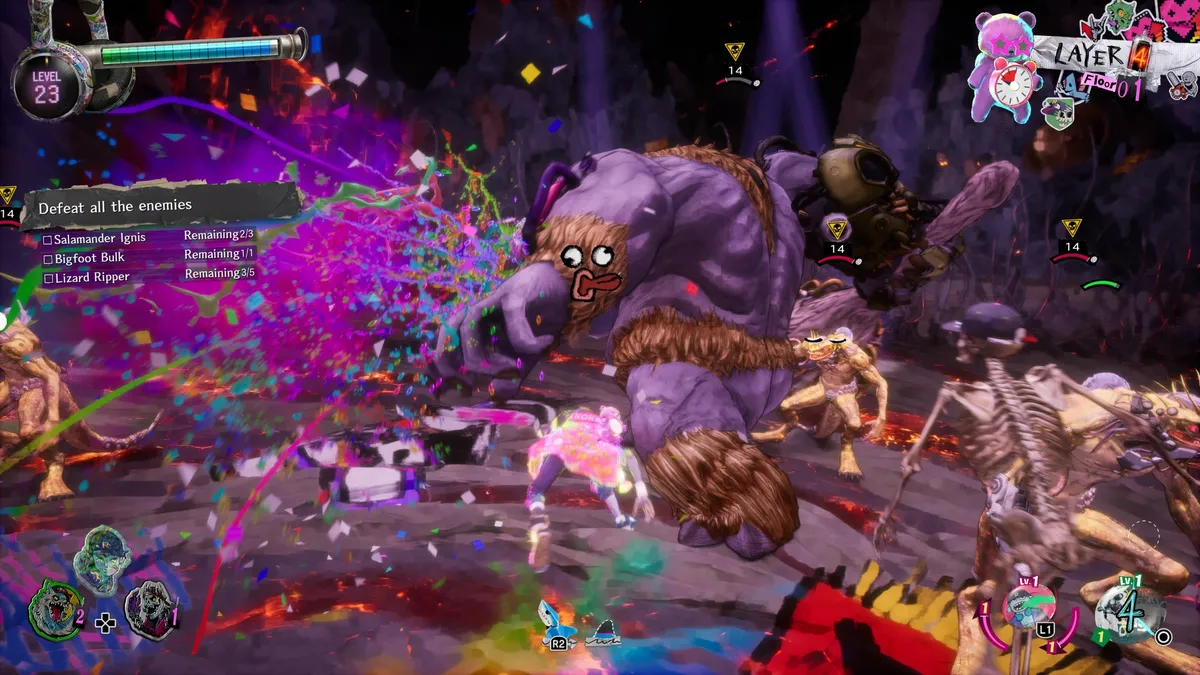
And then the visual effects kick in. Defeat an enemy and ribbons of rainbow ink explode around Davy and splash across the scenery, while Davy Burst, his temporary powered-up state, arrives with electric-guitar flourishes and multicoloured lighting, as if somebody's cranked the volume up on the entire screen to 11. My favourite touch is the doodled googly eyes and daft little smiles stickered onto enemies, a lovely bit of Spider-Verse-style design that made me smile the first time I noticed it.
There's a lot to look at, and the game knows it. Sometimes it's almost needy in the way it demands your attention, but I was happy to give it, because even when the underlying action starts to feel familiar, the art direction keeps finding little ways to make the next few minutes entertaining.
Bite first, ask questions later
It needs to, too, because beneath all that multimedia animation and graphic-design flair is a very Japanese action RPG that wants you to grind, grind, grind.
The basic loop is simple: head into a dungeon, batter monsters, collect their cores to steal their abilities, gather materials, and return to the Shopping Mall hub to improve Davy before going back in. A trip might take five to ten minutes, and each one gets you a little closer to becoming powerful enough to take on the next boss and, eventually, get Julia out of the freezer. It's a lightly Persona-ish rhythm, with a much quicker turnaround since dungeon reruns and levelling up can be immediate, except your day job here is punching monsters in the face and goofing off on a robot vacuum cleaner.
The clever stuff starts with the Bite system. Davy can consume enemy cores to recover health or access different monster forms, known as Styles, each changing how you fight. You can't bring everything to every run, so choosing what to bring takes some thought. The Cyclops helps when a horde closes in, the Werewolf is handy when you need to move quickly and get into enemies, and the flying Harpy is a good choice against bosses that turn the floor into a dangerous mess, such as a dragon I encountered early on. You can experiment with 11 Styles, and they aren't just cosmetic changes to Davy's appearance; each has its own ranking (Common, Rare, etc.) and different special abilities that develop, like the Cyclops, who can swing a baseball bat and eventually throw spinning clubs.
Some Styles seem underwhelming at first, like the Vampire, which I thought would be a hoot but has specials that layer; he zips in all directions, bites enemies, and then releases a zombie bat for each bite, until you realise what they can do over time, such as making use of dark energy pools to explore hidden areas. It's worth experimenting rather than settling on the biggest monster with the biggest fists, although the game doesn't always make those choices obvious.
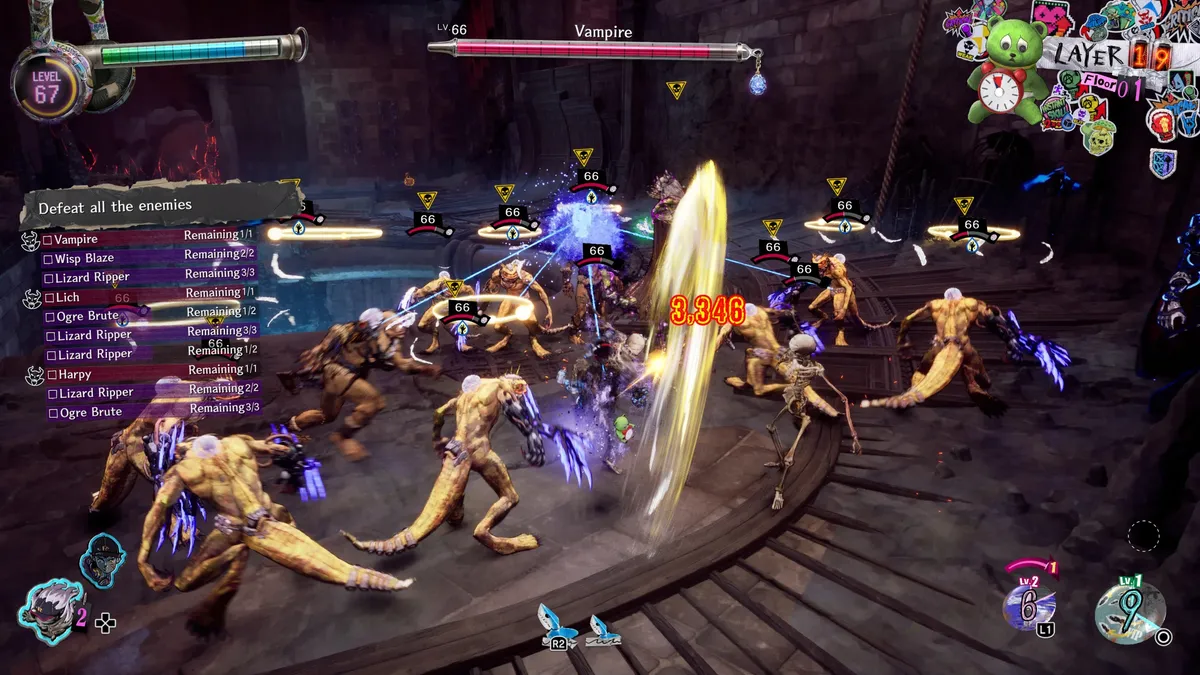
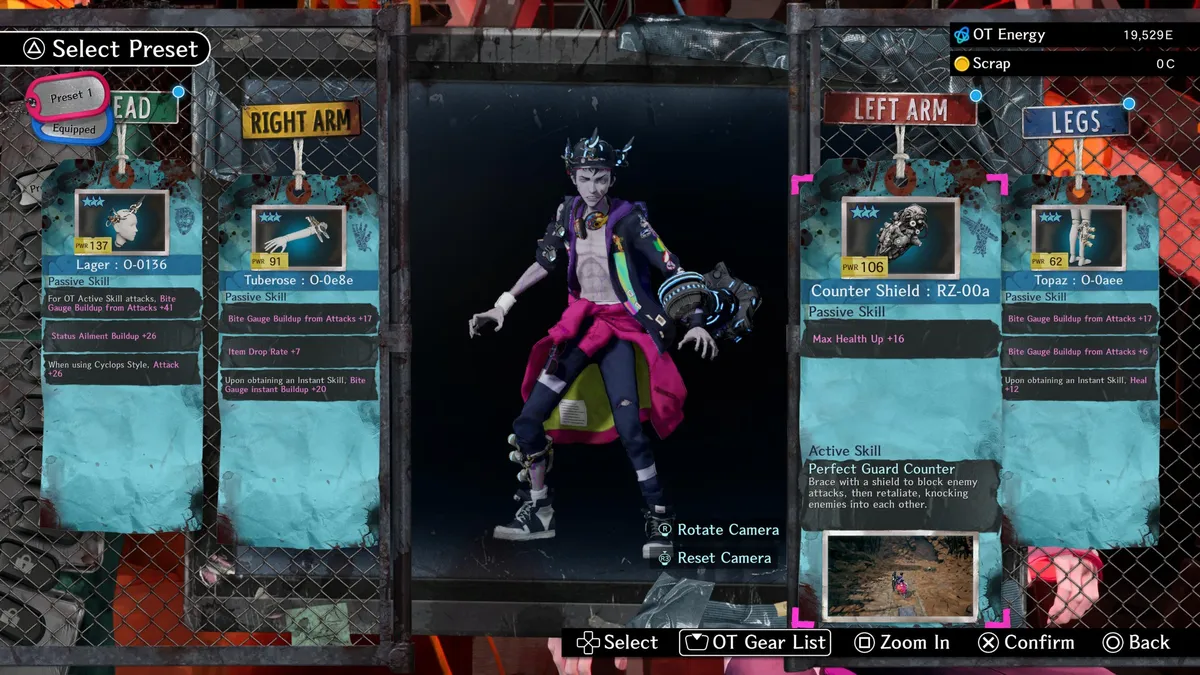
Then there's Body Hack, which lets you replace Davy's body parts with Overtech equipment to improve his stats and bolt on new abilities. Missile pods, spinning blades, spiked balls, directional dashes – all kinds of sharp weaponry can be attached to your undead frame, and some of the most useful upgrades aren't even about dealing more damage. Better healing, more item drops and a faster Davy Burst charge can make a much bigger difference to a run than another flashy attack or rocket salvo.
The way these systems overlap is what makes the game interesting, because the core combat is fairly simple and limited to light and heavy attacks and special abilities. There’s no typical dodge, block, or parry as such. Stupid Parry lets Davy charge into incoming attacks and reduce the damage he takes, then refill it by eating enemies’ Cores, which only expose themselves when attacking. So it’s all front-footed, and everything feeds into everything. But don’t expect Devil May Cry-style combos, even though some of the game’s team, Eiichiro Sasaki and Hiroyuki Kobayashi, worked on DMC.
Instead, the hook comes from working out which Styles suit the dungeon ahead, which body parts make sense for your preferred approach, and which abilities are worth keeping around, all while hitting fast attacks and connecting kills (there’s a DMC-like ‘style metre’ that rates your performance and increases things like item drops). It can take a while to get your head around, and you'll grind before the best body parts and deeper buffs start opening up, but there's more going on than the daft art style initially suggests.
Attack and grind, repeat
The idea is that Davy is a zombie, and zombies don't know when they're beaten and technically can’t die, so why should he care about defending himself? Instead of backing away from trouble, you're encouraged to keep attacking, take an odd hit, bite an enemy to recover some damage, and get right back into the fight. Some powerful Heat Attacks, when an enemy glows gold, can be countered with Stupid Impact if you time your Stupid Parry correctly to stun the enemy, while building up enough momentum lets you trigger Davy Burst and turn the whole screen into a colourful, electric-guitar-fuelled mess.
It's a fun idea, and when it works – when you’re Stupid Parrying for damage, breaking down a core, and linking kills – the combat has a tight rhythm, with one action feeding into another and the different systems starting to make sense together. But it can feel a little light where you'd expect more dexterity and combo depth, and the lack of a lock-on makes it frustratingly easy to swing at empty air – particularly on narrow paths above lava or icy drops, and especially when you're trying to punch flying creatures because judging 3D space can be tricky.
The trouble is that Stupid Never Dies can hit the same plateau as plenty of JRPGs: you reach a boss who's just a bit too powerful, head back into the dungeons to gather materials and improve Davy, then try again and discover you probably need to do it all over. The body-part upgrades can get stuck offering the same selection, so you've to grind enough runs to unlock something better, and although each trip is fairly short, the locations start to blur together when you keep visiting them to get stronger.
There's a reason for all this, of course. You're building Davy up over time, collecting resources and improving your chances with every run, and the game wants you to feel the difference between the pathetic zombie you started with and the increasingly Frankensteined monster you've turned him into. But it also feels like a way to stretch a relatively small game, one with a lot of visual personality and a handful of clever systems that don't always have enough new places or encounters to show them off.
The grind can be alleviated by the cast of weirdos you chat to between runs – Acelino's a chihuahua-were-dog who develops the body augmentations, Bessie's a zombie who creates new abilities from fast food, and Goyle is, well… a gargoyle who’s in charge of performance data but can’t remember anything are memorable – and the game has that JRPG quality of just offering enough new conversations, snippets of lore and funny asides to make post-dungeon downtime just a bit worthwhile.
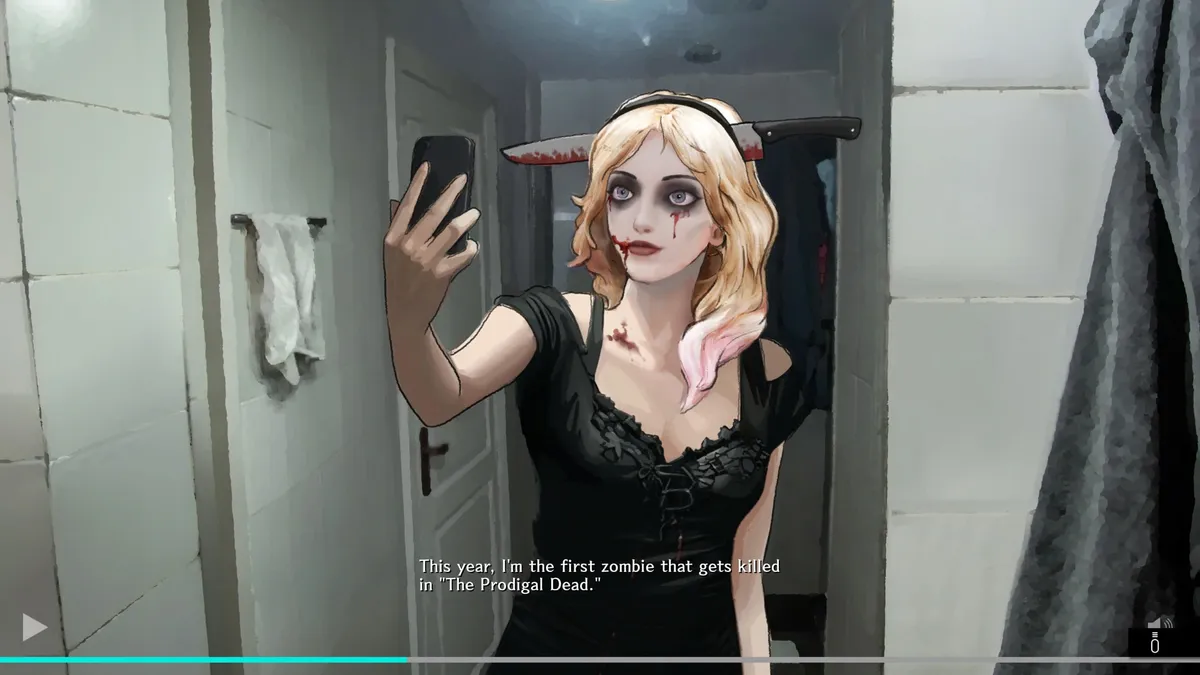
I didn't stop enjoying myself, though, partly because I wanted to see what other daft combination of body parts and monster powers I could put together, and partly because I wanted to see what happened to Davy and his impossible romance. After dungeon runs, you can watch unlocked messages and videos on Julie’s tablet (creepy?) and vicariously get to know her through her life. A strange little tragedy lurks beneath all the silliness, and the game gets more mileage out of its deluded protagonist than you might expect from a story about a zombie trying to thaw out a girl who doesn't know he's alive, dead, or anything else.
Stupid Never Dies is an odd action RPG with enough personality to overcome any of its limitations. The art direction never ceases to impress, turning even the most routine dungeon encounters into little bursts of punk-rock graphic design, and I love how Davy's nice-come-creepy romantic obsession sits alongside all that colour and chaos. The combat isn’t light; it’s just not Devil May Cry, and once you understand how the systems dovetail and feed into one another, and if you’re happy to grind (and grind and grind) for your life, you’ll find a quirky little rockstar in here.