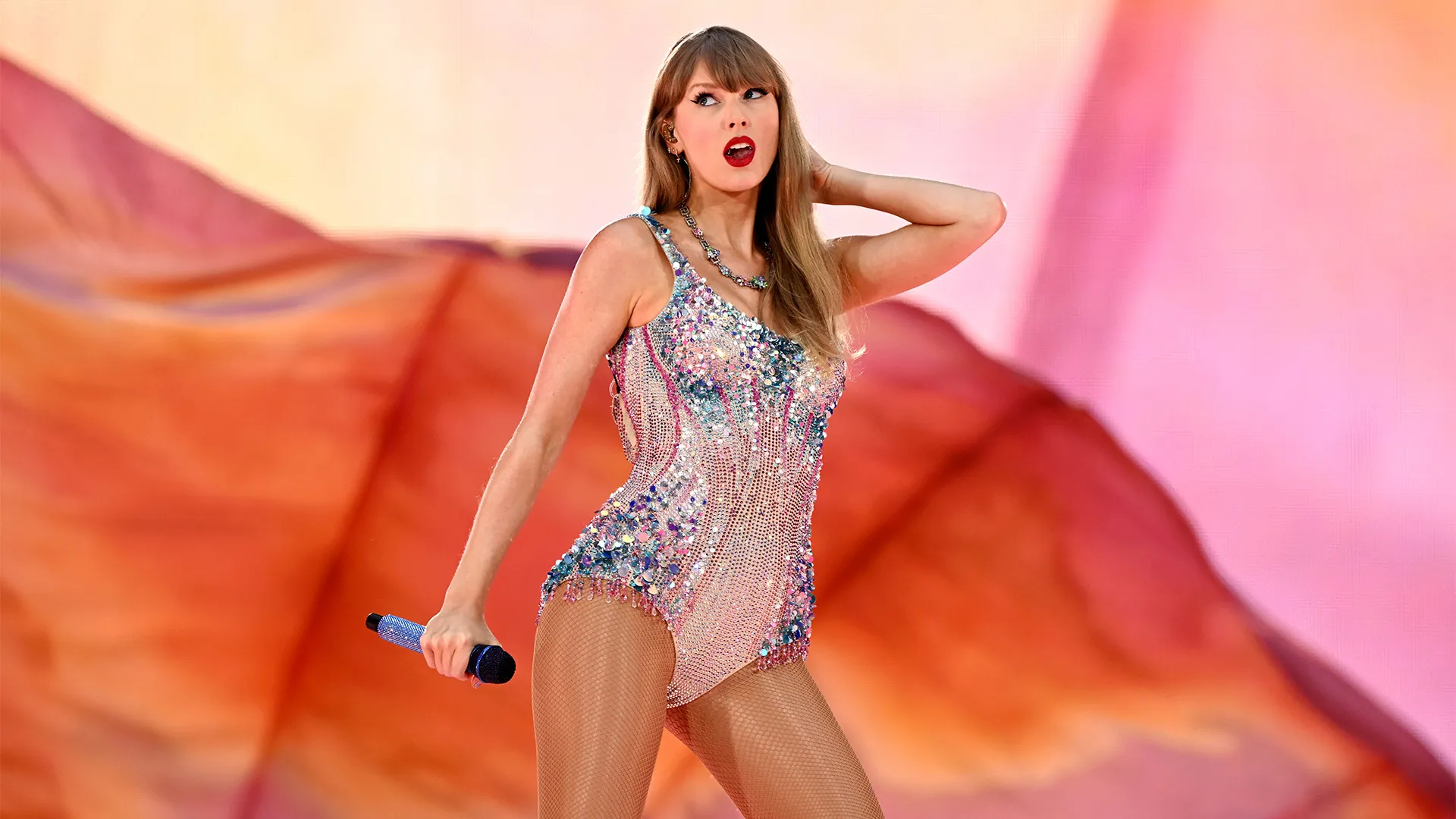
Taylor Swift has applied to trademark her voice and likeness in a bid to protect her identity from AI abduction. The pop singer's identity has already been used in countless AI deepfake examples, from indecent imagery to fake political promo, and with the technology only getting more refined, it's no surprise the star has finally decided to take action against AI misuse.
Swift is not the first celebrity to seek legal protection of her likeness; earlier this year, actor Matthew McConaughey attempted to use trademark rules to protect his voice and image from AI misuse. The increasing number of celebrities seeking protection against AI proves that the technology's unregulated rise is quickly becoming a concerning threat.
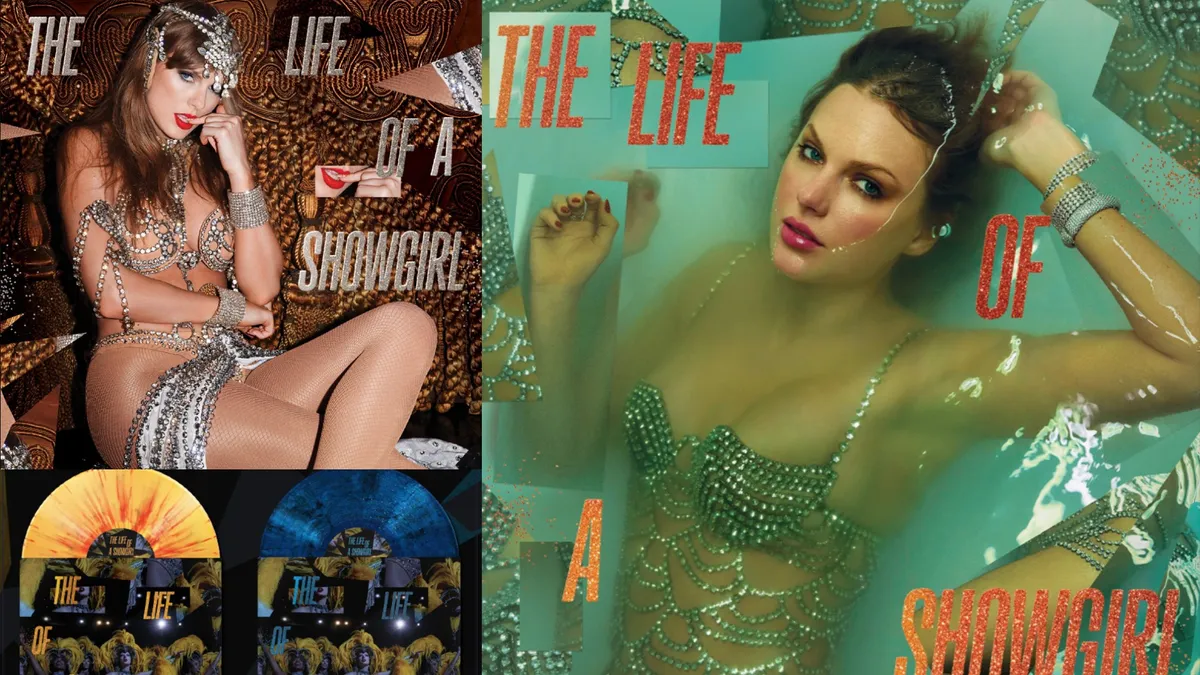
Swift has filed three trademark applications – one using a photo of herself on stage during her Eras Tour, and the other two are audio clips of her introducing herself while promoting her last album, The Life Of A Showgirl.
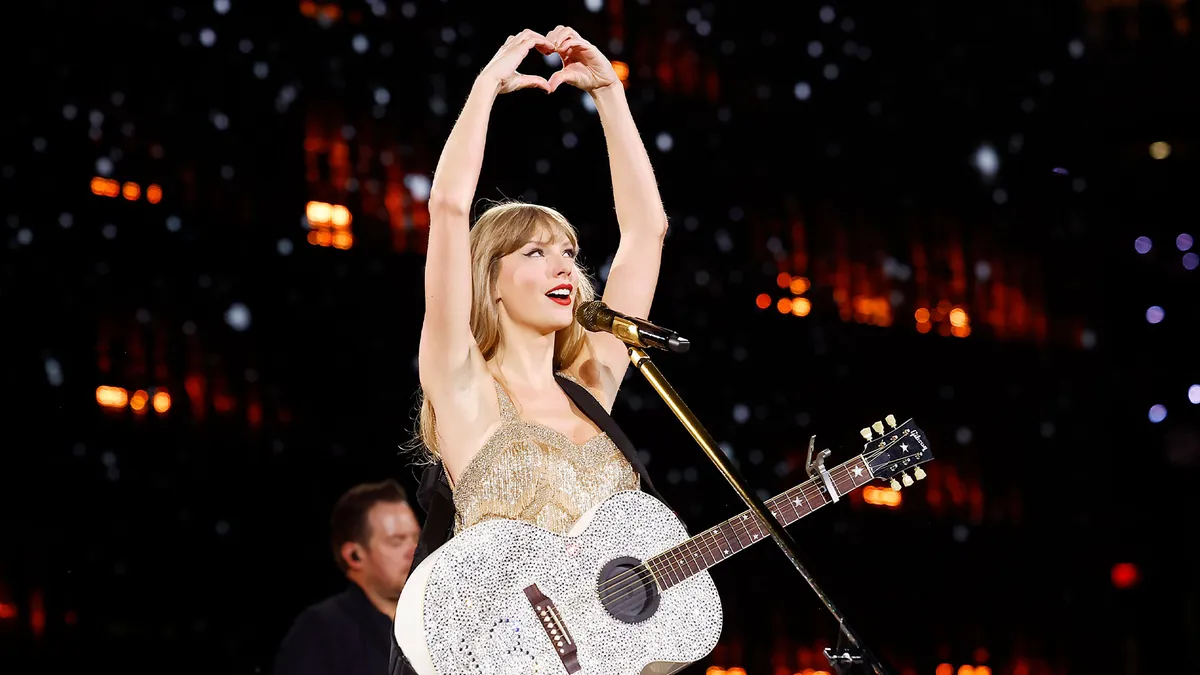
Graeme Murray, trademark attorney at intellectual property law firm Marks & Clerk, explains, “As generative AI makes deepfakes and AI-generated images a daily reality, Taylor Swift’s move to trade mark her voice and stage image marks a pivotal shift from protecting art to protecting identity. By filing for specific audio clips like 'Hey, it’s Taylor' and detailed imagery of her performing with a pink guitar, Swift is following a strategy made famous by Matthew McConaughey to create a clear perimeter around her likeness."
“Taylor Swift is known for taking protection of her intellectual property rights seriously," adds Iona Silverman, intellectual property & media partner at law firm Freeths. "These most recent trade mark applications show that she’s serious about brand control in the age of AI. Trade marks have traditionally protected names, logos and slogans, but we’re now seeing them used much more creatively to police misuse of voice and image where copyright or image rights may fall short. As generative AI makes it easier to create convincing imitations, celebrities and brands alike are looking to trade mark law as a practical enforcement tool against increasingly sophisticated digital copies or deepfakes."
While Swift's trademark applications may help her to protect her identity, it's not a worldwide shield from AI misuse. "The voice and image trade marks filed by Taylor Swift cover only the US, meaning there are significant gaps in protection in the rest of the world," Iona explains.
For more creative insight, check out the new skills creatives are learning to save their jobs from AI or take a look at Taylor Swift's logo battle over a cursive font.