



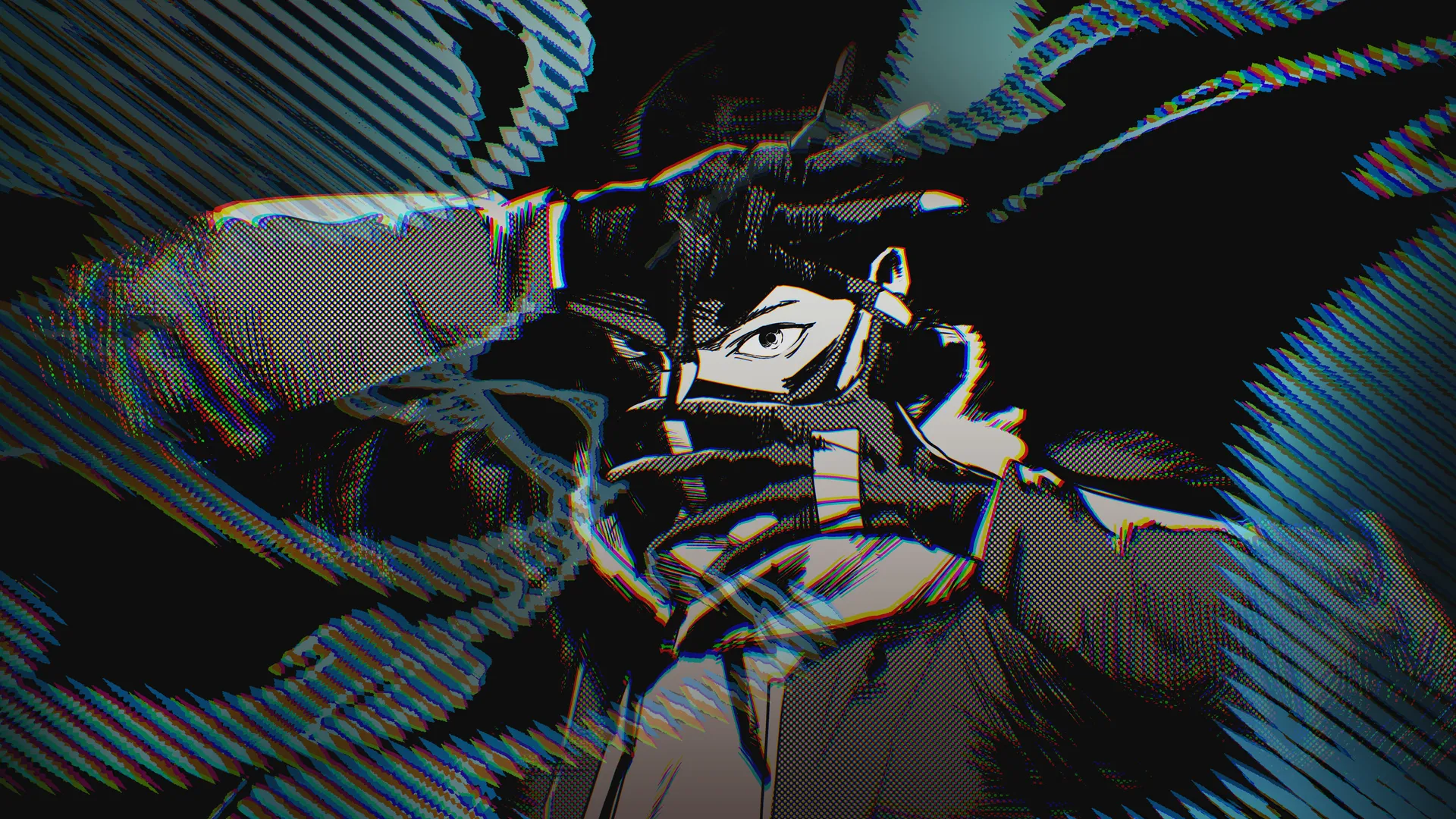
There are plenty of games inspired by Japanese folklore, from Ghost of Yōtei to Okami, but few make you stop mid-trailer just to look at a jacket, a mask, a silhouette. That was my immediate reaction to Kemuri: Hunt the Unseen, the debut project from UNSEEN, the Tokyo-based studio led by game director Ikumi Nakamura. Revealed during PlayStation’s latest State of Play showcase, it’s set in a supernatural city caught between life and death, but the character design is what impresses.
Artist and director Nakamura is best known for her work on Tango Gameworks' The Evil Within series and Ghostwire: Tokyo, and describes Kemuri as a “yokai-possession action game” set in Kemuri City, a vertical sprawl where the boundary between the living and the dead has blurred. It’s known as “the City Closest to the Afterlife”, where people arrive hoping to find something they’ve lost. The premise already has my attention, especially as I enjoyed Ghostwire: Tokyo, but the visual design here just feels like a step above.
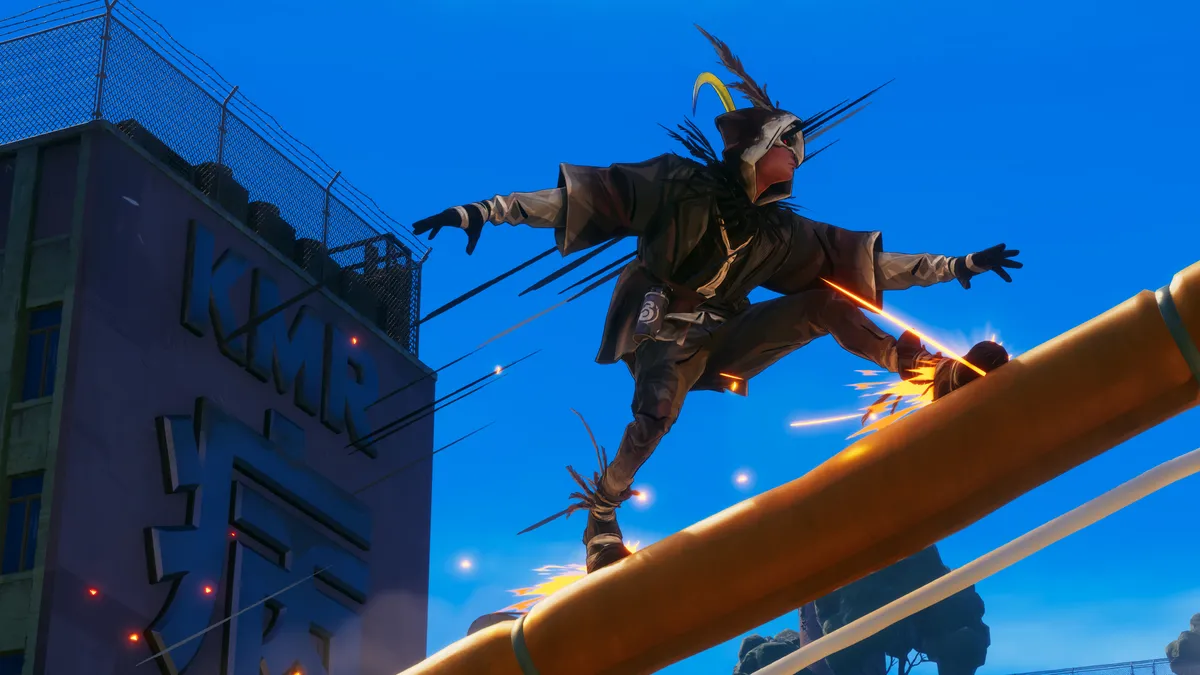
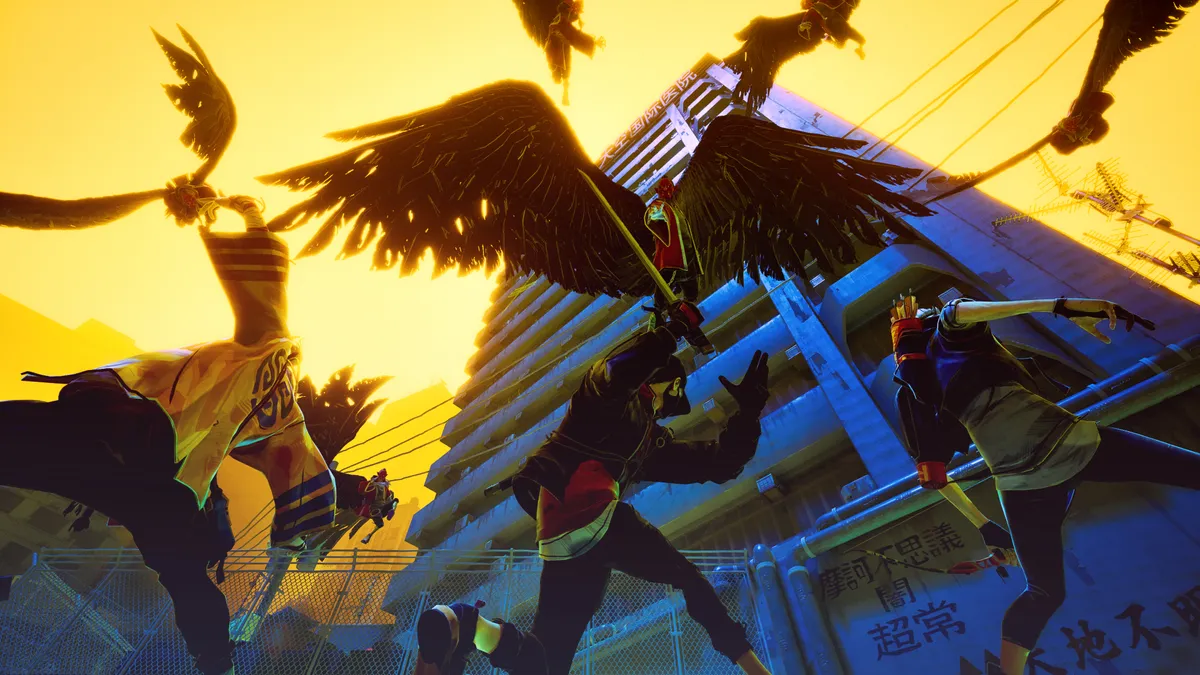
Made using Unreal Engine, Kemuri is a little unusual, modern, and vibrant, so its yokai mythology is reframed as contemporary myth, influenced by neon-lit streets, stacked architecture, and rooftop routes threading through the city. The hunters don’t feel like traditional exorcists here either, as they’re designed with streetwear silhouettes built for movement, presence and, well… to look good.
“Across its layered rooftops, alleyways, and underground ruins, the line between reality and the afterlife constantly shifts and trembles. In this city, paranormal phenomena are simply part of everyday life,” writes Nakamura on the PlayStation Blog. “There’s even a saying: “Where there is Kemuri, there are yokai.”
Not all Yokai are your enemies either, as you can form connections with them, using their abilities to unlock new powers and outfits as you move through the city. It’s what’s being called “paranormal apparel”, where folklore turns into something you wear rather than something you fidget with mid-battle.
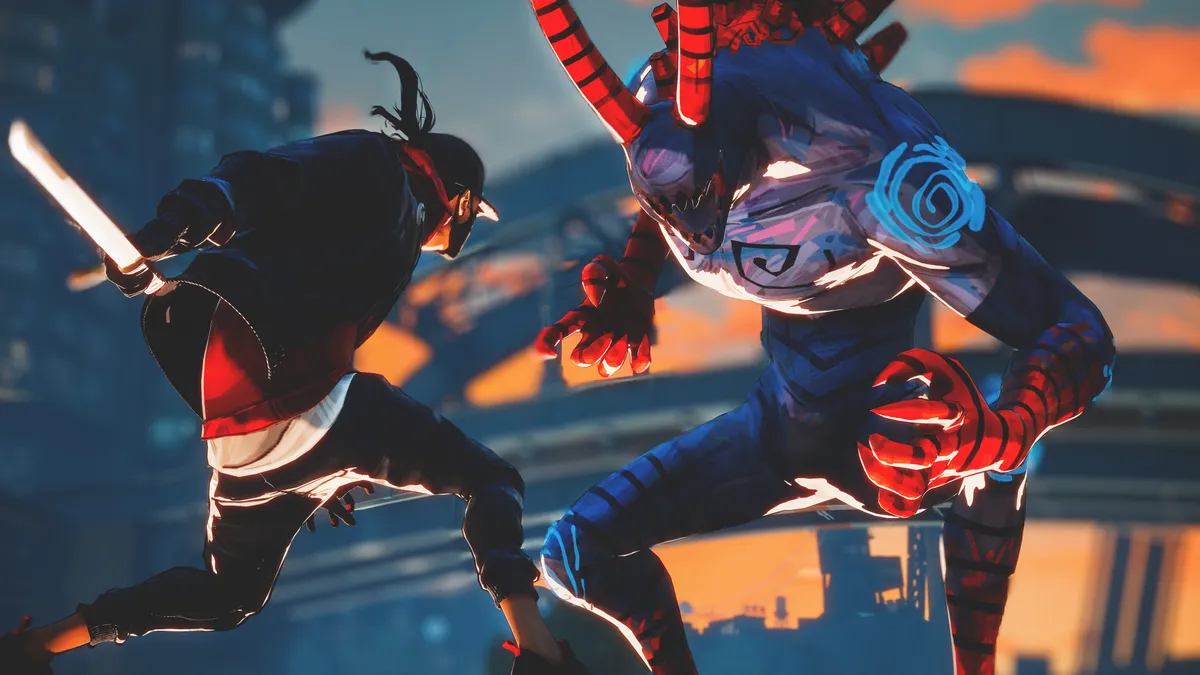
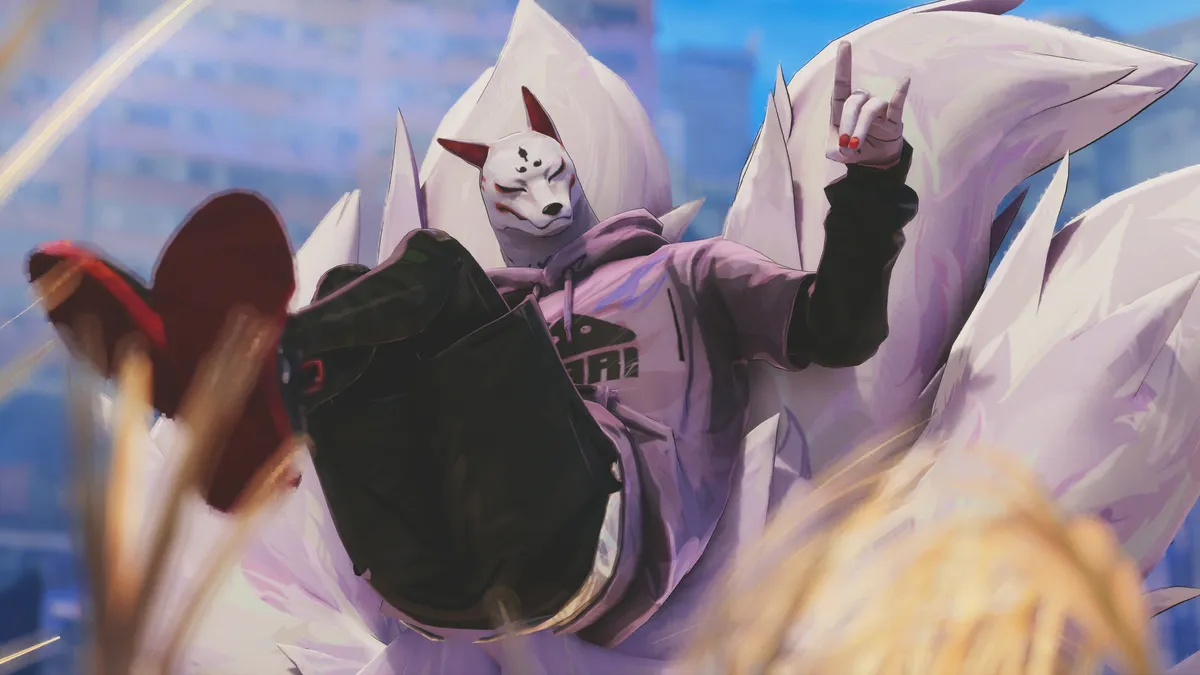
That idea of powers as clothing, new abilities reshaping a character’s silhouette and design, feels obvious but also playful in this dev's hands. It feels consistent with Nakamura’s work, as across horror, action, and fantasy projects, her characters tend to be read quickly, with shape, attitude, and costume doing most of the work before anything is explained. Here, that instinct scales up into a full world, from character design to the city itself.
UNSEEN is built around that kind of mix; the new studio and its first game feel reflective of one another. Nakamura describes it as a collective of creators from different backgrounds, working out of Tokyo and bringing diverse perspectives to the project. That shows in the result: mythology filtered through fashion, anime energy and contemporary urban design, rather than a single cultural read.
You can play solo or with up to three players in online co-op, moving across rooftops, alleys and hidden routes while dealing with paranormal threats. But the combat often feels secondary to the underlying visual system.
Kemuri is set to launch on PlayStation 5 in 2027.