



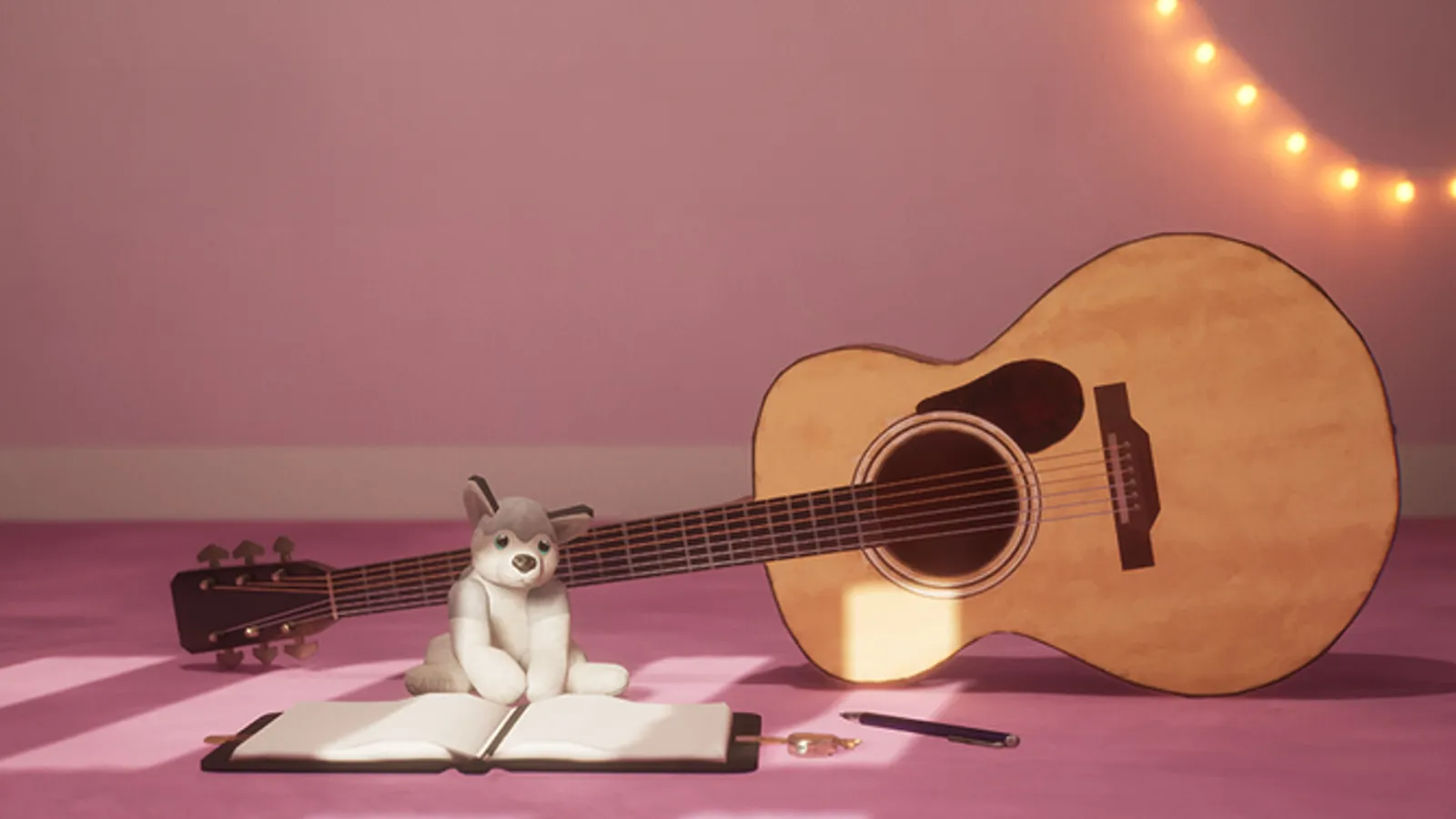
Nostalgia is a powerful thing, and some of the most memorable indie games expertly draw on it, whether through their aesthetics or by recapturing a specific period. For many of us, there's a comfort in reliving the good old days. But what happens when the past is recreated to confront trauma, as is the case in The Quiet Things?
"Well, perhaps interestingly, the word nostalgia is derived from Greek words meaning 'the pain of homecoming', which probably has quite a lot of relevance to this game in a sense," says indie studio Silver Script Games founder Alyx Jones, whose game deals with her own childhood trauma of abuse. "I know we usually mean nostalgia to mean a longing for a time we can’t return to, but I don’t think that necessarily conflicts with rooms, spaces and a time where difficult things took place."
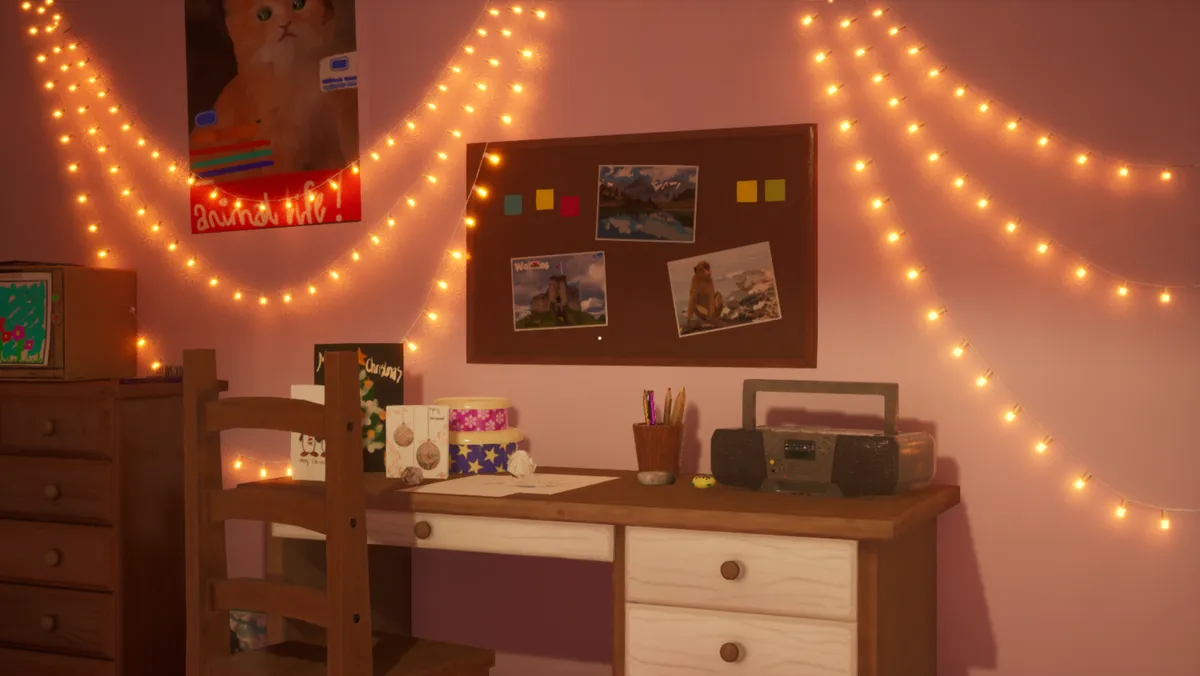
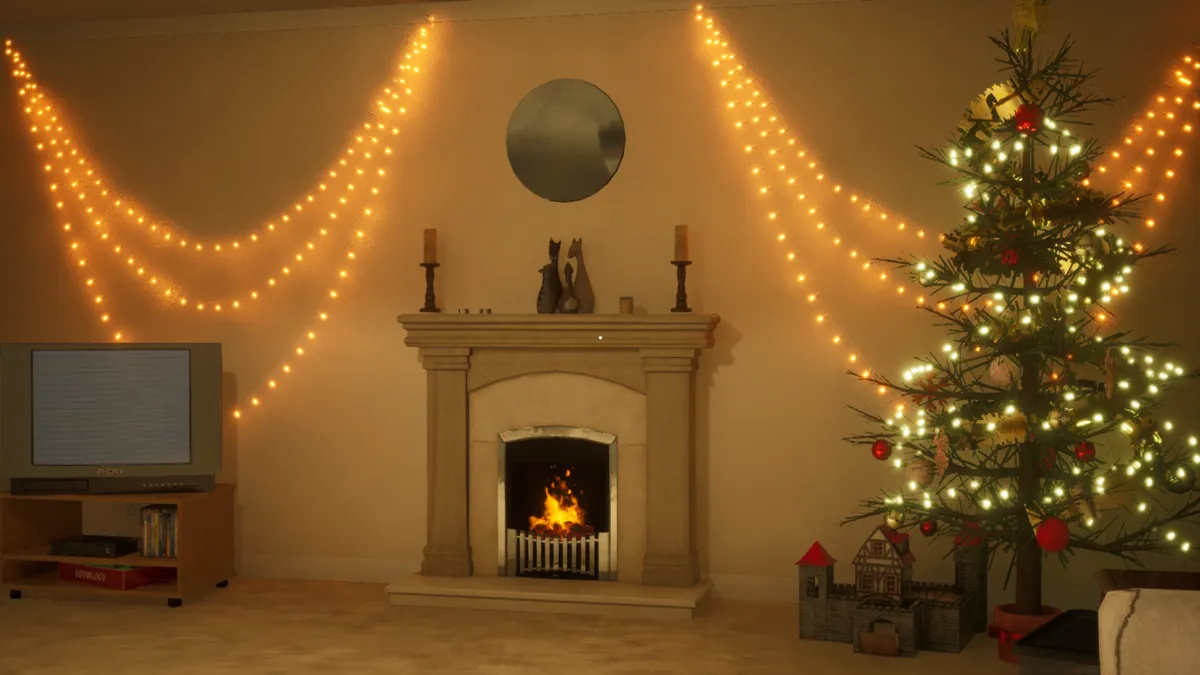
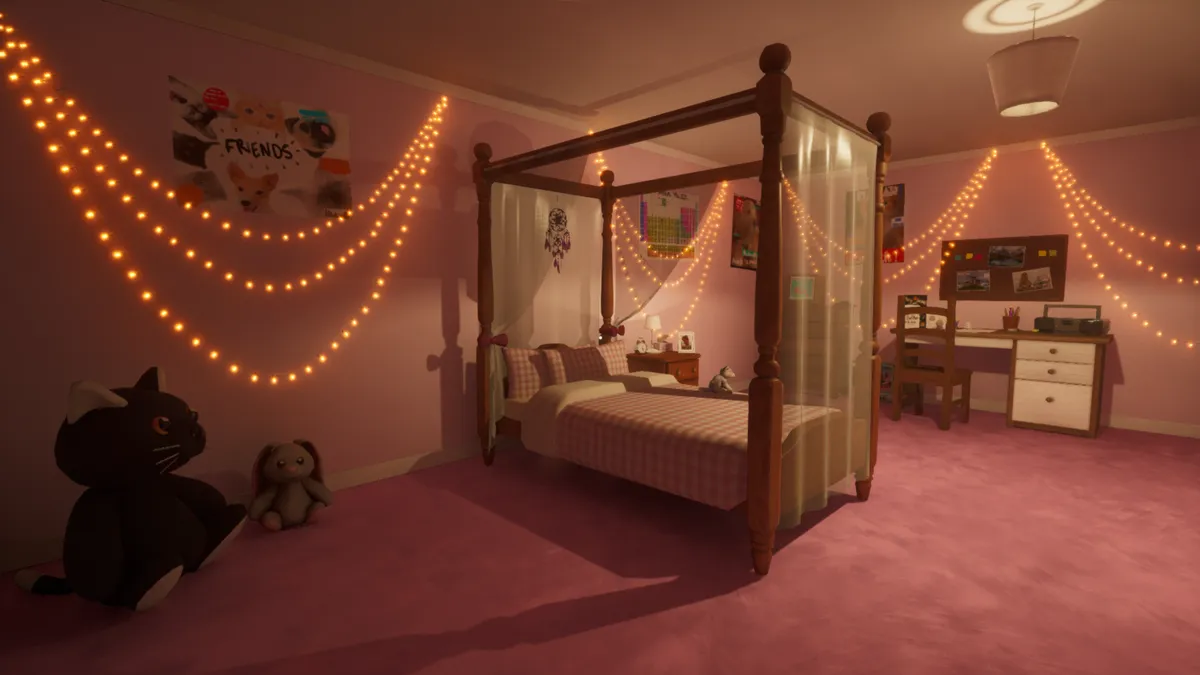


Although this is a very autobiographical game based on real diary entries, police records, and first-hand accounts, Jones defers to one of the smallknit team's 3D artists, Tabbie Lawson, on how the game realises its visual direction, consisting of authentic objects along with a painterly style inspired by the original Life is Strange.
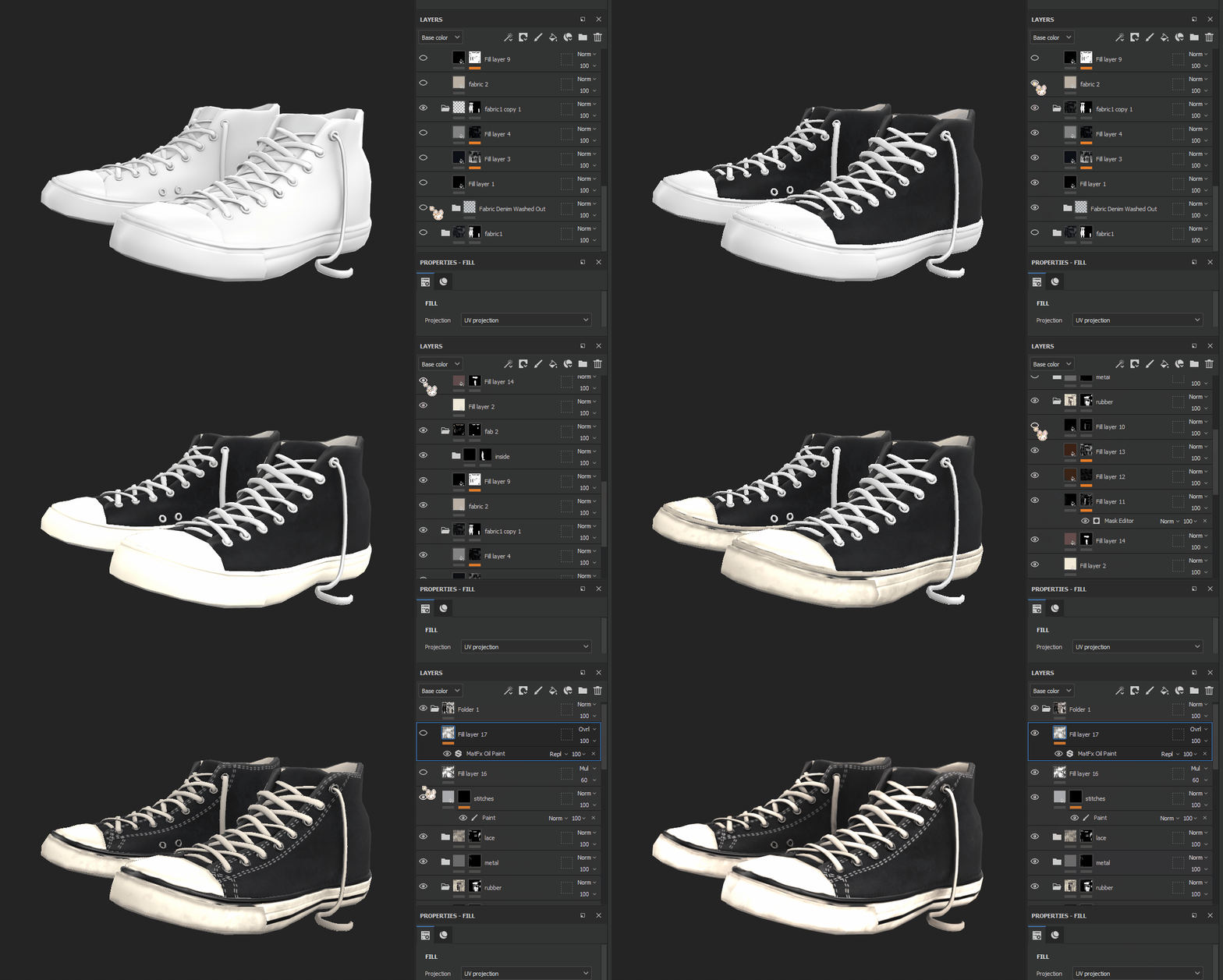
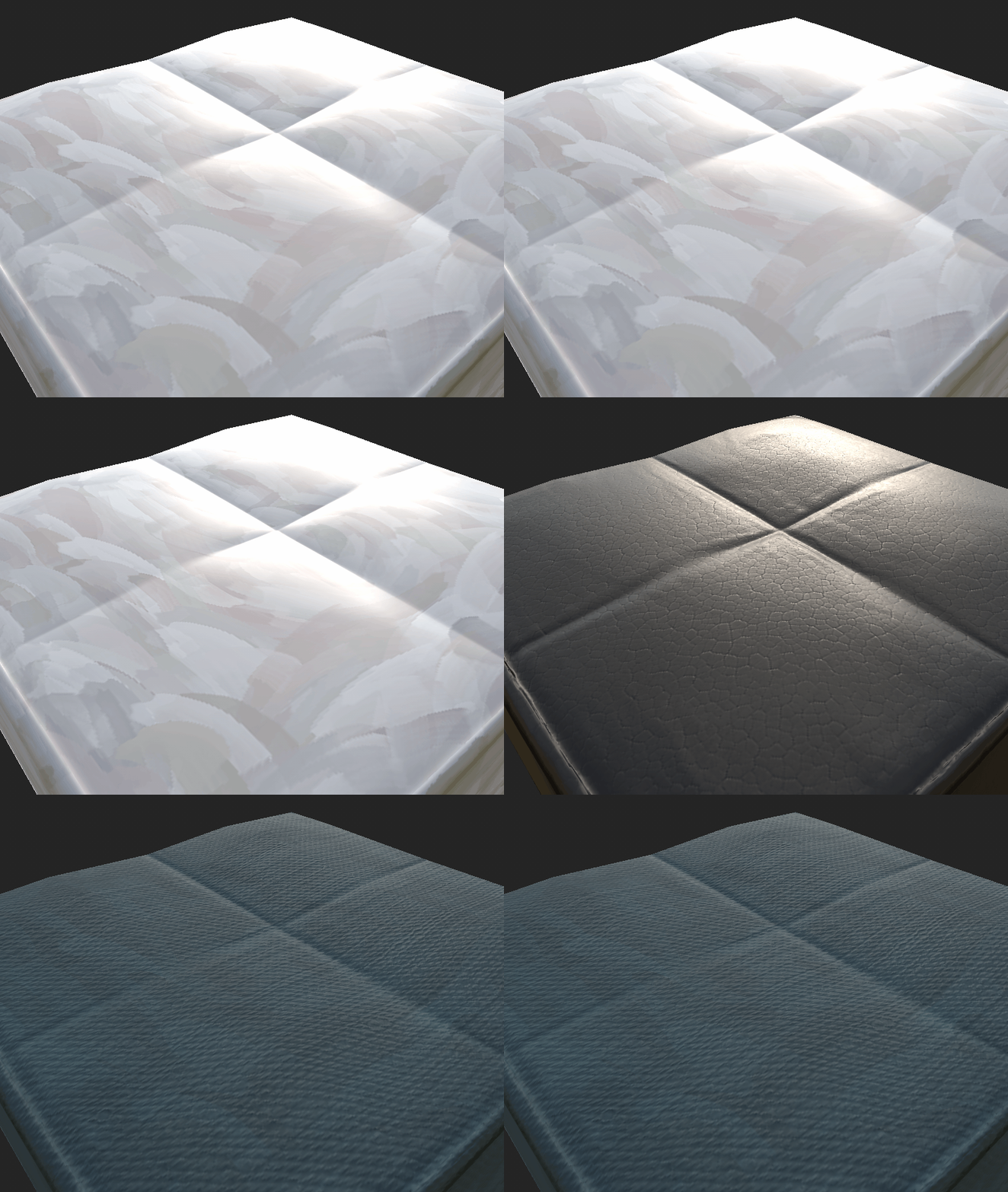
"Every object in the game has an oil paint ‘wash’ multiplied over the materials to give every object a painterly look once you get a little closer," Lawson tells me. "However, the meshes under their materials are quite accurate to the original references. We wouldn't want to lose the accuracy of the objects we're basing story beats on, and we've had a great response from players of the demo saying that certain objects bring back nostalgic memories of the 90s and early 00s."
Tapping into nostalgic gaming brands
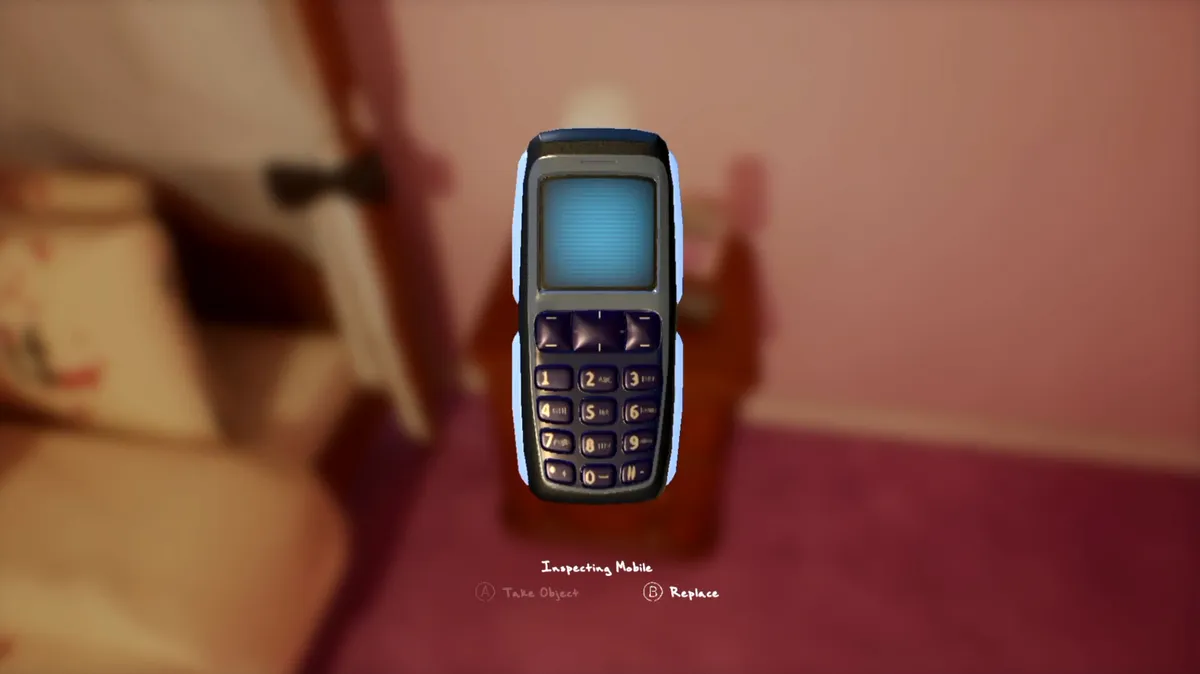
Having real objects, albeit renamed for copyright reasons, from game consoles to phones, was an essential part, especially for being specific to the period of the 2000s, as well as getting story beats and voice lines finalised before adding the objects into the game. They aren't then just there for nostalgia's sake, as Lawson adds: "We had to be careful that our parody brands weren't too humorous so as to detract from the serious nature of the game's story."
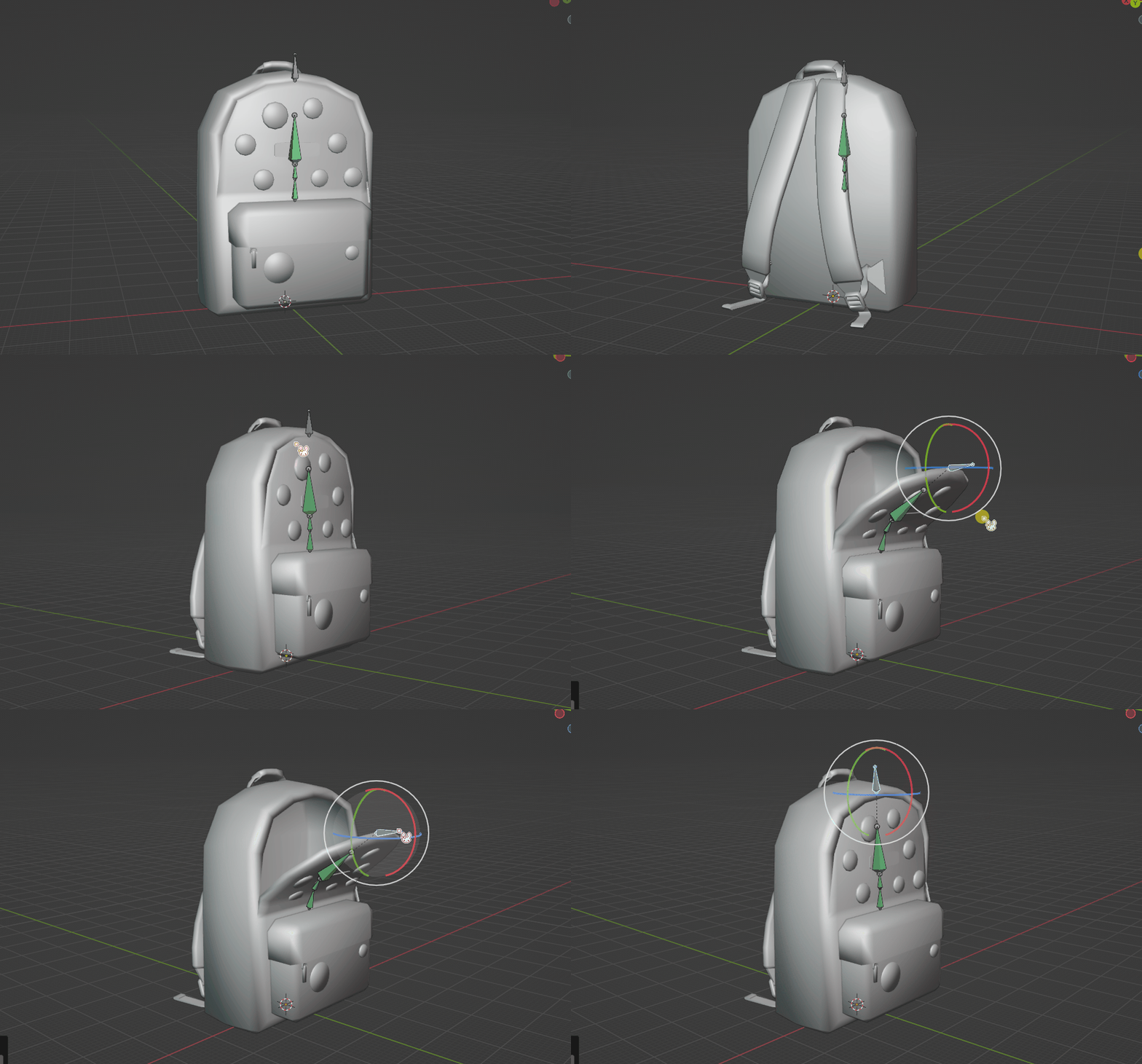
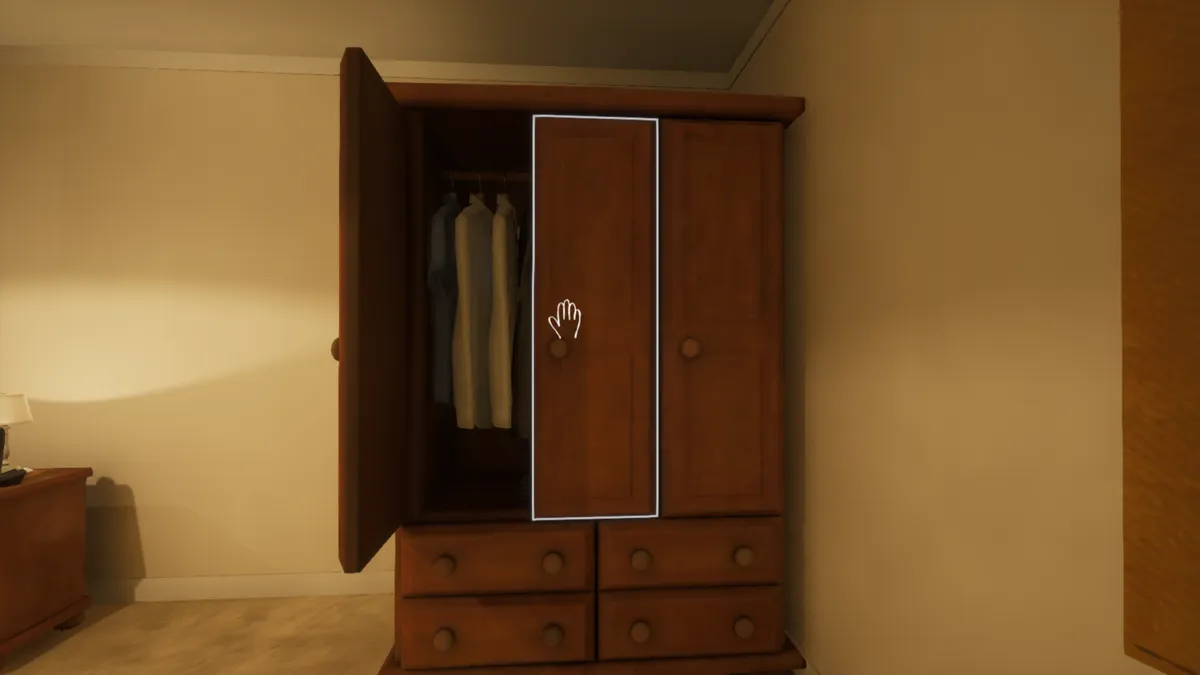
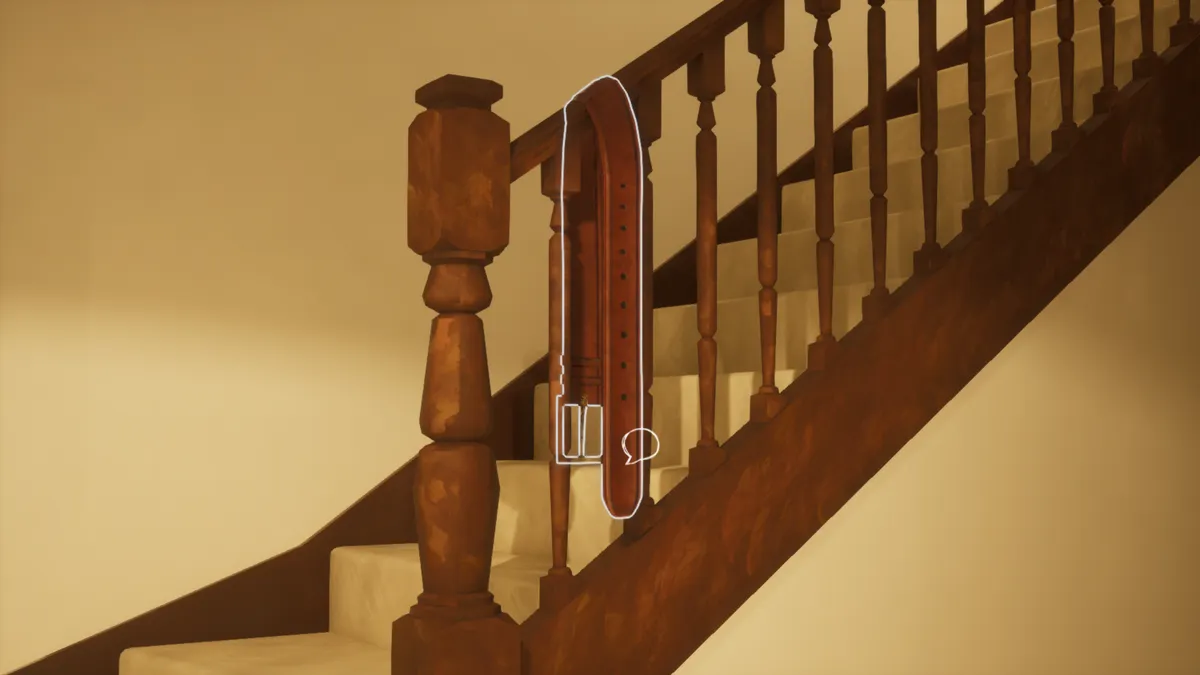
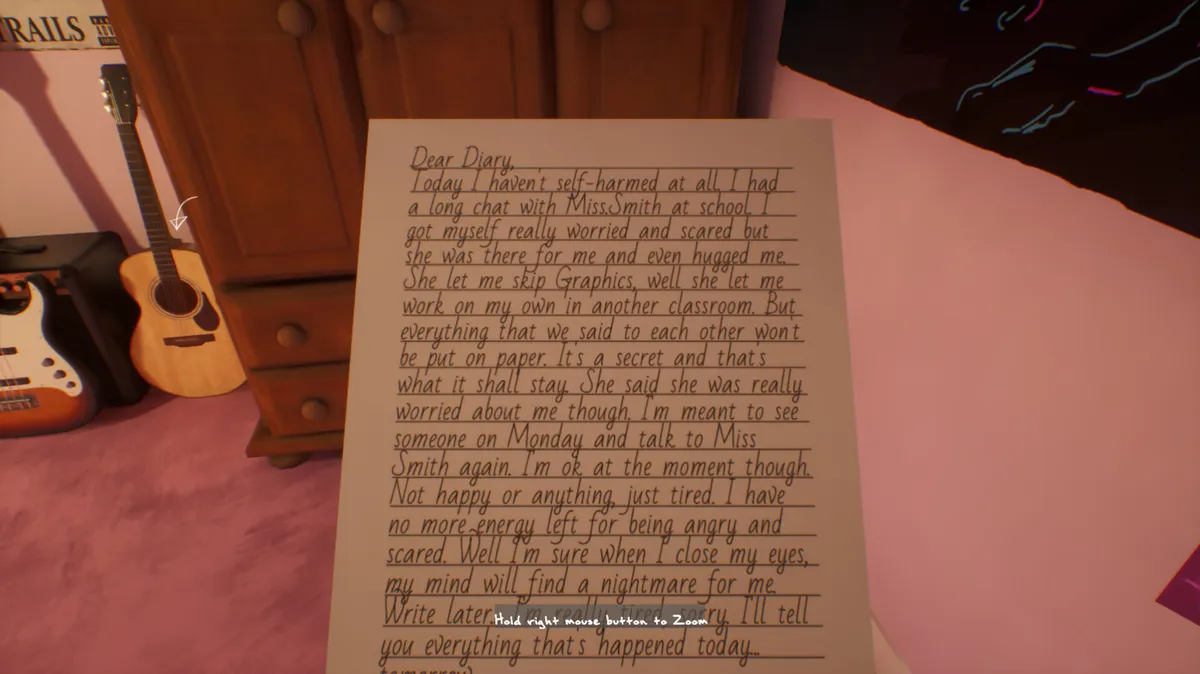
Given the small team, not every object is designed to be interactable. There are also visual cues that highlight what is interactable to avoid breaking the story's immersion. As Lawson said, there was criticism from early playtests that the game felt "too much like an escape room when trying to find the right objects to progress the story." But perhaps the most uniquely interactive objects are pieces of paper containing a real diary entry from Jones' childhood, with every misspelling left intact.
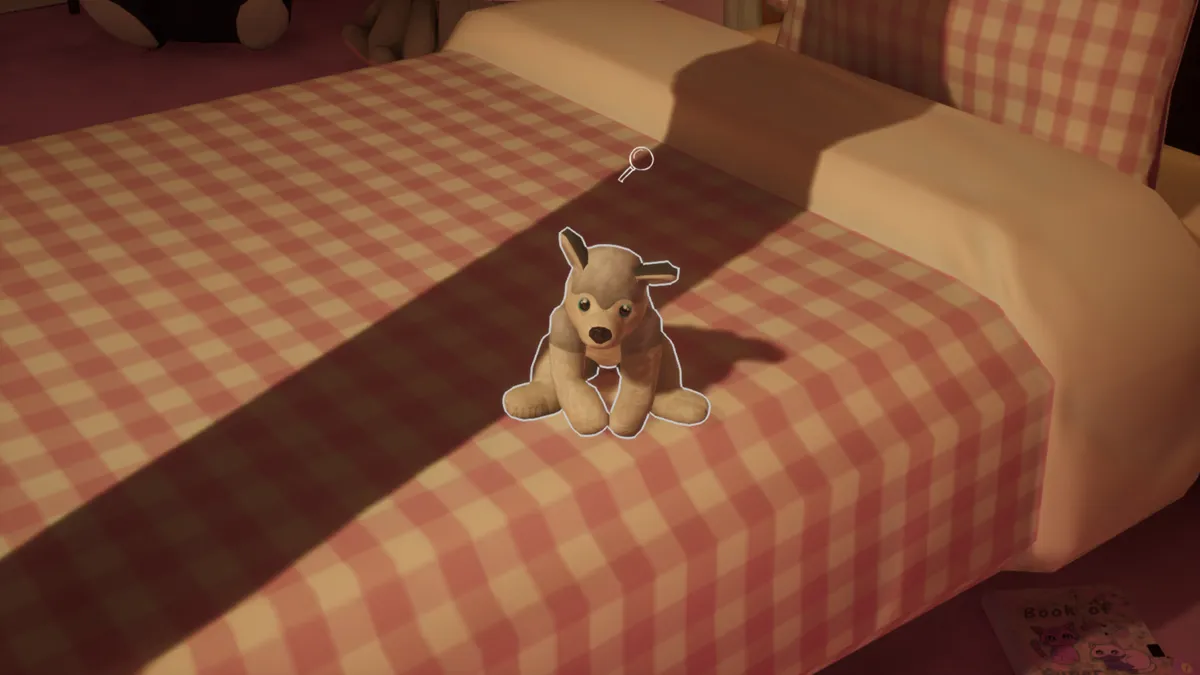
Just as recreating memory needn't be as realistic as a documentary, the way an environment is presented can also carry different meanings. "There's an intentional disconnect between the brightly-lit, very ordinary environments we've built in our game versus the story that each level is harbouring," Lawson explains. "Almost every item the player picks up could seem fairly generic at a glance, but when interacted with and you hear the dialogue from the characters, you realise these things hold hidden meanings and important memories"


Finding beauty in darkness
Some memories are also presented in more surreal environments, and while Lawson admits these were quite fun to build, she's aware that different players can respond to these moments differently. "We hope players can enjoy the beauty of everything in our game and become as immersed as we are in the story, though we do actively encourage players to take a step away and have a moment to ground themselves if any themes become too unsettling."
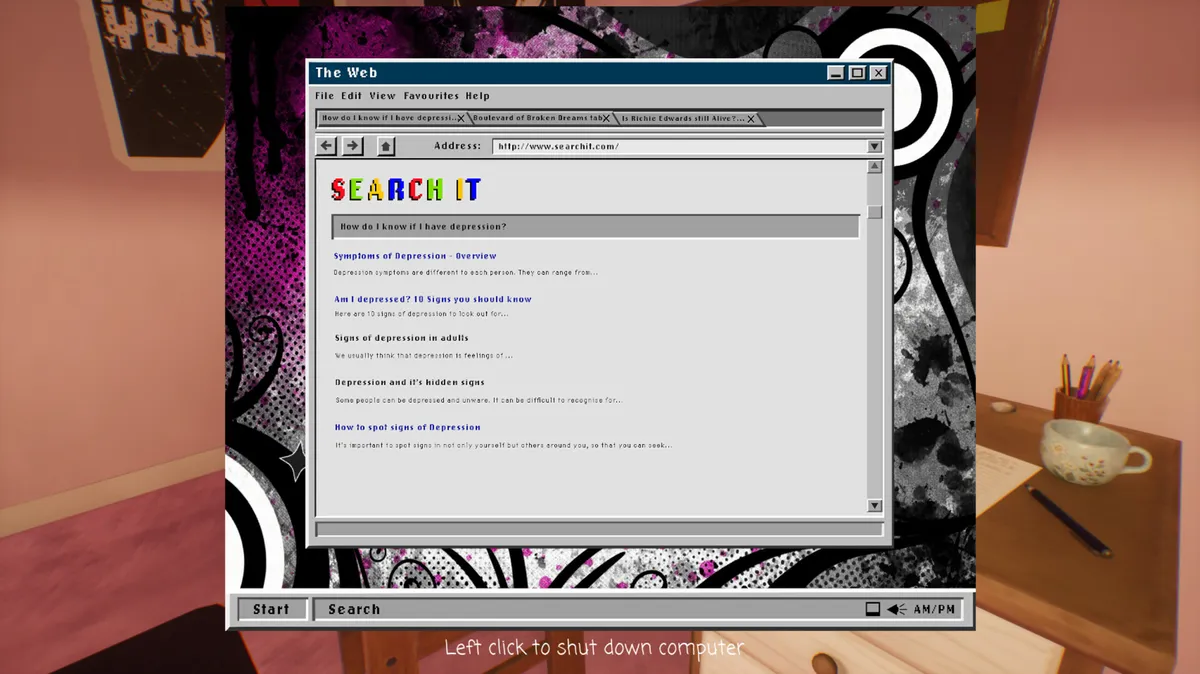
Having been inspired by not just Life is Strange but influential walking sims like That Dragon, Cancer and What Remains of Edith Finch, stories that deal with dark, difficult and often upsetting themes, it's perhaps important for the aesthetics to offer some warmth and comfort as to recreate traumatic moments as gritty and oppressive would not only be too depressing but also betray a memory that isn't necessarily black and white. And there is obviously a hopeful message the team wants to communicate to players, while also including links to ChildLine and Safe in Our World for those in similar situations.
"It's also our aim to spread awareness and defeat the stigma behind discussing topics like child abuse and neglect, addiction, self-harm and depression within young people," Lawson concludes. "People have asked us before, 'It's such a depressing game, is there a happy ending?' and we gesture to our team, who've gone through these things and come out the other side able to tell our stories to people who are still living them, showing them that it does get better."


The Quiet Things releases on 4 June. Visit Steam for more details or the game's Kickstarter for a deeper dive.