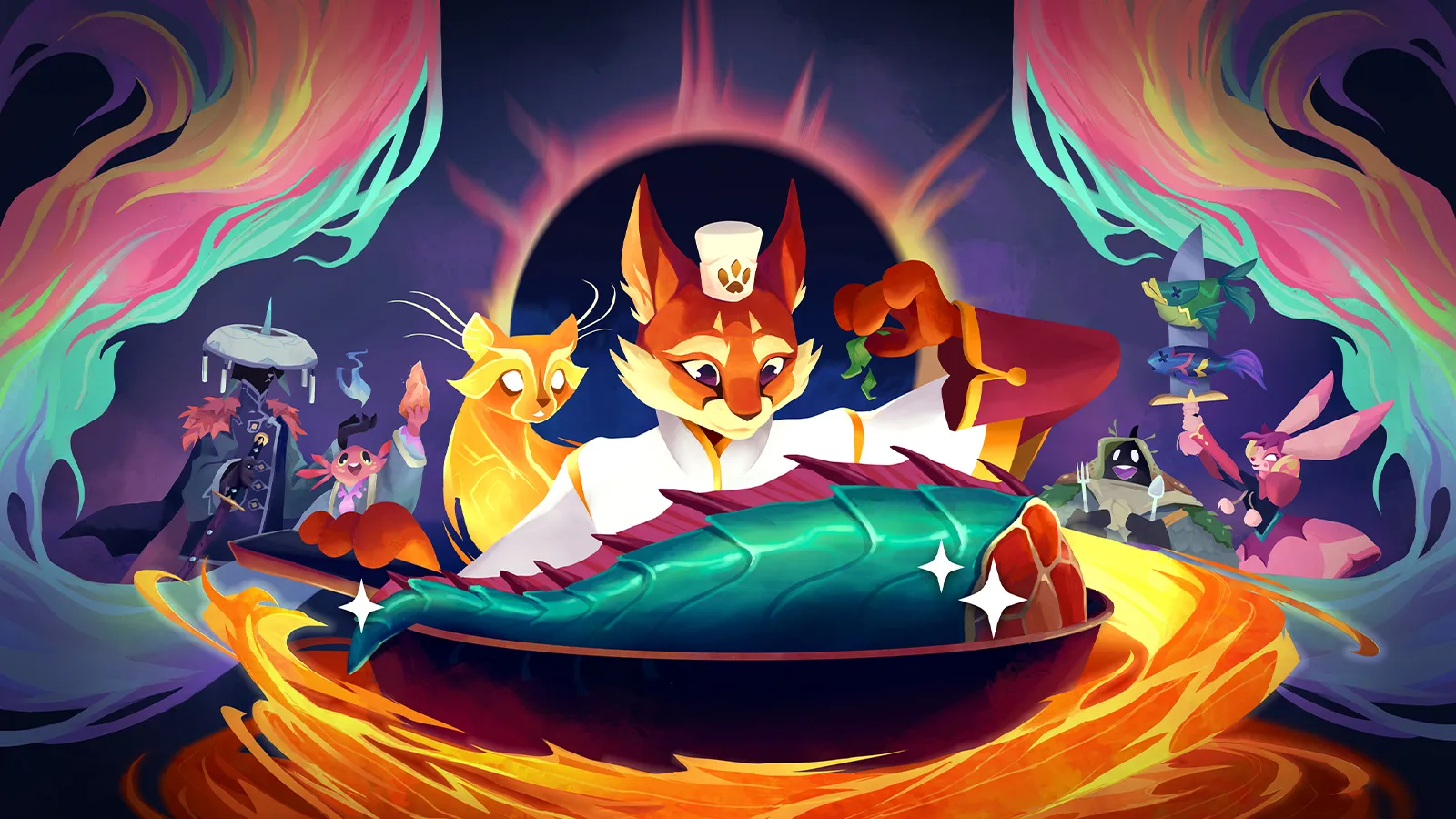
If there's one thing a great RPG has besides great characters and an engaging combat system, it's succulent food that keeps the heroes nourished. Upcoming fantasy RPG Beastro doubles down on this by casting you not as the warriors heading to battle but the chef back in the peaceful village, ensuring their bellies are full with all kinds of stat-enhancing flavours.
It's not the first RPG to be played from the perspective of a support character from town – see also Moonlighter, where you're the town's shopkeeper – but that also brings a challenge of ensuring what would normally be a side-activity can be engaging as the game core. That naturally calls for an art direction that's as tactile and flavourful as the dishes you're serving up.
"One of the core mechanics is about enhancing and balancing flavours, and so we were really inspired by Chef's Table, and this idea of there being a science to cooking, and meals being this beautiful presentation," art director Kate Rado explains. "In terms of the visual style, the food is so tactile and visual, and your senses are taking in everything in order to parse the deliciousness of that meal."
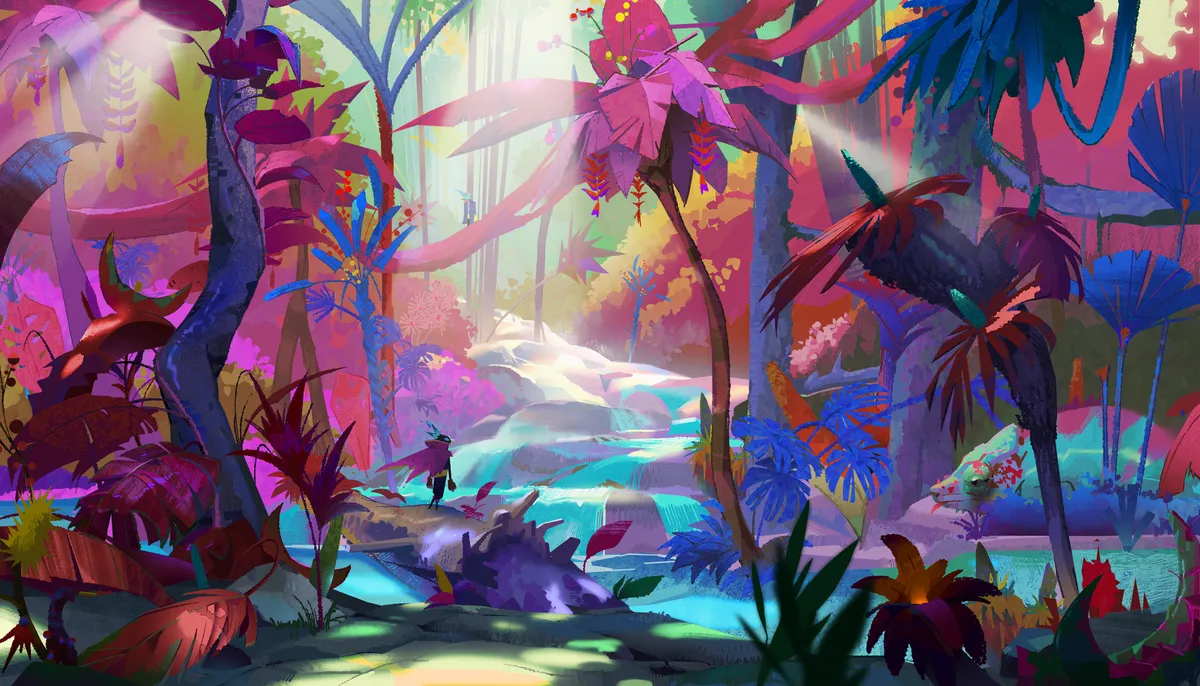
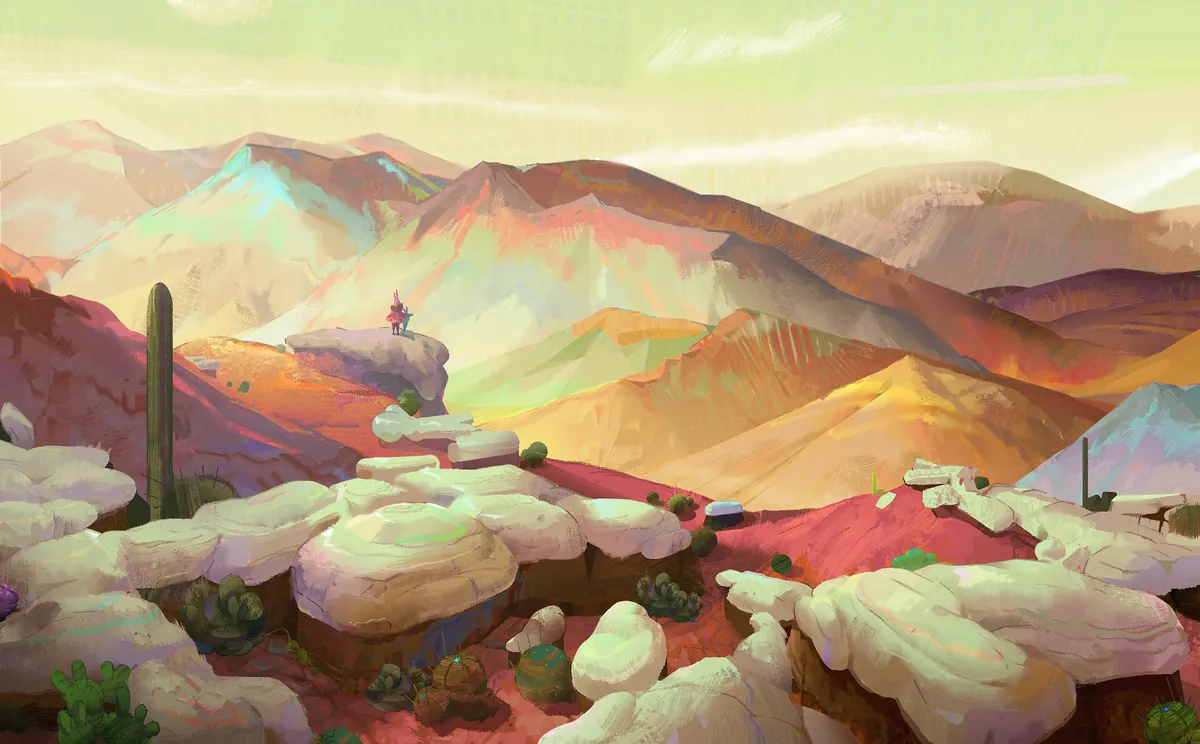
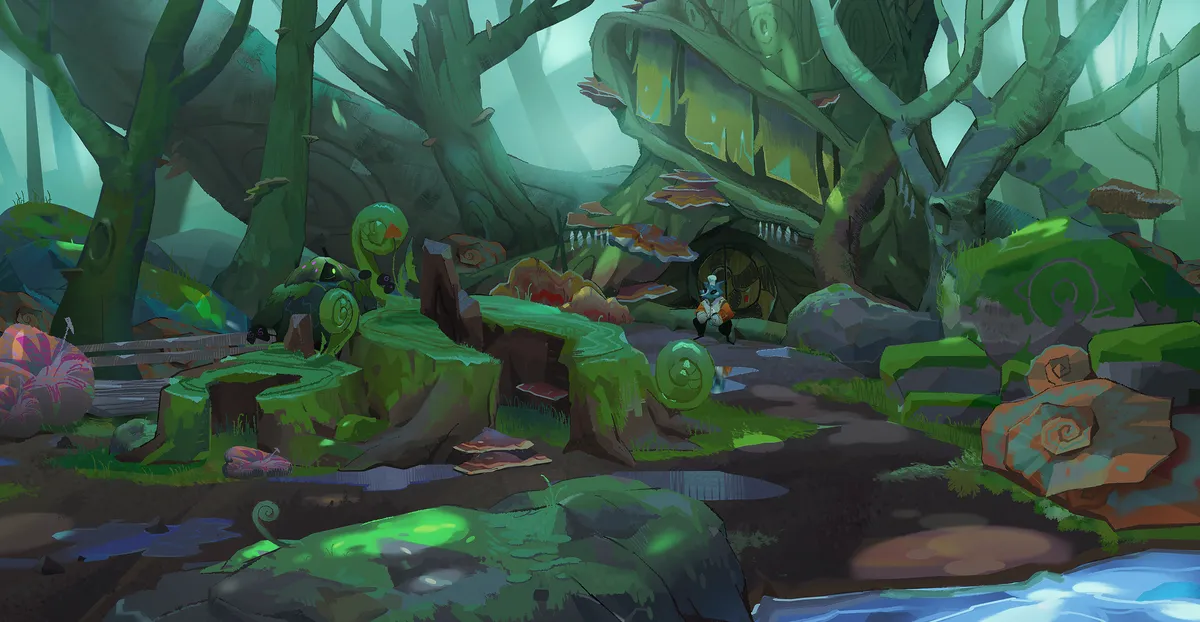
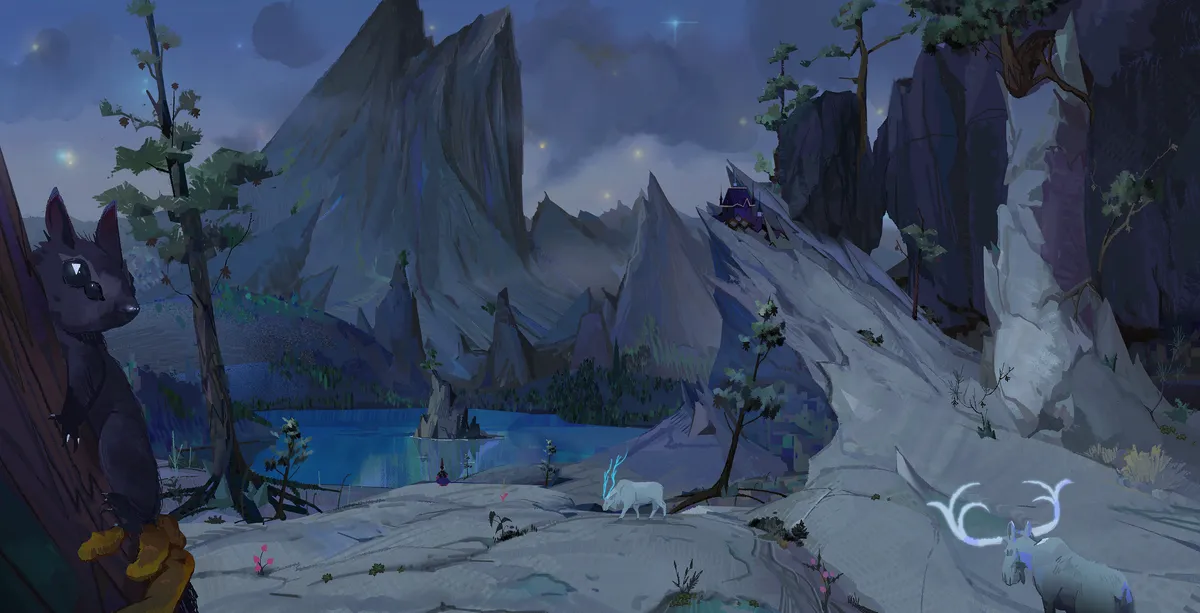


A key phrase she tells me that became indie developer Timberline Studios' North Star for the overall visual direction was "charmingly weird", which Rado sums up as having "this tactile feeling where you're in this space with food and characters that you feel like you can touch, but they're also dialed up and exaggerated in a way that makes everything feel like a higher intensity."
Perhaps an overt example is that, unlike other fantasy RPGs that often contain foods that will be familiar to us in the real world, the food you cook in Beastro is actually made up of magical and odd ingredients, including fictional plants and monster parts, the latter not necessarily something you might instinctively find appetising. Yet despite this fantastical slant, the team nonetheless infused this with real-life inspirations.
"Most of our team is based in LA, so a lot of the recipes they were designing were meals that they have experienced in LA or on their travels," Rado explains. "So a lot of the dishes might have monster parts and be really exaggerated, but they came from other team members who had a dish from a restaurant that fits a flavour region really well. I think for the player, it's like seeing meals that you can recognise and translate that as, 'Oh, that is delicious, and I have a real-world understanding of what that dish is based on.'"
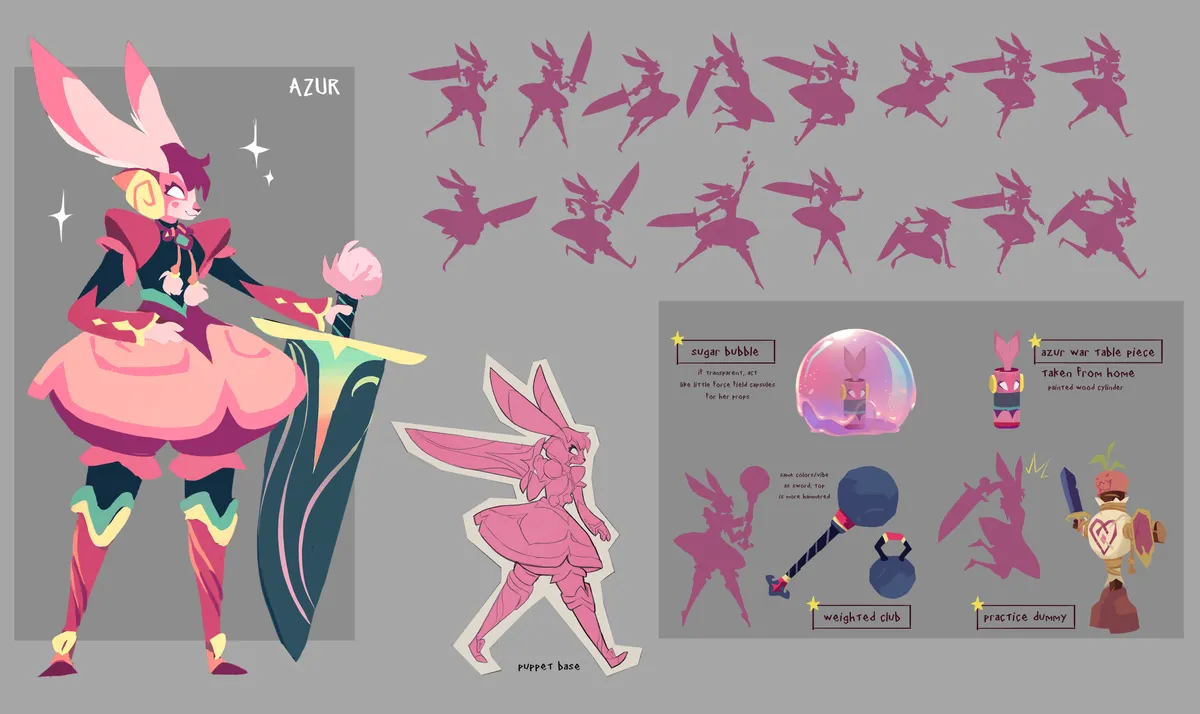
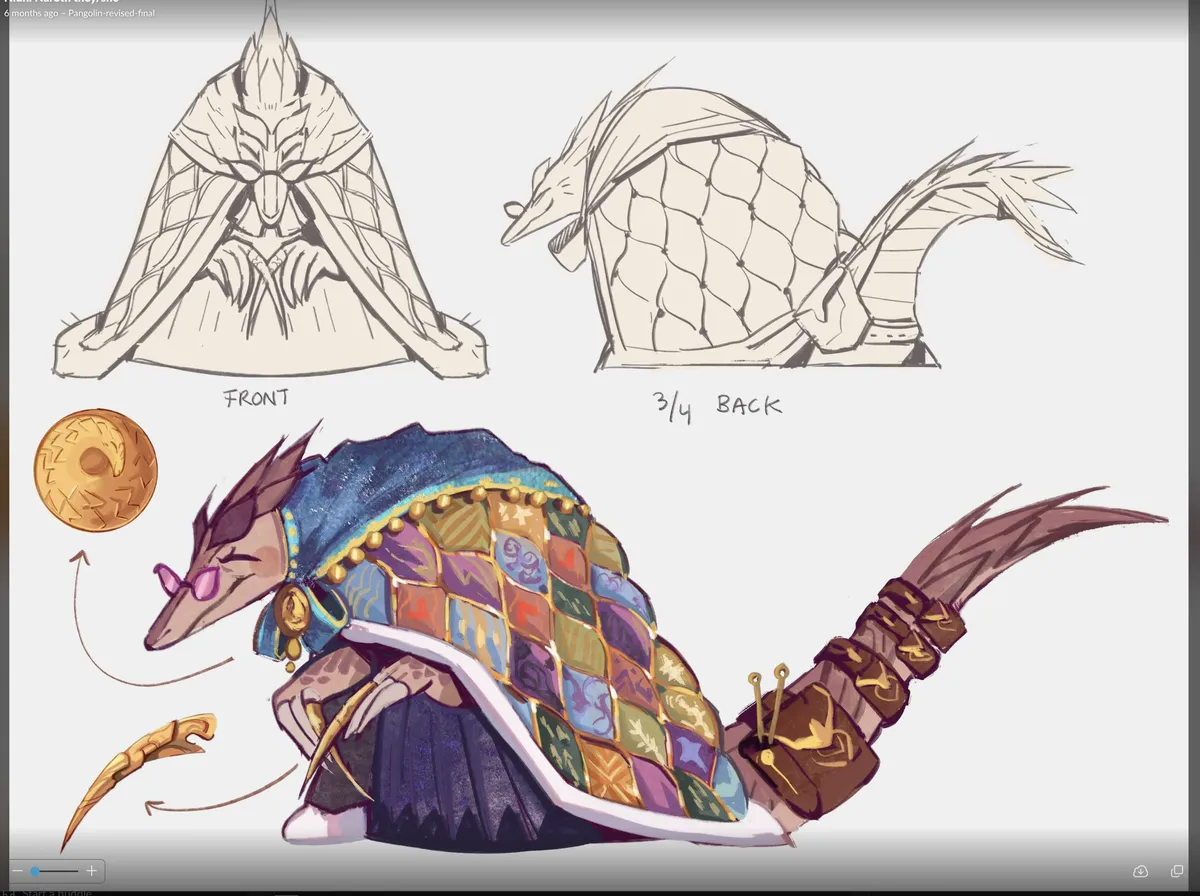
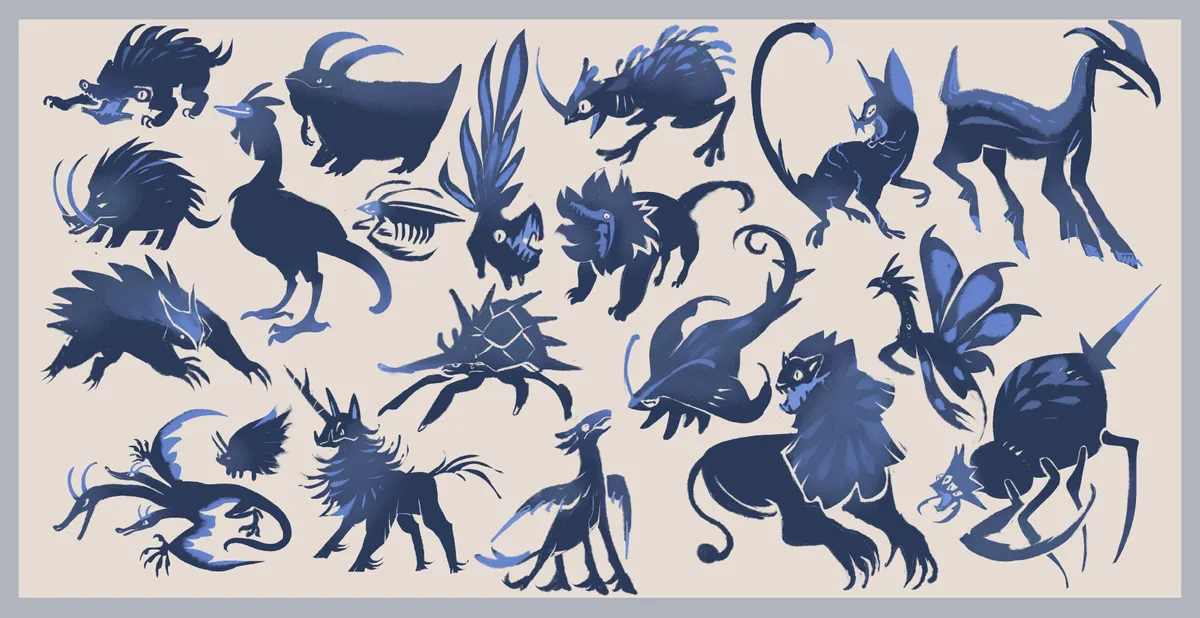
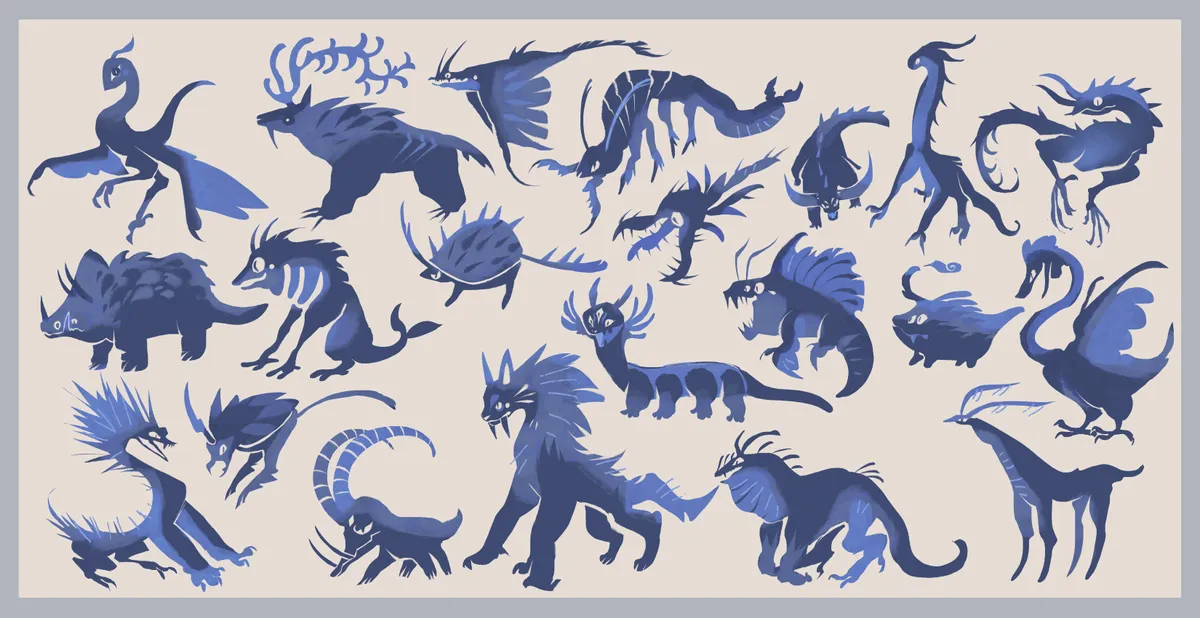


While a very stylised game, with the American anime series Kipo and the Age of Wonderbeasts as an early influence (that show's art director, Angela Sung, also produced early concepts of Beastro's flavour biomes), Rado says that Unreal Engine 5 also provides many useful tools to help realise this aesthetic. "We did use Lumen with our lighting, but we also really relied on colour grading, making sure there's a heightened sense of light and colour," she explains. "We could also build shaders so that we have a slight outline on our characters to help them stand out from our painterly backgrounds."
Although the game is essentially set just in the walled-off town of Palo Puri, Beastro also wants you to get a sense of the world outside of it and the flavour-themed biomes visited by the caretakers (the game's equivalent of the usual adventuring heroes of an RPG). Given the constraints of this indie studio, this side of the game is brought to life as a playful retelling, where those adventures are presented as paper-puppet theatre and deck-building battles.
"We wanted it to be a departure from the main world's visual style in the sense that you're in a very different gameplay mode, but we wanted it to feel really light-hearted and physical, and sometimes even a little bit silly," says Rado. "Our concept artist, Nidhi Naroth, is an illustrator and has this really charming visual style that's got a lot of whimsy and visual flourish. We really wanted to lean heavy into that for the puppet theatre and make this feel like a very physical space in 3D so that you've got these 2D puppet elements, but they're catching on fire and crumpling when they get hit."
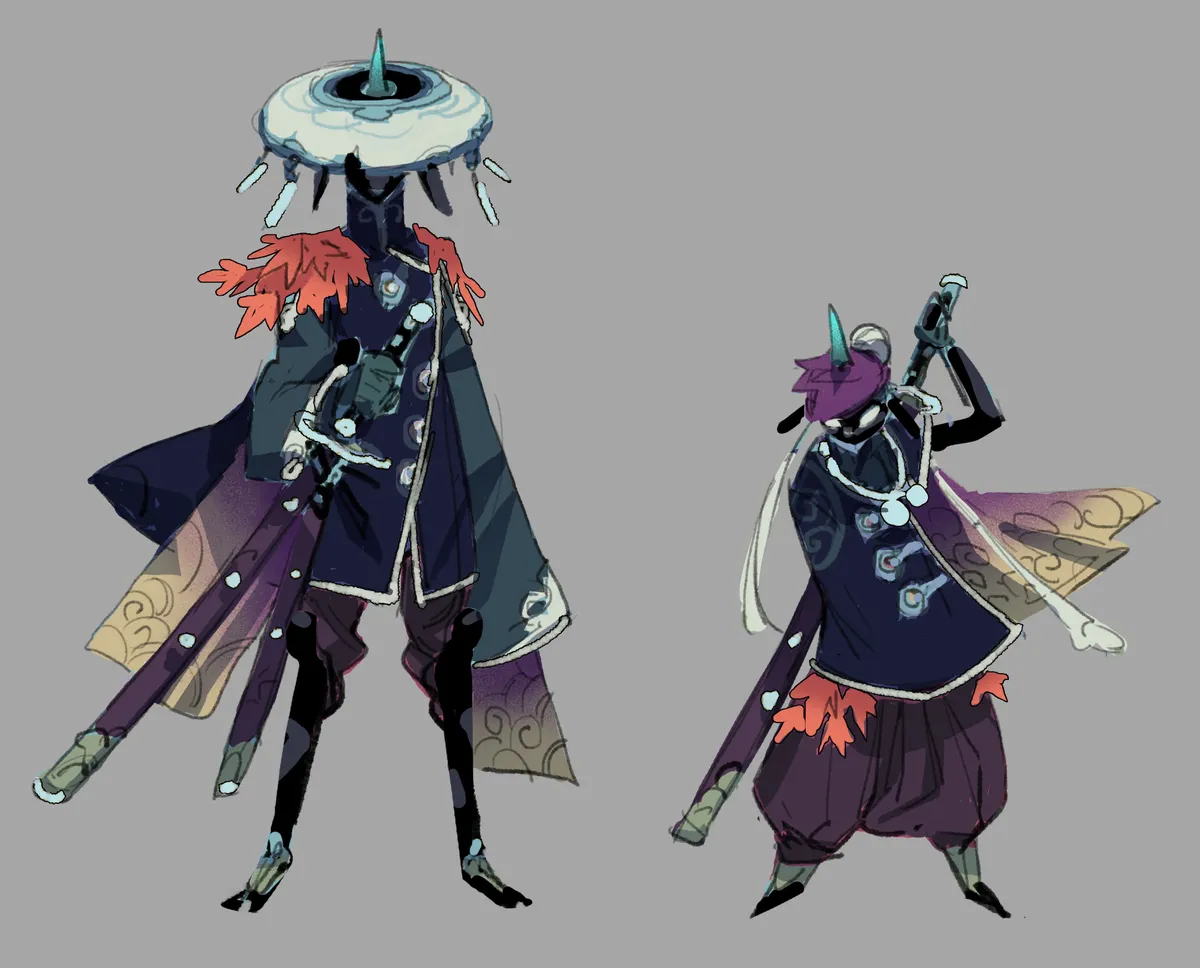
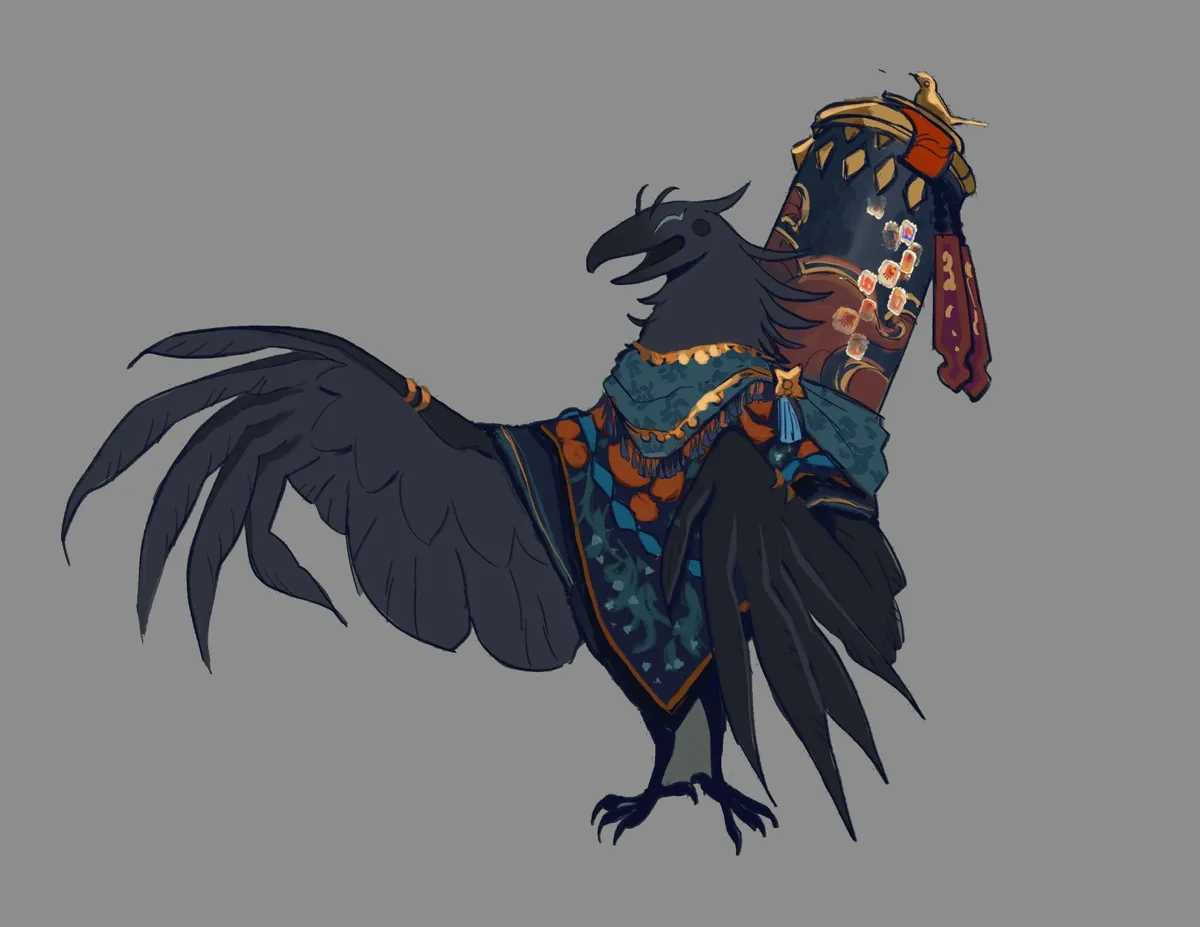
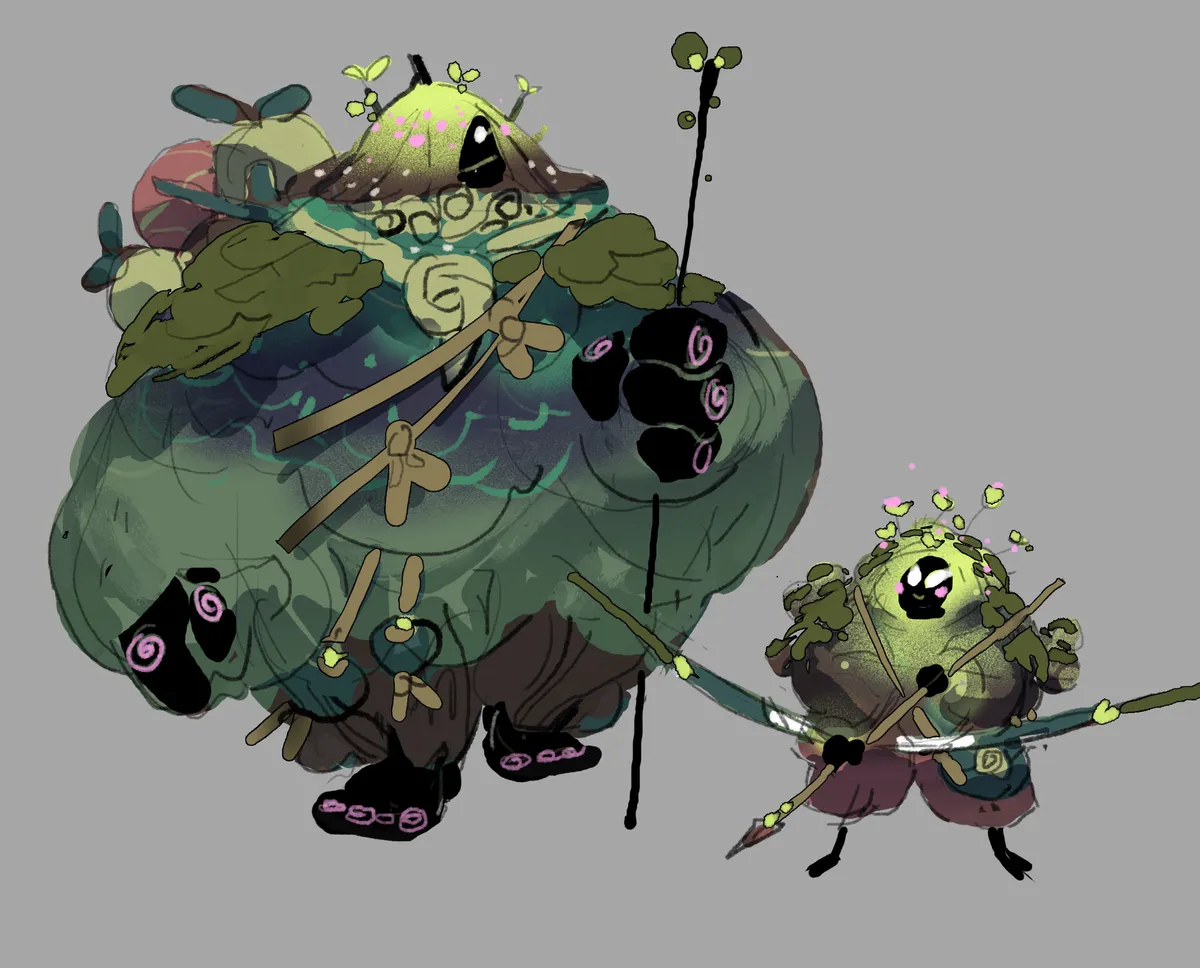


Unreal Engine 5 again proved invaluable for realising this aspect of the game, with Sequencer a key tool for the animations. "Animation blueprints were huge for the team, as everything was animated in Unreal directly into the game," says Rado. "It saved a ton of time versus having a pipeline where you're importing and exporting and then pulling into Unreal."
Between the painterly environments and food, the anthropomorphic characters with a harder-edged cartoony look, and the handmade puppet theatre depicting the world beyond, it's then fair to say that Beastro's art direction is as diverse and flavourful as its meals.