Within a few days, we've had news about the relaunch of two social media platforms from the past. Vine, the short-form video platform that was bought by Twitter in 2012, is being resurrected as Divine. Friendster, the OG social media platform that paved the way for Myspace and later Facebook, is also back as an iPhone app.
While a lot of today's TikTok and Snapchat users might never have heard these names, they'll bring back memories for many millennials. But this revival feels like it's about more than just nostalgia and a resurgence of Y2K trends: it's a reaction to the problems with today's big social media platforms.
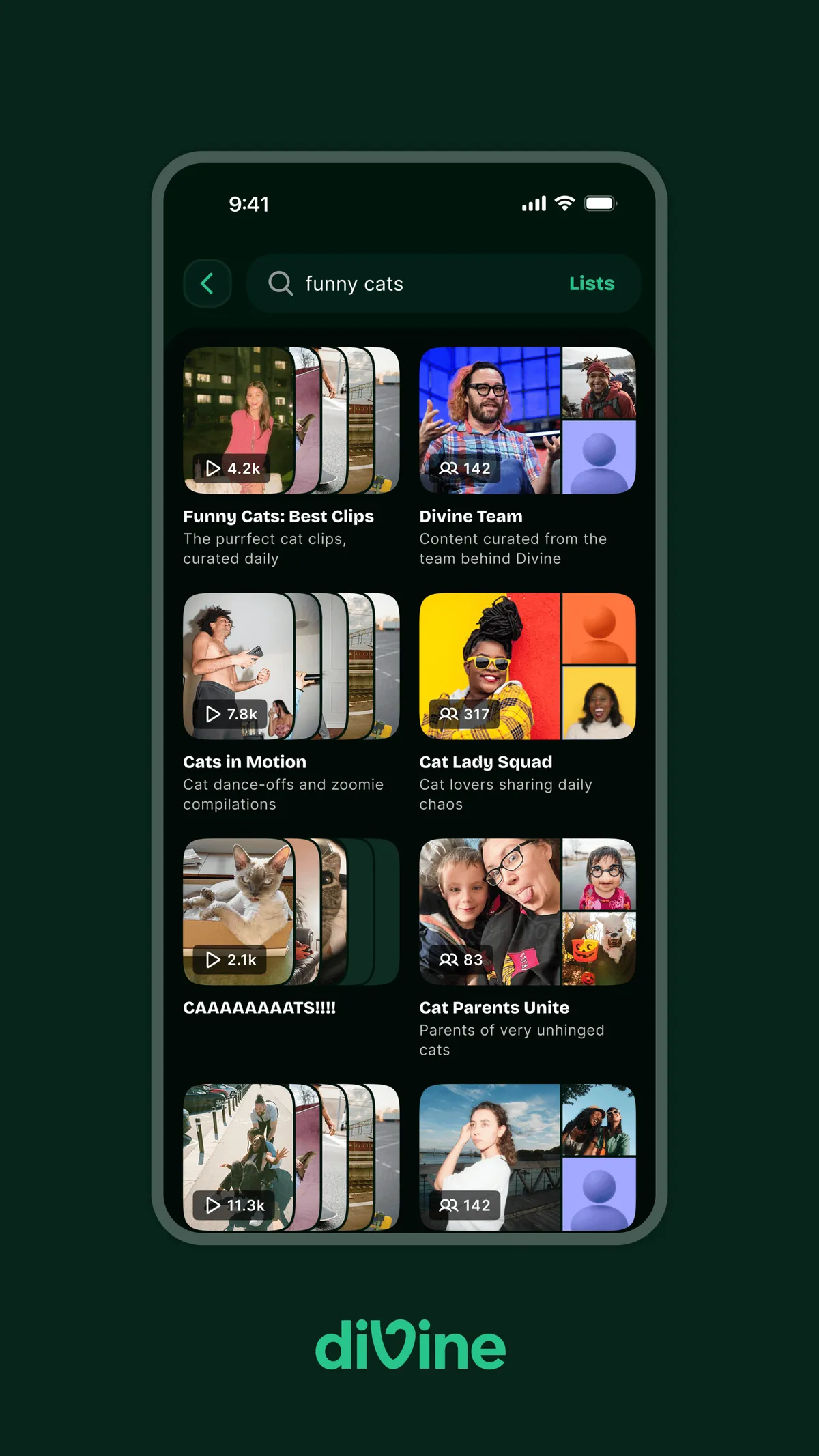
The new Vine – sorry, Divine – retains its predecessor's focus on looping six-second videos with a renewed emphasis on creator ownership. With a Cryptographic Video Authenticity model helping audiences identify real content, it promises to be a "place for authentic, non-AI-generated media... focused on creativity and constraint over engagement for an ad algorithm".
Twitter co-founder Jack Dorsey is supporting the relaunch and thinks Divine will "provide a host of tools and services to support the growth of the creator economy".
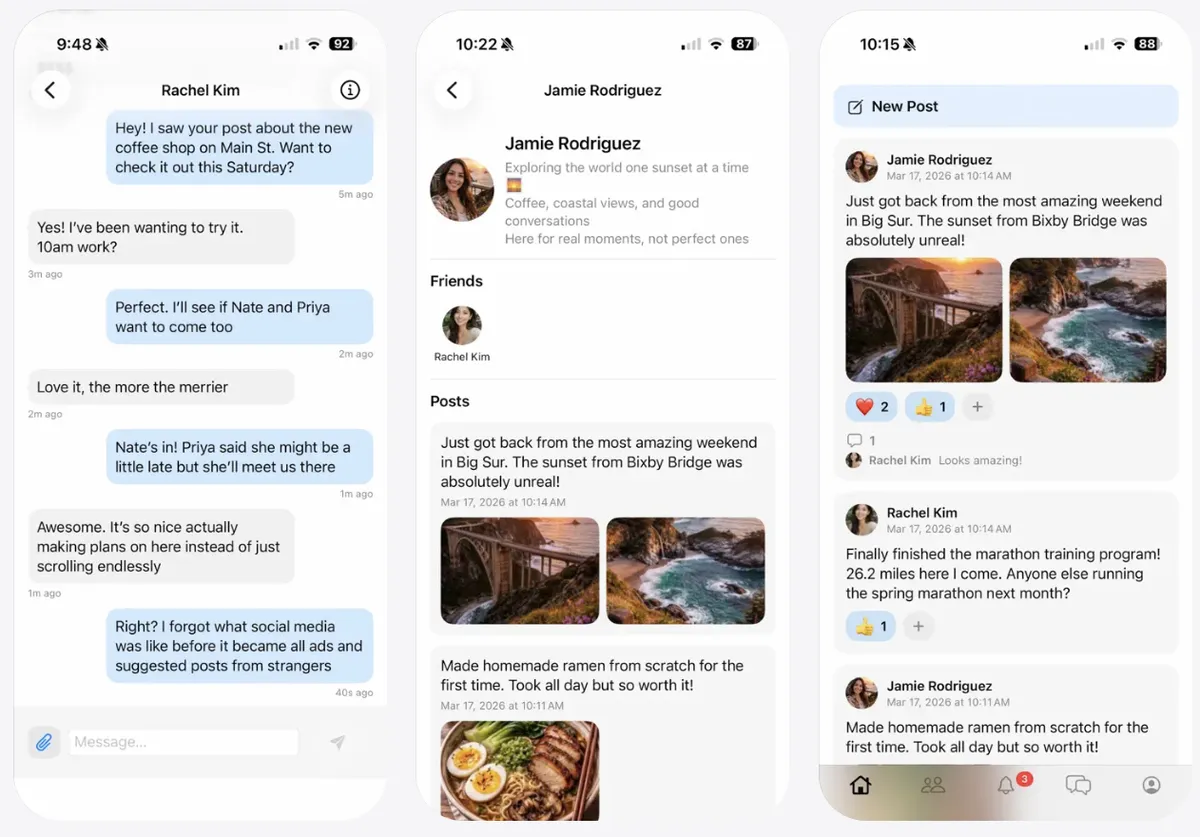
The relaunched Friendster has certain similarities in its ethos, but it takes things further.
The original platform was launched by the Canadian engineer Jonathan Abrams in 2002 as one of the first major social networks. It was sold and moved into social gaming in 2011 but shut down in 2015, two years before Twitter closed Vine having not been able to find a business model that worked.
The new Friendster looks very different and promises no algorithms, no ads and, most radically, no friends (at least not when you sign up).
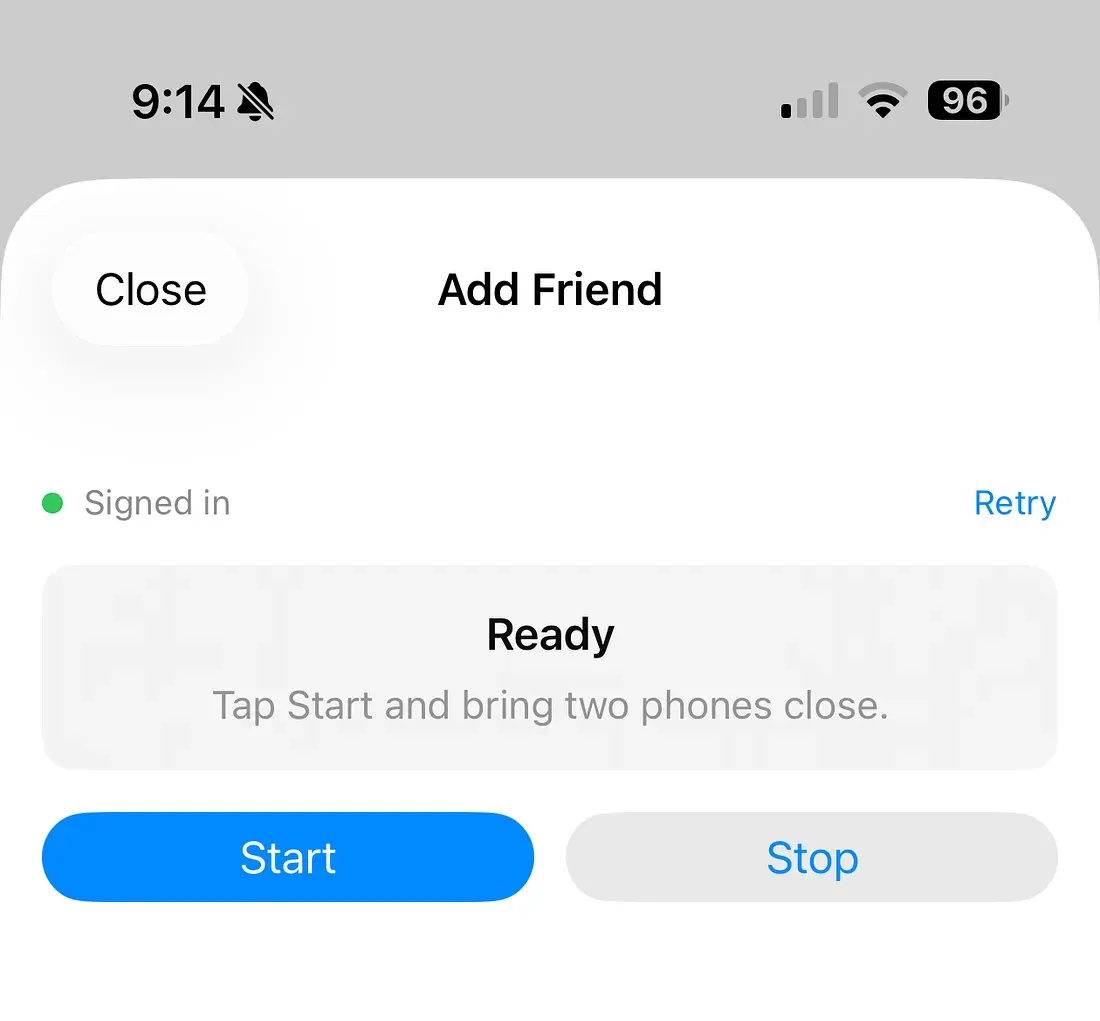
You can't follow people, and there are no 'friend suggestions'. Instead, you can only connect with people on the platform when you meet them in real life and physically tap phones together with the iOS app open (yes, you can only befriend people that have an iPhone).
That makes the new Friendster feel strikingly barren when you download it, but there's also no danger of doom scrolling because are no posts from strangers being fed to you. Building your social network becomes more connected to the real world again: slow, physical and not dictated by algorithms.
Mike Carson, a programmer who bought the Friendster name for just $30,000, writes on Medium that he was inspired to resurrect the platform because he and his wife met on OkCupid.
"I wouldn’t have my kids without it. Websites like that genuinely change the course of people’s lives — people meet, fall in love, build families. That’s incredible to me," he says.
On the Friendster app, you'll be able to see your friends’ friends and request to message them – a feature intended to encourage users to reach out to arrange meetings with new people in person. Connections will fade if two friends go a year without tapping phones, which Mike says is intended as a "gentle nudge that real friendships are kept alive in person, not online".
The big social networks like Meta's Facebook and Instagram and Elon Musk-owned X (formerly Twitter) aren't social anymore. They're saturated with ads, and they're not doing enough to prevent our feeds from becoming a sludge of fake news, engagement bait and AI slop.
Back in March, a just in LA found Facebook and YouTube liable for designing addictive products that harmed a young user. That's been seen as a milestone that could shift change UX design in social media, but Meta and Google haven't shown any signs of shifting their approach yet.
Several platforms have emerged in recent years to try to address such complaints. Cara has become popular with artists thanks to its anti-AI stance but hasn't won mainstream appeal. Bluesky continues to grow as a Twitter alternative but hasn't yet taken off in terms of active daily users.
Could names from the past like Friendster and Vine do better? They still have brand recognition among those of us old enough to remember them, and nostalgia may appeal to the growing ranks of people seeking out low-tech gadgets like iPod alternatives and dumb phones.
They're unknown names among younger users, and it's historically been difficult to resurrect a platform whose time has passed. But as more people start to question how much social media adds to their lives, younger users could also start looking for more minimalist platforms.