Our Verdict
The Xenns Mangird Tea Pro came out in late 2024, and it's still one of the best IEMs to buy at $359 in 2026 – as long as you're not after that high-treble, 'Detail Monster' experience. What the Tea Pro does exceptionally well is provide a rumbly, thumping bass, a vocal-forward midrange, and a non-fatiguing treble, all of which combines for an elevated interpretation of the 'all-rounder' IEM.
For
- Lush, musical sound
- Big bass
- Best in class build
- Non-fatiguing treble
- Vocal-forward set
Against
- More detail elsewhere
- Better soundstage elsewhere
Why you can trust Creative Bloq Our expert reviewers spend hours testing and comparing products and services so you can choose the best for you. Find out more about how we test.
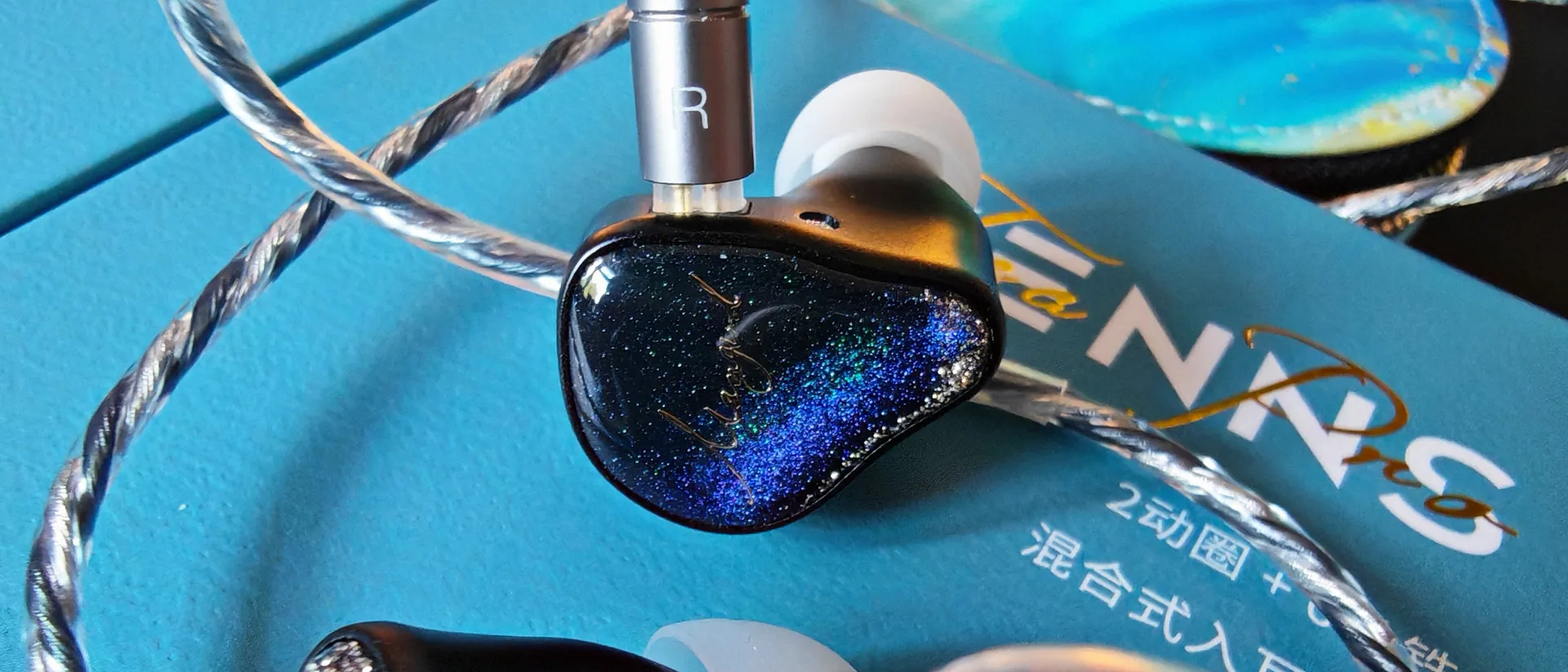
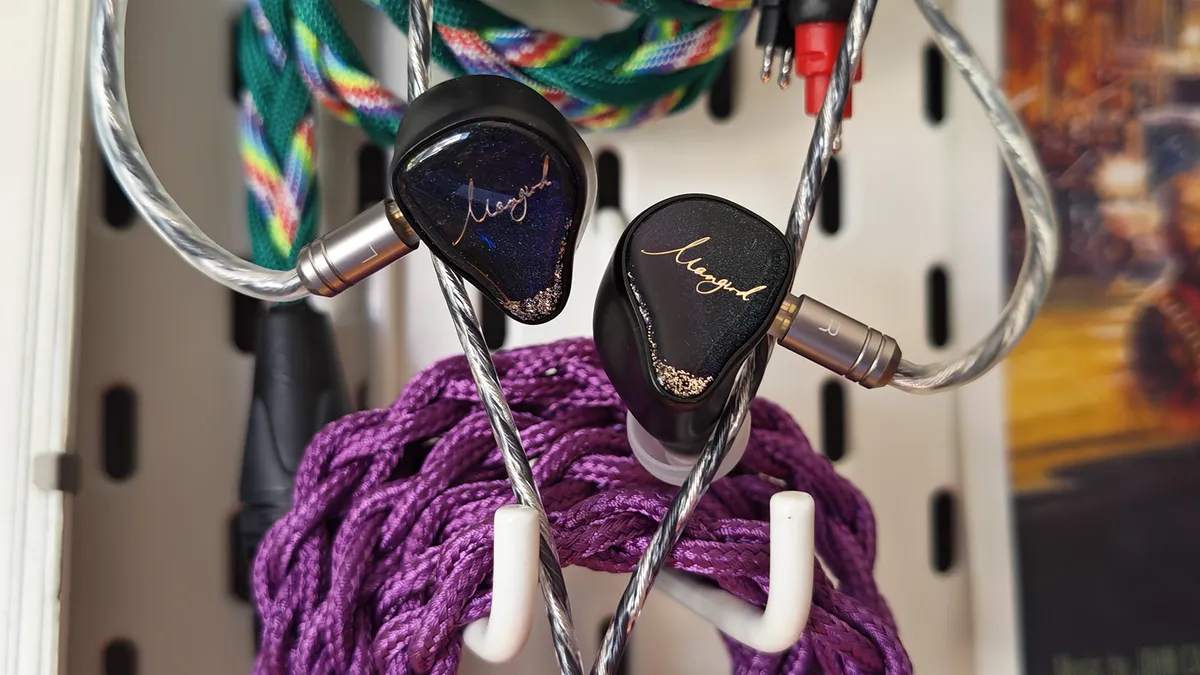
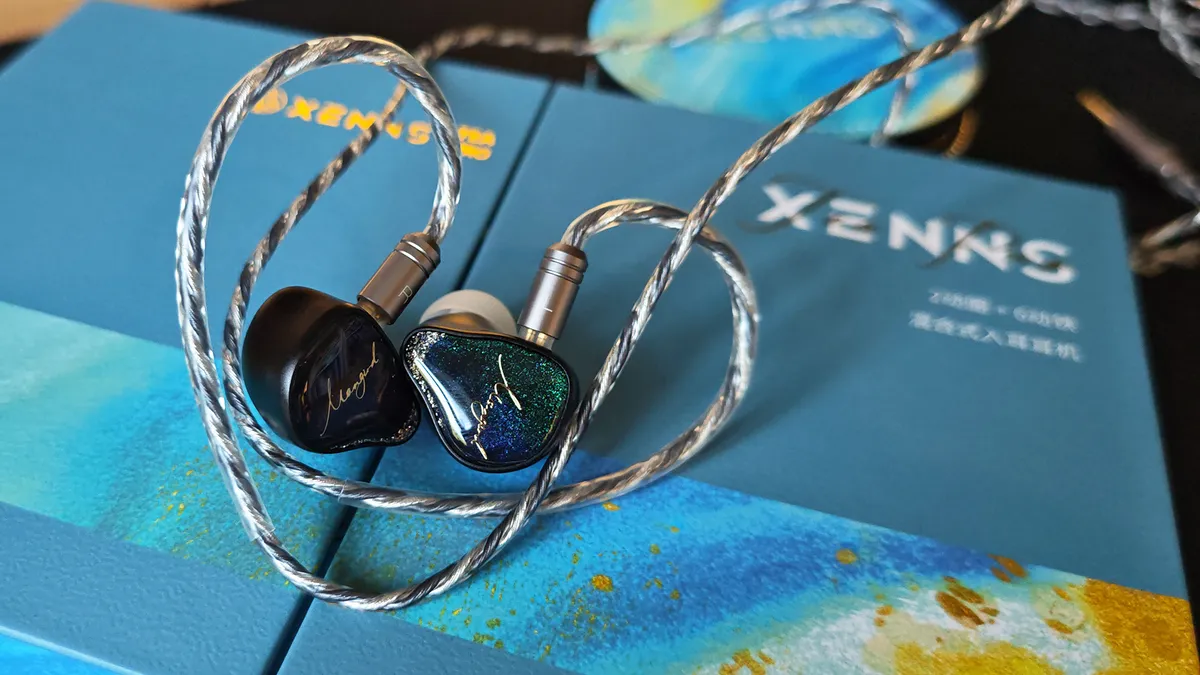
I'll be frank: I don't overly like the look of the Xenns Mangird Tea Pro. I mean, it's OK, but the gold script and glitter verges on chintzy. I generally avoid talking about an IEM's looks as it's so subjective and, after all, you've got eyes.
Yet even with this visual barrier, it's one of my favourite IEMs to date. This is a hobby where visual cues can meaningfully influence how a person processes audio. Warm or cool colours, wood or metal materials – it all adds up to influence what we expect from an IEM's sound, and what we focus in on when listening to it.
And yet, regardless of not particularly liking the Tea Pro's faceplate, I love how it sounds.
Price: $359/£320
Release date: August 2024
8 drivers: 2 dynamic; 6 balance armature
Material: Aluminum alloy, UV resin faceplate
Cable: 1.2m; both 3.5mm and 4.4mm termination
Impedance: 13Ω @ 1kHz
Sensitivity: 104dB/Vrms @ 1kHz
Weight: 6.65g each
So much so, I delayed writing this review because I enjoyed using them so much: Taking them on my commute to work, listening all day, taking them with me when I pop to the shop... basically using them whenever I could. I was enjoying them too much to start thinking about why I liked them.
In a nutshell, I like them because they're incredibly engaging. There's sub- and mid-bass weight, forward vocals, a non-fatiguing, measured lower treble, and air that brings detail... I can listen to them all day, and get so much from them.
But are they for you? Or would you do better checking out something brighter, like the Binary Acoustics EP321, or saving some money and getting one of the best budget IEMs alternatives instead?
Sound profile

Overall, this is a very musical, smooth, and easy-to-listen set that still remains interesting enough to bring you back. It gives you forward vocals with a bass boost, residing somewhere between warm and exciting. You get a U-shaped sound with solid sub-bass and airy treble, but with a well-balanced midrange. The tonality is natural enough, and though its resolution is slightly sub-par for the price range, because it hasn’t gone all in on the spiky-treble-that-reveals-all-detail approach, you get something interesting: Good enough resolution, plus all the fun and punch and lushness that you generally won't get with those sharpened detail generating machines.
There are more resolving IEMs out there for less, such as the $310 Binary Acoustics EP321 (often on sale at around $290), and yet the Tea Pro excels in imaging and separation, and that goes for bass instruments, midrange vocals and high frequency cymbals. That, as well as an immersive bass, makes the Tea Pro great for gaming too.
Bass: I can totally see the Tea Pro's mid-bass being the star of the show for some, and it's also backed up by a beefy sub-bass for good measure. Combined, you get good detail and texture for all forms of bass – from 808 drops in hip hop, to bass guitar in neo soul and rock. Yet the lower frequencies aren't totally separated from the lower mids. It feels connected, and although that means there's a touch of bass bleed into the lower mids, it's not distracting. Still, that could be a deal breaker for some.
Personally, I like the Tea Pro's approach to bass. It’s thicker and warmer compared to the previous Tea 2 IEM, which had a leaner mid bass, though I wouldn't call the Tea Pro a bass-head set. This is more about the texture and detail, rather than drowning in the low end (which, I'll admit, can be great fun).
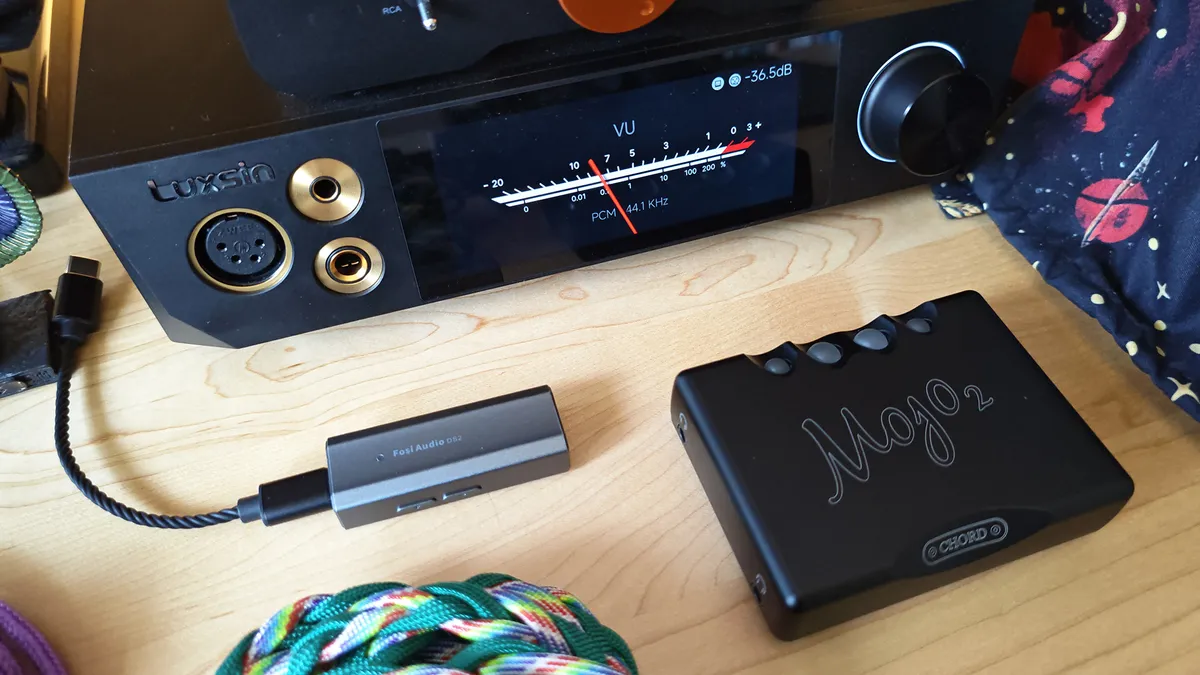
For all my headphone and IEM reviews I play them through the Luxsin X8, Chord Mojo 2, and both the Fosi DS2 and Kiwi Ears Allegro Mini IEM DAC/Amps, as well as straight from my MacBook Air (M4). This ensures sufficient power for peak performance, while providing a transparent source for a clean, detailed signal. My music sources are Spotify Lossless and CDs.
Midrange: As mentioned, there's a slight bass bleed into the lower mids, which is mainly noticeable when comparing the Tea Pro to something sharper and more defined like the Ziigaat Horizon. And yet I'd still call the mids clear and balanced, just a bit more warm and engaging than colder sets. It does a great balancing act between clarity and richness, with its detailed mids laying on a bed of that warm bass.
There’s an open presentation to the midrange, though the Tea Pro's soundstage is fairly intimate, not wide. The upper mids are a little pronounced, so you get good forward, full vocal presentation.
The dynamics – the contrast between the big, impactful sounds and the subtle, tiny fluctuations of sound – are great. Listening to Stravinsky's Augurs of Spring, and the stabbing strings contrast startlingly with the woodwind passages. There's power and subtlety throughout, and I don't feel like I'm missing out on a single note.
Treble: The truth about treble in IEMs is that there's always going to be someone who finds a presentation too much, and from what I've read about the Tea Pro, although it's not common, some do find the airy frequencies too strong when listening to the Tea Pros at loud volumes.
I'm definitely with the majority here. For me, Xenns has tuned the Tea Pro to come across as smooth in the lower treble, but with well-placed accents in the air to give us a fresh counterpoint to all that banging bass. Now, if that sounds like a V-shaped sound signature, you'd be half right. With its impressive midrange, it's more accurate to call the Tea Pro U-shape, but that's all just shorthand for what's going on here. And what's going on here is balanced musicality.
Don't get me wrong, the treble isn't class-leading in micro-detail. If you're looking for something more analytical, which reveals every breath in a recording, there are other sets that will out-resolve the Tea Pro. Speaking of which...
Competition & value
Competition: If you want something more resolving than the Tea Pro, you don't have to go too far from the Xenns Mangird family tree. The Xenns Mangird Top Pro was released in May 2025 and offered a more resolving, revealing sound to the Tea Pro. It's also $499, so whether that extra treble, and less bass, is worth $150 is up for debate. I've read fans of both, so I definitely wouldn't presume the extra money equals better sound. It's a different approach to bass and treble, with almost exactly the same midrange. The Tea Pro’s midrange takes a slight backseat to the Top Pro's in reality. There’s more technical chops to the Top, especially for vocals, and they’re more detailed but remain natural.
Just a smidge cheaper than the Tea is the Softears Volume S at $320. Now, this is a good alternative if you want a neutral sound that prioritises accurate timbre and tonality over everything else. Gone is the Tea's sub-bass warmth, and in its place is an incredibly natural tone. This is not a coloured set, and has been described as the IEM version of the Sennheiser HD 650 headphone for its dedication to natural mids and therefore natural, 'right-sounding' vocals. Like the Tea Pro, it's not particularly technical, and isn't the most detailed, but its super power is in its superior natural tonality.
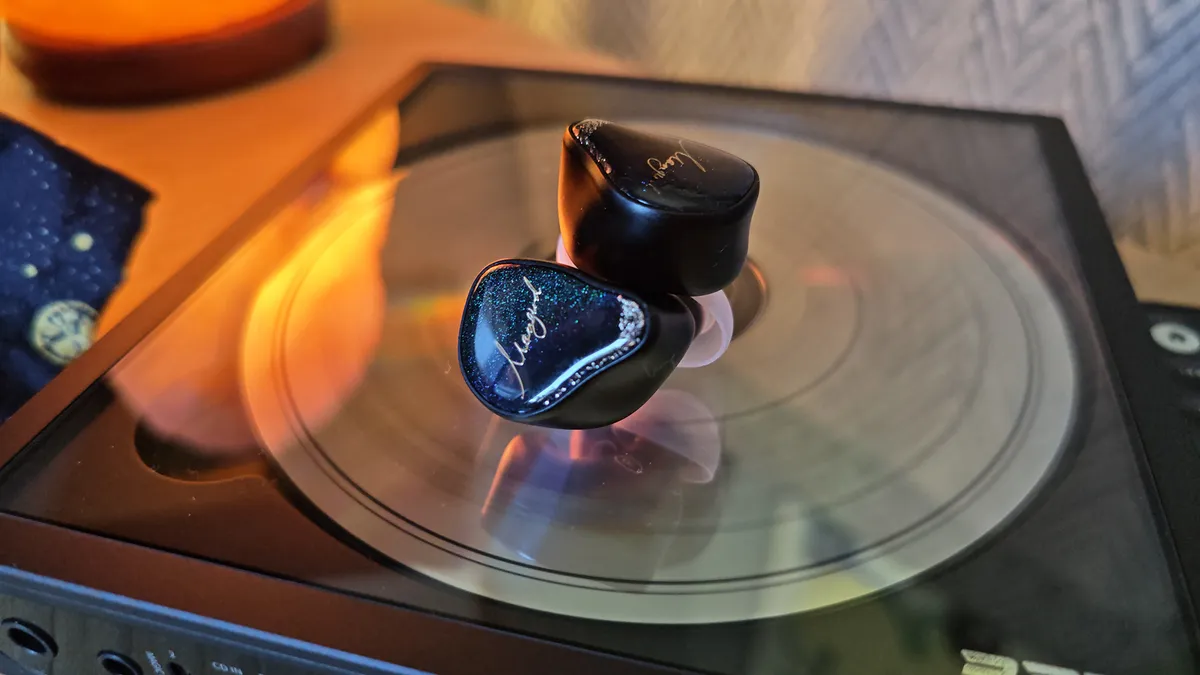
So what is the Xenns Mangird Tea Pro's value proposition? I'd say that this is basically the most competitive price range in IEMs in 2026, so an IEM has to excel at something to stand out from the crowd. And that's exactly what the Tea Pro does. It's warm-neutral sound is different enough to other competition to justify the $360 asking price. It also helps that the Tea Pro's build is excellent (which really should be a given at this price). The interchangeable termination – both 3.5mm and 4.4mm – is great (and again, should be a given at this price). The metal shell and resin face looks and feels excellent in my hands, and I really like the cable, though it is a little stiff (which is actually a preference of mine – so beware if you prefer a more flimsy, pliable cable).
Should you buy it?
One of the headlines for this review that I was playing with was suggesting that the Tea Pro could be an End Game IEM for some people... Now, for the people who spend $1,000s on IEMs, the notion that a $360 set would be considered end game is, I'm sure, laughable. But I'm not one of those people. I don't have much money to spend on audio, so I'm only really interested in the absolute best-sounding IEMs at a price point I can afford. And because the Tea Pro is so damn friendly, inviting and well-judged, for me it absolutely could be an end game set for someone. But who?
Well, no one that wants a detail-generating machine. The Tea Pro's treble isn't spiky enough to pull that trick off. You get pleasing, well-balanced highs instead (with a good amount of air).
Also it's not for people who are bass shy. The Tea Pro is coloured here for sure, and its wads of sub- and mid-bass is way too much fun for the grey, sad people out there who are allergic to such joyous things.
And don't bother if you want some unique, 'daring', wonky tonality that used to be common in over-priced end game sets (though admittedly, this is seen less and less in modern IEMs). The Tea Pro is about as natural-sounding as can be expected with its pronounced bass – normal tonality replaces Mr Wonk Town.
I reach for the Binary Acoustics EP321 if I want to indulge in all the micro details of my library, but the fact that I've only done that once or twice since I've had the Tea Pro is telling. Turns out, I'm more than happy to pop the kettle on and sit back and relax with the warming, relaxing, and effortlessly musical Tea Pro instead.
out of 10
The Xenns Mangird Tea Pro came out in late 2024, and it's still one of the best IEMs to buy at $359 in 2026 – as long as you're not after that high-treble, 'Detail Monster' experience. What the Tea Pro does exceptionally well is provide a rumbly, thumping bass, a vocal-forward midrange, and a non-fatiguing treble, all of which combines for an elevated interpretation of the 'all-rounder' IEM.