Our Verdict
It’s hard not to love the retro anime style and instant gratification of the short-burst shooting, but Mullet MadJack can’t hide its repetition and a light loop, which makes this a great quick hit score-chaser, a must for anime fans, but no more.
For
- Exceptional visual design
- Fast, twitchy shooting
- Some nice retro game callbacks
Against
- Switch controls lack accuracy
Why you can trust Creative Bloq Our expert reviewers spend hours testing and comparing products and services so you can choose the best for you. Find out more about how we test.
Publisher Hammer95
Developer Hammer95 Studios
Release date 30 April (out now on other formats)
Format Nintendo Switch (reviewed), PlayStation 5, Xbox Series X/S, PC
Platform Unity
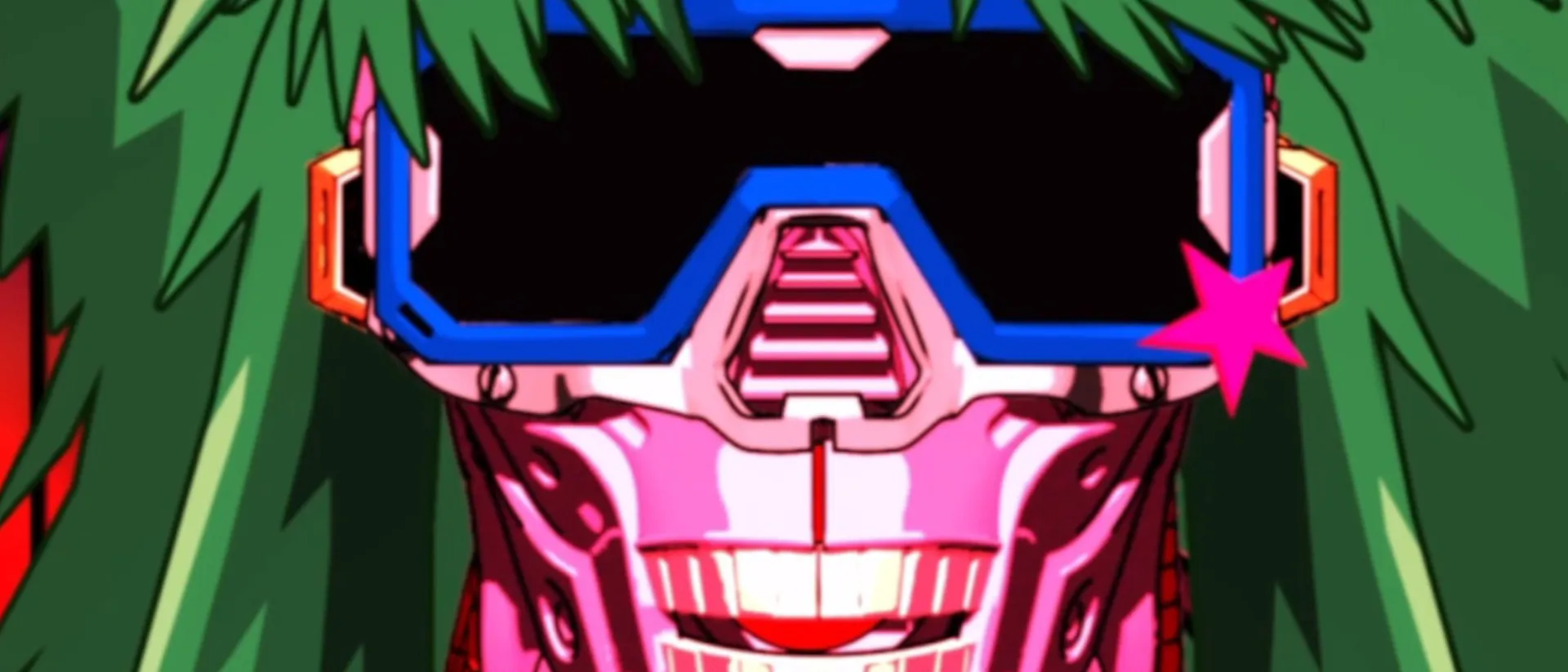
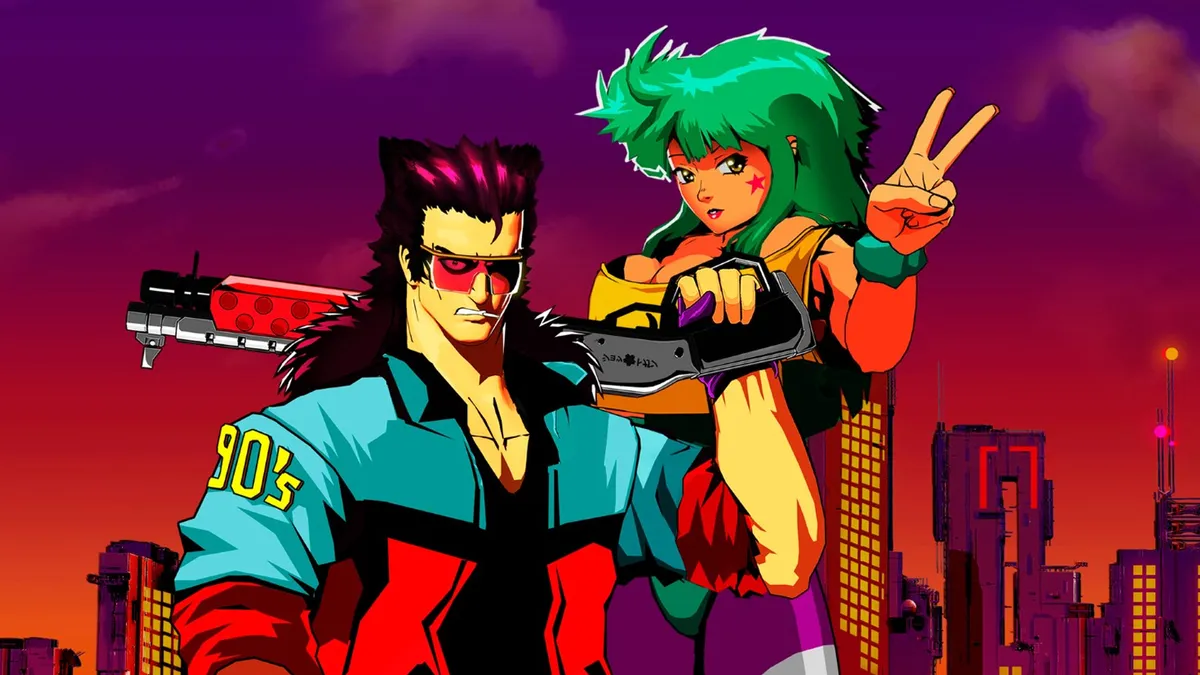
Mullet MadJack on Nintendo Switch feels like it’s been pulled from a lost shelf of late-night VHS anime. Like its referenced points, the best anime of the '80s and '90s – Riding Bean, Ghost in the Shell – this twitchy shooter is messy, loud, funny and way more fun than it has any right to be. It’s all here, from the attitude, the grime, the saturated colours, and it instantly pulled me back to that era of 90s anime excess, with flashes of Akira in the harder sci-fi edges, though this leans far more into chaos than contemplation, with a hero who could sidle up to Fist of the North Star’s cast.
What really sells it is how committed the Mullet MadJack is to that anime aesthetic; it’s not just a veneer slapped over menus and intro cutscenes, it runs through everything, from the glitchy, cluttered mission briefings and UI that look like MS-DOS readouts piped through Discord, the perk screens that feel ripped from an old CRT, even the way levels pulse with pixel colour and noise. There’s a deep sense that this game was made by people who love this genre, not simply the anime aesthetic, and we're actually in a renaissance for this right now, with the brilliant Screamer riding high right now.
The premise matches the Unity-made art direction and is ridiculously arcade in the best sense, and sets up a kind of life-as-gameshow approach that pitches the idea, sometime in the future, humans have become so dependent on dopamine hits that their bodies literally drain life unless they keep the stimulation going, and that means killing, constantly, violently, without pause. So you, as 'Moderator' Jack Banhammer, are thrown into a tower, killing floor by floor, trying to rescue a kidnapped influencer while your health ticks down second by second, forcing you forward whether you’re ready or not. It’s a neat hook, and more importantly, it feeds directly into how the game plays.
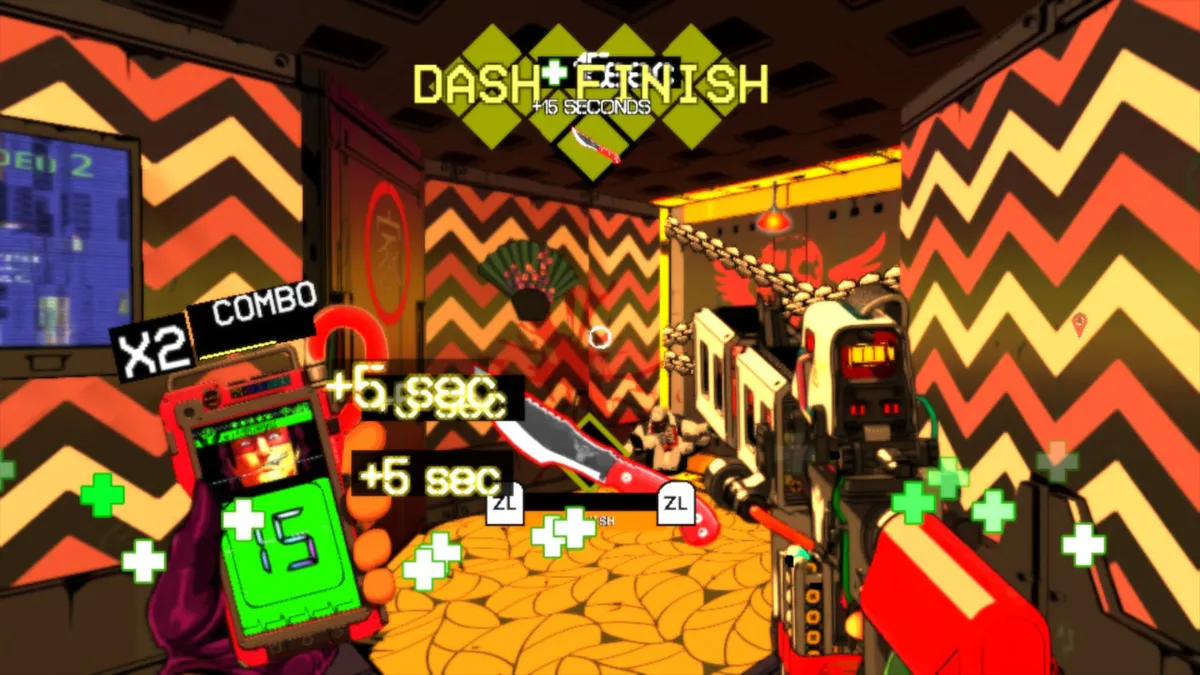
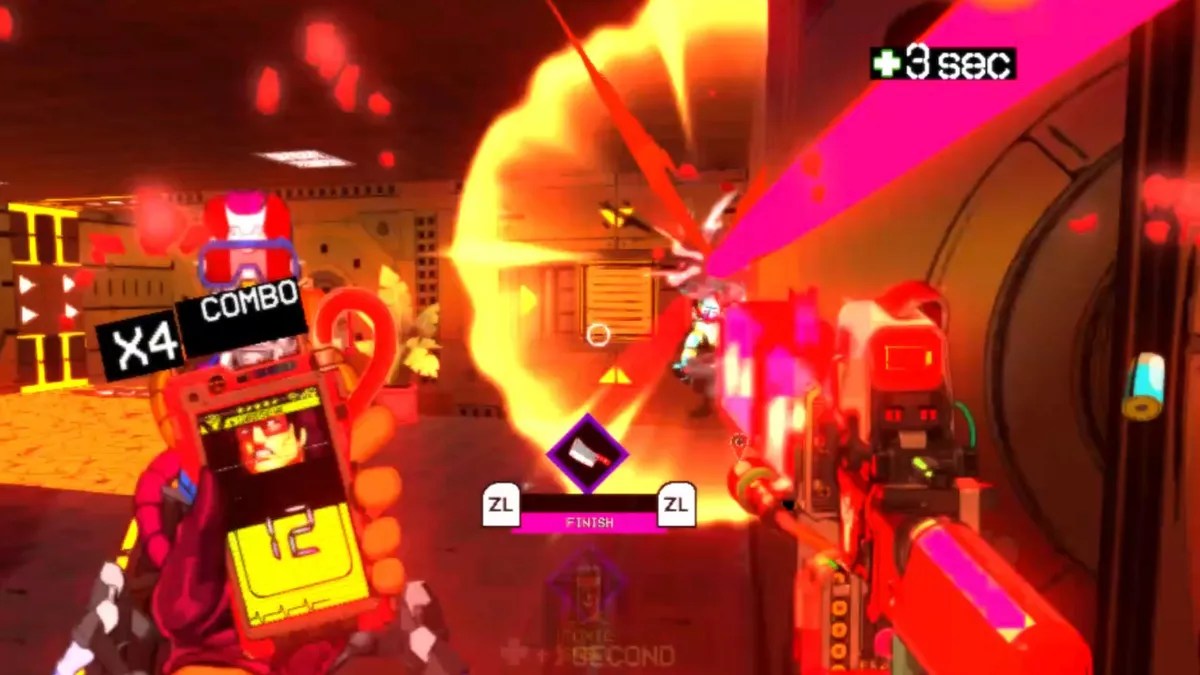
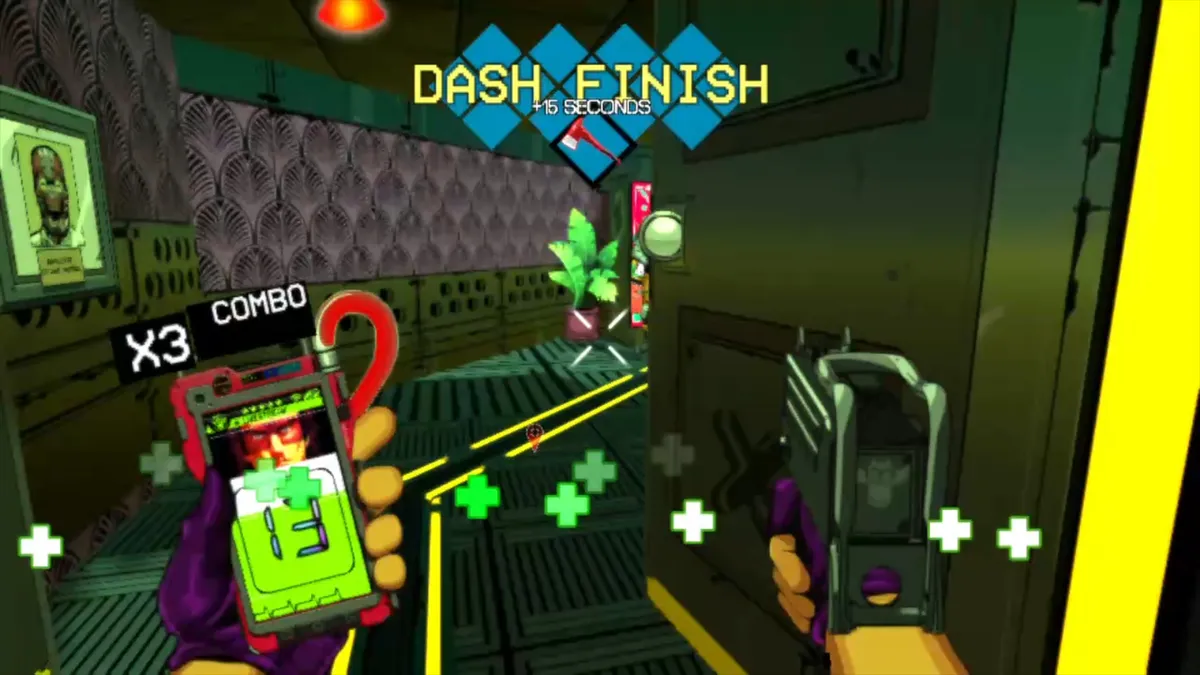


Mullet MadJack is fast, very fast
Everything is built around speed and momentum, with missions lasting seconds and feeling like little bursts of contained chaos. You kick down doors, blast through a corridor, maybe hit a short maze-like detour, grab a sugary drink, shotgun a good into a fan with gory results – bonus! more time, more health – then you’re out. There’s no real space to explore and seek out Doom-like secrets, hidden rooms or rare collectables. Mullet MadJack is just forward motion, and it’s refreshing because of that simplicity.
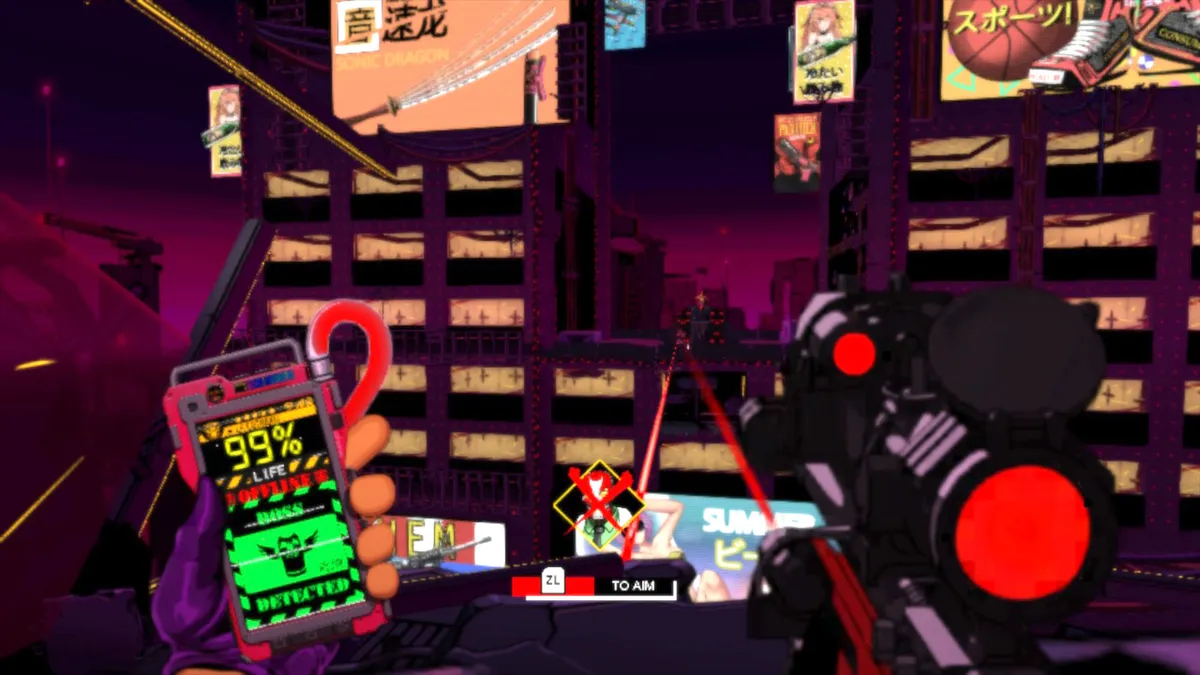
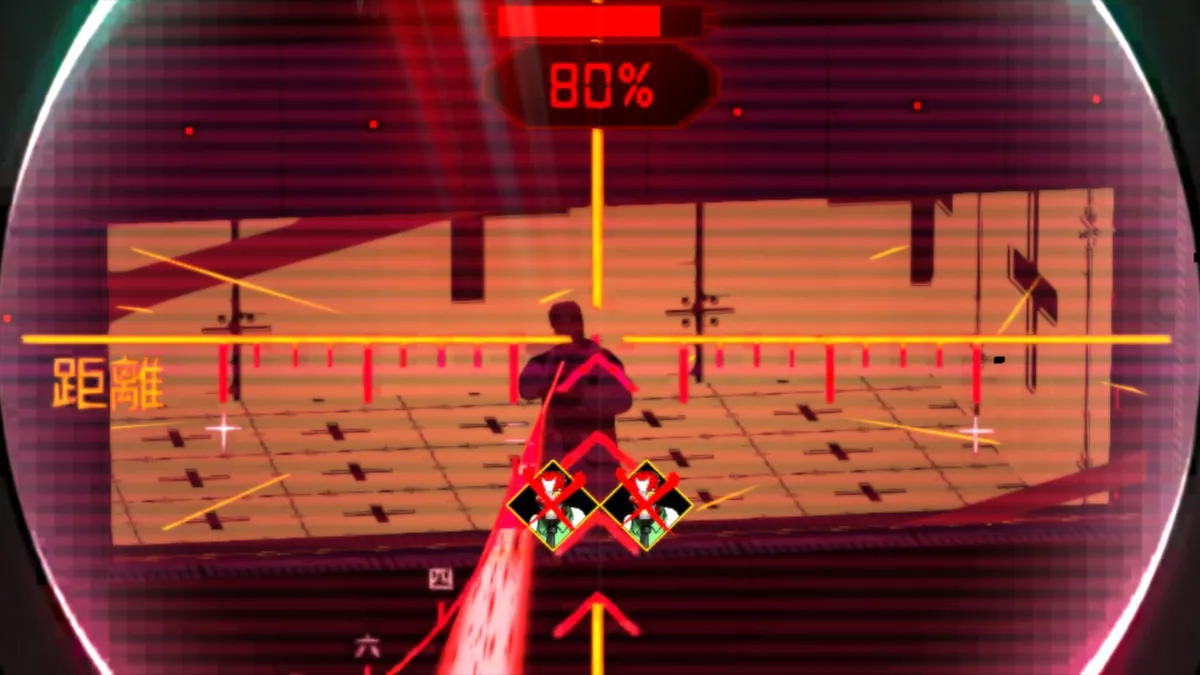
But staying too long, I start to feel the setup's limitations. Repetition creeps in as those same rhythms and core loop rarely change. There are some cool-down moments and some surprises, such as when the ‘show’ turns off the dopamine drain and you must rush to a boss, or the time the game briefly turns into Silent Scope, and I love its refresh, then it rugpulls it away, and we’re back to the fast, twitch-shooting.
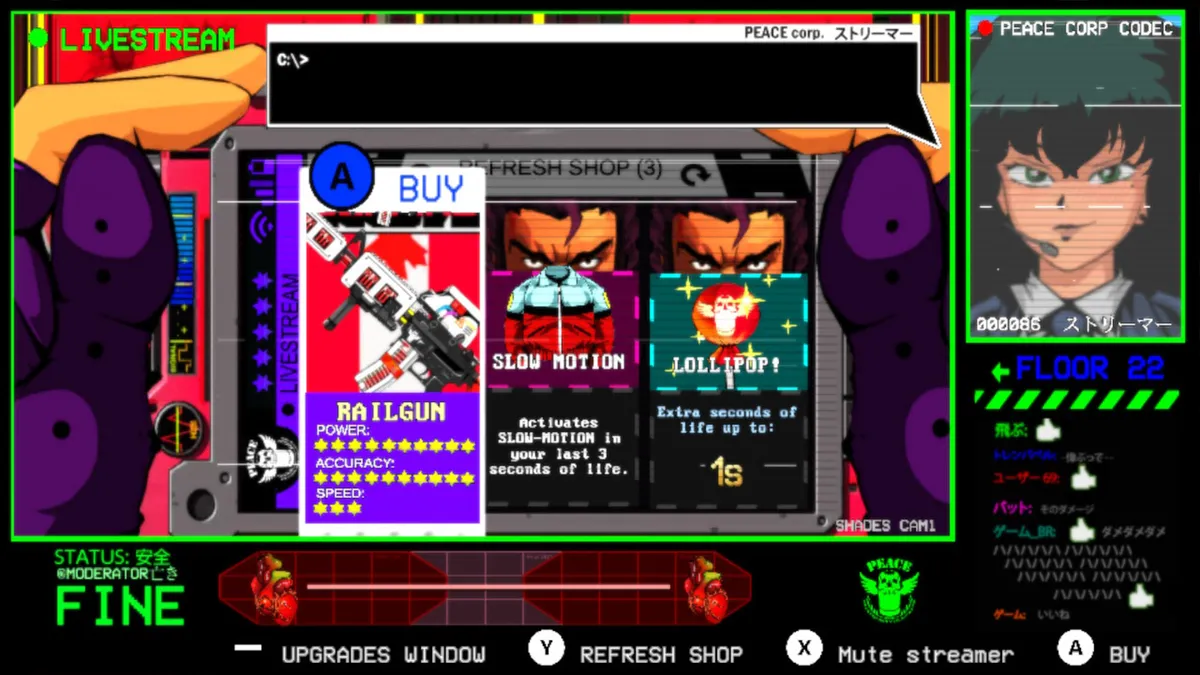
There’s some flexibility in how you tackle the next tower level, as between runs, you can pick a new weapon or perk, reroll if nothing takes your fancy, and there’s a light Raid-style progression to it, as some perks enable you to hold onto a weapon or boost shot power, health effects, weaken enemies and more. Weapons nicely tie into the game’s speed-time-health push. For example, a Uzi chews through crowds but leaves you exposed on reload, the revolver hits slower but snaps back into action quickly, and the katana is all speed and one-hit kills but lacks range. In this respect, Mullet MadJack is consistent, and links everything back to the idea of time – how you spend it, how you stretch it, how you survive just long enough to reach the next room.


On Switch, its a vibe too far?
On Switch, it’s a bit of a trade-off as the speed run, simple setup is perfect for handheld play; Mullet MadJack’s short, sharp runs feel made for a commute or for relaxing on the sofa for ten minutes, but the sticks don’t quite keep up with what the game is asking of them. The game may not be built for precision and slow shot line-ups in the way a traditional shooter like Metroid Prime, Doom or even the vastly slower Sniper Elite 4, and that helps, as enemies tend to fall into your line of fire rather than demand careful aim, but there’s still that sense of wrestling the controls when things get hectic.
Boss fights, against 'Robillionaires' who now run the world, can shift things into that old-school Doom-like circle-strafe rhythm where you do need a bit more control, and that’s where the cracks show, because the control setup doesn’t really suit Switch’s layout as it would a mouse and keyboard on a PC.
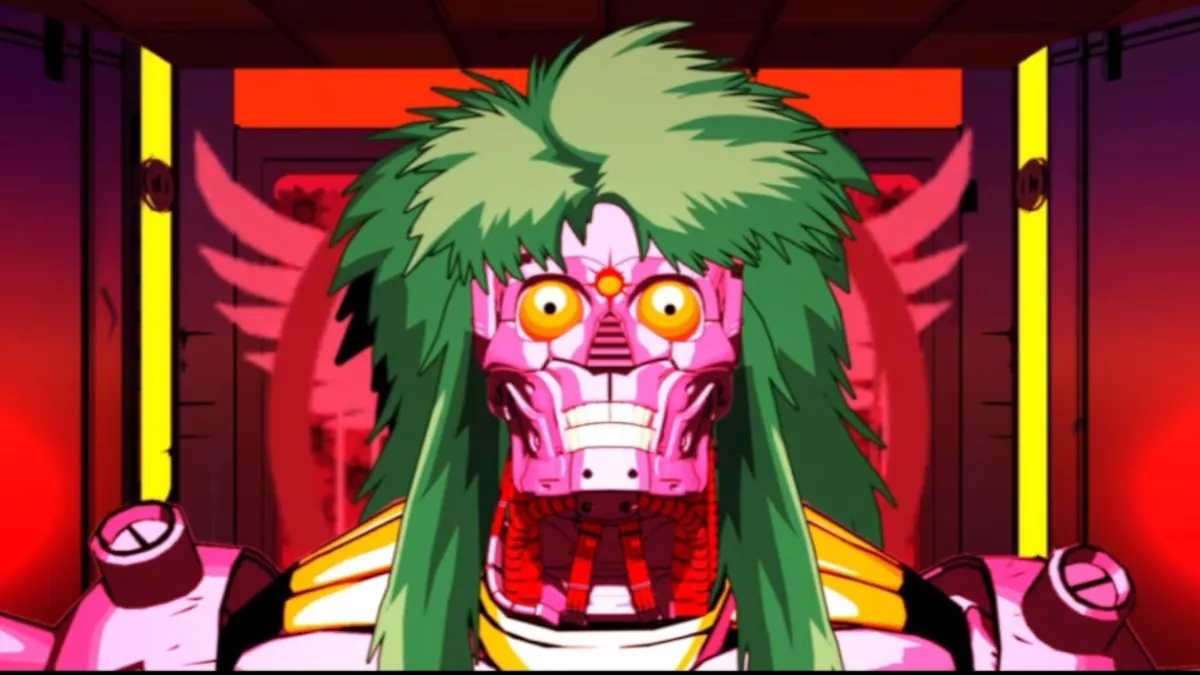
Still, in quick bursts, it works, really well at times. There’s something about its energy, the way it throws you forward through its bright, sugary corridors exploding in pinks and yellows, that makes it feel like an arcade machine that never existed, something Atari or Midway would have pushed out in the 80s and 90s without hesitation, a little Smash TV goes 3D in feel, or a bit of Duke Nukem. And yet, the longer I play, the more it starts to feel like there’s not much underneath that surface. The game’s systems are light, the loop is thin, and while the style does a lot of heavy lifting, it can’t quite hide that hollow centre and arcade simplicity.
Mullet MadJack is easy to dip into, easy to enjoy, and just as easy to drift away from when the controls frustrate and the loop fails to switch things up enough. That’s not to say there’s not enough here to recommend, and in fact, the survival mode is where you'll find more enjoyment, outside of the main campaign. This embraces the old-fashioned score-chase; the quick-hit gameplay is ideally suited to it, and when you’re in the zone, it feels good, but there’s only so far a vibe can take you.
out of 10
It’s hard not to love the retro anime style and instant gratification of the short-burst shooting, but Mullet MadJack can’t hide its repetition and a light loop, which makes this a great quick hit score-chaser, a must for anime fans, but no more.