


Remember when, at the start of the year, the internet became intensely nostalgic for 2016? Well now, just a couple of months later, I'm already feeling faintly nostalgic for that nostalgia. The pink-filtered TikToks, the Zara Larsson comeback, the passionate debates about whether Pokémon Go represented peak civilisation (it did). It all felt rather warm while it lasted.
Just in case you missed it: the '2026 is the new 2016' trend swept social media in January, with the hashtag #BringBack2016 sending searches for '2016' up 452% on TikTok and millions of people sharing decade-old selfies through a hazy, oversaturated filter that made everything look like a Snapchat memory. It peaked, as design trends do, and then it moved on.
But for creatives, the interesting stuff isn't the trend itself: it's what it was actually about. And that hasn't gone away.
Why 2016?
On the surface, the trend was exactly what it looked like: Gen Z and millennials cataloguing their flower crowns, rewatching Stranger Things season one, and arguing about whether the Mannequin Challenge was actually art. But underneath the Snapchat cat filter was something more interesting: a collective, almost desperate longing for a particular feeling.
Not just nostalgia for what existed in 2016, but for how it felt to exist online. Social media that showed you your actual friends. Content that didn't need to perform for an algorithm. An internet you could, theoretically, reach the end of.
So my theory is this. Nostalgia, when it goes this viral, this fast, is essentially a brief from the audience. It's people telling you, loudly and in aesthetic terms, what they're missing, emotionally and creatively.
What #2016 represents isn't so much about the year itself; more a set of feelings. Feelings of connection, authenticity, creative play. A sense that things weren't yet completely fragmented. Admittedly, those oversaturated Instagram photos and Snapchat cats filters weren't very sophisticated. But they were participatory. They were human.
The deeper meaning behind nostalgia
People tend to be especially nostalgic when the world feels like it's going through major change. AI anxiety, platform fatigue, political turbulence, spiralling wars; all of this is driving people back toward a touchstone that felt, if not simpler, then at least more legible. So here's the real question for creatives: if your audience spent January romanticising 2016, what were they actually asking for?
My take? Nobody's specifically missing chokers and Vine compilations. What they're really missing is creative work that feels like it was made by a human, for humans. Work that has a sense of play. Work that doesn't smell of optimisation.
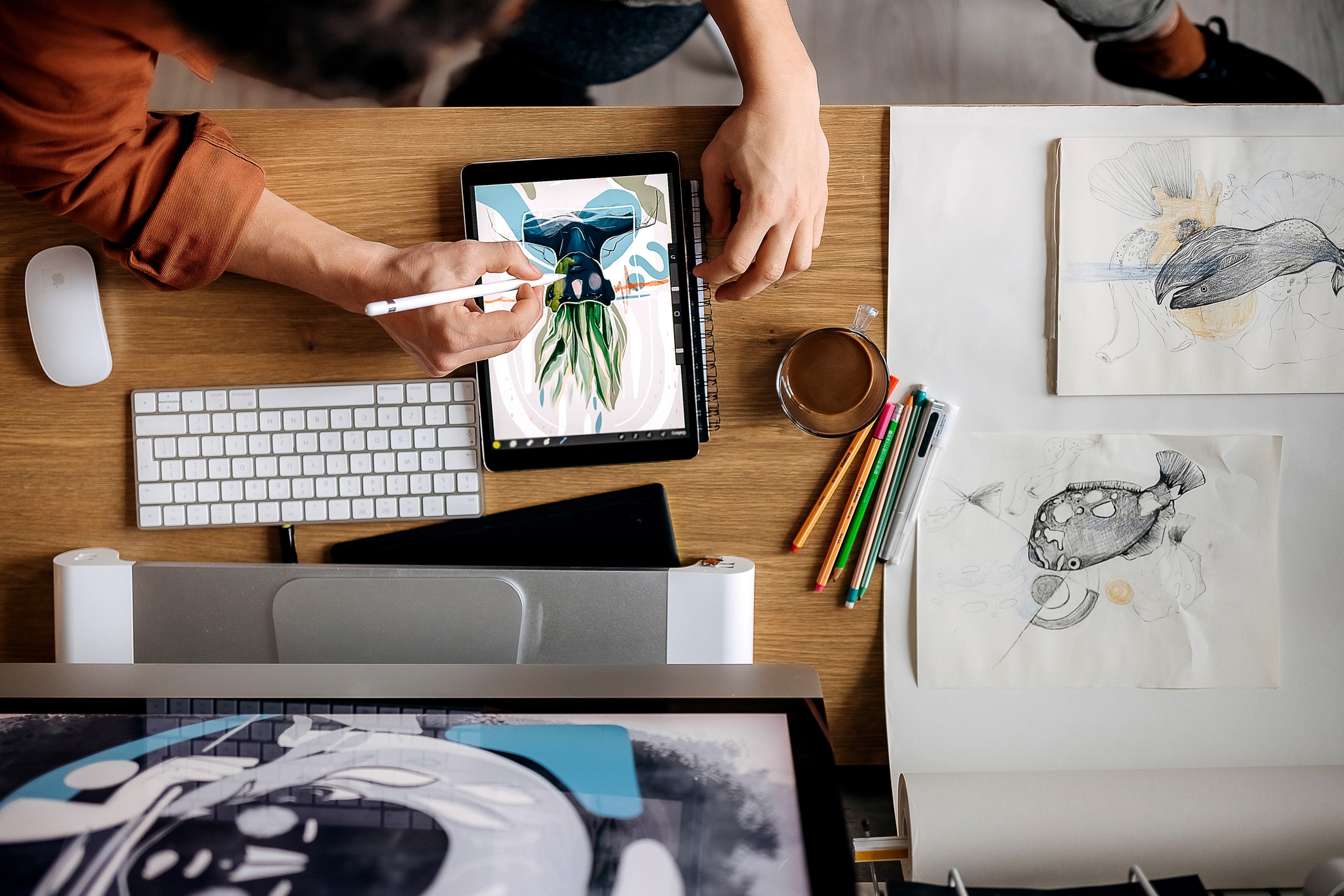
The craft revival, the handmade aesthetic, 2024's Brat Summer; it all dovetails with the same underlying hunger. People are exhausted by the polished, the algorithmic and the AI-assisted. They want to feel the hand in the thing.

So how should creatives react? I'd say: treat it as permission. Permission to be less slick. To make something that feels warm and a little rough around the edges. Not because #vintage is trending, but because warmth and humanity are what people are genuinely craving right now.
For the record, 2016 wasn't actually a great year. David Bowie died. Brexit happened. Trump got elected. The Chainsmokers were, inexplicably, everywhere. But it was still great to be alive in an age before the algorithms truly took hold and doomscrolling became a personality type.
In March 2026, #BringBack2016 has moved on, as trends do. But the underlying appetite – for creative work that feels human, warm, and made with actual intention – hasn't gone anywhere. It just expressed itself briefly through a pink TikTok filter, had a moment, and went back underground.
It's still there, though. And it's still a brief worth answering.