I follow new music reasonably closely, and I like to think I have a decent sense of what's out there. So it was a real shock to me when I stumbled across a song called Berghain in November last year… and spent the next three hours completely derailed from whatever I was supposed to be doing.
How had this artist been entirely off my radar? This incredible track – dramatic, operatic and utterly unlike anything I'd ever heard – turned out to be the lead single from Lux, the fourth album by Spanish singer Rosalía. If you haven't heard it, do me a favour and (if you can) listen to a short blast in the video below. You'll instantly get what I'm talking about. Also check out the album artwork (above).
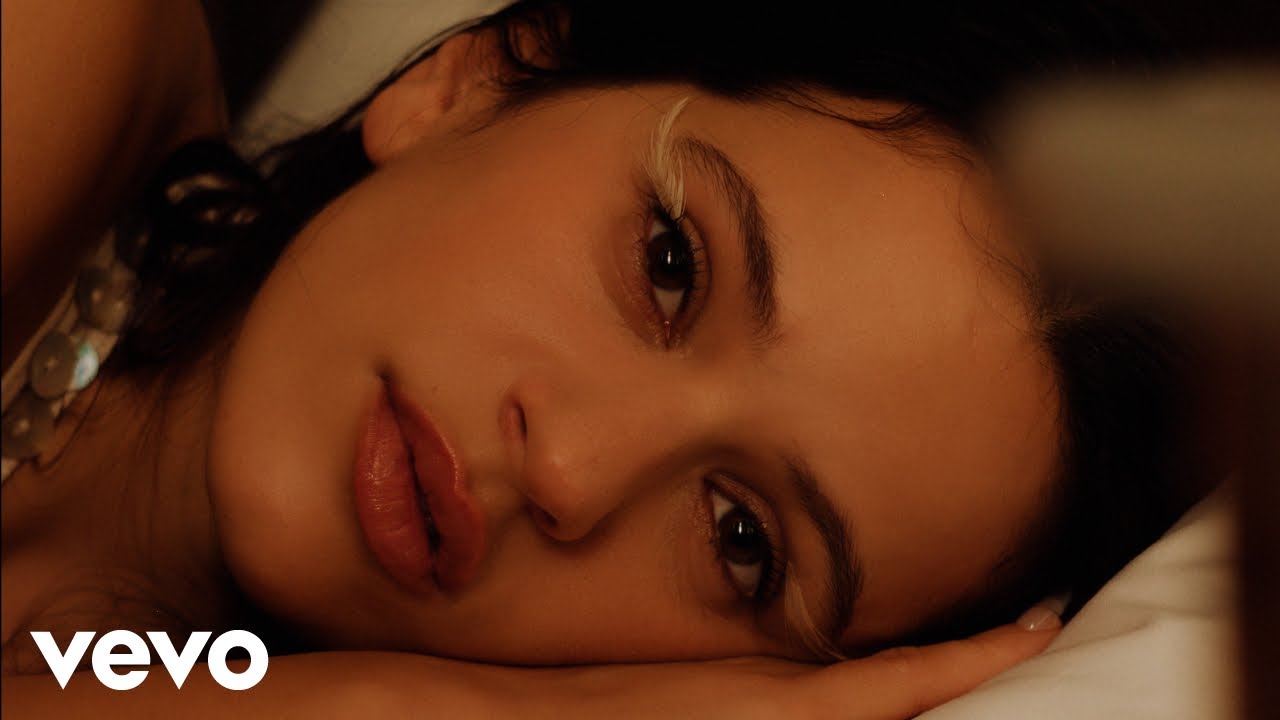
I went down the rabbit hole immediately, and I've been cheerfully lost in it ever since. Here, finally, was an artist doing something that felt genuinely new. Exciting in the way that good creative work is exciting: not just as entertainment, but as permission.
So: who is she, and why should you care?
Who is Rosalía?
Rosalía Vila Tobella grew up in Catalonia and as a teenager fell in love with flamenco, the centuries-old musical tradition rooted in southern Spain. She spent nine years studying it formally at the Catalonia College of Music, training as a cantaora (a flamenco vocalist) and graduating in 2017. Her debut album, Los Ángeles, was a spare, serious reimagining of flamenco classics. Critics loved it. The Spanish public started paying attention.
Then… she did something unexpected. Rosalía's second album, El mal querer (2018), took traditional flamenco and fused it with pop production and hip-hop structure, built around the plot of a 13th-century Occitan novel about a toxic relationship. It won the Latin Grammy for Album of the Year, landed on Rolling Stone's list of the 500 greatest albums of all time, and introduced her to the world beyond Spain.
At which point, she changed direction entirely. Again.
Her third album, Motomami (2022), pivoted to reggaeton and experimental club music. It received a perfect score from multiple publications, became the best-reviewed album of the year on Metacritic, and won her a second Latin Grammy Album of the Year; making her the first woman to win it twice.
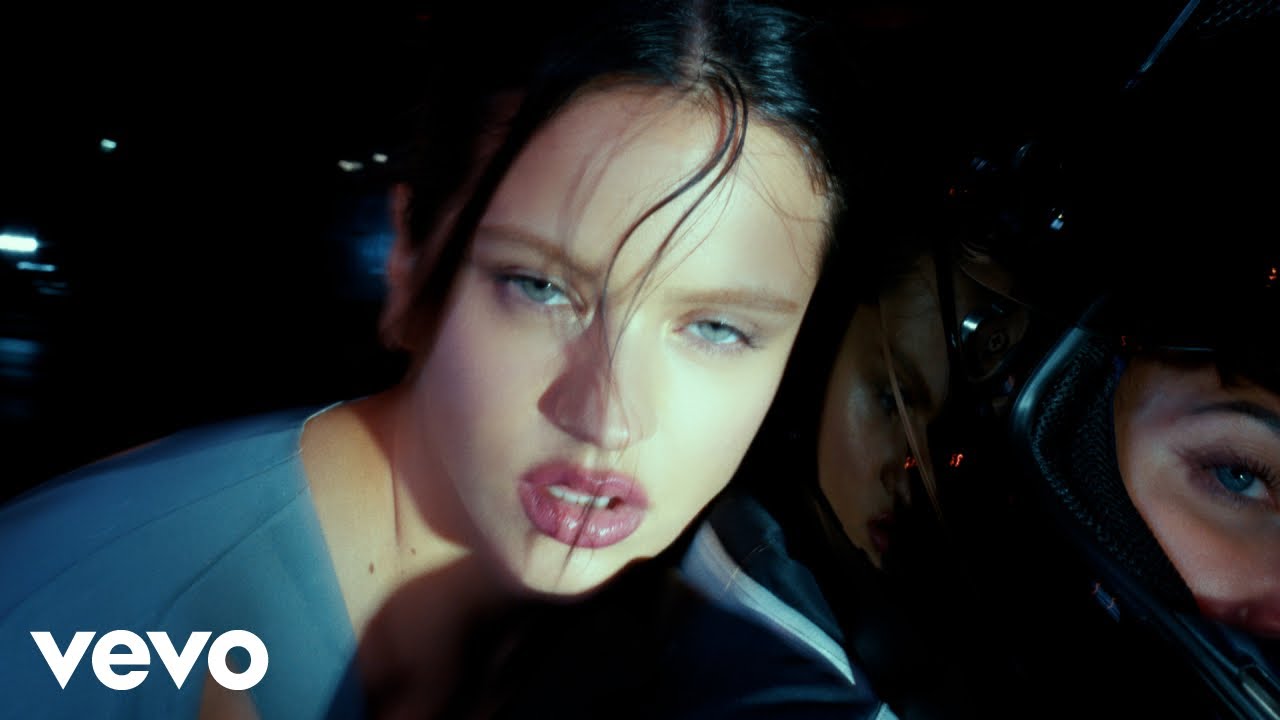
Lux arrived last November, and "revolutionary" doesn't even cover it. Fifteen tracks sung across 14 languages, inspired by female Christian mystics, blending art pop with classical orchestration, opera, Portuguese fado, and the London Symphony Orchestra. It broke streaming records for a Spanish-speaking female artist and became the fourth highest-rated album in Metacritic's history.
Each of these albums, in short, has been a completely different creative proposition. Not a variation on a theme; a genuine reinvention. And yet each one is unmistakably, recognisably her.
What creatives can learn
What makes this creatively interesting isn't just the range; it's the logic underneath it. Rosalía didn't abandon flamenco to chase trends – she mastered it so thoroughly that she could dismantle it and use its parts for something new. The formal training wasn't a constraint; it was a springboard. She knew exactly what rules she was breaking, branding and otherwise, and why.
For creatives, the lessons are fairly obvious but worth saying plainly. First: going deep into your craft gives you more freedom, not less. Mastery isn't a cage: it's the thing that lets you know which rules are worth breaking and which are load-bearing walls. The people who sound like nobody else usually spent years sounding like somebody; learning the grammar before they started rewriting it.
Second: your past work doesn't have to define your next project. Rosalía could easily have followed up El mal querer with El mal querer II and her label would have been just as happy. But she understood that repeating yourself, however successfully, is a slow creative death.

Why? Because audience expectations are something you manage, not something you obey. Once you build enough trust through the quality of your work, people will always follow you, even if it's somewhere they weren't expecting to go.
Third – and this is the one I keep coming back to – there's an enormous amount of space in the creative world for people willing to make something genuinely considered, rather than instantly legible. We're currently drowning in content that's been optimised to perform, and is forgotten within a week. The counter-move (slow down, go deeper, make something that asks something of the audience) is less crowded than it's ever been. That's an opening.
Rosalía didn't pick a lane. She built her own road, using materials nobody else had ever thought to combine. And here's the most important thing. If you choose to, so can you.