Last month, a US immigration agency clipped a few seconds of Sabrina Carpenter’s pop hit Juno into a social video glorifying ICE deportations. The singer was livid. “This video is evil and disgusting,” she fired back. “Do not ever involve me or my music to benefit your inhumane agenda.”
The White House clapped back with a statement of its own, accusing her of defending “dangerous criminal illegal murderers” and closing with an insult about whether she was “stupid” or “slow.”
This was political theatre with the subtlety of a falling anvil, but for creatives, it raised a familiar question. Once you put work into the world, how much control can you realistically expect to keep over how it’s used, interpreted or twisted? And how much should you even try?
Reagan vs Springsteen
The Sabrina saga may feel very 2025, but its roots go back decades. In 1984, Ronald Reagan attempted to co-opt Bruce Springsteen for his re-election campaign, praising the “message of hope” he claimed to hear in his songs.
Actually, anyone who’d actually paid attention to Born in the U.S.A. knew it was no patriotic pep rally but a furious critique of how America treated Vietnam veterans. The chorus soared; the verses ached. But hey, who listens to lyrics?
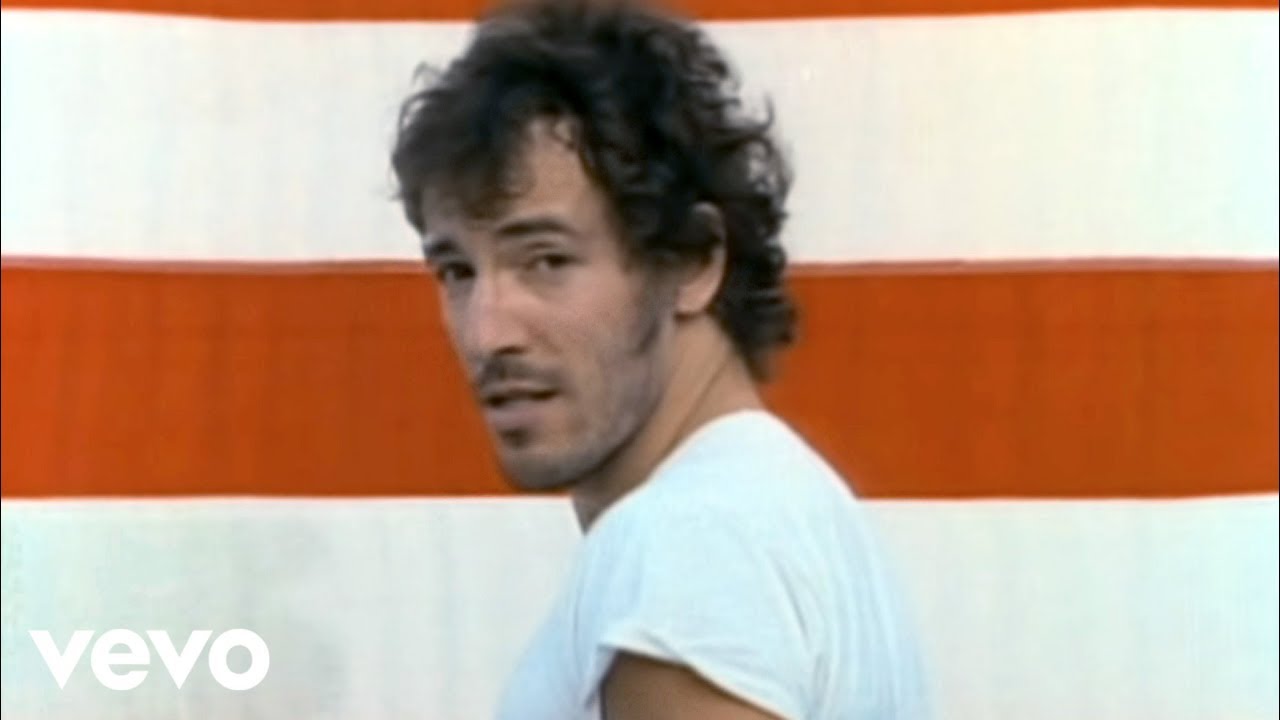
Bruce responded wryly from the stage, wondering which of his albums Reagan had heard, before launching into Johnny 99, a bleak murder ballad about unemployment and despair. It made no difference. Reagan’s team continued to successfully borrow from his cultural glow.
The singer went on to protest every future misuse of the song by a succession of Republican leaders: Bob Dole, Pat Buchanan, Trump. But the pattern held. Once a piece of work becomes iconic, everyone claims a slice of its meaning.
The illusion of control
All this points to an inconvenient truth that all creative needs to face. Creative control, in reality, is negotiable at best and imaginary at worst. Audiences have always been enthusiastic reinterpreters.
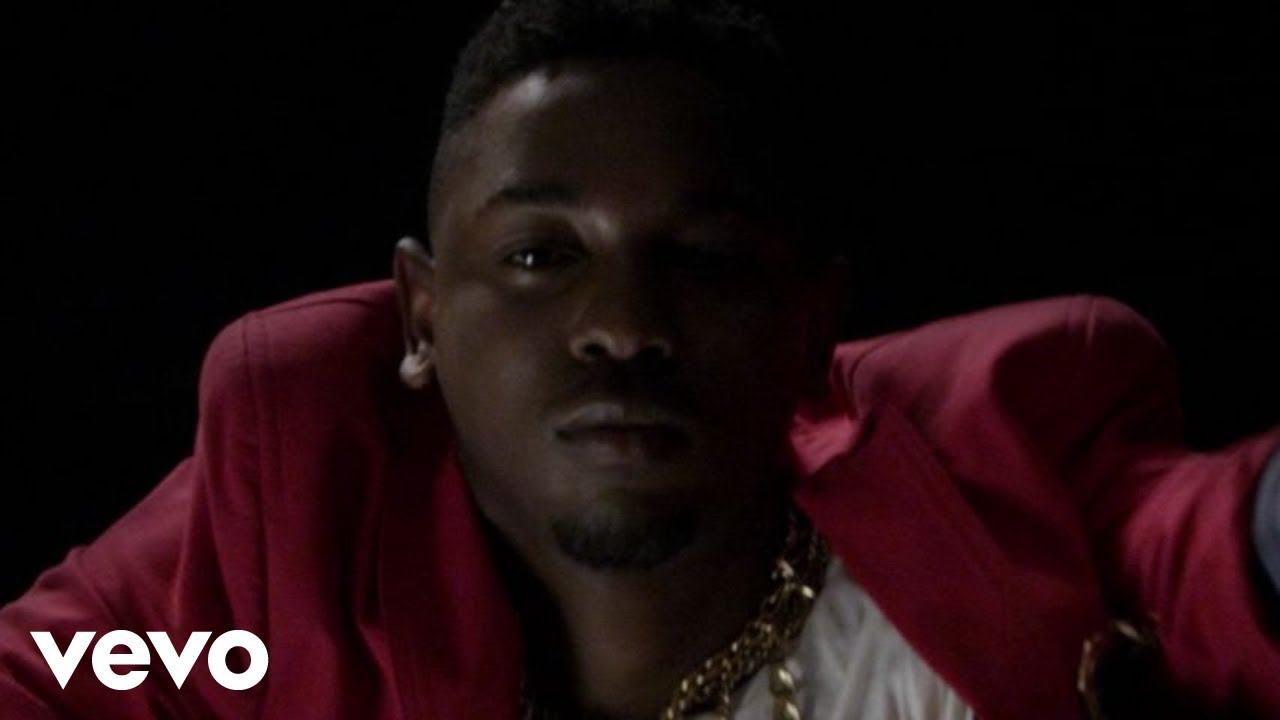
Kendrick Lamar wrote Swimming Pools as a critique of binge drinking; it became a party anthem. Rage Against the Machine, a band defined by radical leftist politics, somehow ended up on Republican leader Paul Ryan’s workout playlist.
Foster the People's Pumped Up Kicks, a song about a school shooter, plays as light background music in glossy teen dramas. Even PSY's Gangnam Style was misunderstood worldwide. What most people thought of as a goofy dance hit was intended as a satire about the absurdities of nouveau-riche pretension.
The point is that once your work lands in the public imagination, people hear what they want to hear, see what they want to see. Meaning becomes a communal project, not a private one.
When control backfires
The reaction of many musicians to this kind of thing is to double down, and try to exert as much control as possible. Unfortunately, that often backfires. In 1968, for example, The Beatles broke with their manager and launched their own company, Apple Corps. It was planned as a creative utopia: label, film studio, fashion arm, charity hub. Sadly, it became a money-hemorrhaging circus of mismanagement, eccentric projects and internal feuding.
There were extravagant expenses, outlandish ideas and, famously, a donkey inexplicably delivered to the office. The company’s eventual collapse and the fight over who should run it probably played a big role in ending the band.

The Spice Girls went a similar route in 1997, sacking their manager and planning to steer the ship themselves. Within a year, Geri had quit, their brand had wobbled, and their next album faltered. “Creative freedom” quickly became “creative drift”.
When control succeeds
Stories like that make us wince, and encourage us to shrink back into our shells. Thankfully, though, there are plenty of stories to counter that narrative. Taylor Swift, for instance, is a poster child for how taking control of your output, when done right, can be transformative.
Her “Taylor’s Version” project — re-recording her early albums to reclaim ownership after her masters were sold without her consent — wasn’t just snarky; it was devastatingly smart. The singer didn’t merely duplicate her catalogue; she devalued the originals. When brands or studios licenced tracks, they gravitated to the versions she owned; fans insisted on it. Her economic centre of gravity shifted overnight.
With a bit of nouse and a proper work ethic, Taylor's stunt transformed copyright law into cultural warfare, and eventually won her back her recordings. For creatives in general, the moral is clear. Your work is not just art; it’s equity. Protect it accordingly.
Beyoncé offers a similar example of how thinking outside the box can transform your sense of creative control. Just over a decade ago, she single-handedly revolutionised music distribution, which had previously been controlled by record labels via rigid promotional timelines, lead singles, press tours and advance copies.
Setting all that aside, on 13 December 2013 the singer dropped her visual album BEYONCÉ, with zero warning to the public or the industry. It sold over 828,000 copies in three days, becoming the fastest-selling iTunes album ever.
This was a game changer: Beyoncé had seized total control of her release calendar, forcing the media to react to her timeline. She repeated this success with Lemonade in 2016. Other musicians followed suit, and countless layers of record-industry gatekeepers starting falling like a house of cards.
The hard truth
So what can we learn from all of this? Well, we all start our creative careers as someone else’s asset – and that's fine. But in the long run – like Taylor, like Beyoncé – we ideally want to become the master of our own ecosystem.
What that means in practice, of course, varies from person to person. For designers and illustrators, it might mean retaining rights to unused concepts, building a library of licensable assets, or nurturing a recognisable visual language that clients come to you for – rather than the other way around.
For animators and filmmakers, it could mean developing personal IP alongside client work, so you’re not just a technical pair of hands but a creator with your own worlds, characters and narrative voice. Photographers, similarly, might carve out autonomy by owning their archives and creating direct-to-audience channels for prints, tutorials or behind-the-scenes material, instead of relying solely on galleries, agencies or brand commissions.
Whatever your discipline, whatever your strategy, the idea is that you grow beyond being a “supplier” and become a creative entity with multiple revenue streams, a distinctive point of view and a loyal audience who understand your values. You’re no longer solely dependent on client briefs or platform trends; instead, you’re steering your own creative momentum.
That might mean saying no to work that doesn’t align with the identity you’re trying to build, or deliberately carving out time to develop personal projects that later become exhibitions, books, courses, animations or design frameworks. Bit by bit, you're shaping an ecosystem where your work can thrive on your terms, and where the meaning of what you make is less vulnerable to being bent out of shape by someone else’s agenda.
How to get there
Sounds great, you might say, but how do I get there? Well in the long term there are three things you need to think about.
First, ownership. Aim to follow Taylor's lead: licence rather than surrender. Protect your files, your rights, your contracts.
Second, distribution. Beyoncé didn’t bypass the industry for theatrics; she did it for independence. In an era of unstable platforms and opaque algorithms, direct channels to your audience are lifelines.
Third, context. You cannot fully control how your work is read, but you can control your partnerships, your boundaries and your public stance. Silence, in the current climate, is often interpreted as assent.
At the same time, beware the dream of perfect control. The Beatles proved that creative anarchy is expensive. Springsteen saw his protest anthem turned into a campaign jingle. Sabrina saw her pop hit turned into political propaganda.
All these examples and others remind us that once your work is out there, the battle for control never truly ends. But the smarter you are about ownership, distribution and context, the more of that battle you'll be able to win.