


The 3D industry is packed full of creative individuals and studios who are constantly pushing the boundaries of what is possible. They've taken hold of the best 3D modelling software or the best animation software and used it to create truly outstanding artwork.
Every design and art trend begins with a creative person who is willing to do something a little bit different. We are indebted to these individuals who dared to break from what went before and chose to embrace the unknown.
This has got me thinking about what trends we might see take form in 2026. 3D art, and art more broadly, has a long history, which means most trends are already well established, but there are lesser-known styles developing too.
As divisive as AI is, it'll no doubt have an impact upon these trends, with some artists pressing into its tools and others pushing against. There's also mention of anime, manga, 3D typography, and even squishy aesthetics. You'll have to read on to find out what that is.
01. AI-driven 3D content
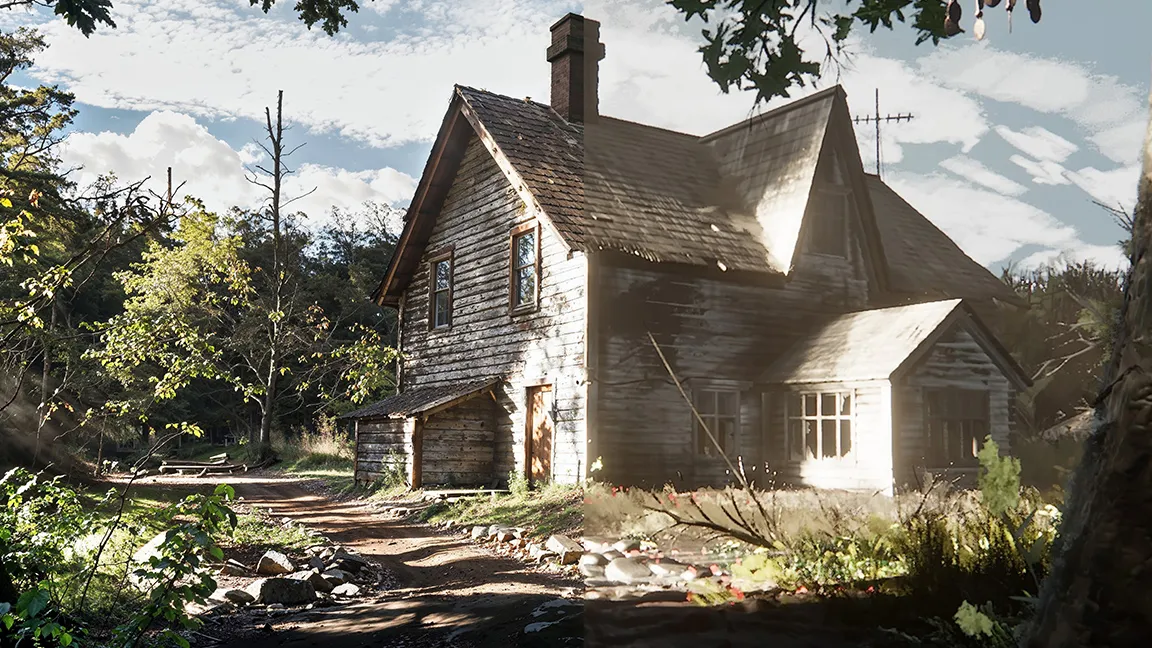
With tools like Meshy AI and Tripo 3D AI, the world of 3D content creation is already in full swing and set to further establish itself in 2026. The creation of 3D models using AI is one of the easiest and most obvious ways for 3D artists to integrate AI into their workflow.
I also know of many artists using AI as a starting point for creating their 3D models, especially items used for set dressing. The combination of a shallow learning curve and quick cost savings will mean the industry's uptake will only increase.
Martin Nebelong is a great source of inspiration for how AI can be used with a traditional workflow, and we've seen our platforms like Freepik Spaces, Flora AI, and Adobe's Firefly Boards are iterative canvases designed to mix new and old workflows.
02. Rise of hybrid 2D–3D illustration
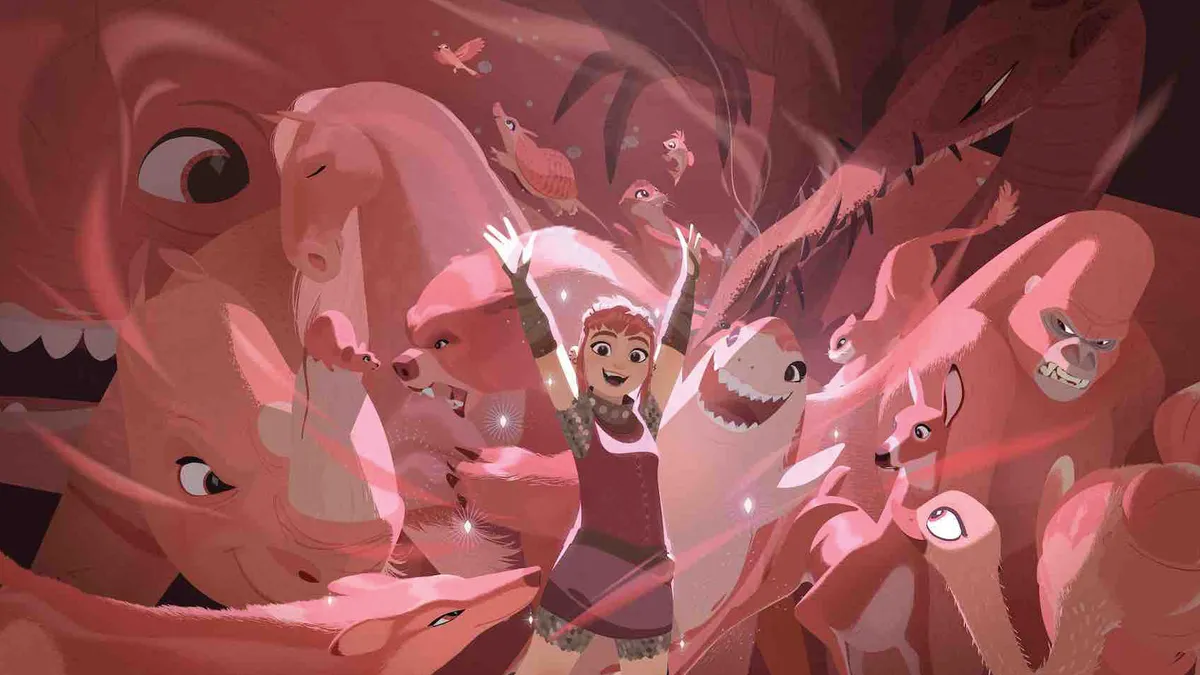
Hybrid illustration blends 2D and 3D techniques to create an alternative style that sits outside of either straight 2D or straight 3D. This style often leads to beautifully expressive character work, 3D assets styled to look 2D, or combining them within the same frame for richer storytelling in films, games, and media.
Mixing these two disciplines also has the added benefit of speeding up workflows, as artists can focus on detail where it will have the most impact. I expect to see an increase in the art form as artists look for ways to set themselves apart from the competition.
Animators behind Nimona, The Wild Robot, and more are merging 2D digital art and 3D animation workflows. And we've already seen in 2025 how Adobe is introducing Substance Viewer into Photoshop and bringing 2D and 3D illustration closer.
03. Growing need for post-AI authenticity
As with AI-generated written content, one of the biggest problems with AI-generated art is that more often than not, it's comically obvious that it's been generated with AI tools. In the short term, I don't expect this to be overcome with better AI, although I'm sure that'll come in time, but rather with a special set of post-production skills.
These innovative post-production workflows will aim to bring the 'human' back into the artwork and 'trick' the viewer into thinking it's been handcrafted. You could argue that this is disingenuous, and you might be right, but all the same, I expect to see more of it in 2026.

4. 3D Typography
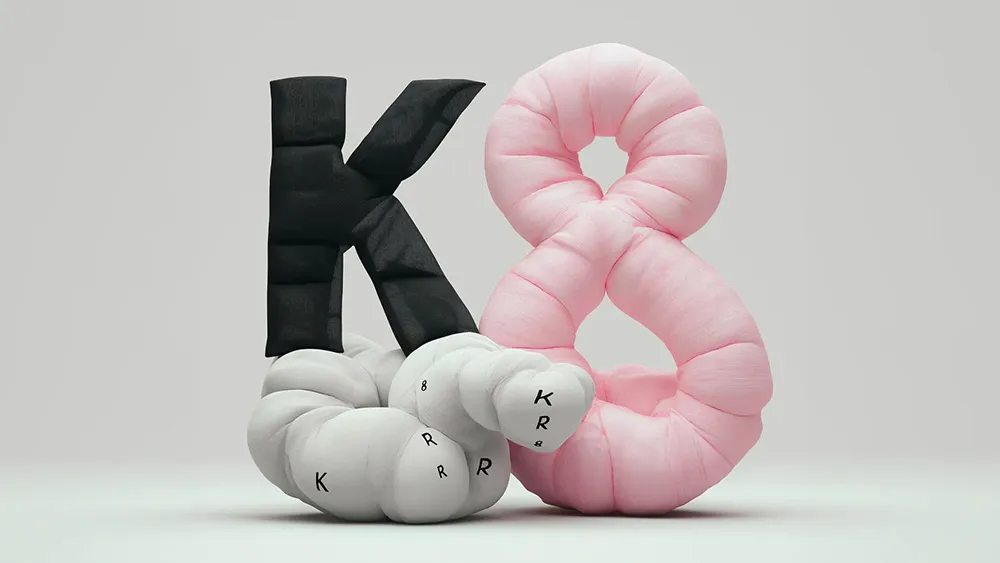
There is, of course, still a place for flat typography, but with increasingly crowded digital spaces, I'm sure we'll see more 3D typography. This has the benefit of adding depth, dimension, and a tactile quality that helps visuals and animations stand out and grab attention. 3D software such as Blender and Cinema 4D have expanded access to new typography tools, which also makes generating 3D typography that can also be animated much more accessible. Photoshop's new Substance 3D Viewer is a great way to import 3D objects into a 2D space, and Adobe's Sneaks show the brand is working on new tools to merge 2D and 3D, particularly for designers creating type.
5. Squishy aesthetics
The 3D motion graphics and character creation industry is seeing an upsurge in artists using soft and rounded shapes that boast smooth, plastic, or plush textures. At times, the elements can even look like they've been inflated. This is largely due to more 2D artists and designers using 3D web apps like Womp and Adobe Project Neo to create simple but effective 3D objects, perfect for graphic design, 3D printing, and indie games.
As a result, the style is oftentimes seen as playful and joyful, which is an aesthetic that connects with audiences who are craving friendly and nostalgic connections. With people looking for more hope and fun in the world, I can easily see this type of art becoming more common.

6. Lo-Fi 3D
As a pushback to AI that is oftentimes hyper-perfect, artists will begin to embrace aesthetics that are older and simpler. This might look like low-poly models with simple lighting and blocky textures, a design that has obviously found huge popularity amongst Minecraft enthusiasts. This style of art will see artists focusing on the concept and story rather than on achieving technical realism.

7. Anime style
The anime and manga style is, of course, already incredibly popular the world over. This will no doubt continue into 2026, and I expect an increasing number of new artists to adopt cel-shading rendering. Also, with real-time engines like Unity 6 and Unreal Engine 5 becoming more dominant in the market, artists will further push non-photorealistic rendering (NPR) styles to new limits.

8. Eco-sensitive visualisation
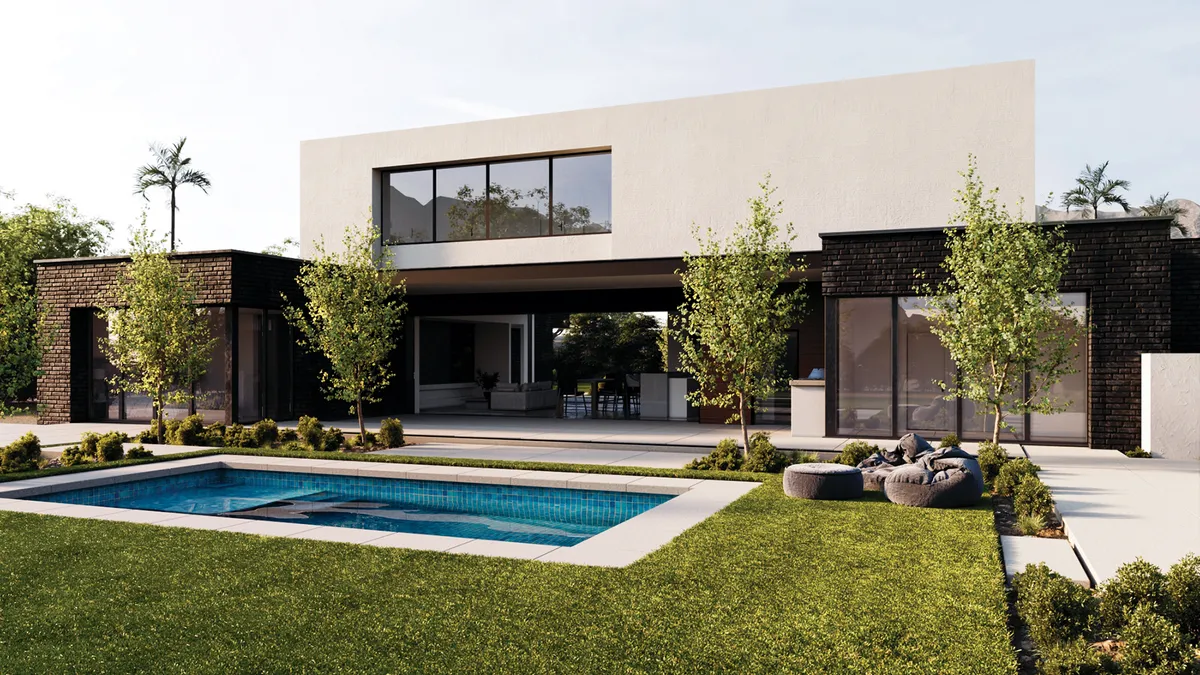
Driven by the global focus on sustainability, I expect to see the 3D art form used to communicate and elevate important subject matters. In architectural visualisation, this could look like designs showcasing more sustainable and bio-based materials as well as a focus on natural light, green integration, and environmental performance.
In terms of CAD, expect to see more AI tools transform how and who will be using this software. I can see more AI tools coming through to make CAD easier and more accessible, removing repetitive tasks, which in turn could see the best CAD software used more widely.
09. Good news for UK VFX studios
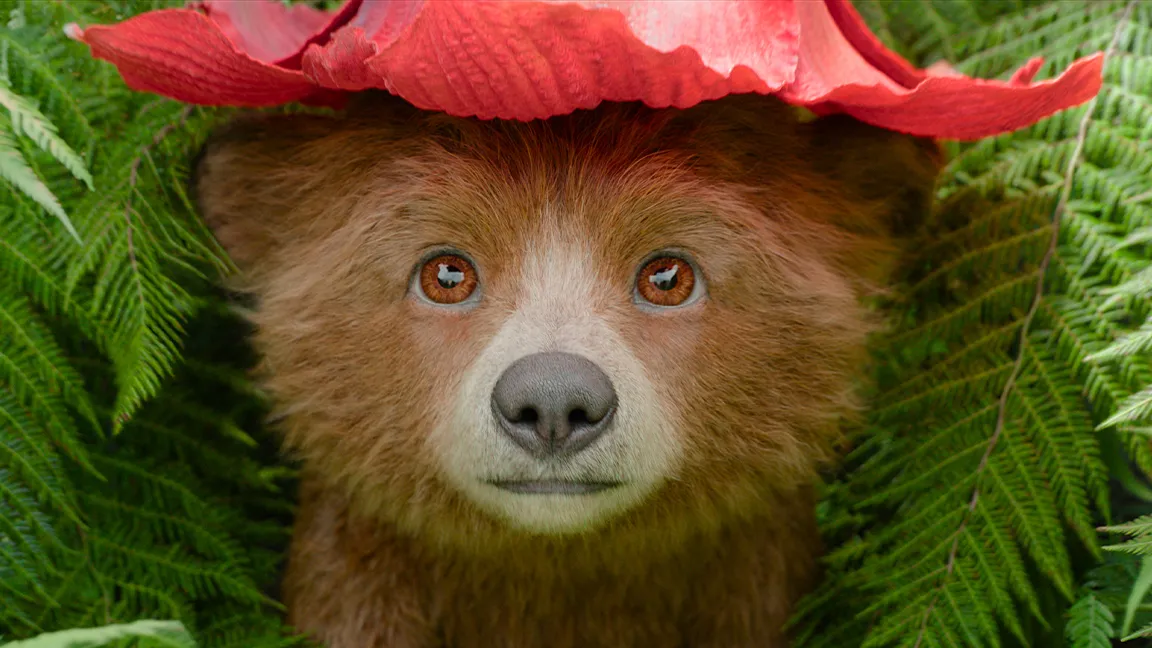
At last, there’s some good business news for UK-based VFX artists. New tax rules came into effect in April 2025 that enable companies to claim relief on their VFX spend in the UK, making it a much more attractive location to do the work.
Early signs are that this change is having the intended effect: more productions are opting to have their VFX work done in the UK. Research conducted by the UK Screen Alliance found that 71% of their members have seen an increase in sales enquiries since the new tax rules came into effect, with 43% having seen a significant increase.
We can expect to see even more of this next year and likely a corresponding increase in recruitment, so there’s a better outlook for VFX artists in the UK.