
This year, two epic franchises from my '90s childhood hit major milestones. Super Mario turned 40 and Toy Story celebrated its 30th anniversary. To really make us feel the passage of time, both have new films slated for 2026 (though Creative Bloq's editor can't bear to watch Toy Story 5).
It’s clearer than ever that their longevity isn’t just a triumph of storytelling or gameplay. It’s the power of their sound as identity, memory, and emotional architecture.
The soft shuffle of Randy Newman’s piano.
The bright ding of a Mario coin.
And these two titans show two different paths to sonic branding immortality.
Toy Story: the heartbeat you can hear
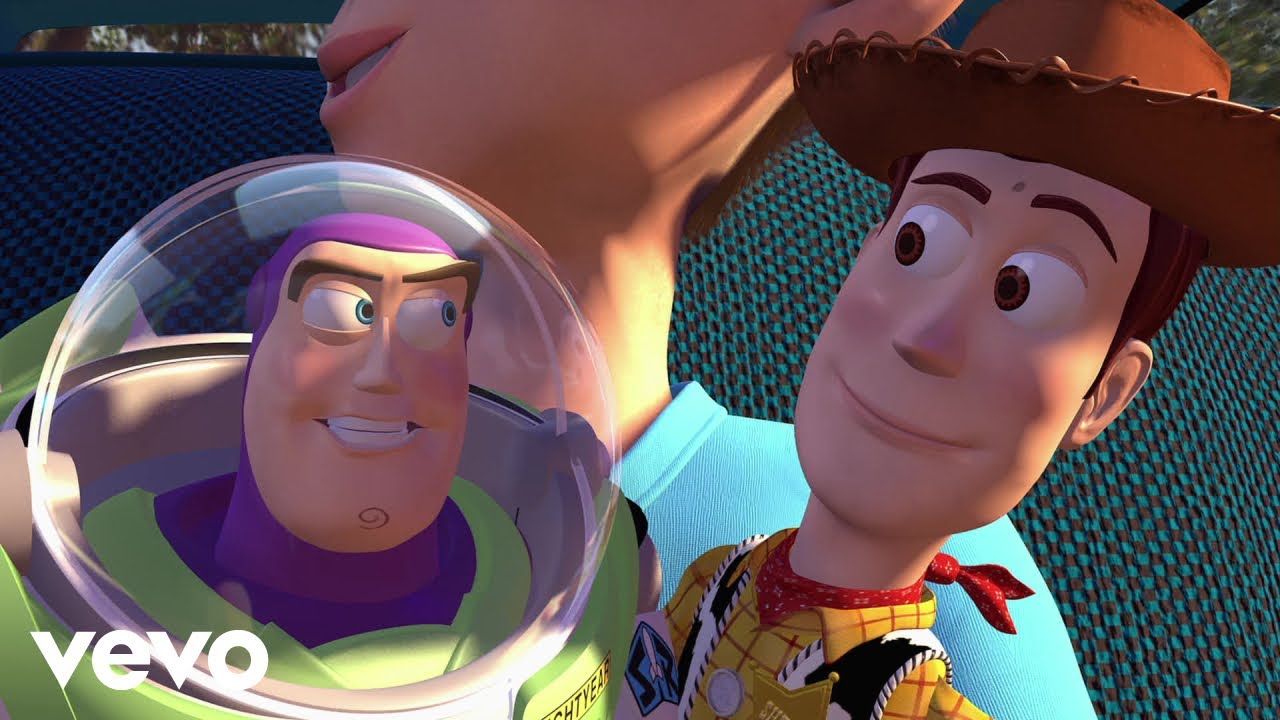
You’ve Got a Friend in Me is more than a theme. Randy Newman’s gravel-warm voice, the shuffling Americana swing, the clarinet that feels pulled out of an old toy chest – it was the human warmth Pixar needed to counter the cold, plastic newness of CGI.
Toy Story’s sound was more than nostalgic, it was strategic. Pixar rejected Broadway-style polish for something imperfect and organic, something that could bridge the uncanny valley of early computer animation. Newman’s voice and his heartwarming melody made the toys feel alive with human emotions.
Across the sequels, that melody didn’t just repeat; it matured. The song’s power lies in its ability to adapt and carry the story.
In the first film, it’s a cheerful, straightforward tune about a new friendship. But think of its use in the sequels. When Jessie recounts her abandonment in Toy Story 2, we hear a heartbreaking, instrumental version. When Andy gives his toys to Bonnie in Toy Story 3 – an emotional wrecking ball – the song is there, transformed into a gentle, melancholic echo of its former self. It grew up with us.
This is narrative sonic identity at its best. One musical idea evolving like a character, shaping how generations feel about toys, childhood, and change. For Toy Story, the song is the brand. It’s an emotional anchor that holds the entire franchise together, reminding the audience what they are supposed to feel every single time.
Mario: the sound of play, engineered
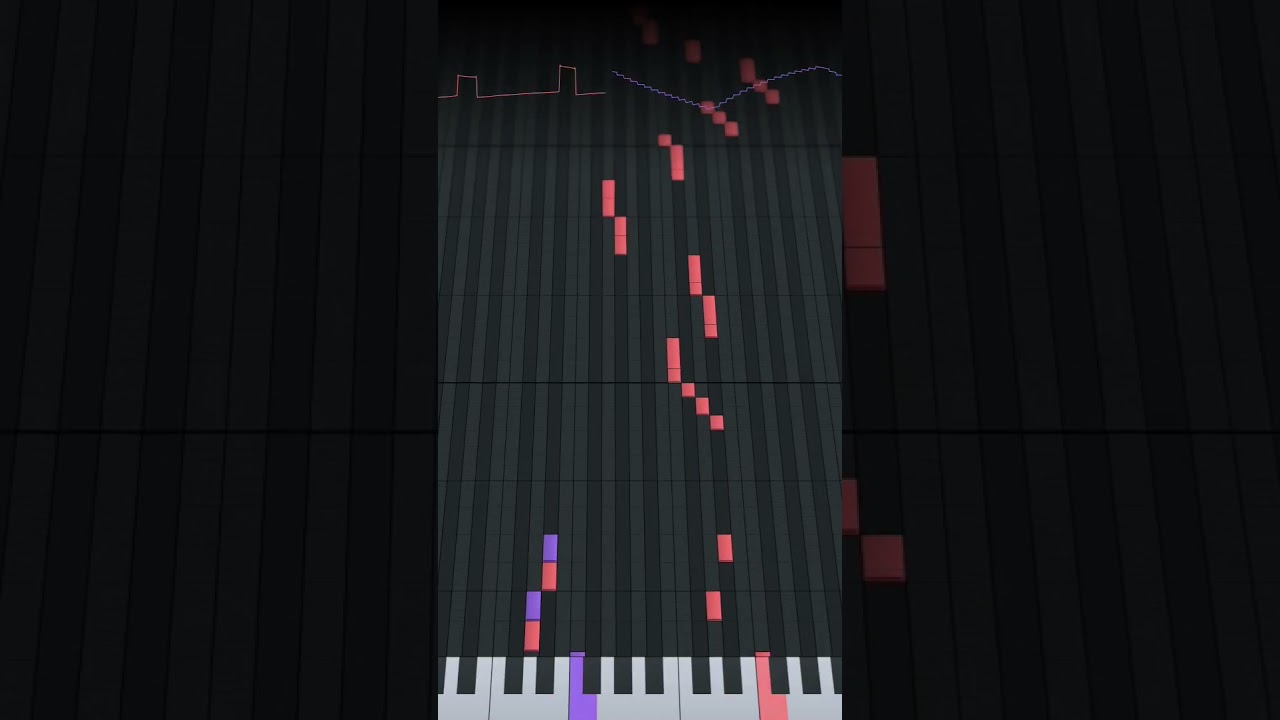
Now, look at Mario. Koji Kondo’s 8-bit Ground Theme is a work of genius, recently becoming the first video game score added to the U.S. Library of Congress.
Koji built an entire world out of constraints, pure creativity squeezed out of a machine (NES - Nintendo Entertainment System) that had fewer musical options than a toy keyboard. With that tiny sonic palette, he created a musical language.
But the theme alone isn't what makes Mario's sonic identity a powerhouse. Mario is a masterclass in systemic sonic branding.
Unlike Toy Story, which is a linear story you watch, Mario is a world you immerse yourself in. Its sounds are equal parts emotion and function, a language of interaction.
The coin chime. The 1-Up fanfare. The power-up growth sound. The "plunk" of a stomp. The "brrring" of the invincibility star.
They are audio-haptic feedback that tells the player success, reward, danger, or progress. This ecosystem of sounds builds a deep, visceral, and incredibly sticky brand connection.
Where Toy Story's music is designed to make you feel, Mario's sounds are designed to make you do. This modular, functional system is why it scales infinitely, from the original NES to TikTok remixes, cinematic scores, and the ringtone in your pocket.
Mario began as an audio user interface. It became a cultural hymnbook.
Two strategies, one lesson
Toy Story moves your heart. Mario moves your hands. Both carve themselves into memory, but through different mechanisms.
Toy story uses narrative sound, the kind that leaves an emotional imprint on your memory. You get these repeating musical themes that deepen as the story unfolds, all building into one clear consistent voice that carries meaning as it evolves.
Meanwhile, Mario uses interactive sound which has functional immediacy. Those quick little audio cues spark instant recognition and the whole identity is built through repetition and reward.
Most brands today blur the two. They want Mario’s stickiness from a single Toy Story-style melody. Or Toy Story’s emotional gravity from a couple of user interface bleeps.
But sound doesn’t work that way. You can’t pick a note without picking your context. Are you telling a story or building a system? The smartest approach is both: a sonic strategy that serves narrative and function, heart and habit.
When Toy Story and Mario return with new films in 2026, nostalgia won’t come from visuals.
It will come from the moment the first notes play:
Newman’s comforting melody.
Mario’s syncopated Ground Theme.
Sound reminds us of the past and hands it back, intact.
Craft a sonic identity with honesty, consistency, and purpose, and you will build a legacy that resonates for years.
For more on sonic branding, see 5 things I've learned about sonic branding.

