
There will always be occasions when a nose-to-tail brand identity redesigns is appropriate, but recently we’ve seen tweakments and transplants but not entire face lifts, for the likes of Adobe, Walmart and Amazon – and we’ll see more of this in 2026.
A repositioning piece, sharpening of the brand expression, a cleaner design system – for many brands today, it’s often about squeezing more value out of what’s already there than creating a whole new identity.
The reasons given for complete rebrands are myriad, from a radical change of direction to simply remaining modern and attracting new audiences. But the reality is very often these rebrands are not always necessary, and can damage the brand.

It is possible to solve many brand challenges by tweaking and amplifying what's already there. Most brands evolve slowly and make small changes to their messaging to remain current. When a brand evolves at a slow pace, it isn’t always necessary to change the logo, but the world around it, the imagery and the language can be used to communicate the subtle shifts that brands make to keep themselves relevant.
And even when a brand is diving deep to redefine the idea at its heart, it’s possible to communicate that new brand idea whilst respecting its distinctive assets, evolving everything around them to from aspects of how the brand looks to how it behaves and speaks to tell the right story.
Maintaining distinctive brand assets

The truth is brands forget the power of distinctive brand assets at their peril. Distinctive brand assets are critical to keeping keep your brand immediately recognisable and salient, no matter where the brand appears.
The evidence for maintaining and using these assets is stark. For instance, most studies show that at least half of all advertising is misattributed to the wrong brand – it is only the ads that use distinctive brand assets, whether logos, colourways, graphic devices or sounds consistently throughout an ad (the experts say at least seven times) that are immediately recognised.
And ads need to be first of all seen and properly attributed to do the job that they are supposed to do and help sell the brand they are advertising. Losing them is a path to anonymity (and huge waste of media spend!)
For example, the Boots rebrand in 2019 took the logo, one of the most recognisable on the UK hight street, based on the original signature of Jessie Boots, and evolved it to make it more digitally friendly. To bring it up to date and make it contemporary again, it was released from the '70s style oval. But it was still instantly recognisable.

We’ve seen a few other powerful brand tweaks this year, such as Amazon's concise rebrand, where it brought order to its visual architecture, creating a system for a brand that had sprawled and grown organically.
The result is stronger brand equity and an easier-to-navigate brand. It’s a simpler design, but it used its existing assets, including of course the iconic logo and smile. I suspect many shoppers won’t notice this as a ‘change’ – rather it will just instinctively all make more sense.
Identities losing their way

Whilst the need for a full rebrand is relatively rare it does not mean that brand identities can stand still. They need to be managed and evolved. Over time brand identities can lose their way, whether through mismanagement, over extension or just simply through repeated or disparate ‘tweaks’. At that point they need to be revisited to put rigour back into the system.
It’s then that brands need to think about what assets should be kept, what should be lost, what should be evolved and what needs to be added to communicate a brand’s message in the today’s world.
In the case of the recent Martin Guitar rebrand the dark green colour associated with the brand was kept, the logo evolved minimally to be digitally friendlier, and a new visual language built out of the frets and strings as well as motion added.
That identity, inspired by a powerful brand idea, along with a series of brand initiatives and activations to bring that brand idea to life, has helped the brand to grow faster than its competitors and appeal to a whole new target audience and generation of musicians and music lovers.
Rebranding for the right reasons

Of course, sometimes a complete rebrand may be necessary, but only for the right reasons. If a brand has lost its way because its failed to evolve, or if it has fundamentally changed its offer, or if external factors mean that action and even radical change may well be required. Interestingly we have recently seen brands doing what looks like a significant shift, but in fact it has been all about the brand returning to its roots and its distinctive assets – Pepsi and Burberry spring to mind.
And in some cases significant rebrands, whilst definitely noticed, have led to fierce backlash – Jaguar and Cracker Barrel both needed to communicate how their business was changing and recognised the need to stay relevant, but in doing so they failed to respect their distinctive assets and the place they had in consumers hearts and minds.
What we should see more of in 2026
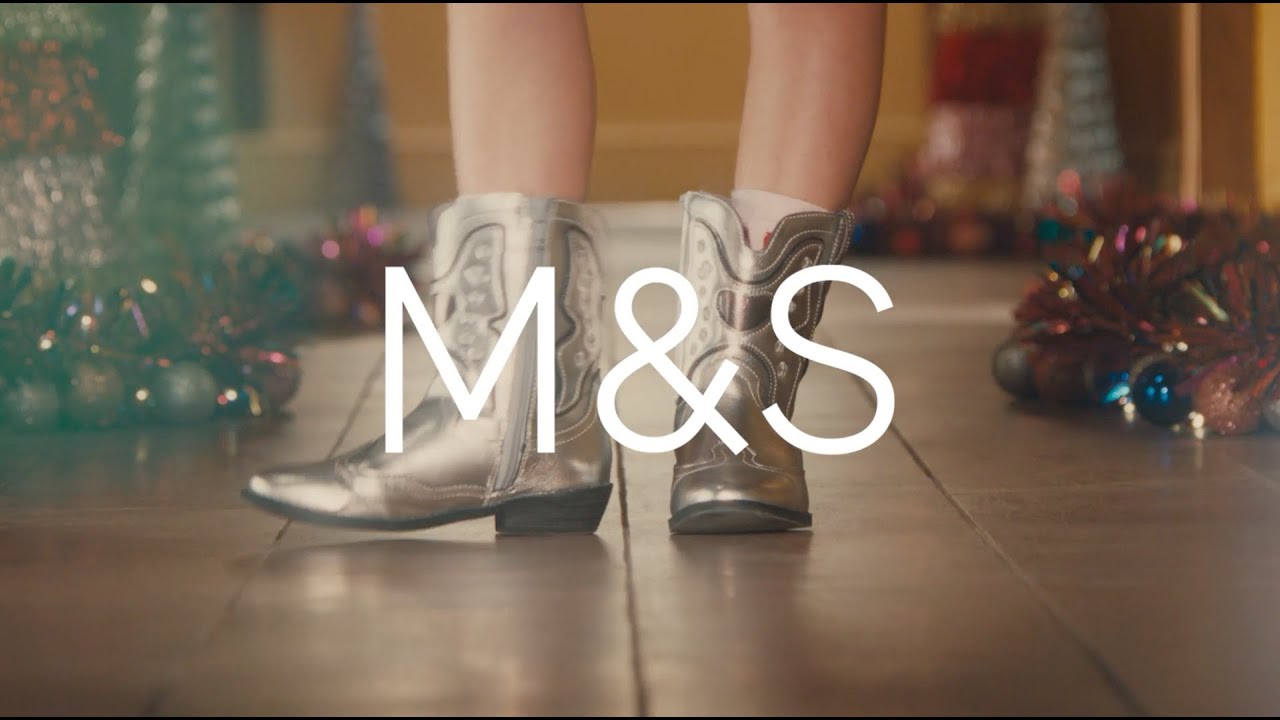
Over the past year, M&S has only very subtly evolved its logo, but it has totally overhauled its tone of voice and how it presents itself – from formal and somewhat traditional to friendly and conversational, from product focused imagery to lifestyle focused imagery.
It has continued to drive the core pillars of quality and value across their full product offer. What seem like small changes to the brand have had the power to deliver a massive impact. M&S has gone from being a rather stiff Aunt to being someone even Gen Z wants to hang out with. And despite the setbacks of a difficult economy and a cyber attack the business is showing growth. It is surely an example to emulate.
So next year should be the year of reassessing your brand to ensure that it has a clear idea at its heart. Then look at what your brand already has in its arsenal – what its truly distinctive assets are.
And from there work out what it needs to add to, amplify, refresh and evolve within those assets to communicate that idea. A tweak is almost always better than a total facelift – that way your brand will stay relevant, and it will stay distinctive.
For more on brand tweaks vs overhauls, see our interviews with Frontify's James Fooks-Bale and D&AD President Lisa Smith.

