A teaser video with no car, the biggest rebrand in its 102-year history, and sales plummeting by 97% – the story of the past 12 months has been nothing short of a rollercoaster for Jaguar. Now, one year on from the rebrand that got the world talking – arguably one of the most controversial rebrands of all time – has the dust settled enough to truly judge if the rebrand was a success?
The initial reaction divided opinions across the world; however, the overarching view was firmly negative. CarDealer Magazine referred to it as “possibly the most bizarre automotive media launch I’ve ever attended”, and Elon Musk joked on X "Do you sell cars?". But with its party line of “Trust and reserve judgment”, Jaguar told the world that, despite initial uproar, in time it would all make sense.
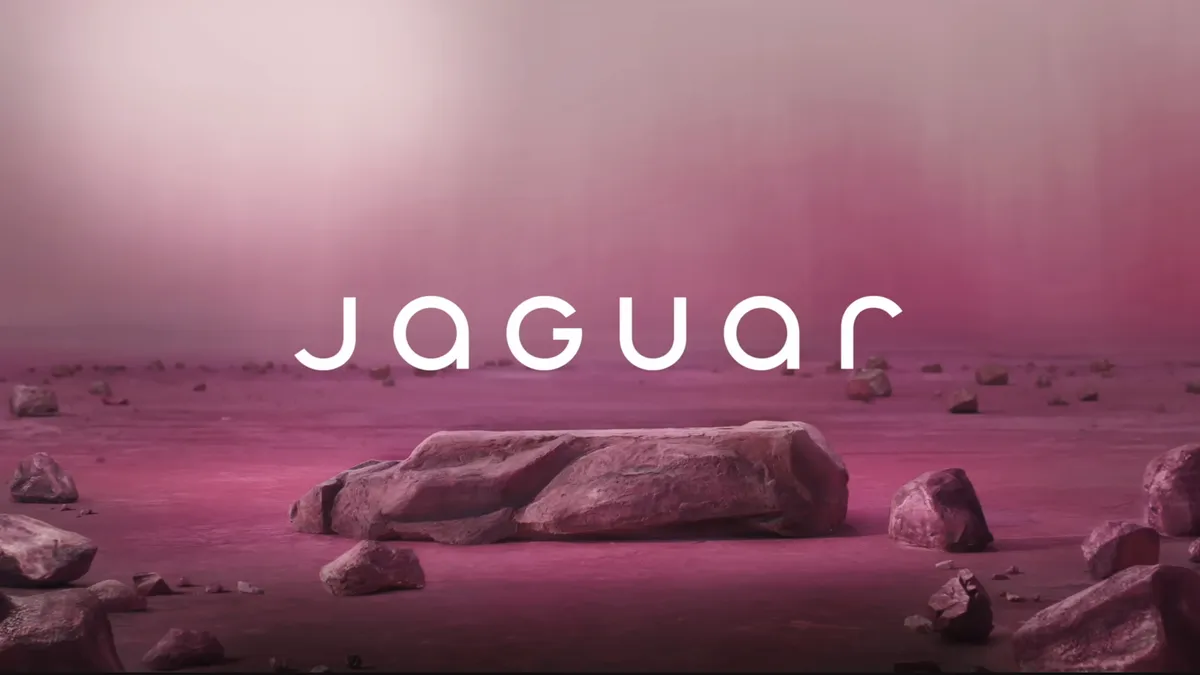
As the initial shock-factor subsided, it became one of those moments that err towards marketing genius. The idea that Jaguar had been so bold, generating hundreds of pieces of press coverage globally and getting everyone talking about a brand they hadn’t thought about for years, was a money can’t buy scenario. It prompted a 1,300% increase in brand readership and nearly 1 billion impressions with PR coverage. The brand exposure generated started to feel like it was on the edge of turning a corner. Could something so controversial become the brand’s saving grace?
But the proof is in the figures. And they’re not looking good, since Jaguar has stopped production. Reports have suggested that Jaguar’s sales have decreased by 97% since the rebrand; yet, this is somewhat misleading, as it’s part of a much larger picture. The brand has wound down production of many of its legacy models, and as of November 2024, no new Jaguars were in production for the first time in decades as it prepares for an all-electric rollout.

So, one year on, it’s still unclear whether the rebrand was a success. This will only become clear once the new models are ready for market. What we do know, for now, is that Jaguar is sitting comfortably knowing it has caused a stir.

Gabor’s a creative driving force and mastermind of bold designs. His journey started as a craftsman in lettering, screen printing, and restoration before studying design in Stuttgart and Ulm.
He oversees the global design team and has led some of Saffron’s iconic creative work including YouTube, the City of Vienna, V&A Museum, Swisscom, Gulf Air, Facebook company and Meta, to name a few. He often represents Saffron globally, speaking at conferences and judging design competitions
“We are fine with polarising. What we shouldn’t do is try and be loved by everybody… you’ll end up with a vanilla – six, seven out of ten,” said Jaguar’s Managing Director, Rawdon Glover, on the Uncensored CMO podcast in August. “The answer clearly wasn’t to tweak here or tweak there,” he continued. “We needed to make a big change. We needed a complete reset.”
It wanted people to say, “What is going on at Jaguar?”. Unfortunately, it risks alienating more people than intended. Brands can still be bold without causing distaste and make clients feel humiliated driving a Jaguar. The brand had 100 years of impressive heritage. Even if you didn’t own a Jaguar, you knew what the brand stood for, you knew its cars and the Jaguar logo. But the rebrand scrapped this legacy in favour of a stripped-back design – it destroyed its equity, which takes years to rebuild.
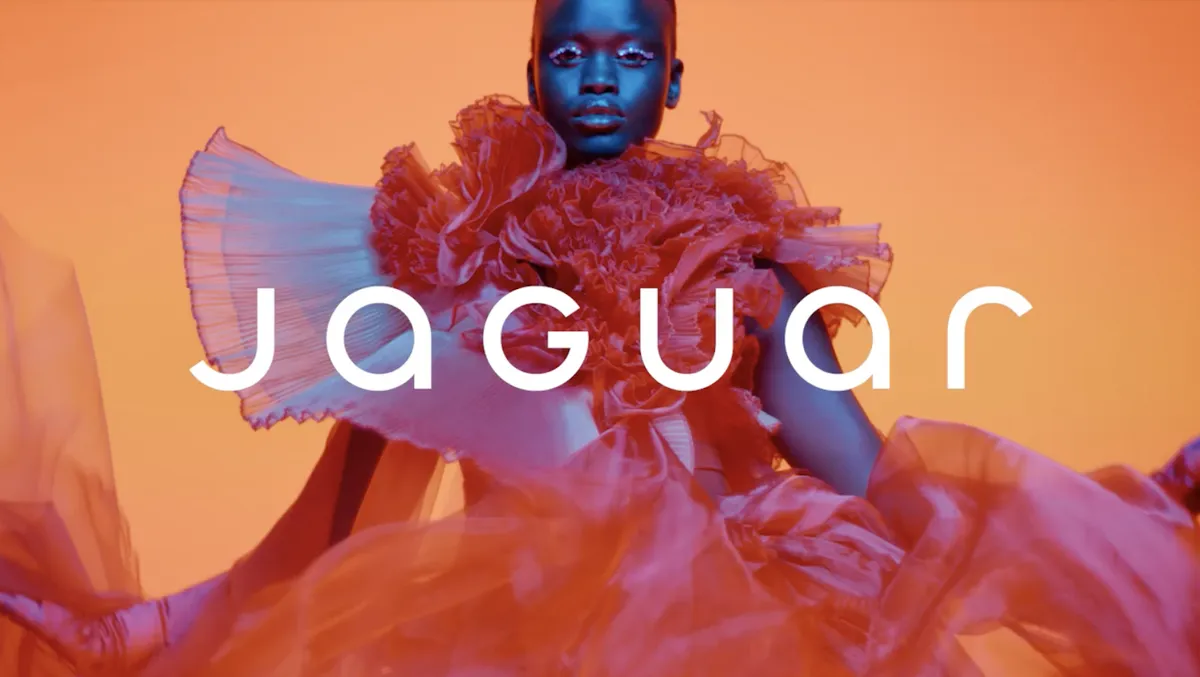
Jaguar isn’t just any other automotive brand. Its car designs are iconic. Jaguar ownership is the symbol of a true car enthusiast and it is a status symbol. A car that invokes jealousy among your peers. Now, the move towards EVs signifies a new era for Jaguar, but it can still embrace its heritage as it builds on its legacy for the future. Its new EV models symbolise what Jaguar does best – striking, unique, eye-catching designs that encapsulate the heart of the brand.
That said, what we’ve seen so far is not particularly attractive. The comments on the Type 00 have been anything but flattering. No evident connection to Jaguar’s glorious past. You can polarise, you can be bold and you can break with conventions, but you don’t have to kill your DNA to the point that it disappears. Mercedes-Benz recently unveiled its Vision Iconic concept car, which shows the future of the brand and celebrates Mercedes’ design DNA. It can be done with the right strategy in place.
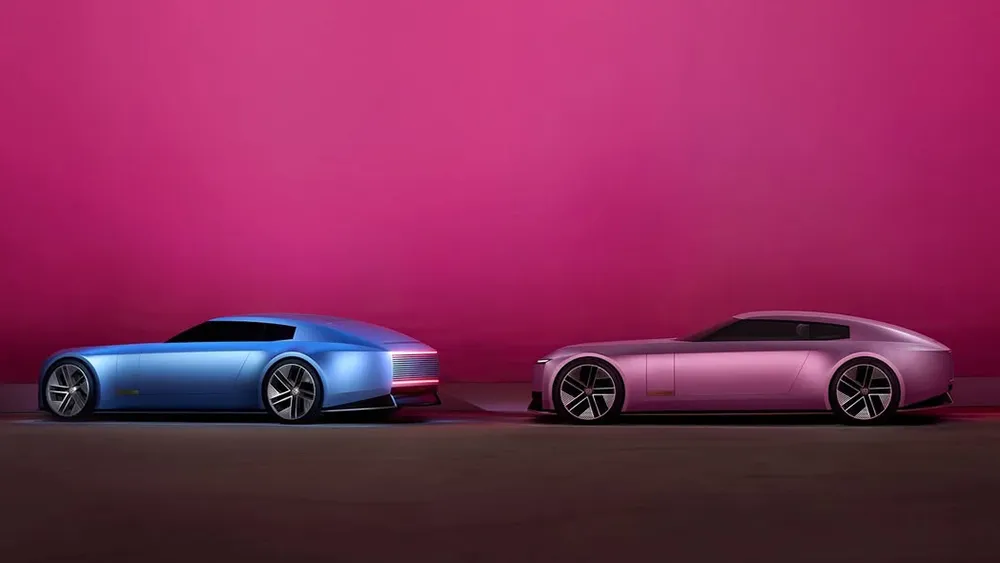
So, some other genius masterplan must be behind Jaguar’s volte-face. The automotive world is in such an unprecedented state of change that former Stellantis CEO Carlos Tavares expects the majority of today’s manufacturers to disappear in the next 10 to 15 years, leaving only five or six big survivors – most of them from China. Some legacy brands will continue to exist but more as licensors because of the meaning of their brands. In that context, it seems that JLR is trying to push Jaguar’s brand to top at all costs, to attract new and wealthier customers to increase its value and chance of survival.
Despite all that, there’s something admirable in the unwavering confidence that Jaguar has had in the rebrand. Something creatives can all learn from. It has stood firm despite mass criticism, which is an exception these days. Cracker Barrel’s recent rebrand debacle saw the company cave under pressure following backlash and revert to its original version. While this seemed to appease upset fans, Cracker Barrel’s stock dropped 10% in the month following the decision, and foot traffic and sales have also reportedly fallen since the controversy.
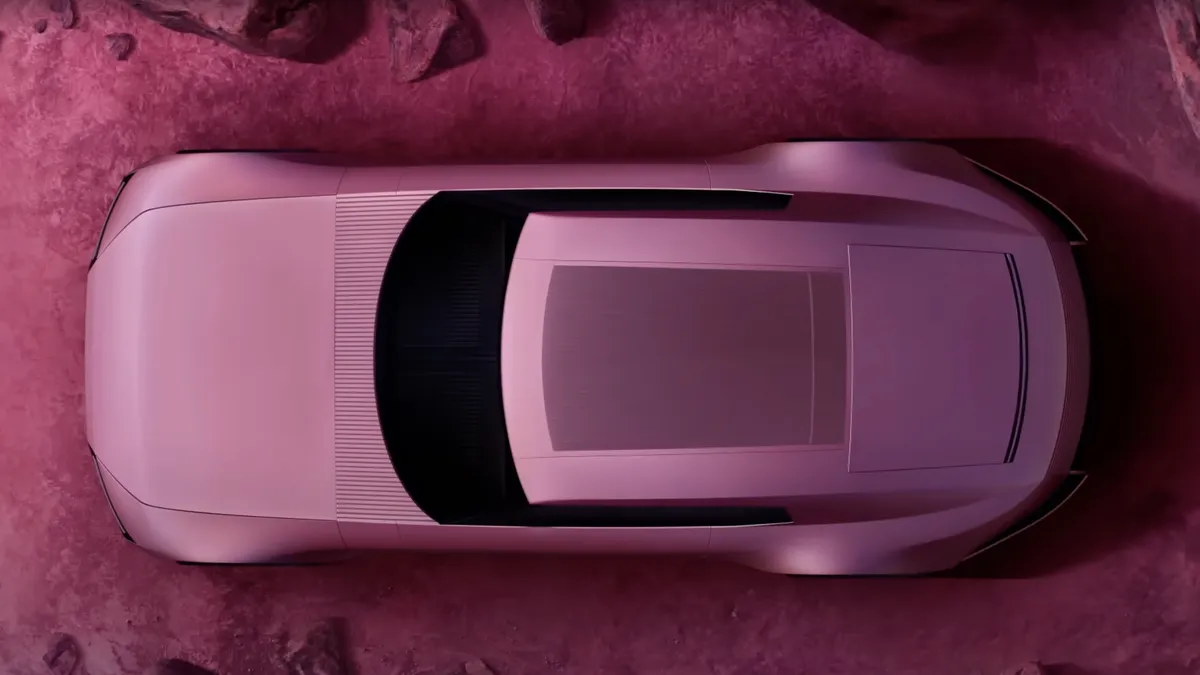
Next year, Jaguar will become an entirely electric company. Environmentally speaking, this is a step in the right direction. But the negativity around the rebrand, as well as other setbacks for EVs, such as potential new UK taxes and a lack of charging points, mean it faces an uphill battle. To win through, it will need to claw back part of what made Jaguar such a historic, legacy brand, loved by fans and a worthy status symbol globally.
In that context, a big and bold bet makes sense. All in! There’s no way back. But it will only work if JLR and its owner, Tata Motors, support the change and have the patience and funds required. If the nuclear option works out, it will be the greatest brand comeback of all times!
