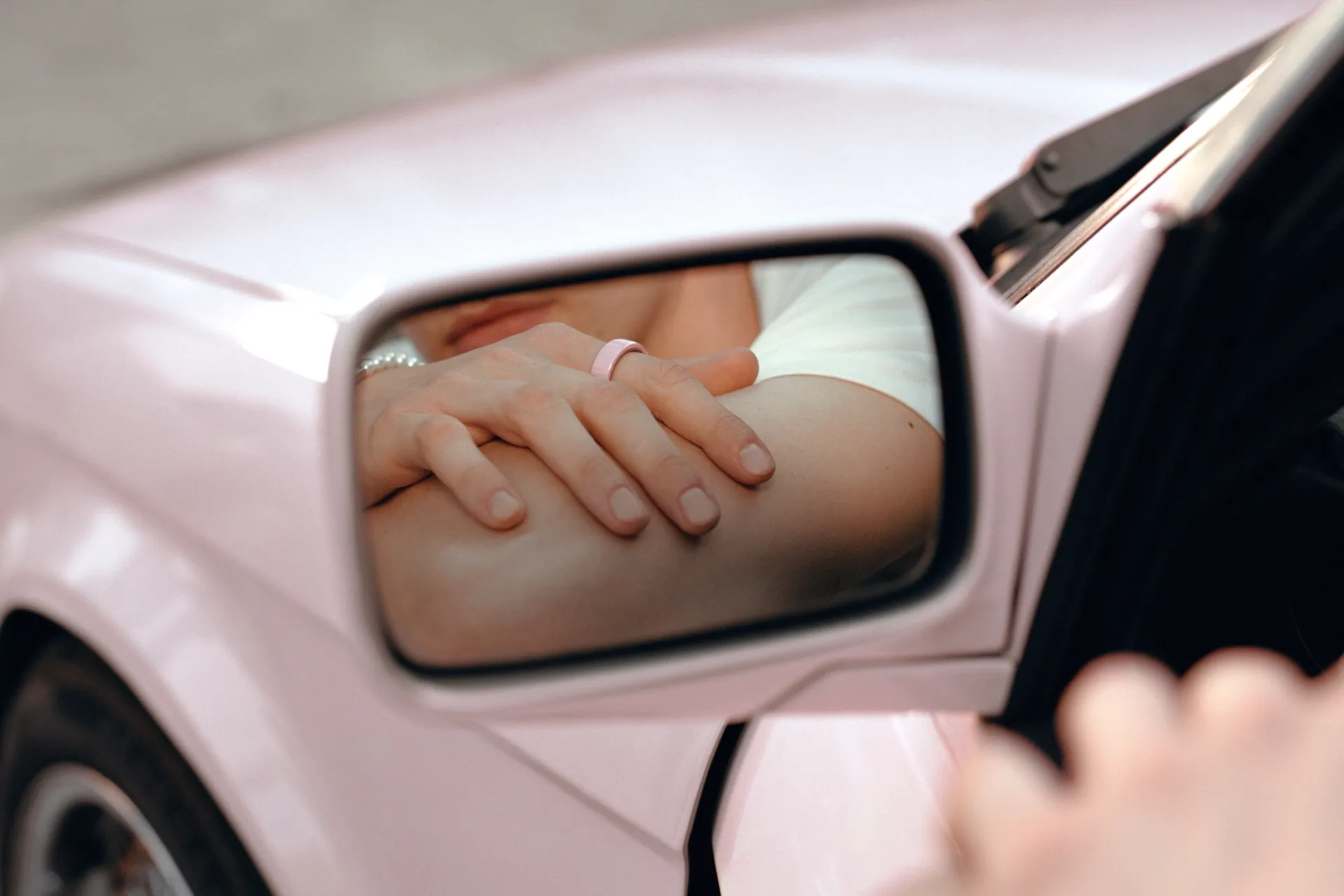
As a creative leader who’s practically lived through every shift in branding and design for decades, I can tell you: few movements feel as truly transformative, or as quietly profound, as the rise of wearable technology as a definitive lifestyle brand.
This isn't just another tech trend; it’s a fundamental redefinition of our relationship with technology itself. It’s moving beyond something we simply use to an intimate, almost invisible partner that profoundly shapes how we live.
My team and I talk constantly about "seamless tech". Devices like the Oura Ring are absolutely leading the charge. They operate in the background, yes, passively collecting reams of data, but their influence? Anything but passive. They’re becoming our quiet guides, nudging decisions around sleep, stress, and daily habits with increasing authority. This journey from mere tracking to nuanced advising, and eventually, proactive intervention, demands something far more sophisticated than just brilliant engineering. It demands a brand in the truest sense.
And let’s be clear: we’re not just talking about slapping a logo on a circuit board. This is about meticulously earning trust and crafting deep emotional resonance. As these devices weave themselves deeper into the most personal corners of our lives – from health to social interaction – the brand isn't just a promise; it's a living, breathing covenant. That promise isn't delivered solely through ad campaigns; it's inherent in every single touchpoint: the industrial design, the very feel of the product, the digital interface, and the sprawling ecosystem it calls home. (And did you know there are even smart earrings now?)
Industrial design: the first whisper of identity
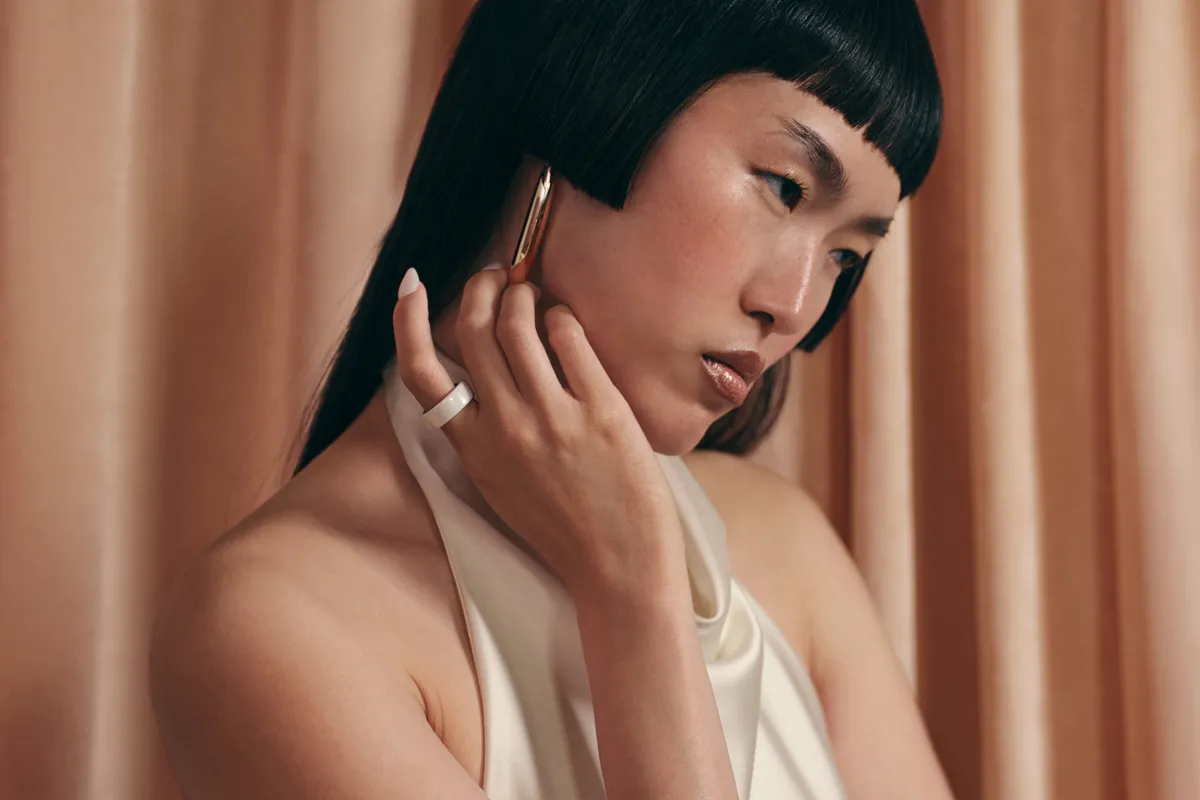
Before a single line of code gets written, or an app screen designed, the physical form factor of a wearable makes its most immediate brand statement. Industrial design here isn't just about ergonomics anymore. It’s a language of visual cues, a deliberate choice of materials, and that crucial, subtle sensation of an object resting against your skin for hours on end. It speaks volumes about intention and integration.
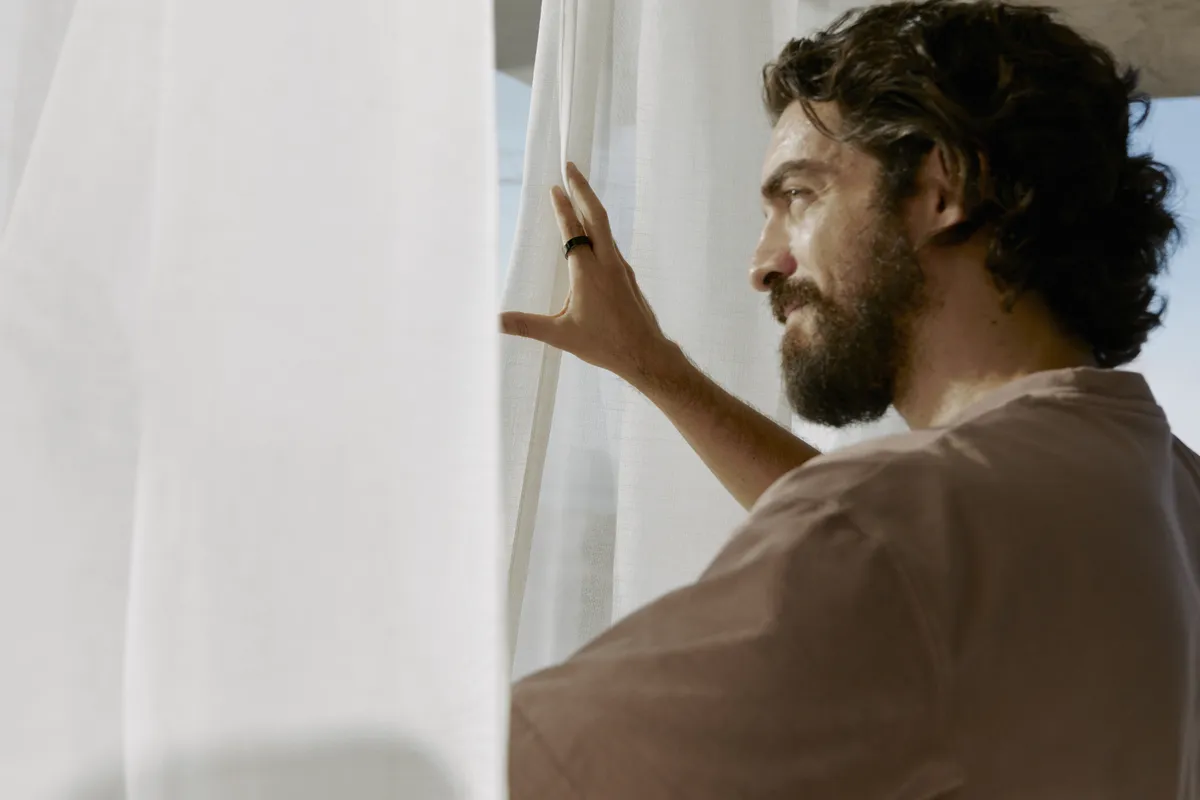
Think about the Oura Ring’s understated elegance. Its refined simplicity instantly communicates its purpose: a sophisticated, personal health monitor, not some clunky gadget.
Compare that to the minimalist, screen-less design of a Whoop strap, which immediately signals a focus on pure performance data, free from distracting notifications or flashing lights. These aren’t accidents; they’re incredibly deliberate choices that forge that initial emotional connection and set the tone for the entire brand journey.
Even more fascinating, and certainly more nascent, are categories like smart apparel and textiles. Here, the industrial design isn't just a casing; it is the intelligence. I’m thinking of performance socks from Sensoria that feel utterly normal, yet seamlessly track your running gait, or sleepwear woven with biometric sensors providing recovery insights.
This is the ultimate expression of "invisible tech." The brand is literally woven into the fabric of daily life, where the comfort and style of the garment are indistinguishable from the intelligence it delivers. For my design teams, this presents a wild challenge: how do you brand something when it's literally sewn into the seams? It pushes us to incredible material innovation and an aesthetic that’s both functional and aspirational, allowing the garment to stand on its own while simultaneously being smart.
UX and digital experience: where the brand truly breathes
Once someone brings that physical object home, the brand truly takes flight in the digital realm. The user experience (UX) and the accompanying digital interface are where the brand's personality, its unique tone of voice, and its core philosophy are expressed moment by moment.
Consider the remarkable evolution of Continuous Glucose Monitors (CGMs). Devices like Dexcom and Abbott FreeStyle Libre, originally quite clinical tools for diabetes management, are rapidly transforming into empowering health brands. Their apps don't just show data; they convert complex physiological information into intuitive, actionable insights.
The visual design is clean, the language feels clear and supportive, and the data visualisation helps users understand not just what their glucose is, but why it is, and, crucially, what they can actually do about it. This shift from a purely functional pharmaceutical device to an empowering personal health coach? That's a masterclass in brand-led UX.
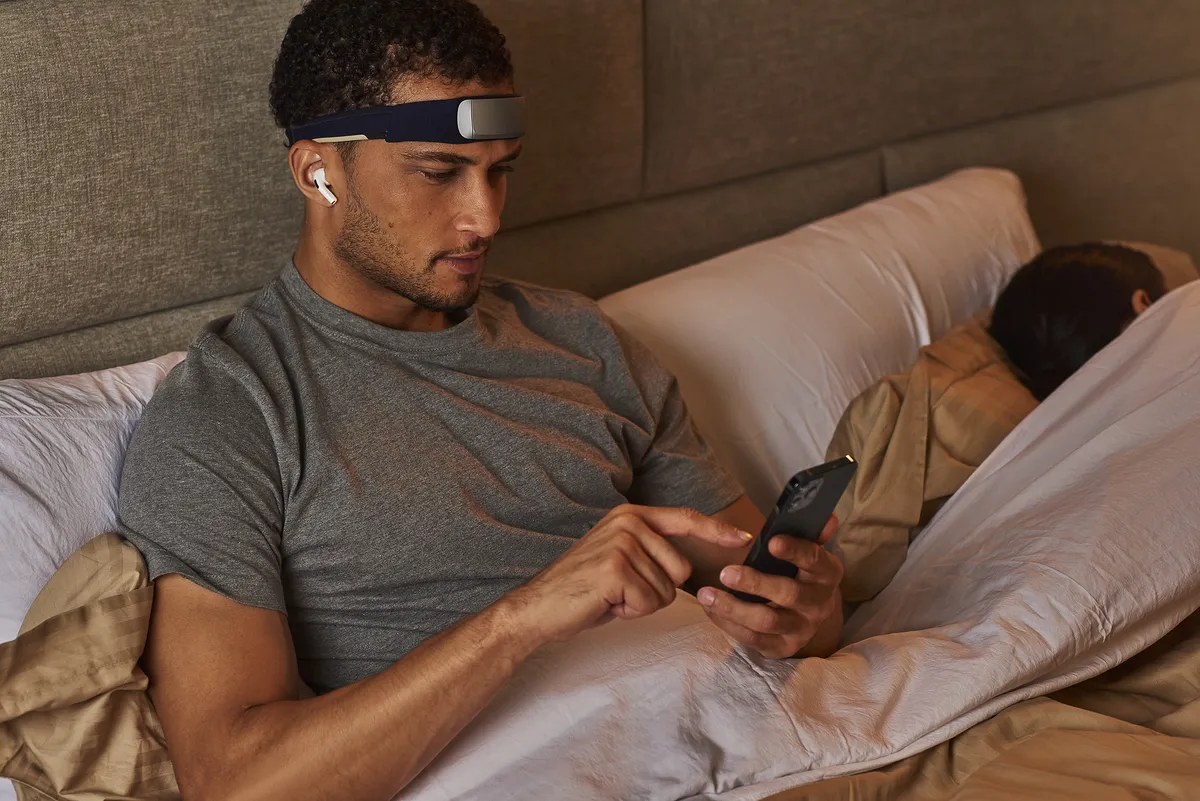
Another area that utterly captivates me is the rise of consumer neurotech and mental wellness devices, like Muse headbands. Here, the UX stretches beyond physical metrics to actively guide cognitive states. The app translates brain activity into real-time audio feedback, helping users achieve deeper meditation or focus.
The brand's tone is calm, encouraging, and resolutely science-backed, subtly intervening in your mental landscape. For designers, this means creating interfaces that don’t just inform, but actively soothe, guide, and enhance our internal experiences – a profoundly delicate balance of data and empathy. The trust required for tech to interface with our very thoughts is immense, and it's earned byte by byte, interaction by interaction.
The broader ecosystem: designing a life, not just a product
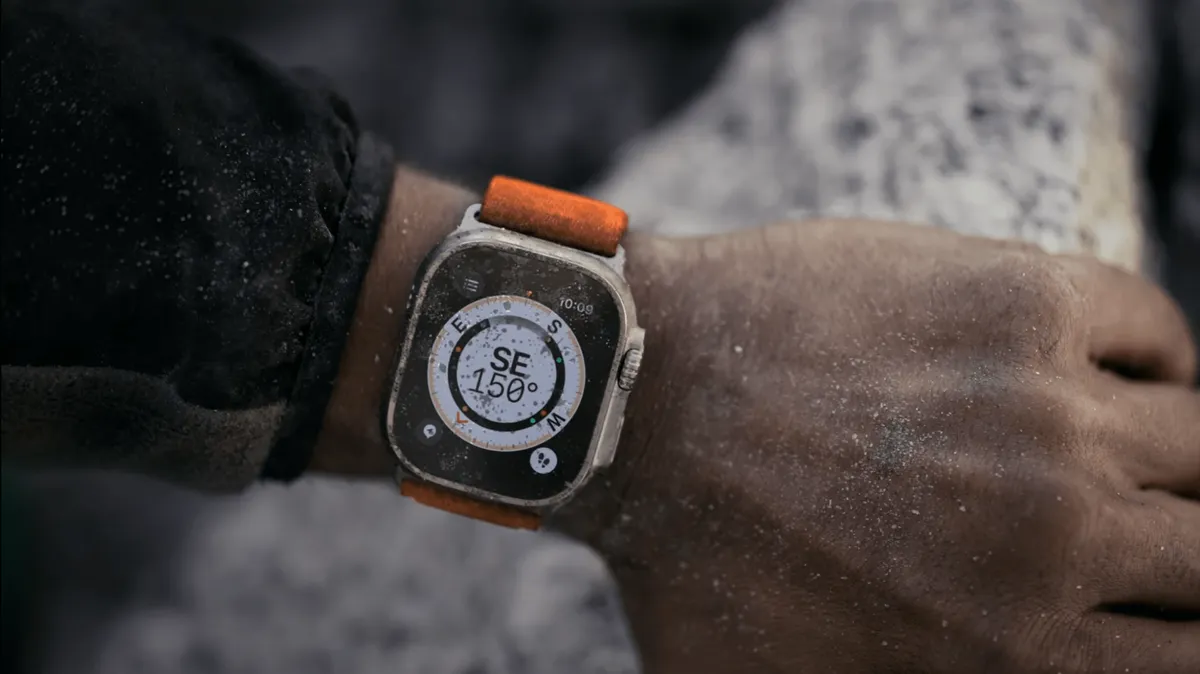
No wearable, not one, truly exists in isolation. Its real power, its lasting brand resonance, absolutely hinges on its integration into a broader ecosystem of services, platforms, and our daily activities. This is where the brand narrative expands, solidifying its place as a true lifestyle partner.
The Apple Watch, while a perennial example, perfectly illustrates this point. It’s never just a fitness tracker; it’s a payment system, a communication hub, a smart home controller, and a social connector. The brand meticulously orchestrates seamless transitions between these functions, reflecting Apple’s overarching promise of integrated, intuitive living.
More recently, the Ray-Ban Meta Smart Glasses offer a compelling glimpse into social integration. They brilliantly blend iconic fashion with discreet cameras and AI assistance, letting users capture and share moments hands-free. The brand leverage is palpable: Ray-Ban's fashion heritage meets Meta's social connectivity. This isn't just "invisible tech"; it's intelligence designed for visible social living, with the brand facilitating effortless storytelling and memory capture. The ecosystem here is social media itself, now augmented by your eyewear.
Looking ahead, we're seeing the genuine stirrings of hyper-personalised AI wellness platforms – what some call the "digital twin" concept. These aren't single devices; they're intelligent aggregators pulling data from all your wearables, your diet, and your lifestyle choices.
Brands like Levels, by providing continuous glucose monitoring and interpretation, are taking significant strides toward this future, where a sophisticated AI truly becomes your proactive, hyper-personalised life coach.
Imagine a system, drawing from Oura, Whoop, smart apparel, and even environmental sensors, that could provide truly predictive insights across health, nutrition, and mood. The brand here needs to be the ultimate intelligent confidant, distilling immense complexity into actionable wisdom, building trust through unparalleled accuracy and undeniable relevance.
And finally, consider biometric access and identity rings/devices. This pushes seamless tech beyond health and into our everyday interactions with the world. Fidesmo’s integrations for payments and access control, or rings designed specifically for secure authentication, transform a mundane transaction into a frictionless, elegant gesture.
The brand promise is supreme convenience and security, communicated through minimalist industrial design and instantaneous user experience. The ecosystem encompasses everything from smart locks to transit systems, making the brand an invisible key to your daily world.
The crux: earning intimacy
At the absolute core of this entire revolution is trust. When technology becomes this intimate – shaping our sleep, monitoring our blood sugar, influencing our mental state, or securing our very identity – the brand isn't just selling a product; it’s initiating a deep, personal relationship. Any friction in the UX, any ambiguity in the messaging, any hint of a breach of privacy, and that relationship shatters.
As creative leaders, our challenge is to design for this intimacy. We have to ensure that the distinct tone of voice, the crystal-clear messaging, and every single meaningful consumer touchpoint – from the exquisite unboxing experience to the quiet ping of a daily insight – feels relevant, undeniably valuable, and profoundly consistent.
We're not just designing products anymore; we’re designing aspirations, shaping behaviours, and ultimately, co-creating a way of life. The future, I believe, belongs to those brands that truly grasp this profound responsibility, those that transform passive data collection into an active, trusted partnership that genuinely helps people move from mere insight to meaningful, lasting action.