Mac vs Windows is a debate that continues to polarise creatives. This was apparent in the comments section here on Creative Bloq when we asked over a year ago why graphic designers use Macs.
Apple's switch from Intel to its own silicon with the M1 chip in late 2020 has helped maintain a view that Macbooks are more powerful and efficient for creative work. Windows laptops offer more choice, with multiple manufacturers offering devices powered by Intel, AMD Ryzen and more recently ARM-based processors like Qualcomm's Snapdragon, but Macs tend to come out on top when it comes to balancing performance with battery life.
Nvidia's out to change that. The graphics card giant has announced a move into laptop processing chips for the first time with the launch of RTX Spark, which it's billing as nothing less than a reinvention of the personal computer. Could it change which laptop you choose for creative work?
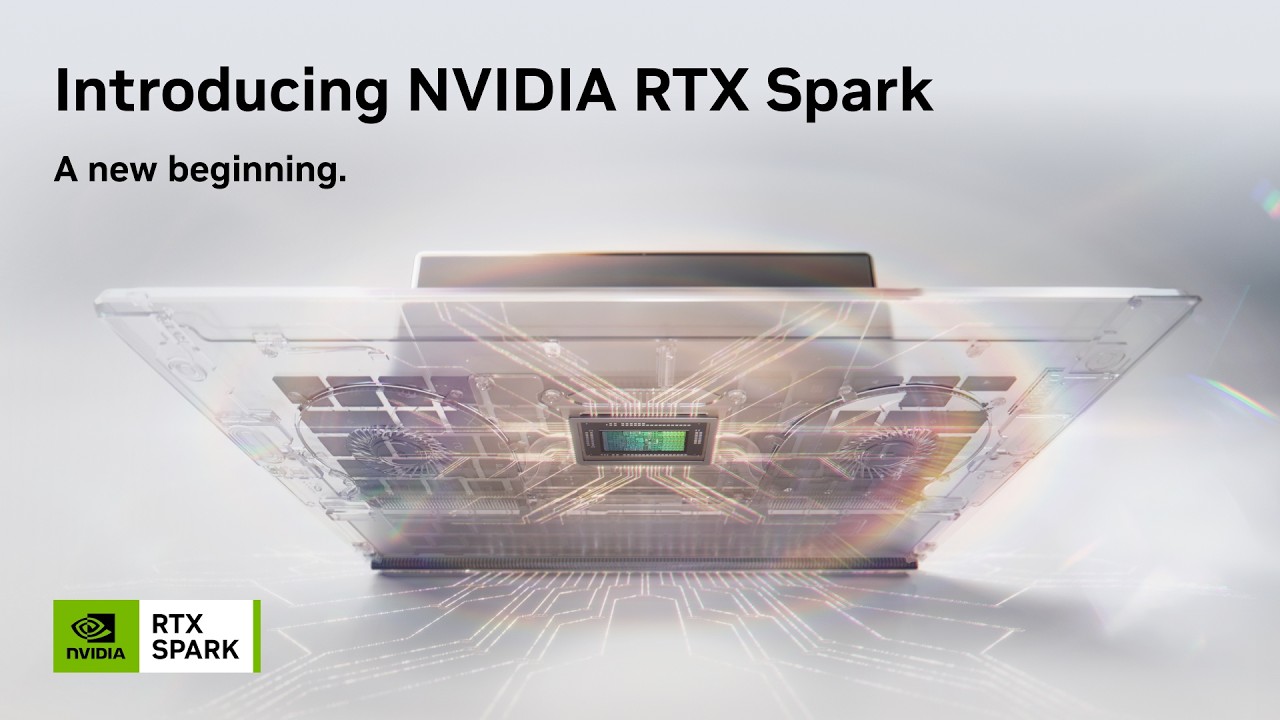
Nvidia's RTX Spark is intended to reshape the Windows laptop ecosystem.
Apple has already demonstrated the power of ARM-based silicon with its M series chips. Traditional PCs use the x86 architecture CISC, which relies on highly complex instructions. ARM employs Reduced Instruction Set Computing (RISC), with simpler instructions that allows tasks to be executed faster while the hardware runs cooler. On the Windows side, Qualcomm’s chips have offered advances in endurance but struggled on the graphics performance side.
Nvidia hopes to change that equation. It claims RTX Spark is the “most efficient PC chip ever built”. The superchip packs a Nvidia Blackwell RTX GPU with up to 6,144 CUDA cores and fifth-generation Tensor Cores with FP4 precision, connected via NVLink-C2C chip-to-chip interconnect to a high-performance, 20-core Nvidia Grace CPU designed with MediaTek. There will be configurations with up to 128GB of unified LPDDR5X memory.
Nvidia says the integrated graphics processing will be comparable to that of a discrete RTX 5070 Laptop GPU, although there are no benchmarks to peruse as yet. It also claims 1 petaflop of AI performance, with the chip specifically designed to run AI agents locally rather than relying on cloud computing. Nvidia's working with Microsoft to create RTX Spark-powered Windows agents that will be accessible from the taskbar user interface.
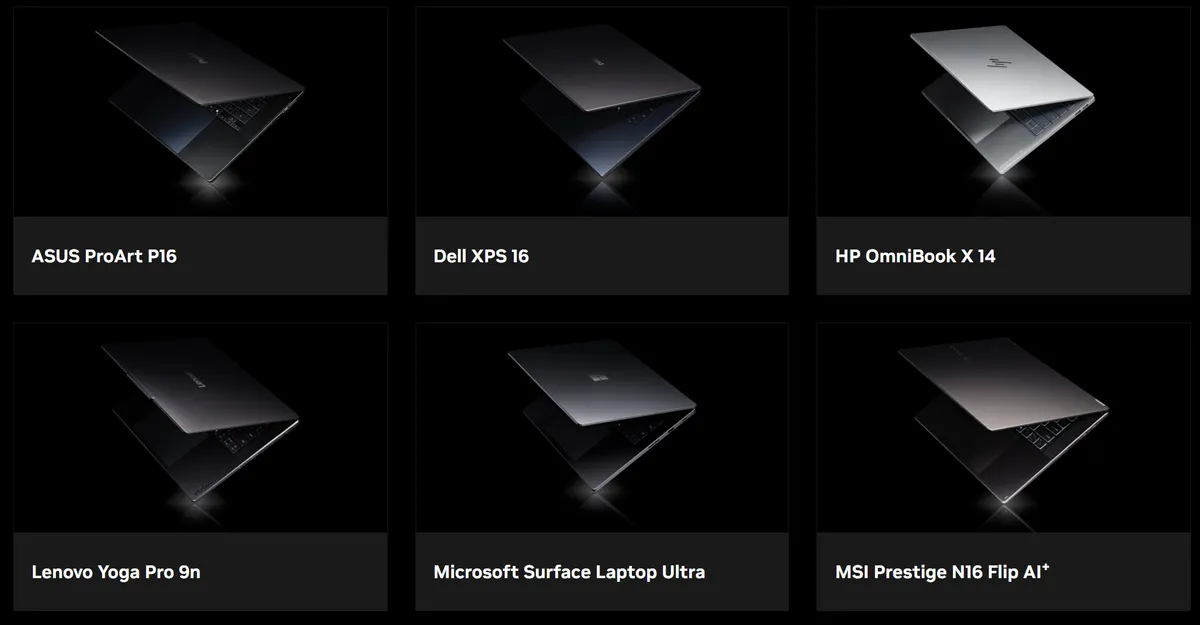
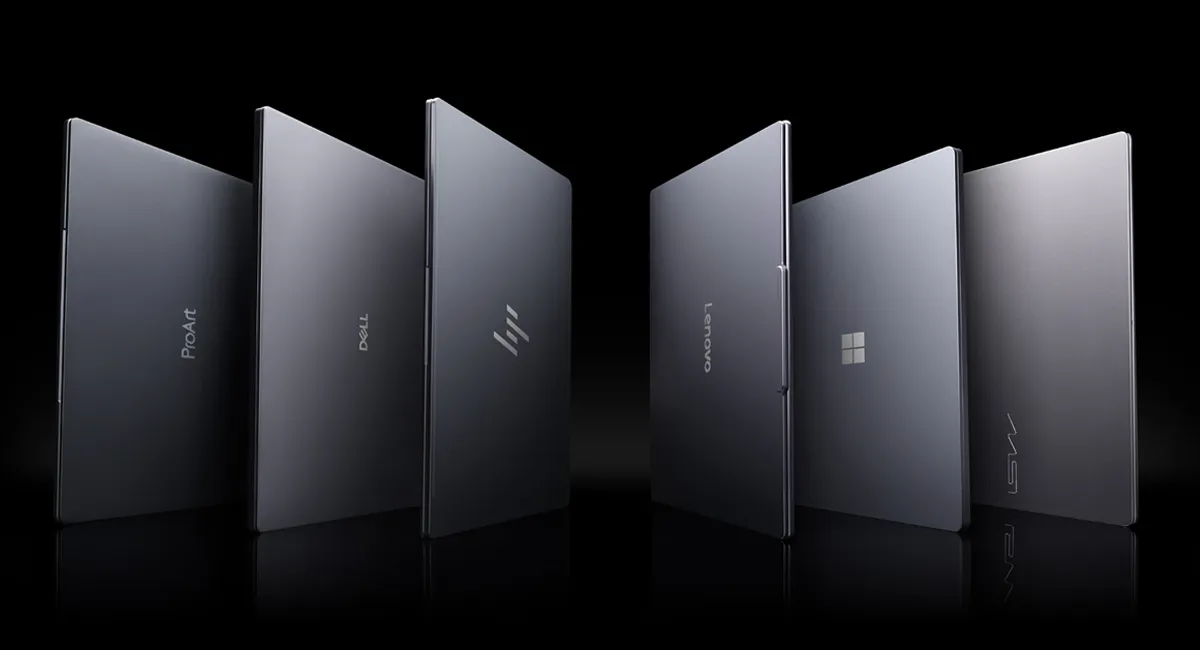
As for the devices that this will power, six RTX Spark laptops have been confirmed (above), including upcoming iterations of the Asus Pro Art 16, which already tops our guides to the best laptops for CAD and the best laptops for animation.
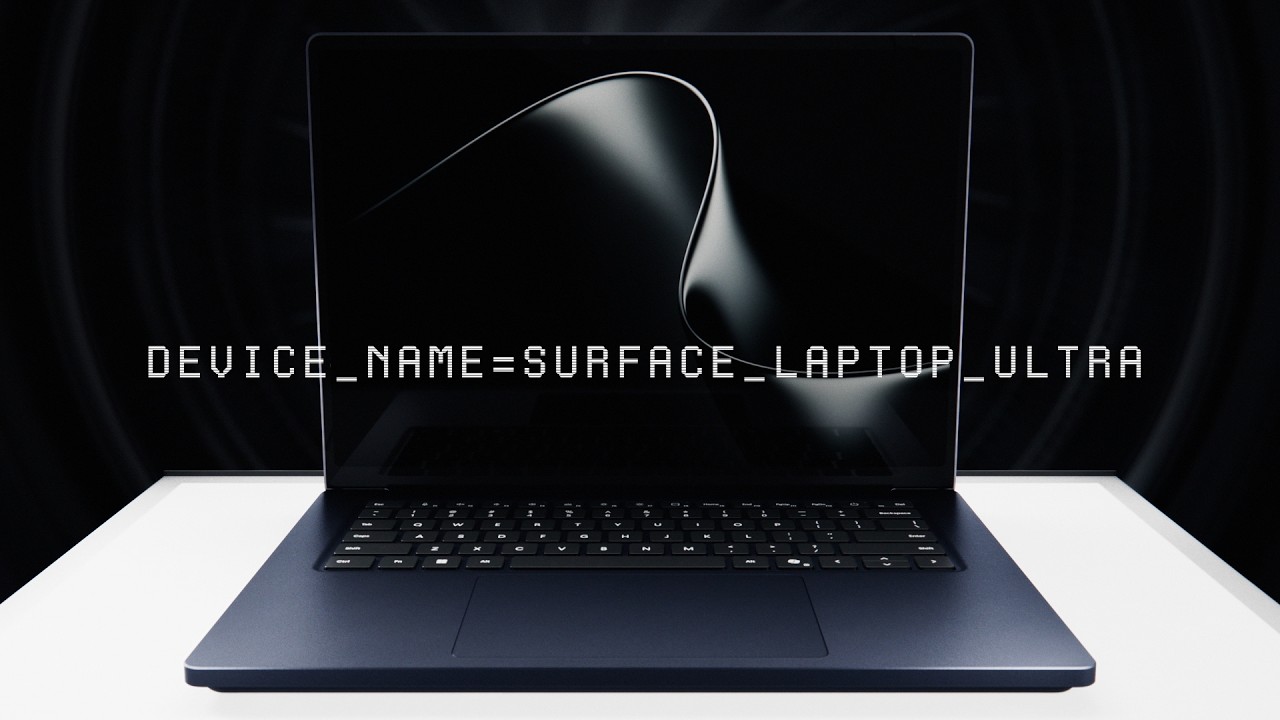
There will also be an RTX Spark-powered Dell XPS 16, HP OmniBook X 14, Lenovo Yoga Pro 9n, MSI Prestige N16 Flip AI and the new Microsoft Surface Laptop Ultra (video below), which Microsoft describes as “the most powerful thing we’ve ever made”.
RTX Spark laptops are designed with AI firmly in mind. Nvidia CEO Jensen Huang spent much of his keynote at Computex, talking about AI agents. But the devices are also aimed squarely at creators. Over 1,000 apps and games will be optimised for improved performance on RTX Spark chips, including DaVinci Resolve Studio, Blender and Adobe's Photoshop and Premiere.
Nvidia says users will be able to render ultralarge 3D scenes with OptiX and DLSS, edit 12K 4:2:2 video with the NVIDIA Blackwell decoder, run 120-billion-parameter large language models with 1 million tokens context and play AAA games at 1440p resolution and over 100 frames per second with ray tracing, DLSS and Reflex.
In addition to support for existing technologies, RTX Spark will power new RTX capabilities, including DLSS 4.5 Ray Reconstruction featuring a second-generation transformer model coming to Blender 5.3 and RTX Video with 4x Frame Generation, coming to ComfyUI.
The RTX Spark could be transformative for Windows. It won't end the Mac vs Windows debate, but it could shift it from performance to price. The RTX Spark's high entry cost may prevent it from replicating Apple’s M1 breakthrough. Pricing is expected to start at around $2,000–$2,500, while that top configuration with 128GB in memory could cost up to $6,000.
That's a stark contrast to Apple's launch of the M1 chip in 2020, which began with the relatively affordable MacBook Air, which started at $1,000. Nvidia's skipping straight to an M1 Max/Ultra moment, betting that premium buyers will drive adoption first. In that range, Apple currently sells its 16-inch M5 Max-chipped MacBook Pro with 128GB unified memory and 2TB of internal storage for $5,399. Will creatives embrace Nvidia RTX if it works out more expensive than a top-of-the-range MacBook Pro?
Some might argue that whether the gamble pays off could depend not only on Nvidia's hardware, but on Microsoft’s ability to deliver a smoother, better-designed operating ecosystem.
Meanwhile, RTX Spark isn't the only powerful new AI chip on the horizon. Intel plans to start shipping a chip later this year that it says uses cheaper memory and cooling tech.