Birmingham Design Festival has never been interested in keeping design in a neat little box. Across graphic design, digital, illustration, animation, craft, product, typography, storytelling, and social change, the event has built its reputation on celebrating creativity as something gloriously interconnected.
Returning from 10-12 June, BDF 2026 looks set to push that idea even further. Founded by Luke Tonge and Daniel Alcorn in 2017 as a way to bring a major design event to England’s second city, this festival’s latest edition is themed around Change, by name and by nature.
“For us,” Luke says, “design IS change. We’re all in the business of change.”
Curating change
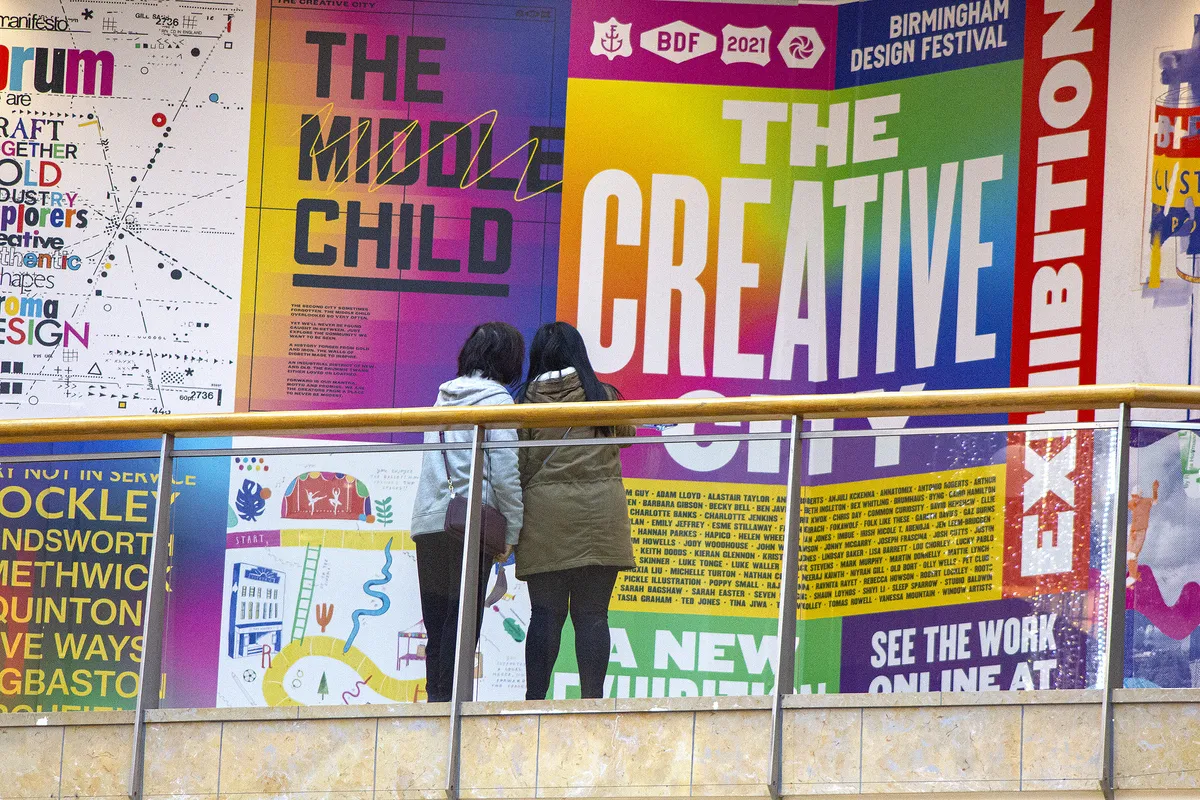
For Luke, curation is the “secret sauce” of any event. It might not be the most visible part of a festival, but for BDF it has “certainly been the most important.” Rather than setting out to top previous years, the team lets the theme guide the invitations. From there, the line-up slowly takes shape as speakers respond and the program is refined.
With a theme like Change, it would have been easy to centre the conversation on the biggest talking point in the creative industries: Artificial Intelligence. BDF, thankfully, has deliberately swerved that. “One thing we really didn’t want to do was invite a load of AI-bros to come and tell us all about how things are changing,” says Luke.
Instead, the festival looks at change much more broadly, with greater nuance, covering areas such as climate change, political and social change-making, creative transformation, craft, culture and communication. It culminates in a line-up of around 70 participants that aims to be varied, balanced, inclusive and genuinely broad.
Why multidisciplinary matters
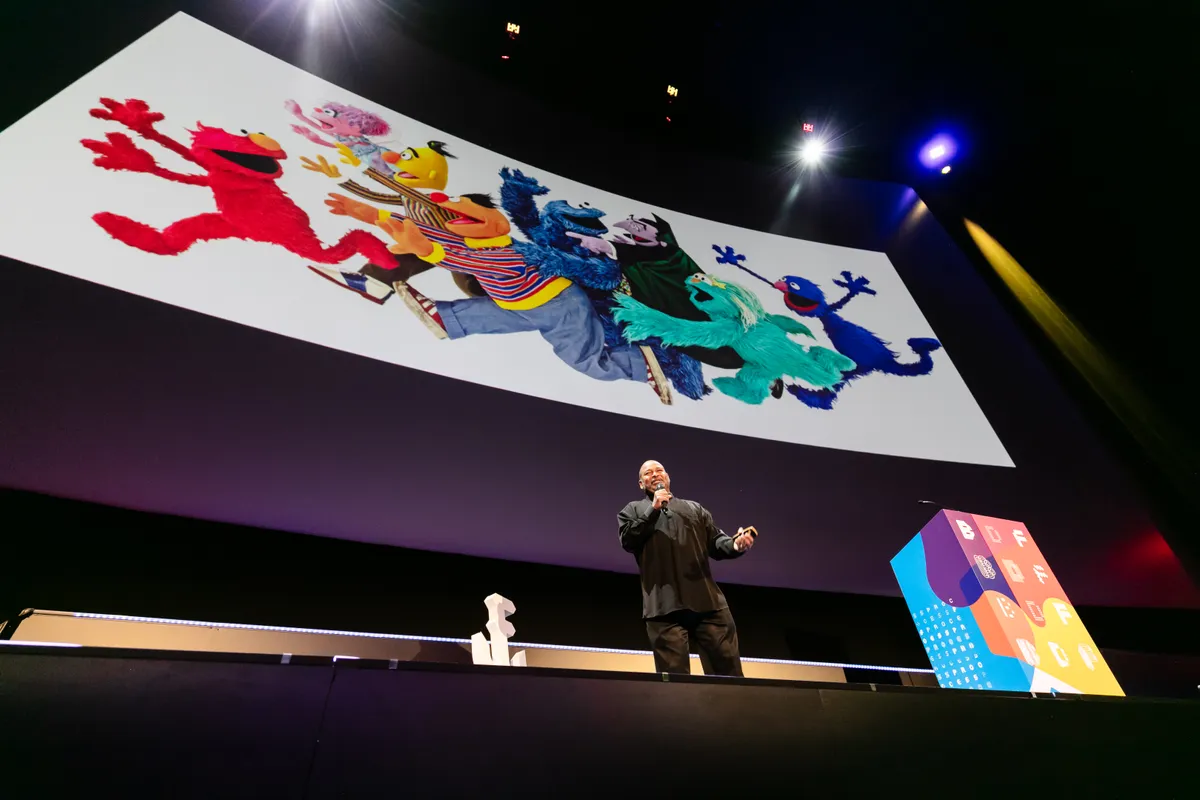
That multidisciplinary approach has always been central to BDF. As Luke explains, it’s a byproduct of his and Daniel’s contrasting yet complementary practices: “Dan is very digital (thank goodness), and I am very analogue.”
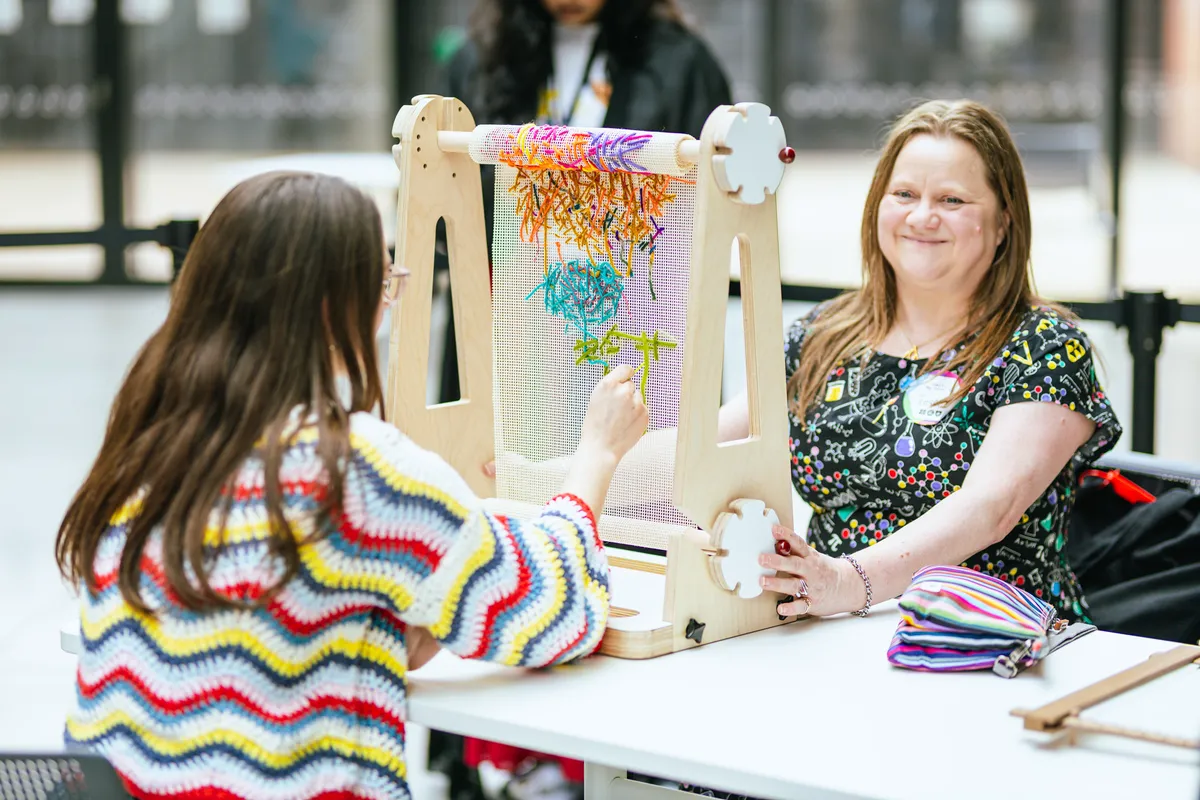
Luke’s love of print and physical objects runs through the festival – from the event program you’ll want to treasure as a souvenir, to hands-on workshops. Daniel, meanwhile, brings a screen-based perspective shaped by websites, as well as his love of video games, animation and VFX. Add in their shared love of pop culture, illustration, craft and product design, and BDF’s wide creative lens makes sense.
But the festival isn’t built around the founders’ tastes alone; the team listens to audiences, runs an open call for speakers and tries to make space for work that sits outside the usual design-event circuit.
Free talks, fresh perspectives
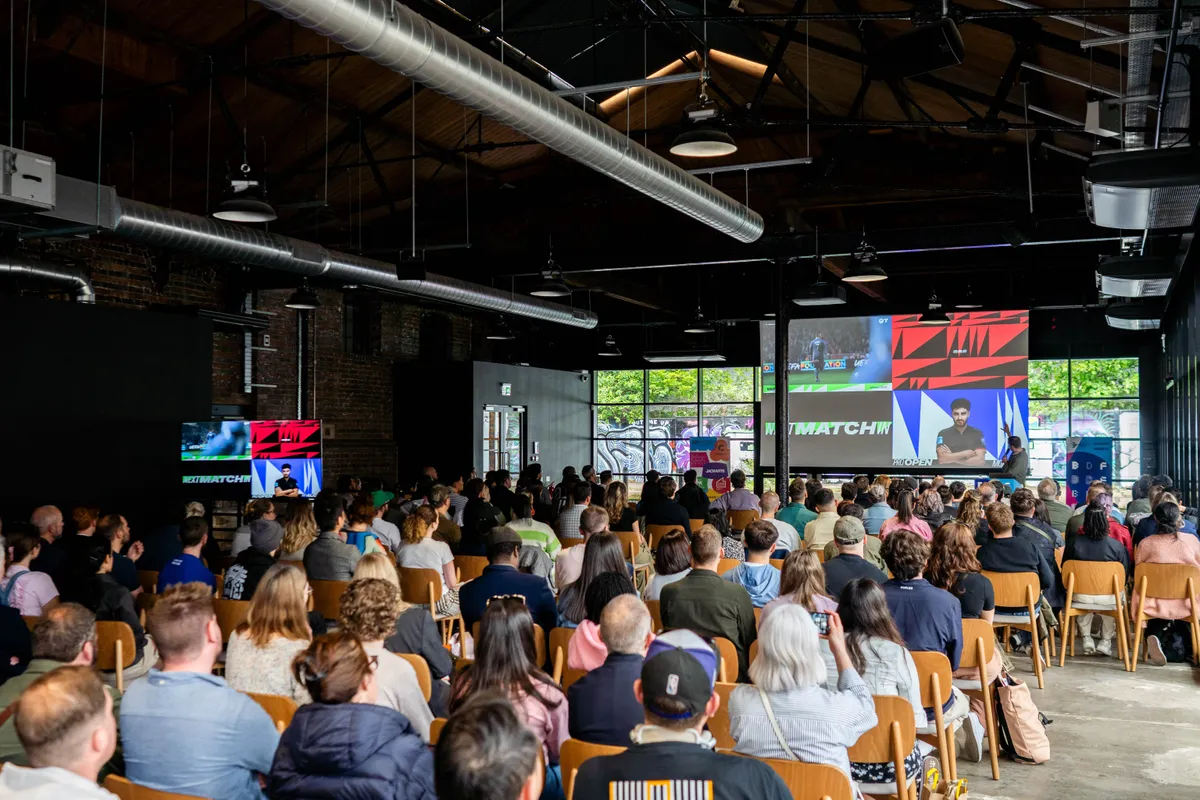
The format itself helps, too. Daytime talks are free, workshops are paid, and the evening headliners are priced at between £15 for students and £29 for everyone else. For younger creatives, students, freelancers, or anyone design-curious, that accessibility is a major part of the appeal.
“Part of the reason we make much of the festival free to attend is to remove that barrier to entry, so anyone can dip their toe in and see,” says Luke. “What this leads to is a really lovely mix of folks attending.” When a talk is free, and nearby, audiences are more likely to take a chance on something outside their usual comfort zone, which Luke adds, “leads to much richer conversations afterwards! “You wouldn’t believe the piano maker I saw speak today!” etc.”
Brum as a backdrop
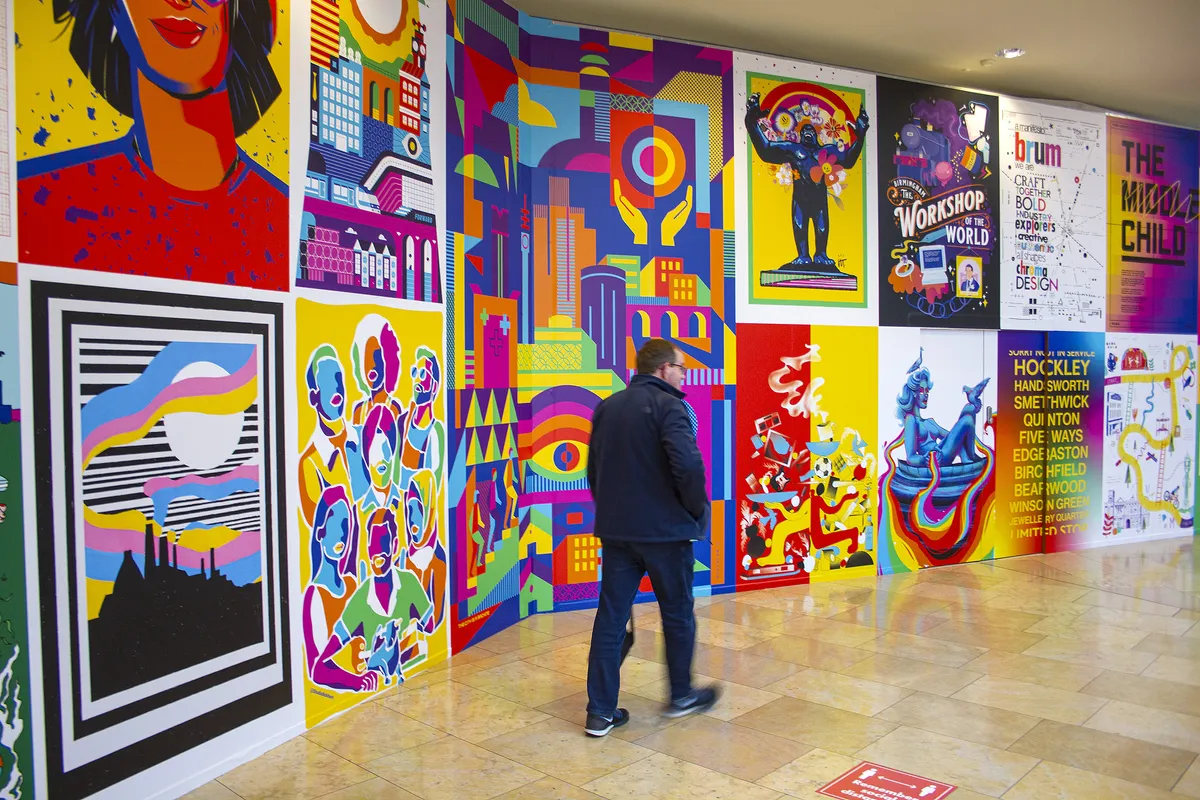
Birmingham Design Festival’s breadth feels particularly at home in Birmingham, a city Luke describes as one of “contrasts, cultures and contradictions.” Taking place across three hubs – EH Smith Design Centre, The Printmakers and Birmingham City University (BCU), which hosts the core daytime design talks – the festival is rooted in the city’s creative past and present. “Brum is the perfect city to be celebrating both Change and Creativity in general,” says Luke, pointing to Birmingham’s history as a “city of a 1000 trades” and the “workshop of the world”, as well as the makers, designers and artists shaping the West Midlands today. “It’s still a place that’s vibrant, dynamic and full of energy.”
That local history gives weight to parts of the programme focused on traditional craft, including glass-blowing, which once helped make the region world-famous.
Line-up highlights
As for what to look out for, Luke admits “there’s SO many that it feels really unfair to single anything out.” The free daytime programme alone spans Serlina Small opening the Digital District, Sean Rees in Graphic, Liz West in Analogue, Oslo-based Ellmer Stefan of Pyte Foundry, glass-blowing specialist Allister Malcolm, Samar Maakaroun of Pentagram, ending with motion designer Mat Voyce and James White closing the daytime Digital talks.
And that is before the evening events, which Luke calls “some of the best line-ups we’ve ever assembled,” with Aneesh Bhoopathy, Led By Donkeys, and James Ortiz among the names he is especially excited to hear from.
Perhaps the most surprising presence at BDF 2026, though, is someone who died 40 years ago.
Corita Kent, also known as Sister Mary Corita – the radical “pop art nun,” artist, designer, educator and social justice advocate – “looms large” over this year’s festival, says Luke.
Her change-making legacy will be explored through three workshops, an installation at BCU Parkside and an evening talk by Nellie Scott, executive director of the Corita Art Center. For Luke, it is the part of the programme he is most excited about. “As a huge fan of her work, and the hope it embodies, I am stoked about this above all else.”
For a festival built around Change, this feels like a fitting note to end on: radical, generous, cross-disciplinary, and open to all.
“BDF is for everyone, whether they work in the creative industries, or just have a passing interest in them,” says Luke. “If you’re curious, wonder if it might be for you, come along and see.”
Explore Birmingham Design Festival's lineup.