Non-profit DEI organisation Onvero needed a new visual identity. The challenge? Its CEO, Sandi Wassmer, is blind. It presented a unique quandary: how do you design a brand identity when the person leading the organisation won’t see it?
Accessibility is often not given the priority it deserves when it comes to graphic design, yet creative studio Something Familiar embraced the challenge. From dissecting 'industry standards' to creating meaning beyond visuals, I caught up with creative director Kane Hawkins to discuss the tensions and lessons learned from this unique project.

For the team at Something Familiar, the project began by placing inclusivity at the core of their thought process. "The biggest surprise was realising how much of what we considered "industry standard" simply wasn't accessible enough," Kane explains.
"We had assumptions baked into our process – everything from the way we present concepts, to the tools we use, how we share work and even how we describe colours. Working with Sandi's team exposed those gaps quickly. We asked, listened, and iterated far more than usual. It was humbling, but this transparency made the work better," he says.
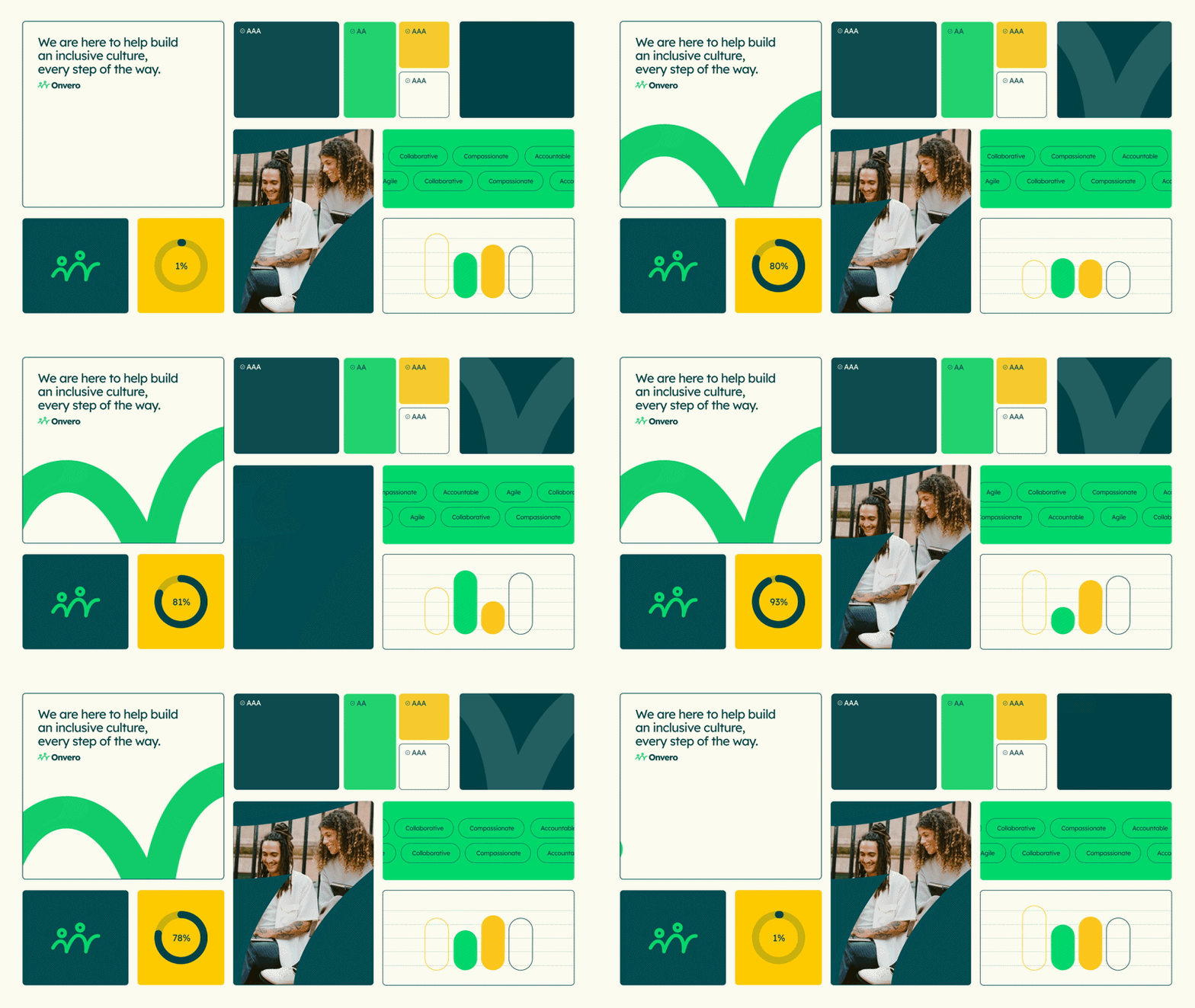
Working with Sandi Wassmer brought on a complete change of mindset, as Kane explains, "It made us think much more carefully about how subjective and exclusive visual-first communication can be. Sandi’s needs influenced us to fundamentally change that communication, especially in the early stages of the project.
Without being able to solely rely on visuals through ideation, we had to slow down and describe our ideas more clearly. Our individual interpretations of design were vastly different based on our own experiences, so we used tools and tactics to build a shared language around how we were beginning to shape the brand identity – from naming colours collectively, to crafting voice-overs for conceptual work," he says.
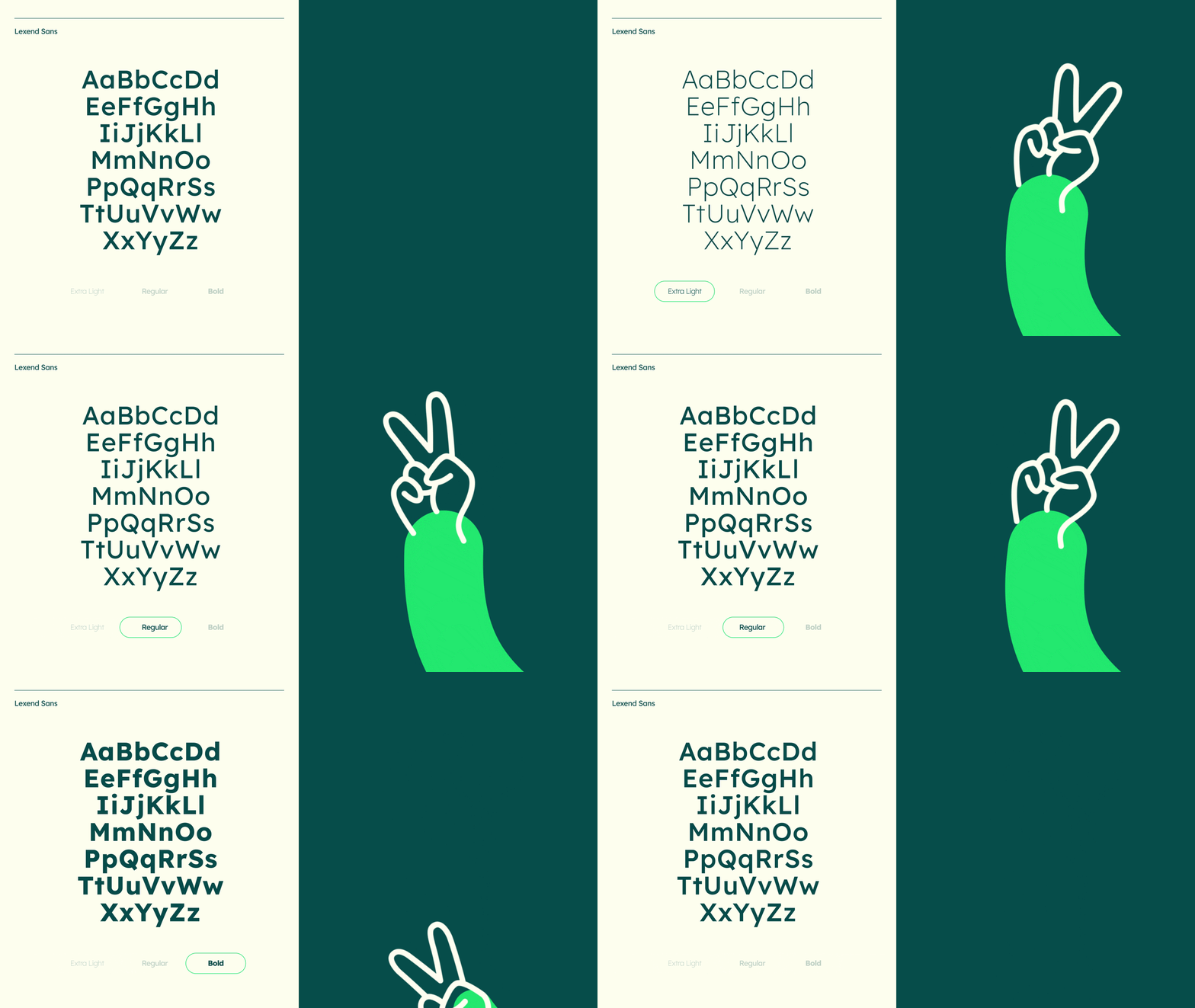
Built with inclusion at its core, Onvero's new identity embraces tactile design with embossed and die-cut brand stationery. The logo was created to be easily drawn on the hand (and has since been 3D printed as a gift to the team), translating the design to those with visual impairment. Paired with sensory-friendly presentations and typeface built for accessibility in Lexend, the design is "rethought for an experience beyond sight."
"Tactility is encouraged where accessible, like the business cards. The colour descriptions were built through AI so that a colour wasn't just a hex code, but something you could communicate and imagine. None of those things exists in isolation – together they made a brand that works in a completely different dimension to most of the work our industry produces," Kane explains.
When asked what lessons were learned from the project, Kane reflected, "Accessibility has to be part of the conversation from day one, not a tickbox exercise towards the end stages of delivery."
"Every design decision we made on this project, from the form of the logo to the typeface, to the colour palette, was shaped by accessibility requirements, and it never held us back. In fact, it made every choice more intentional. Since building the brand alongside the Onvero team, we've continued to have these conversations with other partners as early as the proposal stage, rather than leaving it to the delivery stage," Kane concludes.

For more design inspiration, check out why Taylor Swift's website mistakes are an important lesson to everyone on the internet, or take a look at how to choose a typeface for the digital world.