When Burger King unveiled its first full rebrand in over 20 years in January 2021, we called it a celebratory and personality filled masterclass in flat design. At a time when many brands were busy sanding down their identities into bland, minimalist sameness, Burger King did something far more interesting. The brand went backwards, arguably kickstarting one of the biggest design trends of this decade.
Created by JKR, the overhaul touched everything, from the logo and packaging to uniforms, menus and digital interfaces. It was, as the brand put it, “mouthwatering, big and bold, playfully irreverent and proudly true.” The centrepiece was a new logo that ditched the glossy 3D blue swoosh of the 1999 design in favour of something radically simpler yet familiar: a modern take on Burger King's 1969 logo.
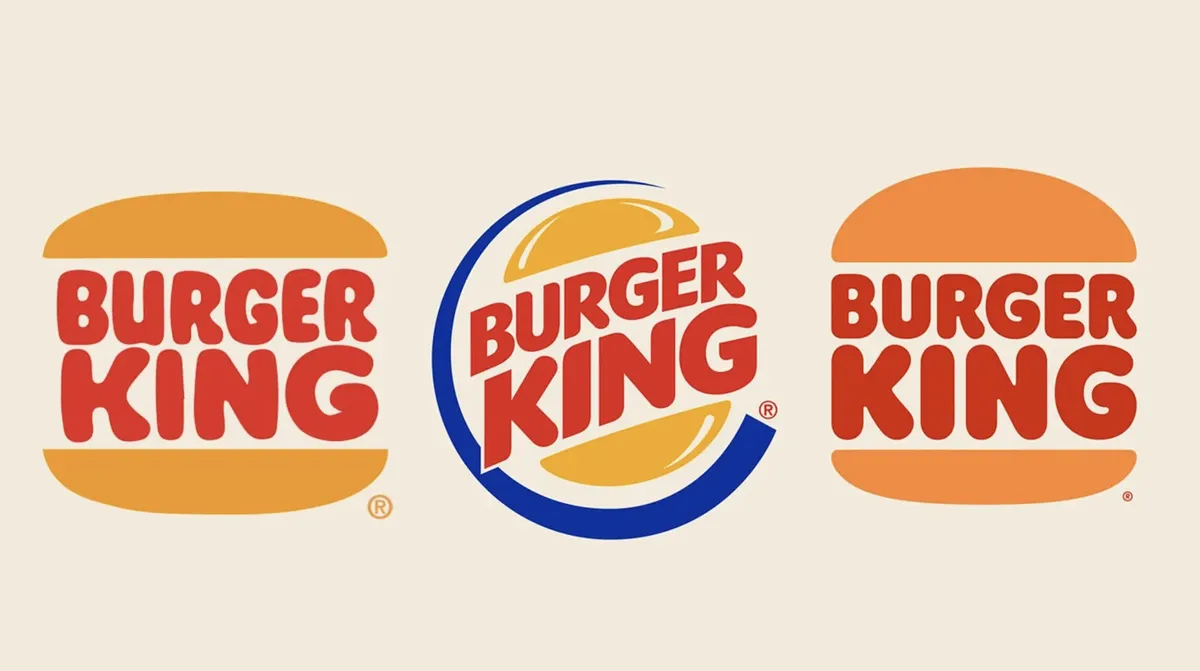
But this wasn't just a straight logo swap. While the design borrows the same concept as the 1969 original, featuring the wordmark nestled between two buns, thanks to a new custom typeface called 'Flame' it also looks clean, contemporary and digital.
The 2021 rebrand was one of the most comprehensive we've seen over the last few years. Along with the new rebrand and typeface, JKR introduced new packaging and menu designs, new decor and, perhaps most importantly a new colour palette. The latter leaned into unapologetic warmth: BBQ browns, fiery reds and punchy oranges that felt more diner than digital startup.
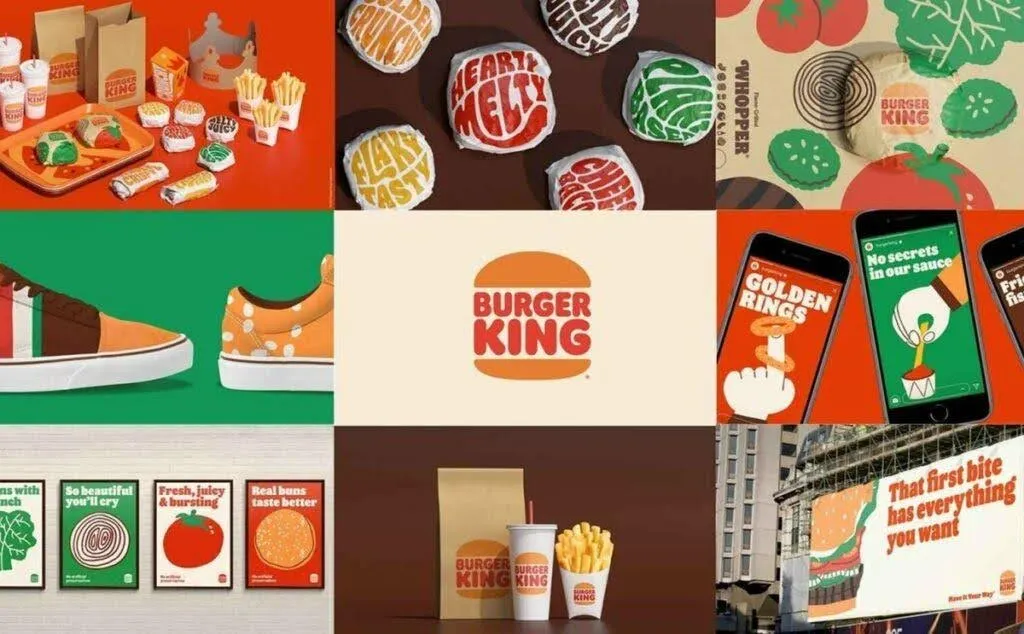
That last point is important, because it's that sense of homeliness and authenticity that makes this rebrand such a success. "We wanted to use design to help close the gap between the negative perceptions a lot of people have of fast food, and the positive reality of our food story by making the brand feel less synthetic, artificial and cheap, and more real, crave-able and tasty," Lisa Smith, executive creative director at JKR, told Dezeen in 2021.
And it worked. Five years on, the Burger King rebrand still feels surprisingly confident. Where many rebrands age quickly (and/or badly – looking at you, Meta), this one seems to have settled in. Part of that is arguably down to its conceptual clarity. By anchoring itself in its own heritage, Burger King created a system that feels both contemporary and timeless. Like Instagram's 2016 rebrand, this one has staying power.
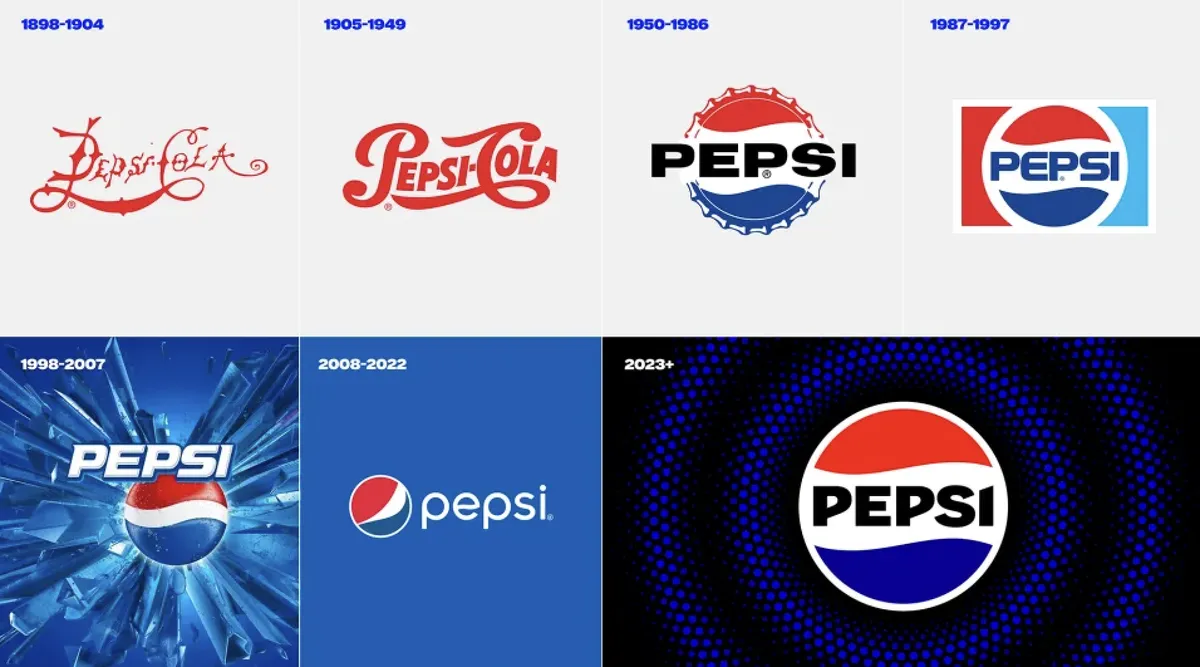
Speaking of heritage, Burger King's backwards-looking rebrand proved to be an early signal of a broader shift in branding. Since then, we’ve seen a wave of companies rediscovering their archives; reviving old logos, reintroducing vintage typography, and leaning into the emotional pull of nostalgia and familiarity. At this point, somewhat ironically, the trend is starting to feel old.
But where some nostalgic rebrands have fallen flat, Burger King's felt fresh because it treated its past as raw material rather than a template to be copied; refining proportions, redrawing type and building a cohesive system that works seamlessly across physical and digital spaces. In short, it blends the old and the new perfectly.