Over the past few years, there's been an increasing number of failed rebrands as big companies move towards minimalist branding and corporate clean design. I say 'failed' with a pinch of salt, as some are not necessarily bad, but attract a vocal crowd of critics rearing to hop on the hate train. In the internet age, whinging has never been so accessible.
But when controversial rebrands are met with heated backlash, what's the right move? Stick to your guns and face a potential future of hate, or revert back to the past and let the critics win? It turns out the risk of rebranding is much more than a design issue; it's a test of nerve.
Sticking to your guns
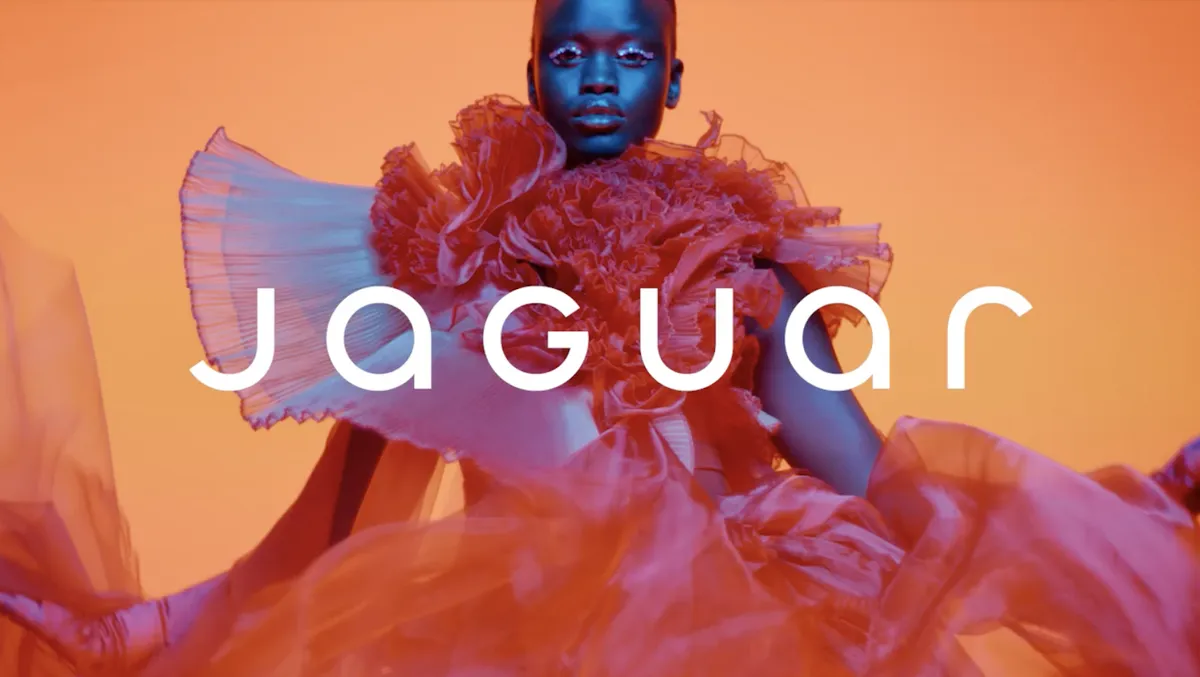
Controversial rebrands aren't a rare occurrence. Chances are, if a brand decides to switch things up, someone's getting upset. Cast your mind back to the now infamous Jaguar rebrand of late 2024. With its strong heritage identity (and suitably heritage-aged fanbase), the brand's bold move into modern design had devoted fans clutching their pearls. It was tarnished as 'woke' and a sinful act of 'reblanding' that alienated its core demographic.
Whether the rebrand was good or not is irrelevant – Jaguar knew it was being provocative and owned the drama. On the Uncensored CMO podcast, Jaguar’s Managing Director, Rawdon Glover, boldly claimed Jaguar was "fine with polarising," explaining, "What we shouldn’t do is try and be loved by everybody… you’ll end up with a vanilla – six, seven out of ten. The answer clearly wasn’t to tweak here or tweak there. [...] We needed to make a big change. We needed a complete reset.”
Over a year on Jaguar's highly divisive rebrands is still talked about today. It marks a bold step towards the brand's move to go fully electric – something that was already destined to be controversial for classic car purists. Sticking to its guns in the face of heated backlash was a brazen show of confidence – a sign that if you believe in your brand, the right crowd will eventually find you.
You can't please 'em all

When it comes to rebrand f**ck ups, it's not as simple as reversing everything and hoping everyone forgets your flop. The internet remembers, to a concerning degree.
No brand knows this better than HBO Max. Back in 2023, it decided to drop its HBO tag, which (predictably) confused the masses. Over the next two years, the brand tried desperately to redeem itself with a number of failed logo redesigns from blue to monochrome, but nothing stuck. Watching Max desperately try to impress by reinventing itself felt like witnessing an identity crisis in real time. Even with a sprinkle of self-deprecating humour, it couldn't get fans on side.

So what did it do? It bought back the HBO Max title in 2025, but by then, everyone had seen its desperate floundering. A mixture of rebrand fatigue and a clear lack of strong brand identity alienated many viewers. There was no grand celebration for the return of HBO Max – just a deflated 'I told you so' among critics.
HBO Max proves why confidence in your brand is so vital. Its constant flip-flopping between identities showed a distinct lack of direction and a lack of faith in the brand. The internet can smell fear, and Max's ever-changing look only intensified the reactionary contrarians who pushed against each new evolution.
Trying, failing and bailing

Typically, one of the worst reactions to a failed rebrand is to completely pull the plug. Only recently, the Philadelphia Museum of Art was guilty of reversing its controversial rebrand after trustees and members kicked up a fuss.
Again, it was a case of messing with heritage design. The museum's iconic 1938 gryphon logo was revived, under the new (and seemingly pointless) name – Philadelphia Art Museum. Besides the natural abbreviation being 'PhArt ' as fans pointed out, others were angered by the museum's choice to work with Brooklyn-based design studio Gretel, rather than supporting local creatives.

The rebrand was so poorly received that it resulted in the firing of former CEO Sasha Suda. In a statement, the newly appointed CEO, Daniel Weiss, claimed, "An essential part of brand stewardship is innovating, and also listening. The new logo, with the griffin, is a bold, yet historical approach that we are heartened to see is being embraced by the public. Returning to the name that is beloved by staff, trustees, and members is an important gesture. We now have a system that our entire community can rally around – so we can dedicate ourselves to the important opportunities of our mission.”
I find myself torn on whether the Philadelphia Museum of Art made the right choice. On the surface, reverting feels like an admission of defeat, but taking accountability is just as valuable. In this case, the museum's rebrand feels like a reversion with purpose and heart, rather than a messy identity crisis.
Commit or quit?
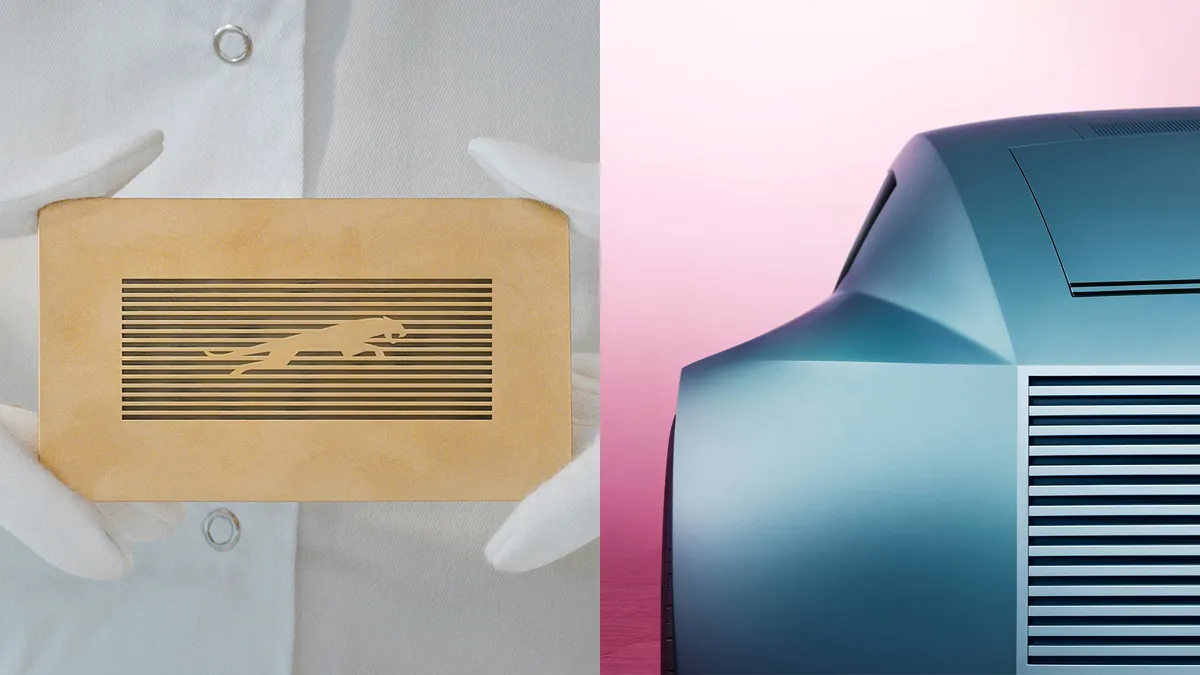
It was the great prophet RuPaul who once said: "If you can't love yourself, how in the hell you gonna love somebody else?" and I believe this is a valuable sentiment for rebrands. Knowing and feeling confident in your brand identity should be the first thing before any rebrand begins – if you don't understand your core brand, no rebrand is ever going to feel like the one.
Once you understand the brand, it's easier to build an identity that you believe in. Design speaks where words can't, and there's value in curating an identity that tells your brand story, rather than opting for aesthetics alone. Confidence in your brand also means that backlash is less likely to sway your decision. Understanding that contrarians gonna be contrary is a valuable reminder that your considered brand identity has value regardless of its reception.
Should you stick it out if a rebrand goes south? There is no right answer, but what counts is that you believe in what you create. A 'failed' rebrand backed by belief is far more powerful than a rushed rebrand for the sake of modernisation. At its core, the success of a rebrand is a matter of faith and intention.