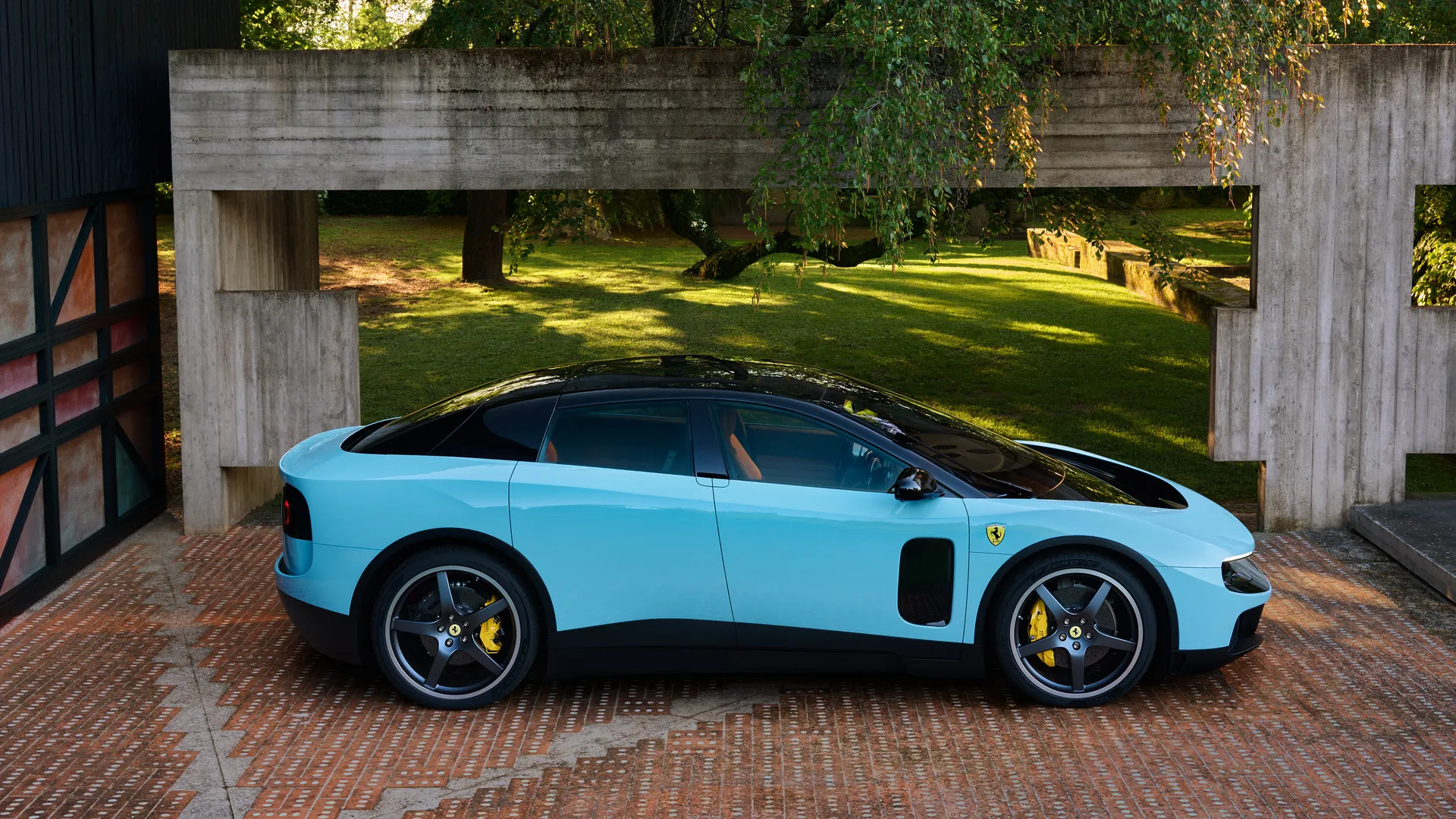
One of the biggest stories in design this week was the launch of the Ferrari Luce, the first electric vehicle from the Maranello-based luxury car marker. Pope Leo XIV seemed to like it when he was given a tour on Tuesday, but many Ferrari enthusiasts were horrified. Social media was soon flooded with memes comparing the design to everything from cordless vacuum cleaners to Apple's Magic Mouse.
Former Ferrari chairman Luca di Montezemolo said the five-seater sedan was “risking the destruction of a myth”, while Italy's transport minister complained that it “looks like anything but a car from the prancing horse".
But why is the Ferrari Luce so controversial, does it matter, and what should Ferrari do about it? We asked four branding professionals for their expert takes, and a recurring theme emerges.
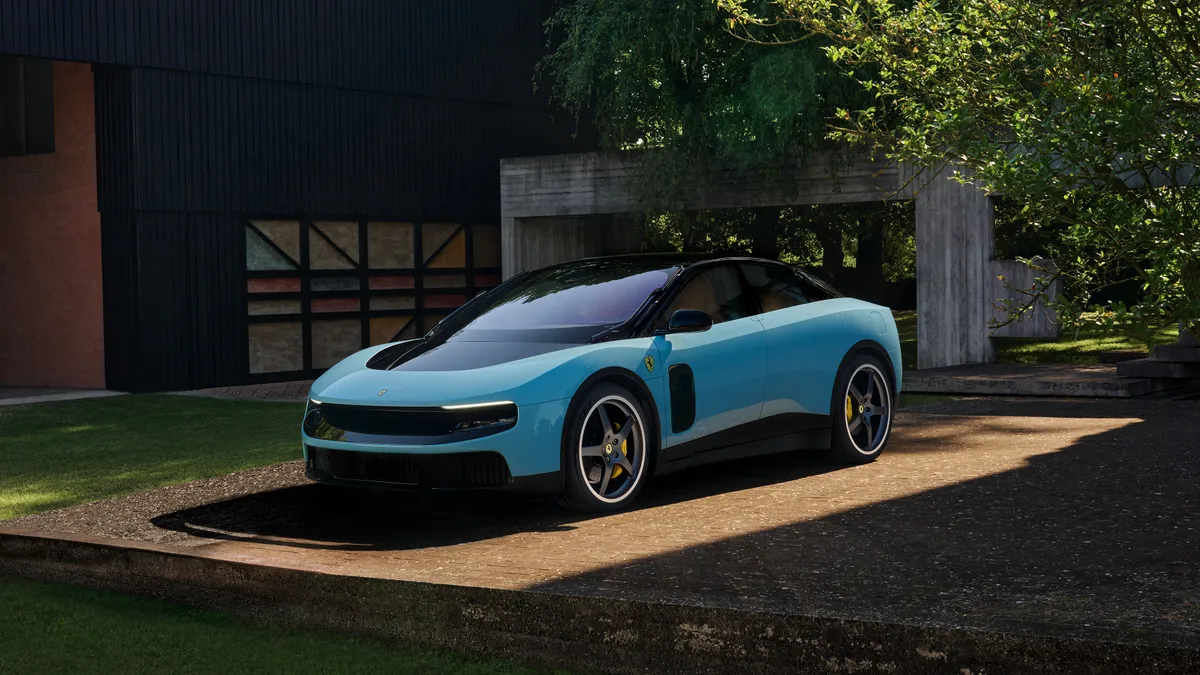
Dylan Stuart is Senior Partner, Brand Strategy and Global Automotive Industry Expert at the major corporate branding consultancy Lippincott. He sees the problem with the Luce being not so much the design of the vehicle but how it conceptually changes what Ferrari is about.
“Historically, Ferraris bypassed logic. They were irrational purchases justified afterwards. The Luce reverses that equation. It asks to be understood before it is desired. Admired before it is loved. That is a profound shift for a brand built almost entirely on emotional instinct.”
There's sense in this change from a business point of view. Markets reward rationality and predictability. The Luce is controlled, defensible. But the reaction to it is a lesson for all brands that change in a bid to please investors.
“Investors do not simply want Ferrari to become another luxury stock,” Dylan says. “They want Ferrari to remain culturally untouchable. Once the brand starts feeling too explainable, both enthusiasts and shareholders begin questioning what exactly makes Ferrari, Ferrari. But at Ferrari money, nobody buys with their head alone. The Luce feels engineered for the mind. Ferrari’s entire history was engineered for the heart.”
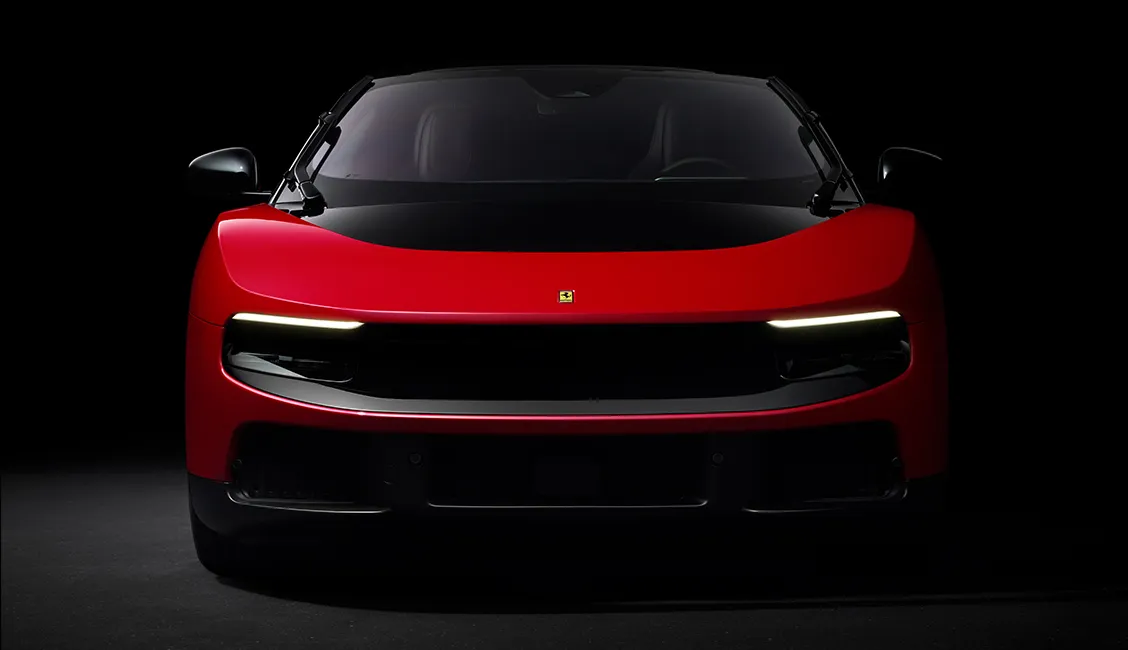
Despite the memes, the Ferrari isn't a bad car per se, Dylan says. But a Ferrari is more than just good design.
“Viewed objectively, the Luce is incredibly impressive. Under a different badge or at a much lower price point, it would likely reset expectations for EV interiors and premium automotive design overnight. The problem is that Ferrari does not operate in the rational part of culture. Nobody buys a Ferrari purely with their head.
“That tension defines the entire car. The Luce feels engineered for intelligence, clarity, and strategic maturity. Ferrari’s legacy was built on emotional overload and irrational desire. The markets typically reward brands in the short term that become more stable and predictable. Yet Ferrari’s early share-price reaction hinted at the opposite fear: that excessive rationalization could dilute the very emotional volatility that makes Ferrari economically unique in the first place.”
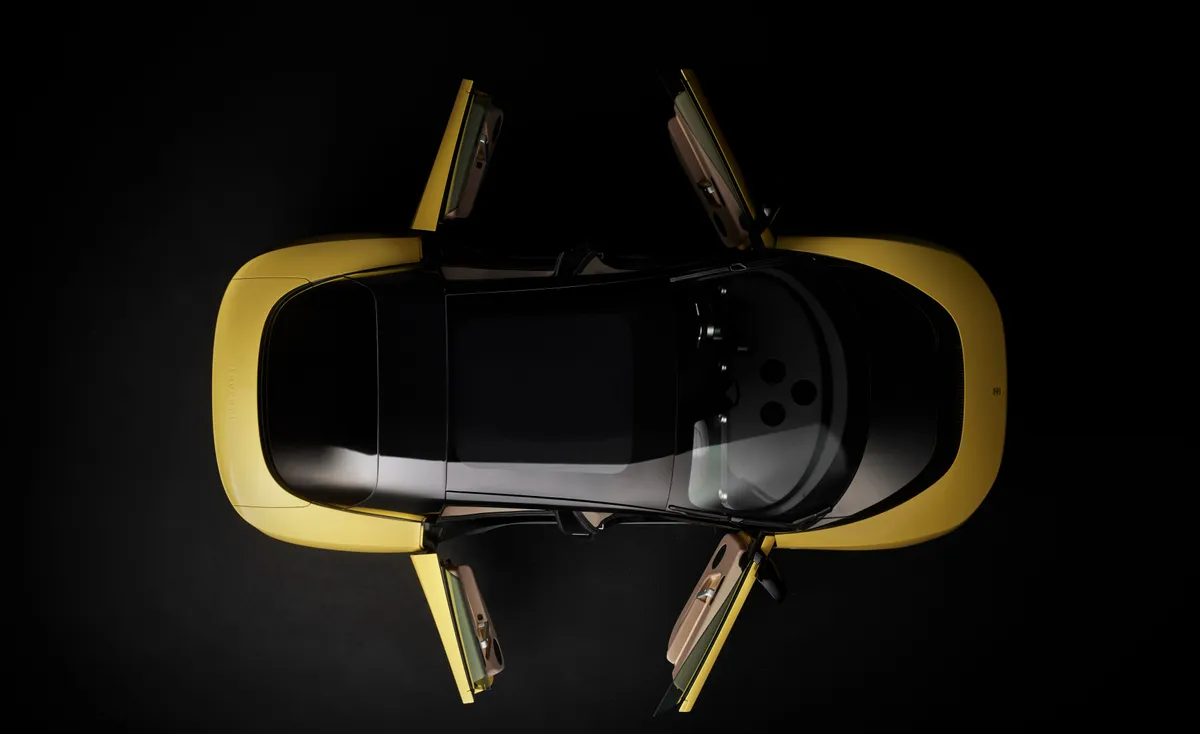
Daniel Binns, Global CEO at Elmwood, agrees that the launch of the Luce was missing a vital element.
“Anytime a company launches a new product that stretches the edges of its current brand DNA, it’s a risk. The problem for Ferrari is that its brand DNA runs really, really deep, and its legions of fans know it as well as the marketing department does. It's all about jaw-dropping design. Uncompromising performance. Race-bred driver set up. Acoustics from the gates of Hades. In two words, it's automotive drama.
“The Luce ticks some of these boxes, but that last word is what it is really missing. Drama. Yes, it has over 1000 horsepower and can get to 60 miles per hour in just over two seconds, but a $60k Hyundai Ioniq 5N gets there in 2.8. It's just too soft, and while I applaud the bravery of stepping outside the typical Maranello design tropes, and I'm sure the attention to detail is beyond reproach, given Jony Ive's incredible track record, he has designed a beautiful technology product and not a piece of automotive art. Something that every great Ferrari in the past has been.
“The Luce arrives at a peculiar moment. Porsche and Lamborghini are quietly retreating from their electric ambitions, reading a market where wealthy buyers are rediscovering the combustion engine not as nostalgia but as defiance. Ferrari, meanwhile, has sailed into that headwind with a five-seat, Jony Ive-designed technology showcase aimed squarely at Chinese EV buyers and a new generation of Silicon Valley-wealthy customers who may never have coveted a Ferrari in the first place.
“The irony is exquisite. At the very moment a V12 has become the ultimate luxury statement – raw, inefficient and utterly irreplaceable – Ferrari has chosen to whisper when its entire history demands a scream. Ferrari didn’t just lose its drama on the road. It looks like it lost it in the boardroom too.”
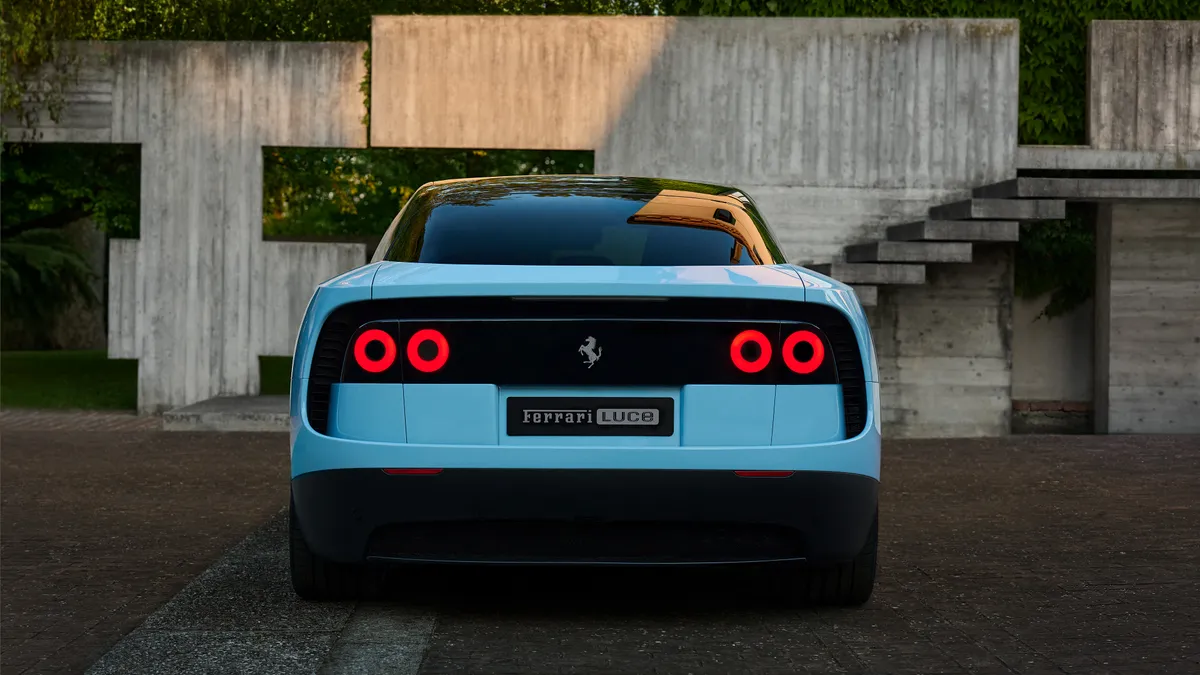
A lot of the criticism of the Luce's design has been directed at Jony Ive's LoveFrom, which Ferrari says was given free rein to lead the direction of the car. People have been wondering whether ideas were recycled from the abandoned Apple Car project.
But Gabor Schreier, Chief Creative Officer at Saffron Brand Consultants sees Ive as a good choice to oversee the aesthetics of Ferrari's first move into electric vehicles at a moment in which brands have no choice but to leave their comfort zones to avoid extinction and fight for survival.
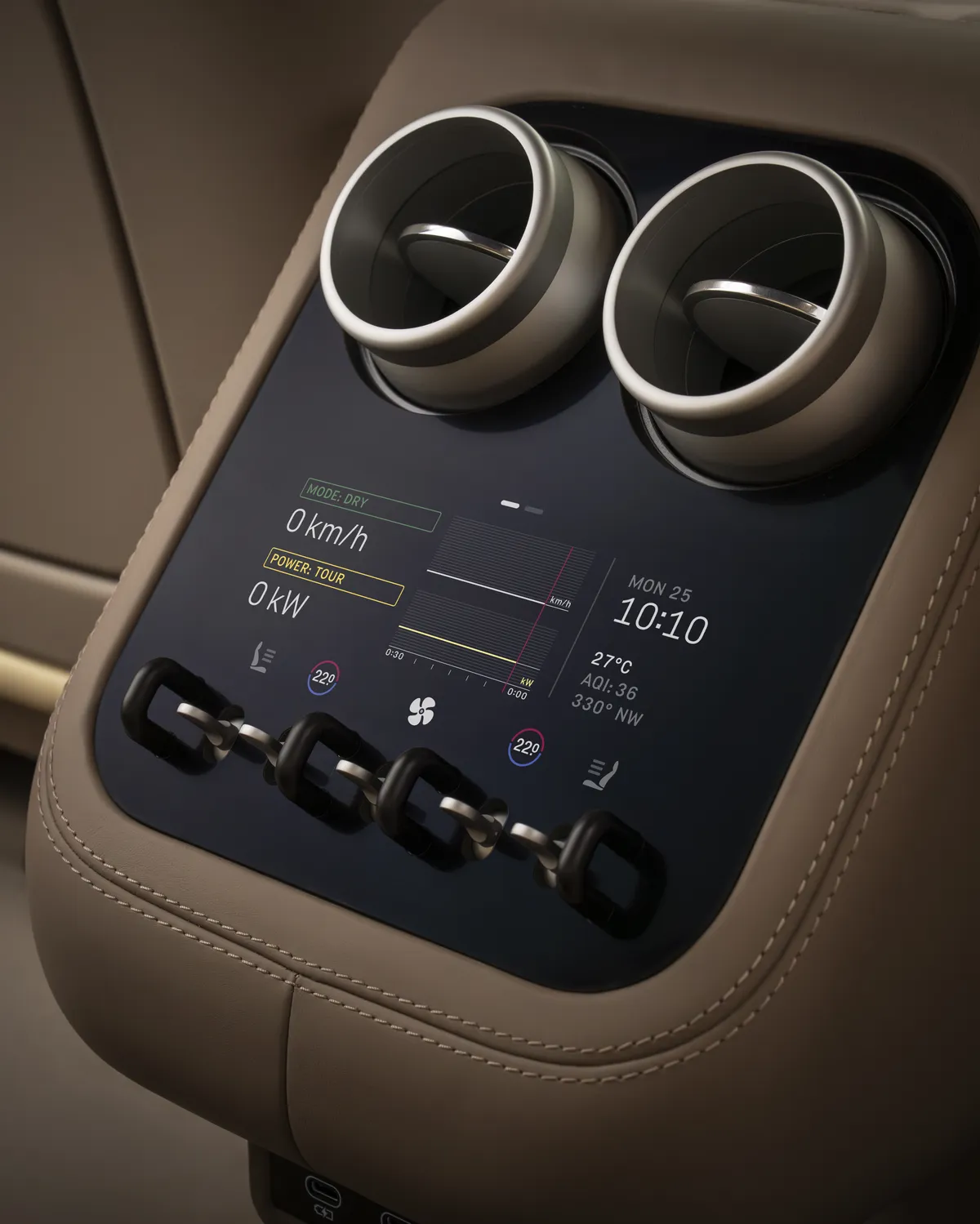
“His view of functionality and aesthetics shapes it: his style, and his interpretation of Ferrari’s design and brand DNA. What comes out is a beautiful digital device on wheels – like most of the new generation of electric cars. Nicely designed, with moments and interactions that remind Apple users of interfaces, and the constant design references to Braun’s simplicity.”
The backlash won't have surprised anyone at Ferrari, especially not after the controversy around Jaguar's rebrand. But how should it react? Gabor believes the most important thing is that the brand truly believes in the product.
“As expected, it creates a lot of polarisation. Ferrari will have known this. They are not stupid. Their bravery is admirable, and hopefully, they have done their homework to deal with the backlash. More than anything, to keep their loyal (and wealthy) customer base happy.
“It's good to try new things, good to question yourself and move forward. I just hope the executives at Ferrari shared all the concerns they might have had in the brainstorming sessions with Jony, and that they fully believe in the new car themselves. At the end of the day, don’t most of us love the products Jony has had his hands on?
“A brand is the promise of an experience delivered, so let’s hope the Luce really delivers what the badge on the hood promises. I would gladly take one for a spin.”
It seems that if Ferrari should take anything away from the initial controversy, it's that it needs to think carefully about how it presents itself and the Luce, and how it can rekindle the emotion and drama that feel absent . There was something cold about the launch. Ferrari talked about performance in numbers, but for Vicky Bullen, CEO at Coley Porter Bell, it needs to stop explaining.
“Ferrari’s move into electric cars is inevitable, but the brand cannot afford confusion about what that means. Right now, the Luce risks feeling less like a Ferrari and more like an attempt to appeal to a completely different audience. Ferrari’s appeal has always come from performance, desirability and a strong sense of identity.
“The challenge is not to move away from those qualities – the essence of Ferrari and the brand, but to carry them into the electric era. The Luce should be presented not as a break from Ferrari’s heritage, but as an electric Ferrari in its purest form — powerful, exciting and unmistakably Ferrari in both design and driving experience.
“To date, Ferrari’s response has relied too heavily on explanation. What matters now is confidence in the product itself. Strong demand for the car will do far more to reassure investors than any repositioning message.”