






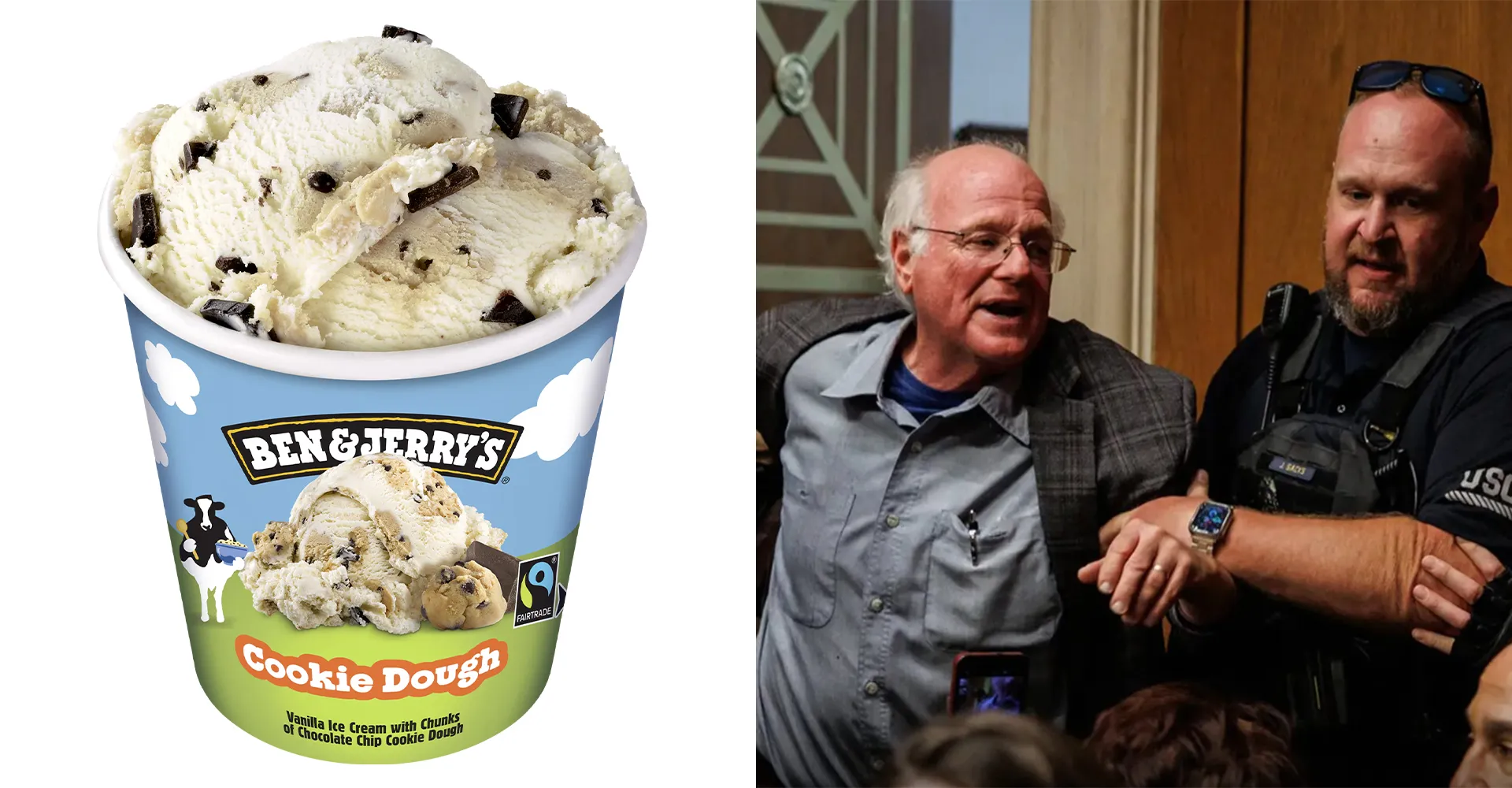
If any brand has become synonymous with activism over the years, it's Ben & Jerry's. From renaming its Chubby Hubby flavour Hubby Hubby to celebrate marriage equality, to campaigning to close a prison in St Louis and using its marketing to challenge racial injustice, the ice cream brand has always found creative ways to turn its values into action.
And the brand's founders, Ben Cohen and Jerry Greenfield, have also participated directly in protests. In April 2016, both were arrested at the US Capitol during the Democracy Awakening demonstrations against the influence of money in politics and restrictions on voting rights. More recently, Cohen was arrested in May 2025 during a US Senate protest over military aid to Israel and the humanitarian crisis in Gaza.

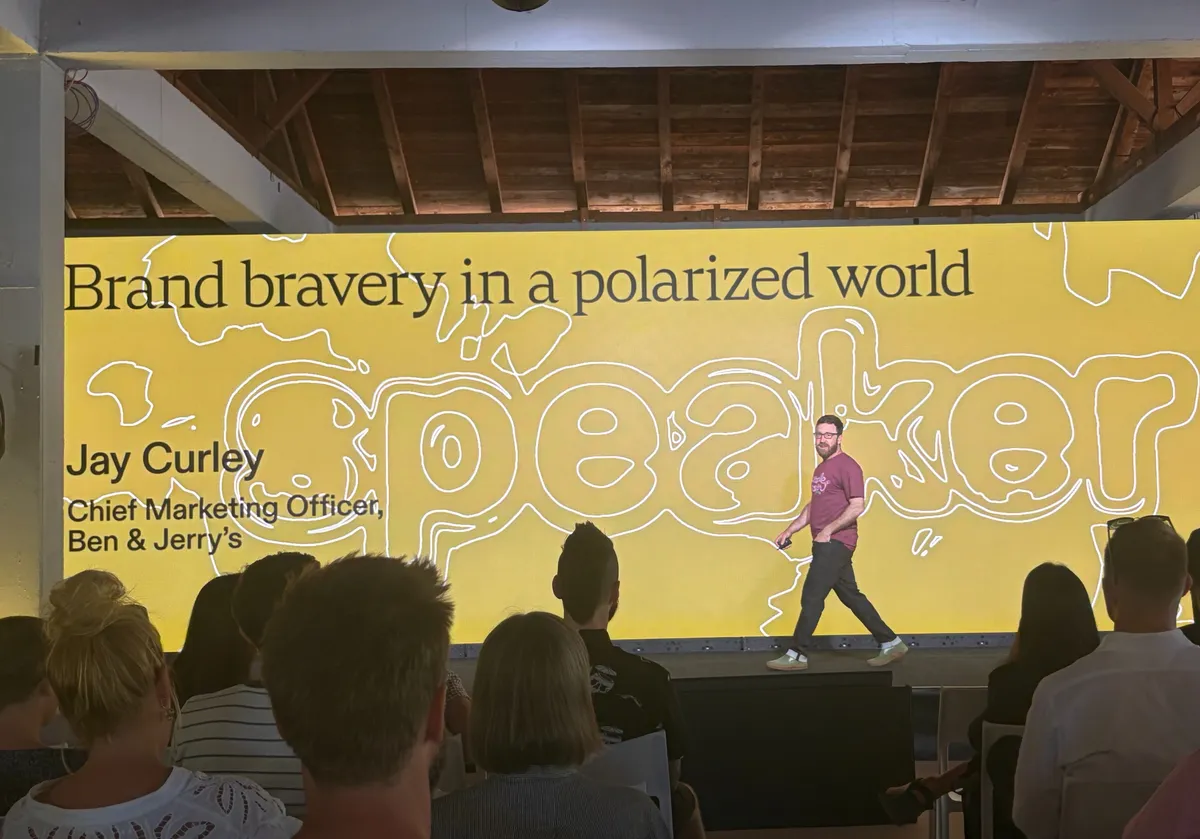
At this year's Paradigms conference in Croatia, in a talk exploring the power of brands to drive social change, chief marketing officer Jay Curley argued that businesses should do more than pay lip service to good causes. For the Vermont ice cream maker, activism is baked into the business, alongside the Cookie Dough.
But what happens when a brand gets it wrong, faces a backlash or risks alienating customers? And how do you choose which causes deserve your voice? We caught up with Curley to discuss why brands should stop sitting on the fence, why perfection shouldn’t stand in the way of progress, and how a little creativity can help change the world.
Why do you think so many brands are afraid to stand up for causes in the way that Ben & Jerry’s does?
I think traditional businesses are risk-averse. They have a traditional belief that it’s better to stay neutral and avoid polarising issues. For some businesses, that might be the right approach. But I feel that brands that stand for something, and have communities they value and connect with, have to show up. Ultimately, I think it’s a general aversion to risk that keeps businesses out of these issues.
Are there any other brands you think are going some of the way towards doing what Ben & Jerry’s does?
Patagonia does a fantastic job. They’re a big inspiration for us. Lush Cosmetics is another company we’ve always considered a kindred spirit. There are also some less mainstream brands, such as Penzeys Spices in the US. They sell herbs, spices and other ingredients, and they’ve been unapologetically bold in standing up for what matters. I’d argue that this has also helped more people notice them.
How do you deal with internal disagreements over the causes you choose to stand up for?
Most people who work at Ben & Jerry’s are here specifically because of our values. But there’s no values test, and anyone is welcome to work here, so there are certainly times when people disagree. I think that’s okay.
What we try to do is educate and engage people internally on the issues, so they understand what we’re doing and why. If they still disagree, that’s fine.
How do you decide which causes to stand up for?
It starts with our values, and then we look at where we can have an impact. Where could our presence and energy meaningfully contribute to action?
It’s about looking at our values, identifying emerging social movements that could benefit from what we have to offer, and considering what’s pressing in the world that relates to those values and requires our involvement.
We bring those factors together to decide where to focus. We can’t be everywhere at once, so we try to build campaigns where we believe we can make a meaningful difference.
You mentioned in your talk that you don’t always get it right. What does that look like in practice?
In a way, even when we don’t get everything right, I usually feel that we did the right thing. It also takes a lot of courage to be imperfect. If we waited until Ben & Jerry’s was perfect in every aspect of racial justice as an organisation, we would never use our voice, because we’re never going to be perfect.
I look back at our Black Lives Matter statement from 2016, and there are things we could ideally have tweaked or expressed better. That said, I think it was really important that we spoke out when we did, rather than waiting until everything was perfect.
Whenever you stand up for something, there’s a risk that some of your customers will feel alienated or put off. How do you feel about that?
I’m grateful that we live in a free country where people can choose what they want to buy.
There are plenty of people who may not be deeply aligned with us on a values level but love Cookie Dough, so they buy it. I think that’s fine. Equally, some people decide not to buy our products, and that’s their choice.
My hope is that those people understand what we’re doing and why. If they decide Ben & Jerry’s isn’t for them, that’s fine with us.