




There’s a unique kind of silence found in a testing lab (what I call my little makeshift office at home). It’s not the peaceful kind of silence, but rather an anticipatory one, as if the room itself is waiting to see what you’re about to break, praise, or accidentally drop (and whether any of them are worthy of inclusion among the best camera phones around). That was the atmosphere I stepped into when three new Xiaomi and Redmi camera phones arrived on my desk, each one promising to be the next big thing in mobile photography.
I’ve tested many phones over the years, but there’s something special about unboxing a trio from the same family. It feels like meeting siblings. They share a common look, vibe, and design DNA, yet each one is eager to prove it’s the most talented, the most clever, the one you’ll remember, the one you'll want to keep.
The first thing that strikes you is their beauty. Xiaomi and Redmi have been steadily improving their design, and these handsets mark a bold statement of that progress. With smooth finishes, confident colours, and camera modules that display a keen sense of symmetry, they entice you to start taking photos even before switching them on.
But the real excitement begins when you do power them up.
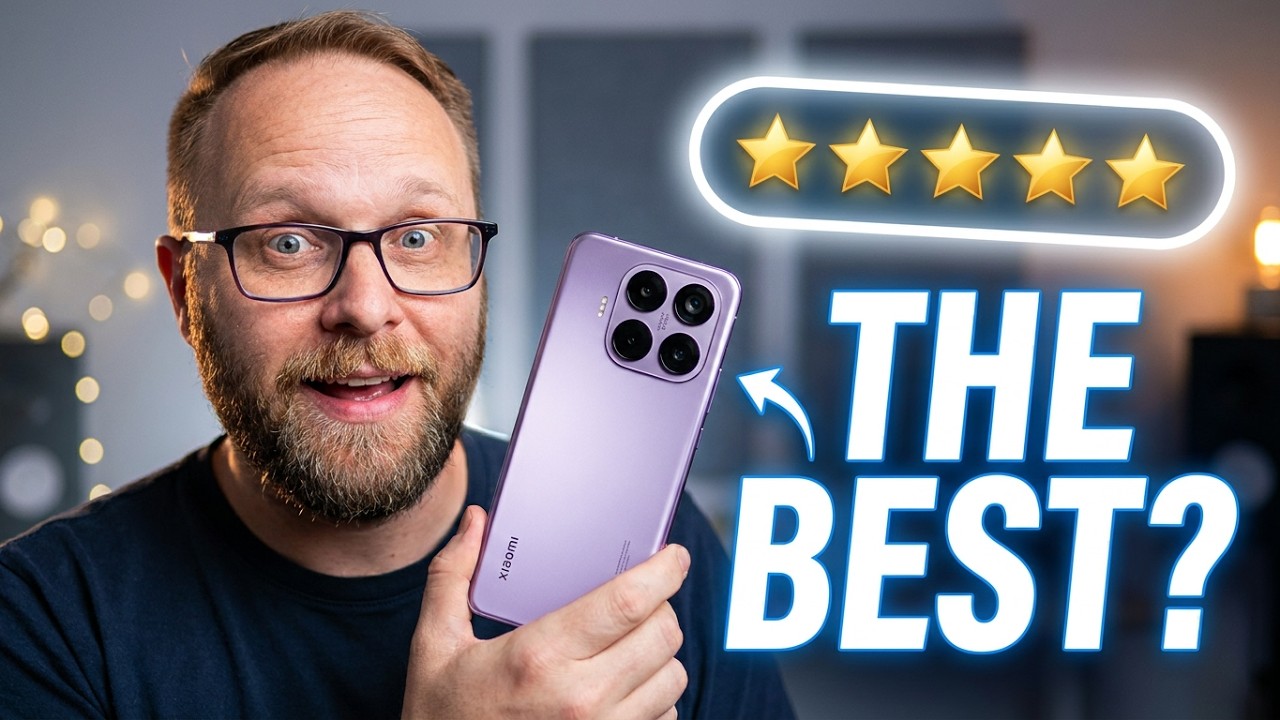
There’s a moment when you activate a new camera system and immediately sense whether it will be a delight or just a diplomatic exercise. These phones? They lean toward delight. With vibrant colours and a confident AI processing that sometimes makes photos look better than real life, they deliver a punchy experience. It’s not subtle, especially in the case of the Redmis, but subtlety is overrated when you’re taking pictures of your lunch, your cat, or a sunset you’re convinced is the best anyone has ever seen.
What surprised me the most, however, was how different the three devices felt in my hand. Same brand, same generation, same overarching theme, but each has its own distinct personality. One is a lightweight overachiever. Another is the type that impresses you with its camera bump alone. And the third is the dependable middle child, quietly excelling without drawing attention to itself.
Testing them side by side in the lab reminds me why I love this job. It’s not merely about specs, benchmarks, or the inevitable "how does it compare to the iPhone?" question. It’s about the tactile, human experience of technology. How does a phone feel when you pick it up, snap a photo, and realise you really need a microfibre cloth to keep that shiny casing clean?
By the time I finished my session, the lab was no longer silent. It was filled with fingerprints, test shots, half-formed opinions, and that familiar sense of “I need to spend more time with these.” Unlike generic, nondescript phones from certain brands, these models all reward curiosity.
And I’m here for it.
Xiaomi 17T: the confident (near)flagship that knows what it's doing
The Xiaomi 17T is the kid who shows up to school already knowing the answers. You can feel it the moment you pick it up: the build is tight, the design is premium without being shouty, and the Leica camera system has that unmistakable “don’t worry, I’ve got this” swagger. It is an iterative update of the magnificent Xiaomi 17, after all...
Shooting with it feels effortless. Colours are bold without tipping into cartoonish, detail is crisp, and the processing walks that fine line between flattering and over‑eager. It’s the phone that makes me look like a better photographer than I am, and it knows it.
There’s a confidence to the Xiaomi 17T that the other two simply can’t match. Not arrogance, just the calm assurance of a device that’s been engineered to impress and is fully aware it’s the star of the lineup. Or at least the star's second cousin with a backstage pass.
Redmi Note 15 Pro+: the stylish (and dramatic) overachiever
If the Xiaomi 17T is the straight‑A student, the Redmi Note 15 Pro+ is the theatre kid who turns up in a great outfit and steals the scene anyway.
This thing is pretty. Genuinely eye‑catching. The curved display, the finish, the whole vibe; it’s the kind of phone you want to show people before you’ve even unlocked it. And once you start shooting, it becomes clear that Redmi has poured a surprising amount of ambition into this device.
The camera performance is punchy, energetic, and yes, occasionally a little overdramatic. Colours pop. Shadows lift. Highlights glow. It’s not subtle, but subtlety isn’t the point here. This is a phone that wants you to have fun with it, and in all honesty, I did.
It’s the one that made me smile the most during testing. Not because it’s perfect, but because it's ambitious, stylish and full of personality.
Redmi Note 15 Pro: the quiet middle child with a lot to prove
Then there’s the Redmi Note 15 Pro, the most reserved of the trio. It doesn’t have the Xiaomi 17T’s polish or the Pro+’s flair, and you can feel that immediately. It’s lighter, simpler, more straightforward; it's a phone that’s here to do the job without making a fuss.
But here’s the thing: it’s good. Solid. Dependable. The camera performance is consistent, the colours are pleasing, and the whole experience feels like a device that knows its lane and sticks to it. In fact, the performance, in pure benchmark numbers, is almost identical to the Pro+, even though it's running on a completely different chipset.
It’s not the one you brag about owning, but it’s absolutely the one you’d recommend to someone who wants a reliable camera phone without spending flagship money. Plus, the photos you get from this one will be just as fun as the ones from the Pro+, because it has the exact same camera system.
The verdict: three worthy phones, but one clear standout
After an afternoon of shooting, swapping, zooming, pixel‑peeping and occasionally muttering “oh that’s nice” under my breath, the hierarchy became obvious:
Xiaomi 17T is the best overall camera phone here, no contest, thanks to the full-beans Leica system on board.
Redmi Note 15 Pro+ is the most fun and the most stylish, with genuinely impressive results for the price.
Redmi Note 15 Pro is the dependable, good‑value option that quietly gets the job done, and much better than the price tag leads you to believe it should.
What struck me most wasn’t the differences in image quality, though they’re definitely there, but the differences in personality. Xiaomi and Redmi aren’t just making phones; they’re making characters. And spending time with all three in the lab felt less like a technical comparison and more like getting to know three very different people.
One’s the star. One’s the show‑off. One’s the steady hand.
And depending on your personality, there’s room for all three.