



Nvidia's DLSS 5 hasn't yet been released, but last week a leaked unfinished iteration of the new neural rendering technology surfaced online via an early-access PC build of NBA 2K27. Modders quickly got to work testing it in games like Control, Cyberpunk 2077 and Final Fantasy VII Rebirth, and most weren't exactly impressed by what they saw.
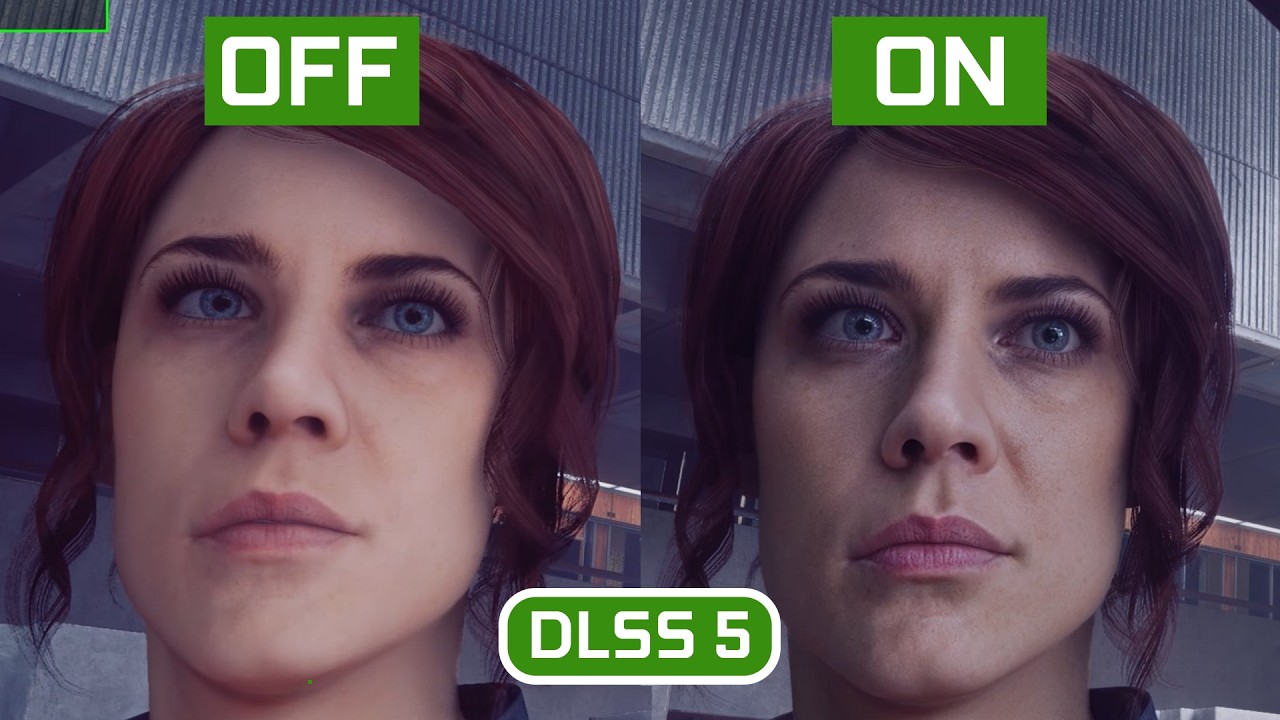
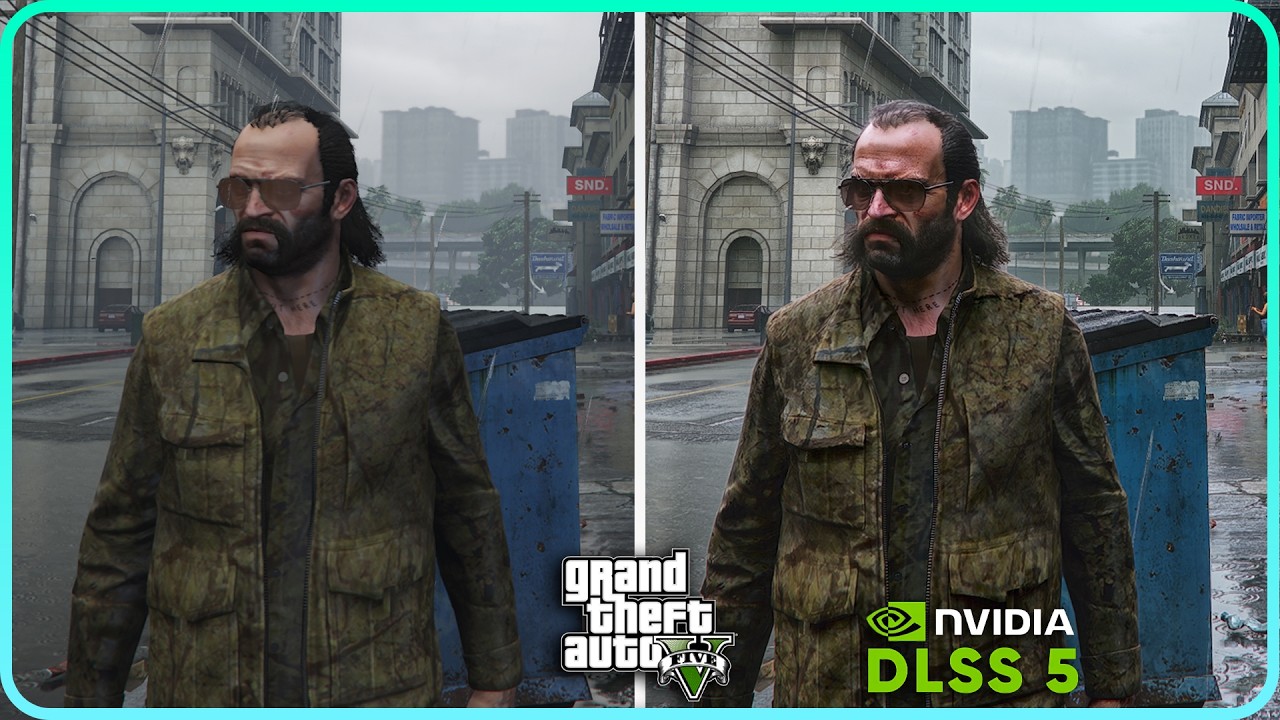
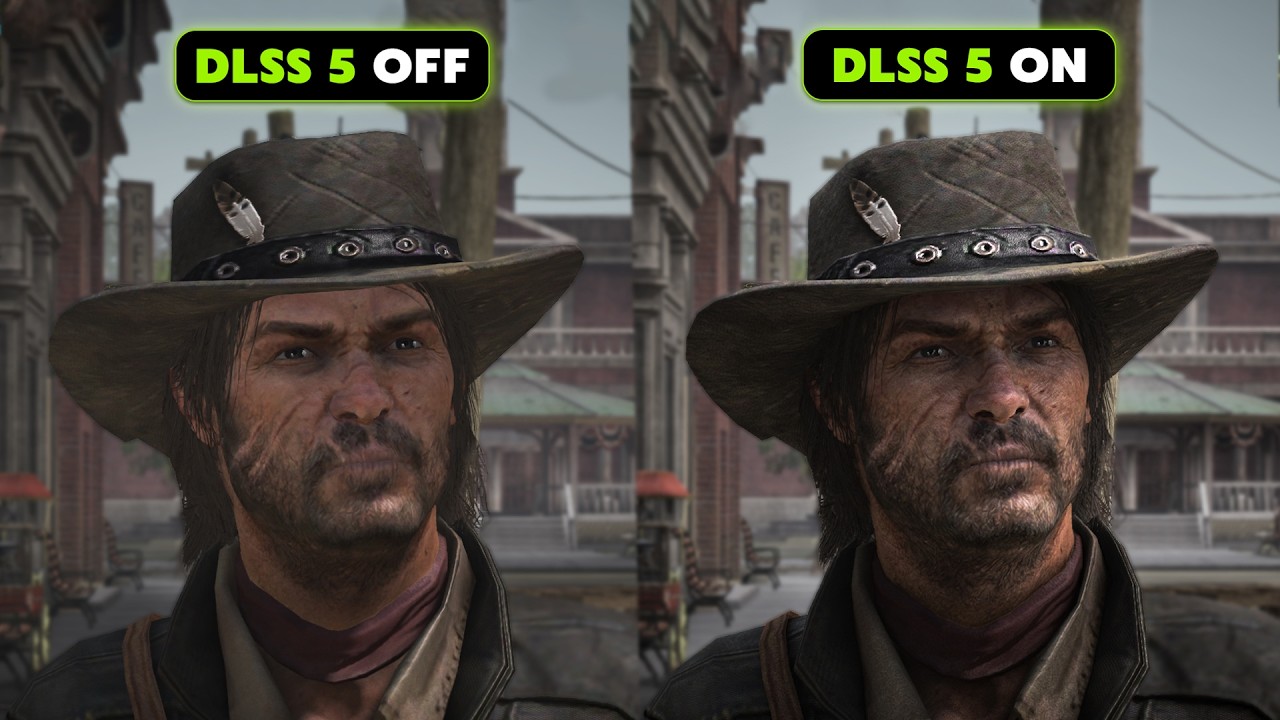
Young characters suddenly looked aged and haggard because of extra detail and texture. Cloud from Final Fantasy VII becomes Scarlett Johansson in a Mötley Crüe wig. And the cost for such dubious graphical enhancements is a massive performance drop with tests throwing up frame rate reductions of up to 40–50%.
It's "objectively horrendous", one gamer argues. But some think there are cases where the tech could offer a genuine upgrade.
I saw a lot of people saying the DLSS 5 Cloud image is fakeIt's not fake I went to the same area and got similar screenshots. It even gave Cloud lipstick pic.twitter.com/XRojD5nBS2August 31, 2026
The Last of Us Part 2 comparisonBefore & After DLSS 5 pic.twitter.com/wT85CRNcW2August 28, 2026
DLSS 5の導入に成功したぞぉ🥳🎉RTX4000番台でも使えるようにしてくれた方々に感謝します!めちゃくちゃ変わるね!元はそこまで崩さず、よりリアルになった感じ?#DLSS5 pic.twitter.com/XCKlHUB4AlAugust 30, 2026
Saw a video of someone using DLSS5 in KH3 and this shit actually upsets me 😭 at times the settings they use don't make the game lose *all* its style but no matter what it completely drains it of color and just looks worse than the actual game. I hate this stuff so much pic.twitter.com/H0FIQVYIHMAugust 30, 2026
Silent Hill 2 with DLSS 5 VS original graphics.(Save screen, Angela's intro cutscene, first monster appearance)Clips by @ TestThisGame on YouTube!#silenthill #silenthill2 pic.twitter.com/x6lMZwpdP5August 29, 2026
DLSS 5 is running in older games now, so naturally I had to see just how badly it could butcher my beloved Dark Souls III. 💀 pic.twitter.com/iJ5CleKhaLAugust 30, 2026
NVIDIA gotta cancel DLSS 5 while they still can bro just tried it with Halo and what is this shit 😭Actual nightmare fuel like we don't need this pic.twitter.com/W9UD2HtNNhAugust 30, 2026
Me ha salido esta prueba de DLSS5 en TLOU. Ya no es solo que todo se vea igual y la iluminación no cuadre, es que te pilla a una niña de 12 años y la hace ver como si llevara 15 años cotizados. pic.twitter.com/eQ5v7udeklAugust 30, 2026
Nvidia's DLSS 5 AI controversy
Nvidia said back in March that its next-generation DLSS would bring "photorealism" to gaming through the use of a new generative AI model designed to enhance frames and add detail to lighting, textures and materials in real time. But the GPU maker's own early demo immediately sparked controversy by giving Grace from Capcom’s Resident Evil Requiem a glamour makeover.
Now leaked through the nvngx_dlssnr.dll library via NBA 2K27, modders have been testing DLSS 5 for themselves and sharing the videos and screenshots on social media. Faces are the main area of contention, with some modders complaining that Nvidia's new tech makes characters look uncanny and AI-generated or makes them look older than they're supposed to be by sharpening skin texture.
One ResetEra user called it "one of the most unsettling things I've ever laid my eyes on in gaming".
But, characters aside, other modders have found a lot to like in DLSS 5, particularly in the realism of environments, reflections and foliage in games like Ubisoft's Avatar.
Call DLSS 5 slop all you want, but for environments, this shit is cool as hell. Makes for a great screenshot tool. pic.twitter.com/Wm66sTcECkAugust 29, 2026
Unbelievable… this is Avatar with DLSS 5.People really said it only works on faces.Meanwhile it’s upgrading every frame! Lighting, foliage, materials, reflections, and the entire scene.It can even make a Ubisoft game look good 💀 pic.twitter.com/RxEYTH68POAugust 28, 2026
DLSS 5 is the biggest leap in gaming tech we have had in years pic.twitter.com/vp97cPSAYRAugust 29, 2026
But the biggest debate is that around artist intent. One of the biggest criticisms of DLSS 5 has been the argument that Nvidia's tech is intervening between the artist and the player, changing what the artist intended.
But some developers disagree with that view. Writing on X, Daniel Vávra of Warhorse Studios, developer of Kingdom Come: Deliverance II, argues that the tech doesn't alter the geometry of the models or the appearance of characters, and that, moreover, it can actually take a game closer to artists' visions by helping to overcome issues caused by the game engine's limited lighting system.
"It makes ambient occlusion look like it’s on steroids," Daniel wrties. "You have no idea how terribly—and I mean really, really—annoyed I was that in KCD2 we couldn’t render shadows from hats, hoods, and helmets on characters’ heads, or even shadows from small details on character models (buckles, laces, pouches). DLSS5 does this, and it does it absolutely brilliantly!. On top of that, it improves the rendering of shadows in hair, so they finally have the right density and darkness."
After all the controversy about NVIDIA’s DLSS 5 being a terrible AI slop, I played around a bit with the leaked DLSS5 version in KCD2. First off—what was leaked isn’t even remotely what NVIDIA originally presented. It doesn’t alter the geometry of the models or the appearance of… pic.twitter.com/agrmq5heDCAugust 30, 2026
Some people have literally gone crazy.On the left is a head messed up by the game engine’s very limited lighting system, which can’t properly render shadows, skin texture, and the detail of normal maps. On the right is THE SAME MODEL WITHOUT ANY GEOMETRY CHANGES, which looks… pic.twitter.com/8ZxVpYCRghAugust 30, 2026
Unreal Engine expert Unreal Sensair agrees after testing DLSS 5 on an animation made in Epic Games' engine.
"There is zero generative AI. This is the exact use of AI that people have wanted, as a tool where artists maintain full art direction," he writes. "Neural rendering makes creating amazing art with real 3D models easier and more accessible. All 3D artists should be excited".
Here is DLSS5 working on an animation I made in Unreal. It uses the existing geometry, animation, textures and lighting to render. It doesn't make stuff up out of thin air. There is zero generative AI. This is the exact use of AI that people have wanted. As a tool where artists… https://t.co/AeVU9tXALf pic.twitter.com/ccrBMVD9JcAugust 31, 2026
We also have to remember that this is an unfinished technology being tested in games that weren't built around it. Nvidia hasn't said when DLSS 5 will be officially released. It's also assumed that support will be limited to the current RTX 50 series of GPUs (see our guide to the best graphics cards).