



The Super Mario Galaxy Movie reached cinemas last week, offering a love letter to an enduring game franchise that has spanned four decades. But while Mario celebrated its fortieth anniversary last year some still wonder why one game felt so different from the others.
In 1989, Super Mario Land was one of four launch titles for the Game Boy. The game felt different from the preceding trilogy of games (only two of which had been released outside of Japan at that point), and not only because of the handheld console's green-tinted monochrome palette and lower resolution.
The mechanics also felt different. Mario's jumps were higher and shorter, giving him a 'floaty' feel – and yet he plunged downwards when slipping off ledges. One fan recently posted on YouTube with an insight into why it was this landmark in handheld gaming felt "weird".
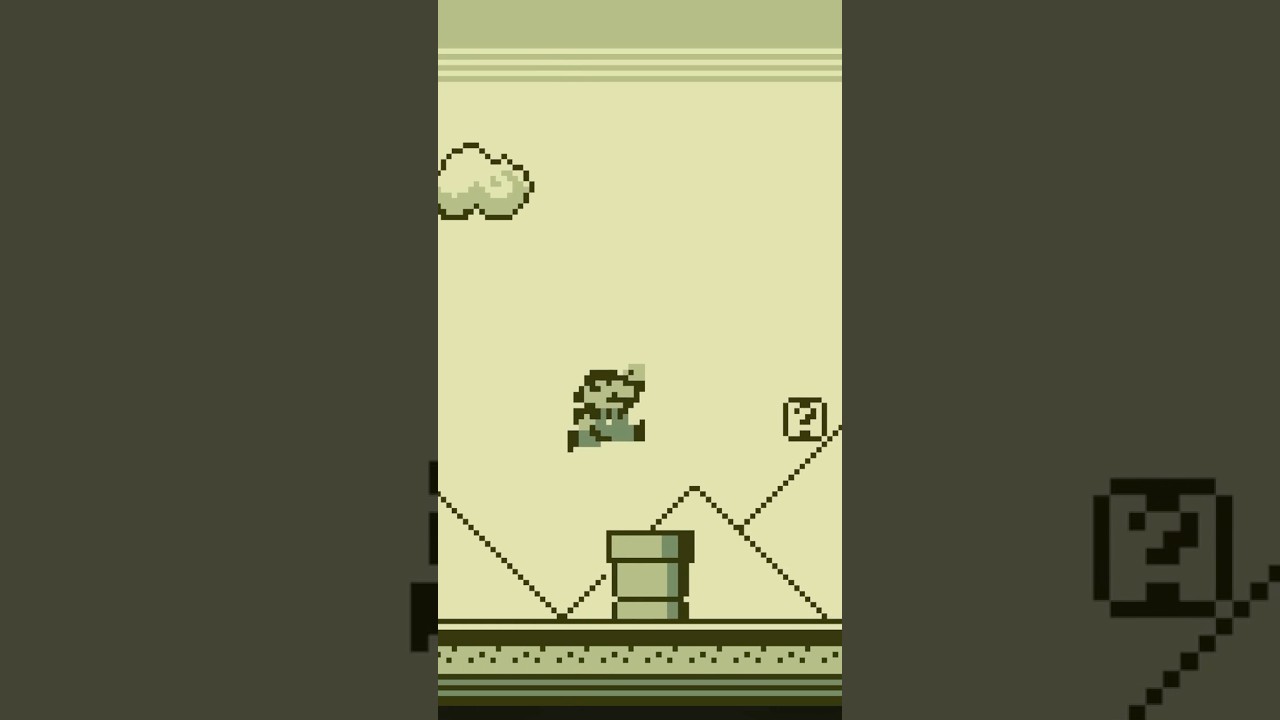
Gruz, known for his retro game documentaries on YouTube, notes that Super Mario Land was made by a different team at Nintendo, not the same developers that made the first three console games. Known as R&D1, they were the same team that made the Game Boy's hardware, while R&D2 worked on the main console and games.
This team built Mario from scratch within the severe technical limitations of the new handheld hardware, which included the Sharp LR35902 system on a chip and just 8KB of RAM.
The game was short, and the atmosphere was different, with mythological influences in the sphinx and jiangshi-like enemies, but, as Gruz, notes, it also totally worked. Despite later Mario games becoming much more elaborate, a lot of people still rate Super Mario Land as their favourite. It also gave us Princess Daisy, who would go on to become a character in the main Mario games.
If you're in need of a retro gaming fix, see our picks of the best retro games consoles and the best retro gaming handhelds.