Back in October, OpenAI's Sora 2 AI video generator and fake social media app were being described as "the end of Hollywood". They went viral due to their ability to put people into realistic-looking short videos using just reference imagery and simple text prompts.
Five months later, they're closing down – apparently because one of the world's biggest AI companies just realised that generating AI video takes a lot of computing power and isn't very profitable.
The shutdown includes the API that was available to developers. That means Sora 2 will disappear as a partner model in platforms like Adobe's Firefly, and it also means the cancellation of a $1bn deal to bring user-prompted AI-generated content to Disney+. So what happened?
Sora's existence was haphazard from the start. Initially, the app had few controls. That ensured virality as people began using it to create 'cameos' of themselves with copyrighted characters along with things like Nazi SpongeBob SquarePants, ads for 'Epstein Island' children’s toys and racist videos of Martin Luther King.
The Motion Picture Association complained of copyright infringement. OpenAI CEO Sam Altman played dumb, claiming to be surprised that people "don’t want their cameo to say offensive things or things that they find deeply problematic”, but the company switched to an opt-in policy for protected IPs.
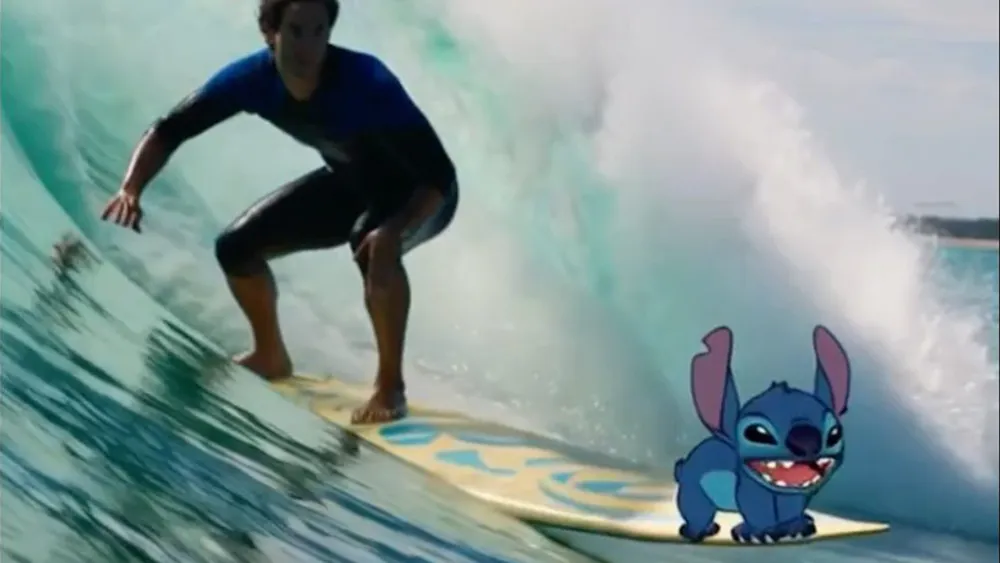
Just two months later, it turned out that Disney didn't have a problem with people making AI slop using its characters as long as it could stream said slop on Disney+. It agreed to invest $1bn in OpenAI and to allow the company to use over 200 of its characters in Sora.

For some, the end of Sora is a sign that the AI bubble is, if not popping, at least drifting down to Earth. That might not be the case.
“As we focus and compute demand grows, the Sora research team continues to focus on world simulation research to advance robotics that will help people solve real-world, physical tasks,” an OpenAI spokesperson said in a statement reported by CNN.
Some are suggesting that OpenAI saw Sora as a mere experiment. That seems unlikely when it committed to such a high-profile deal with Disney just three months ago. There appears to have been pressure from investors and leadership to streamline the company's focus, reduce reputational risks and get things in shape for an IPO.
For a company seeking to create the Artificial General Intelligence (AGI), Sora was a frivolous liability. That became more apparent when the reputations of AI companies came under under the microscope amid recent controversies at the Pentagon over the use of AI in the military.
OpenAI’s chief financial officer, Sarah Friar, told CNBC that the company needed to be “ready to be a public company.” That means focusing on more serious endeavours, like as combining ChatGPT and the AI coding agent Codex to create a consumer-focused unified AI super assistant.
What does it mean for the future of AI video? Sora was one of the simplest and advanced generators for everyday users. Its demise removes a major source of AI-generated content on social media. A lot of creators say they built audiences around Sora-generated clips. They now face uncertainty about preserving their material and what tools to use instead.
Sadly for those tired of AI slop, the 'genre' isn't likely to go anywhere, though. There are competitors like Runway, Pika Labs, Kuaishou (Kling AI) and Stability AI that may benefit from Sora’s exit.
That said, OpenAI's decision highlights the fact that it's difficult to make consumer-focused AI video generation profitable. The future might be less in memes and more in in-house enterprise solutions for studios.
As for Disney, it's been a difficult first week for new CEO Josh D’Amaro. Fortnite developer Epic Games, in which it invested $1.5m in as part of a plan to add game-like features to Disney+, communicated that it was making 1,000 layoffs just days after announcing the launch of Star Wars Fortnite Islands. Meanwhile, people are ridiculing the new Moana trailer.
Disney said in a statement that it will “continue to engage with AI platforms to find new ways to meet fans where they are while responsibly embracing new technologies that respect IP and the rights of creators.”
Again, that could mean working with a company like Runway, which was creating an in-house AI model for Lionsgate, or even Google, to whom Disney reportedly sent a cease and desist letter following its deal with OpenAI.