


We're used to artists taking a stance against generative AI, but some have embraced the new technology to the point of becoming almost evangelists for it. Unsurprisingly that can cause some controversy among peers.
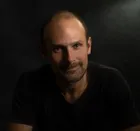
The US animator and cartoonist Doug TenNapel is the creator of Earthworm Jim, a character who made his first appearance on the Genesis back in 1994 (see our pick of the best retro gaming consoles if you want a nostalgia fix).
The first game's design is said to have begun with a simple sketch of an earthworm that Doug presented to developer Shiny Entertainment. But it seems that today, the artist could be as likely to present an AI-generated image for inspiration.
I used your Earthworm Jim image and made a fun animation in about 15 seconds for free. This would cost $500k if I did it the traditional way. I wouldn't even spend that money on it because it wouldn't be profitable so Ai encourages art to not be strictly tied to commerce.… https://t.co/kejW4HRDY6 pic.twitter.com/lQrPgIjW4xJanuary 23, 2026
Doug, who also created the animated television series Catscratch (2005–2007), which aired on Nickelodeon, is no stranger to controversy. Whether it's his vocal support for Donald Trump or his claims that Earthworm Jim is "objectively a better character than Sonic", he has a tendency to stir things up on X. He was also involved in Comicsgate.
He's now added another source of polemic with his take on generative AI. Sharing an AI-generated video of Earthworm Jim based on an AI-generated image from another use, Doug suggests that a benefit of AI-generated art is that it doesn't have to profitable.
“I used your Earthworm Jim image and made a fun animation in about 15 seconds for free. This would cost $500k if I did it the traditional way. I wouldn't even spend that money on it because it wouldn't be profitable, so AI encourages art to not be strictly tied to commerce,” he writes.
Inundated with criticism, Doug elucidated on his stance in several more lengthy posts in which he suggests that using generative AI is no less ethical than many other approaches to art.
“I created Earthworm Jim and all of the supporting characters in 1993 in 45 minutes. That AI pounds out lots of animated concept art is a power that works well for quick, low-cost entertainment,” Doug says. “It's an asset. Not the end all be all of art, but a very useful tool that anyone can use. As an artist, that makes me glad.”
In another post, he criticised those who see generative AI as theft, claiming that many have embraced other forms of artistic appropriation.
“Mass-media arts has been built on theft for over 100 years and artists celebrated it,” he writes. “They thought the IP piracy of Napster and Marcel DuChamp putting a mustache on a Mona Lisa print that went to auction and sold for thousands of dollars was GREAT ART.”
The debate around AI art is complex, as we're well aware at Creative Bloq. Some readers have suggested that we need to take a position either for or against the use of generative AI. That's something we've avoided for several reasons. We criticise it when it's used badly (cough, Coca-Cola and McDonalds), and we try to raise the ethical concerns that need to be addressed, including the rights of artists whose work is used to train AI models without licence.
At the same time, we can't deny that generative AI here and that, for better or worse, many creatives are using it as a tool in their workflows. We think that's something other artists need to know about and need to take their own stance on.
Let us know what you think in the comments below. Does Dough have a point?