Steam is vital for most indie game developers. It commands around 75% of the digital distribution of PC games and offers unmatched global reach, built-in marketing tools, and a strong community ecosystem.
This can help small studios and solo developers gain visibility, distribute updates easily and generate revenue from their games. But some find that reliance on the platform has its downsides. While the debate continues over the merits of the Steam redesign, another controversy is brewing.
One solo dev has been in the news after racking up $1.3 million in sales but making only $2,000. And although he created the game as a joke, some argue that it raises a serious issue that could harm small indie games (also see the Steam game marketing cheat sheet).
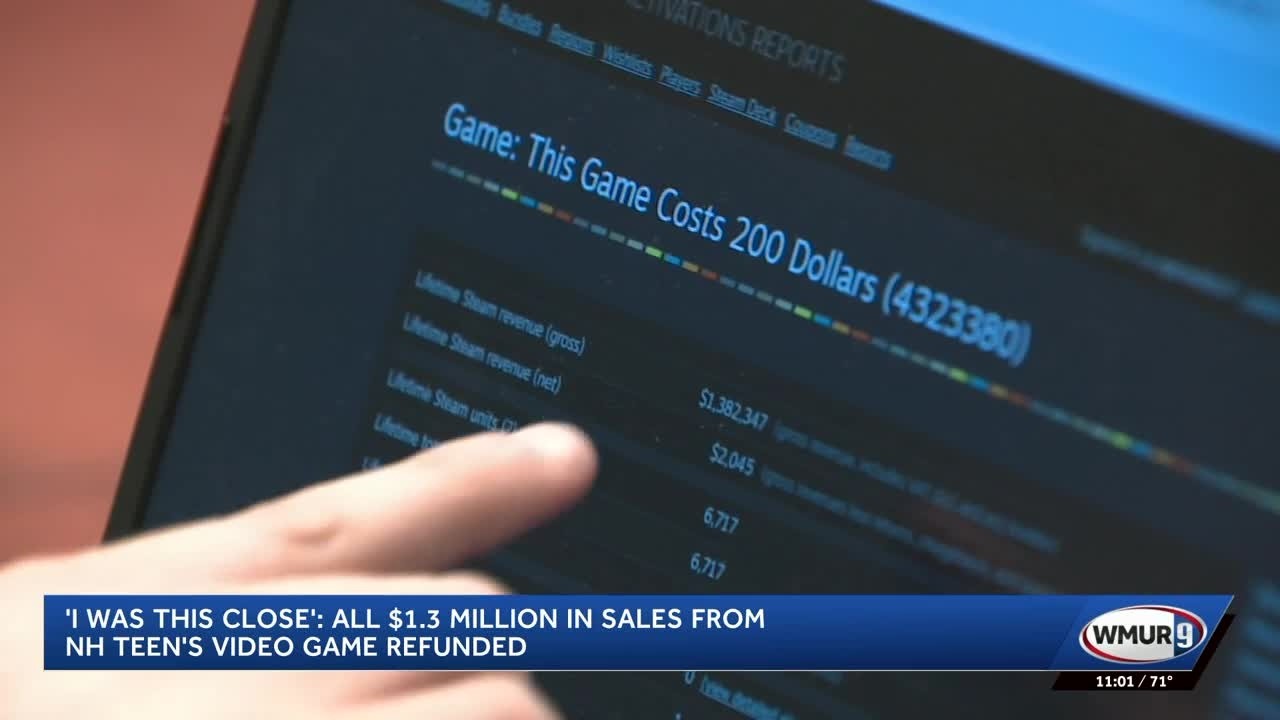
As reported by WMUR-TV in the video above, 18-year-old developer Michael Major, Stolen Valor Studios, released 'This Game Costs 200 Dollars' on Steam in January. As you can probably guess from the title, the project was not entirely serious.
The game does indeed cost $200. That's the highest price you can set on Steam, and twice the price of GTA 6 Ultimate Edition. Even for these inflationary times, it's also a considerable markup from Stolen Valor's previous offering, This Game Costs 10 Dollars.
The 'About' section calls it the "swindle to end all swindles", with the developer going on to say "I know some people will buy this game out of sheer curiosity and I highly recommend you do too."
Some people did. At the time of the report above, the game had achieved 6,717 sales for $1.38 million. However, 6,707 of those purchases were refunded. That 99.9 per cent return rate left the developer with final revenue of just $2,045.
Only one person has bothered writing a review. They described their purchase as "not the top worst decision I have ever made in my life" but suggested that others "wait for a price drop, preferably a 99% to 98% discount".
While there's been speculation about whether some of those thousands of purchases could be linked to money laundering, the game's also revived another debate.
Steam's refund policy allows players to return a game within 14 days if they played it for under two hours. Some indie developers claim that this blanket rule means players can complete short indie games and then claim a refund even if they enjoyed the game.
This should not be possible @Steam Would be cool if you could finally do something about your refund policy... Got dozens of reviews like that and 21% refund rate even though the Reviews are 90% very positive...Thats over 55,000 Refunds btw... pic.twitter.com/fSiuHjGRnDJuly 5, 2026
Last month, solo developer Zoroarts complained on X that his Paddle Paddle Paddle co-op, which takes under two hours to complete, had a refund rate of 21% despite 90% positive reviews. He included a screenshot of a reviewer who called it a "great game" while admitting to claiming a refund because they completed it in under two hours.
"Steam literally lets people use their store as a free rental service for short indie games and there is zero protection for the devs," another person complains on X.
The question is what would the alternative look like. The refund policy protects players, but it also helps developers in that people are more likely to take a risk on a game if they know they can get their money back. Without the possibility of a refund, players might never try some lesser known indie games, especially now the market is so saturated with AI-heavy slop.
At the same time, it must be galling for developers to see customers gloating about claiming a refund on a game they completed. Some have suggested introducing a setting where you can't claim a refund after gaining a certain achievement, but I'm not sure that would be practical to implement across so many different kinds of games, and developers could find ways to exploit it.
In the meantime, it seems the solution is to only make games that take over two hours to beat or have high replay value.
If you're setting out on your own game-making journey, see our picks of the best laptops for game development and the best game development software.