The indie detective game has been fertile ground not just for concocting head-scratching mysteries that break away from the rigid logic of classic adventure games, but also for artistic expression, from the 1-bit aesthetic of Return of the Obran Dinn to the expressive cartoon animation of The Mermaid Mask. Inkblood is one of the latest contenders in this growing genre, and it stands out for its handmade aesthetic, which owes a particular debt to indie studio Hey Bird's Czech art and cultural roots.
"The main inspiration for the setting was the Czechoslovakian movie called Mysterious Castle in the Carpathians, and if you see the movie, you will see it has all the grotesqueness and weirdness that's in Inkblood," art director Natálie Konečná tells me. She had already been experimenting with brush styles while studying graphic design at university, which would come to define Inkblood's hand-drawn look.
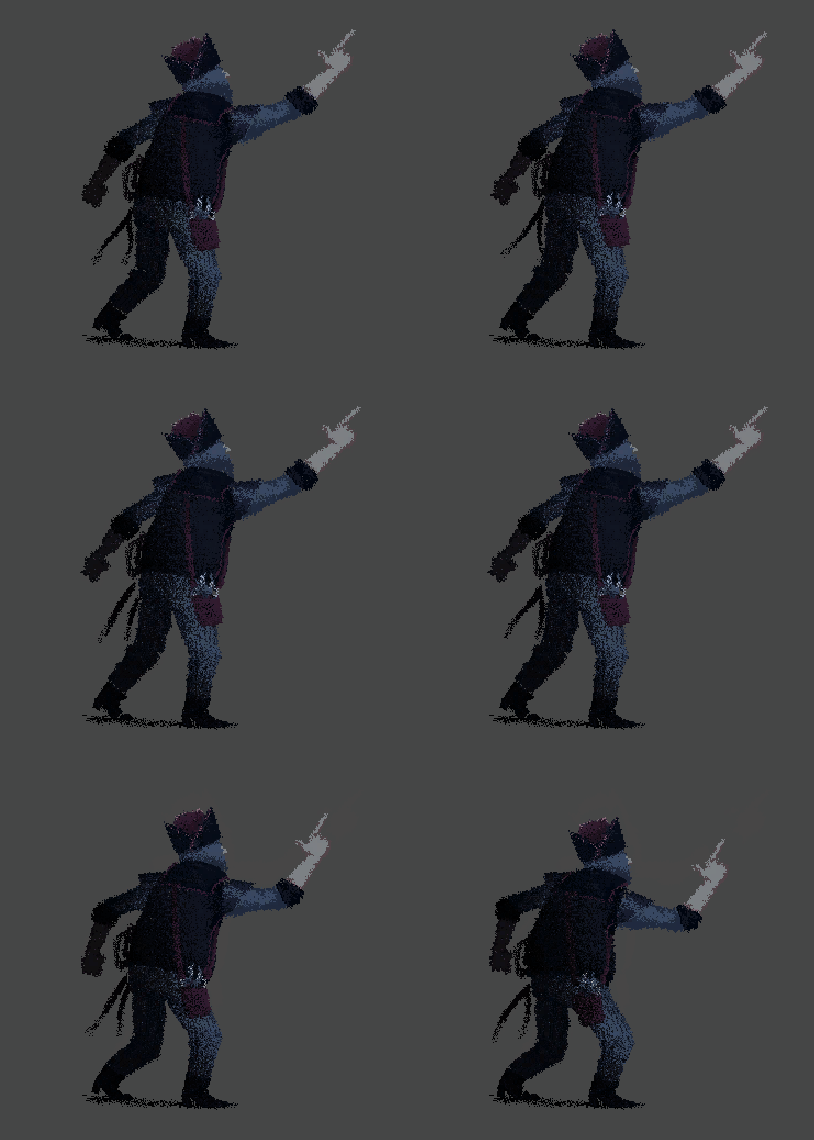
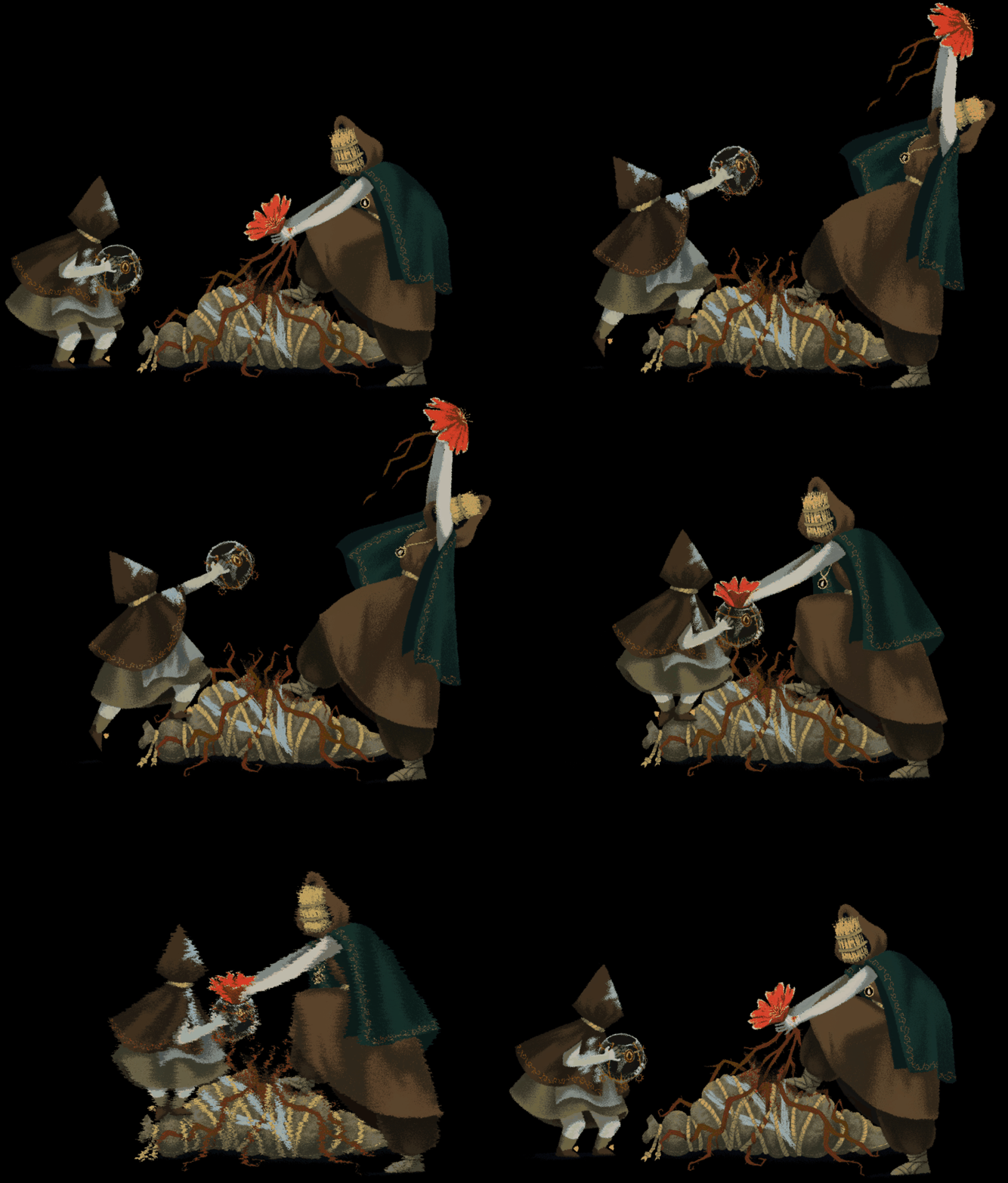
The game's cutout-style animation, made in TVPaint and Photoshop, was something animator Ivan Štrobl came up with, though he admits it took time to implement. "There are definitely things we needed to change that were just too complex for me to animate," he explains. "Since the art style is really complex, it has a lot of shading. It's stylised, but at points it can feel a little bit realistic. But once we prepare the line art version of the animation, we figure out the pose of a hand, this expression of a face, and then I just take them and try to animate them mostly by cutout."


Having studied in Zlín, the Czech Republic's hub for film and animation, Štrobl also cites many inherent Czech influences in his work, including Czech illustrator Miroslav Šašek and animator Karel Zeman (the latter known for making fantasy films that combed live-action footage with animation). These influences clearly come through in Inkblood, even though it uses only 2D art and isn't just a flat point-and-click game.
"There is always a representation of something, like a magpie that is pointing at an item and picking up an object," says Konečná. "All the UI in the game is built-in; there's no extra layer; everything has to feel tactile."


As part of its unusual premise, you play as an inquisitor investigating a series of bizarre deaths by riding between locations in a carriage, with a map of the world displayed on your coachman's back. However, for reasons not exactly explained, you cannot leave your carriage (though it certainly says something about the oppressive bureaucratic Inquisition you belong to, or perhaps more likely working for against your will). This restriction also shapes how the world looks: when you arrive at a location, what you see comes from the three perspectives of the carriage's windows.
"There are no doors in the carriage, so you are a prisoner," Konečná laughs. "You don't speak with any characters outside; they put letters through. It has to feel like you are isolated in the carriage and you're just a passive viewer, but it also has to feel like a first-person camera, even though it's 2D."
Each of the five locations you visit (and their different window perspectives) was also designed to feel unique, whether through the weather depicted or the lighting used, with a soft parallax effect that creates the illusion of space.
"One thing to make the environment feel alive was creating a shader that basically imitates the Line Boiling effect on all the assets," Štrobl adds. "That was actually a recent addition. We figured out how to do it in After Effects and then had to figure out how to do it in Unity!"
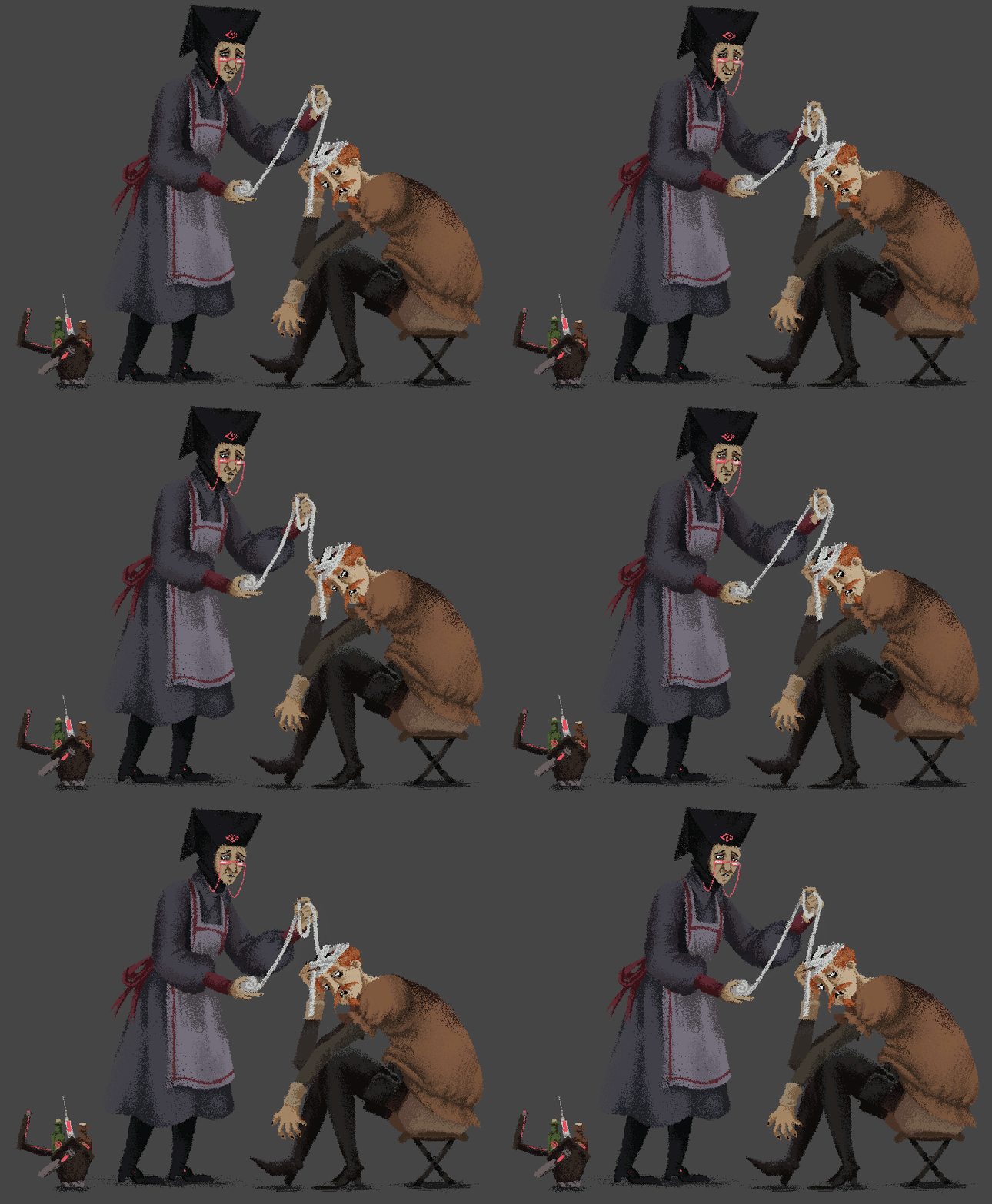
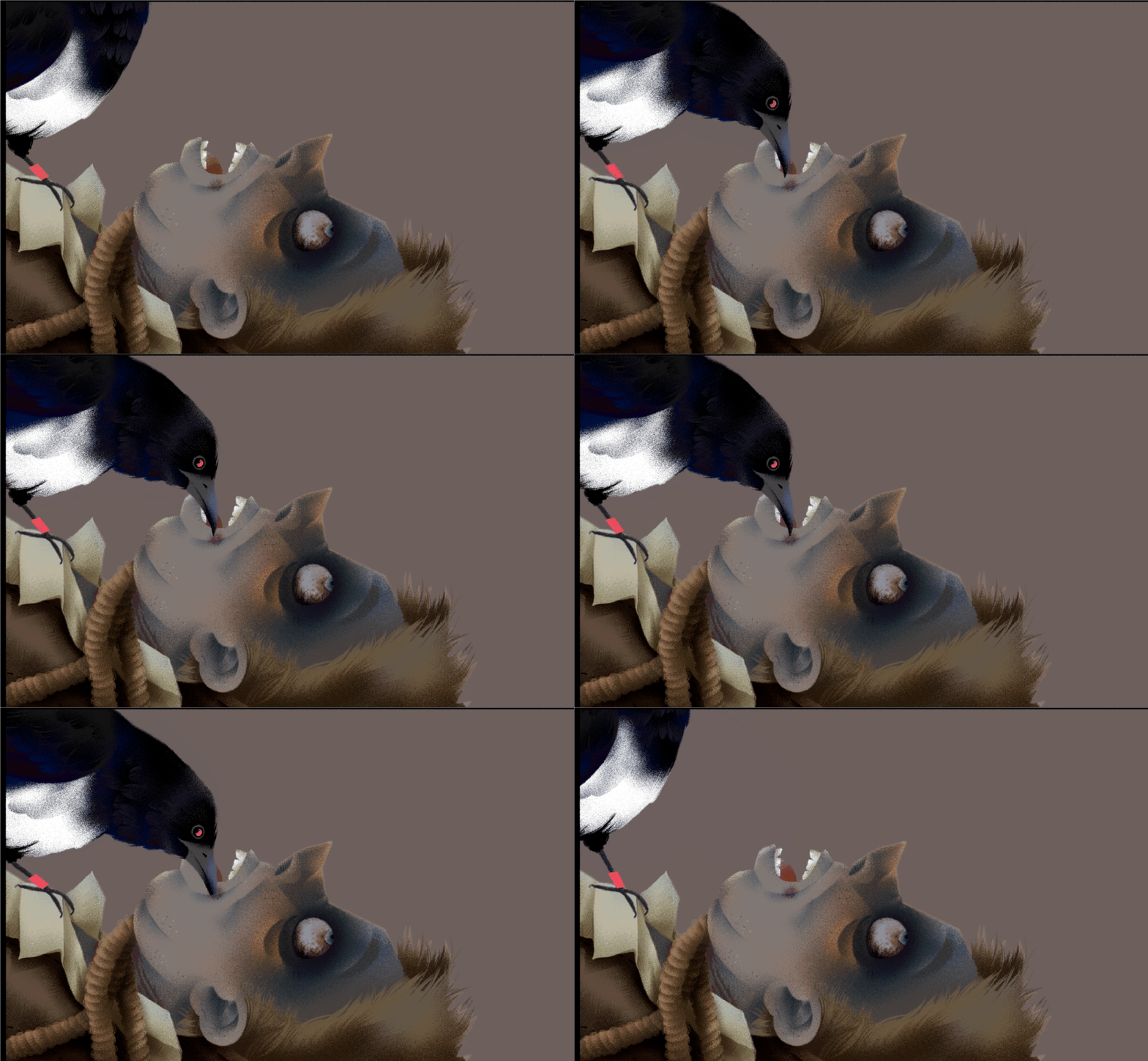
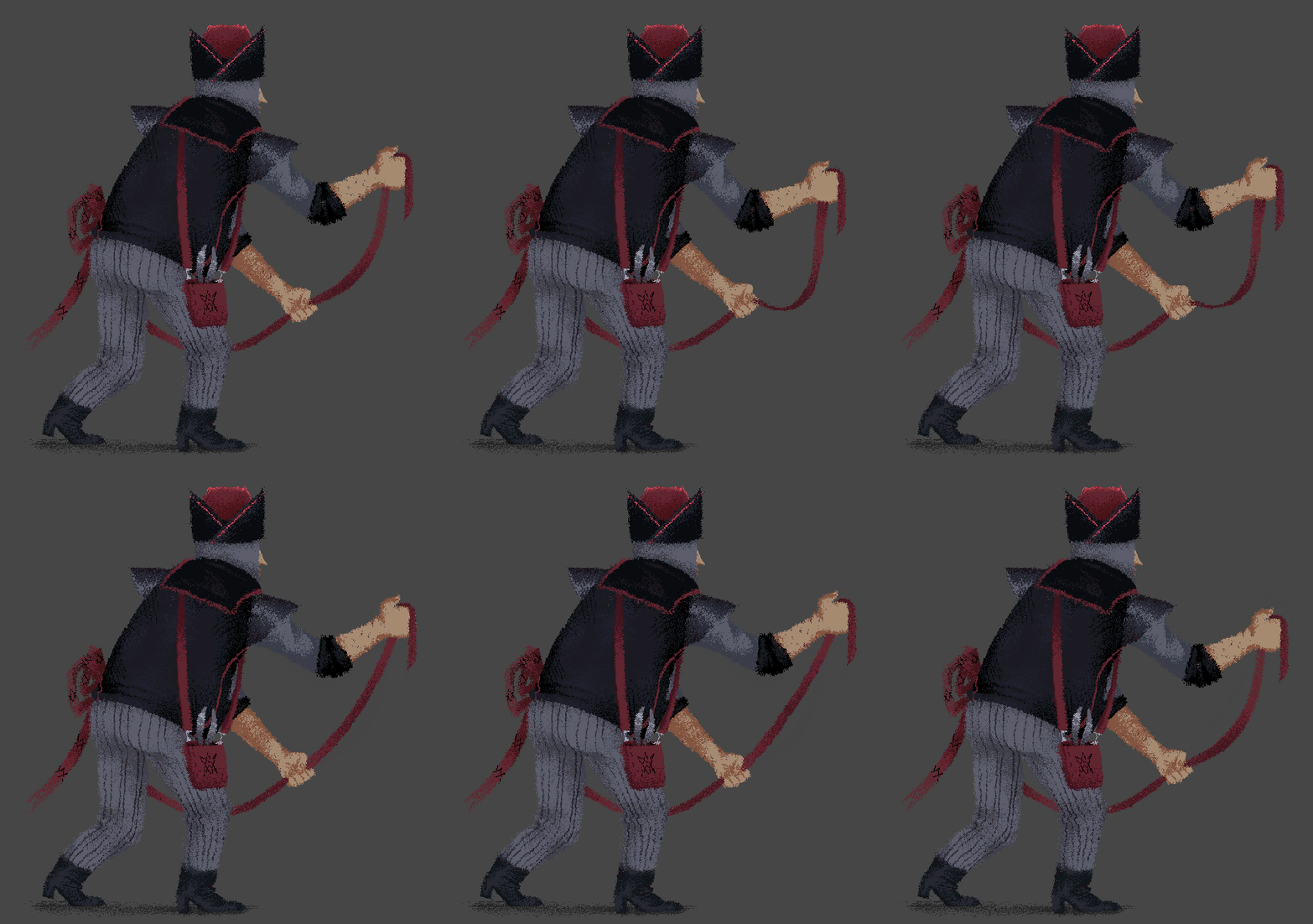
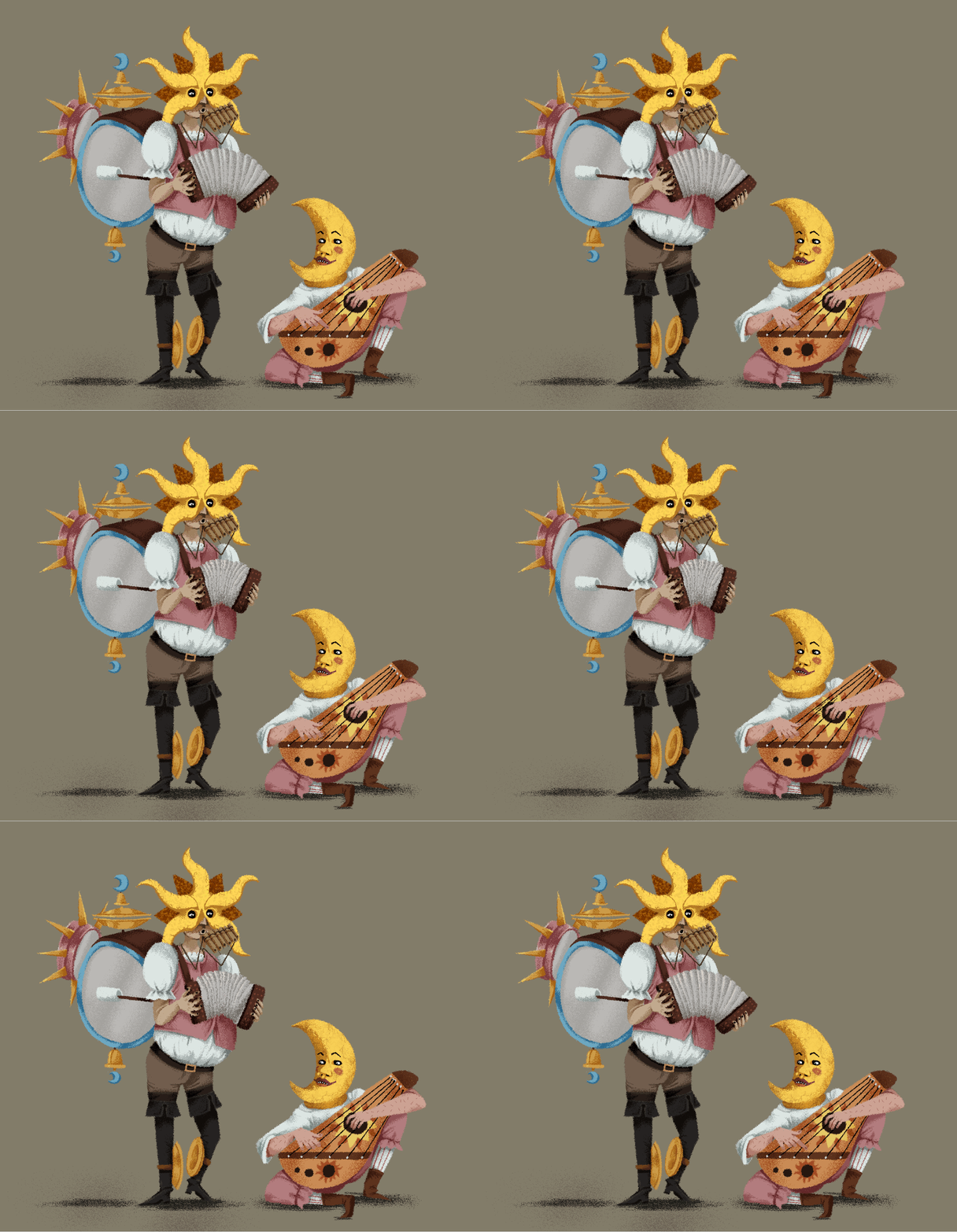
The art gains further depth from the investigative tools you use to interact with the environments, which are themselves based on early-20th-century technologies like a camera used to take photos and compile clues.
The most unique investigative tool is a magnifying glass that lets you see into the past, an effect Konečná describes as cheap to produce but complicated to implement. "You just put two layers, present and past, and we just rework them, so one is at night, and the other is in the morning, for example," she explains. "There is a lot of layering in general in Inkblood, and I feel 2D games have to have a strong pipeline and baseline for this kind of layering."
Inkblood is coming soon to PC, and you can try a free demo on Steam