





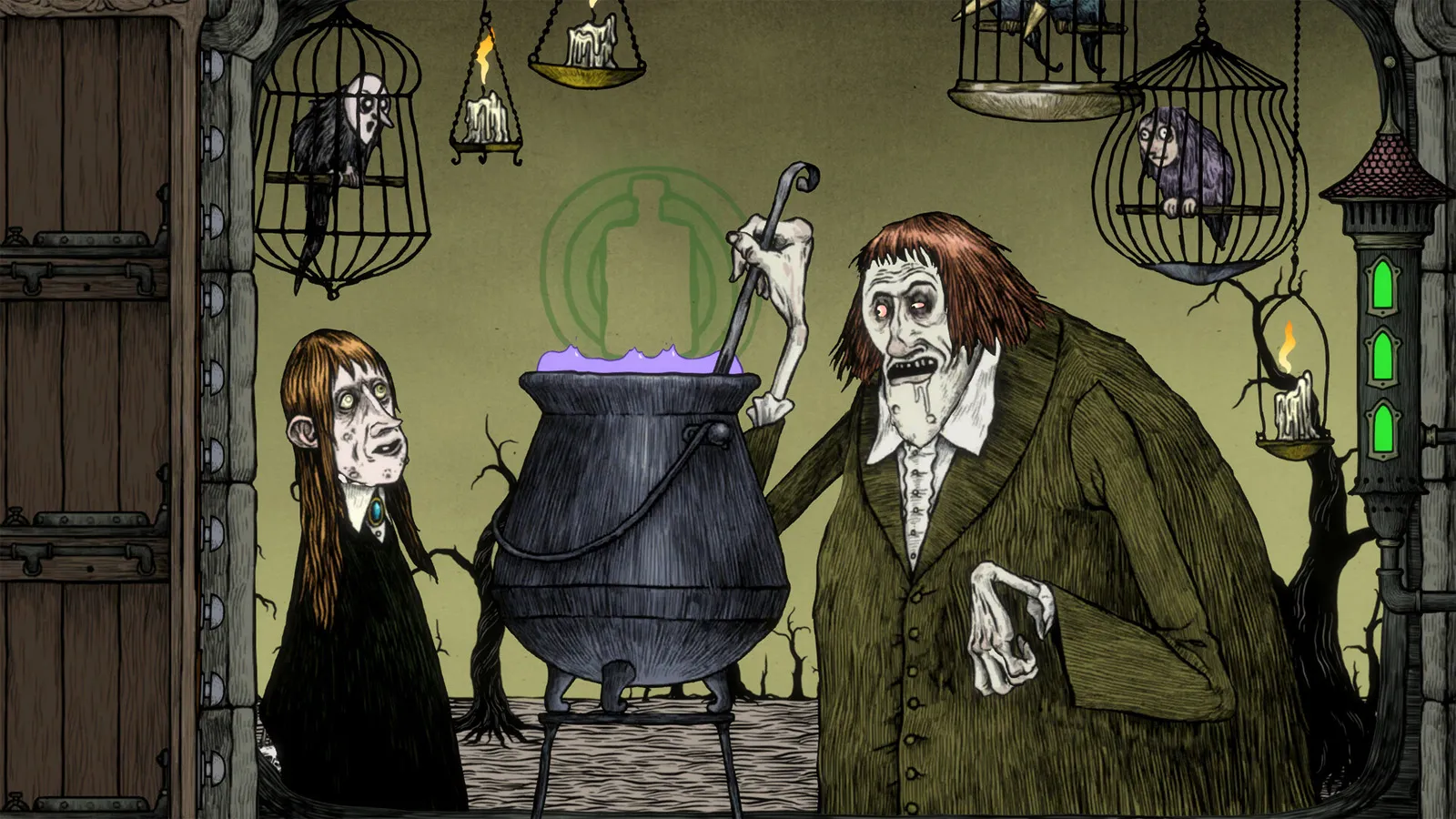
Halloween is the time to linger in the dark a little longer, and John Kenn Mortensen is the artist to guide you. His illustrations teem with grotesque creatures, scraggly line work, and unsettling oddballs: the kind of thing you glimpse out of the corner of your eye, then need to stare at and see more of.
“In the dark there are secrets and things to be explored,” he says as he explains his approach to the art and creature design you'll find in FLASK. “I see my work as a dark room, with a door slightly ajar at the end, where a little light comes in.”
That ajar door has made Mortensen a go-to name for the macabre. Now he’s opening it onto video games with FLASK, a dark fantasy roguelike deckbuilder from Chop Chop Games.
Inspired by Jim Henson’s 1986 cult classic Labyrinth and the thrash metal of Slayer, FLASK mixes gruesome fantasy, medieval imagery and black humour. Nightmarish creatures roam, magic is best handled with caution, and even a wizard has to worry about the mortgage on his tower.
For Mortensen, the leap meant taking his pen-and-paper illustrations digital, working with a team of artists to turn his monochrome creations into a playable world. That’s a big shift for an artist who has spent most of his career working solo across books, comics, animation, TV and exhibitions.
I caught up with Mortensen to talk about finding his visual identity, the music behind his monsters, and what it’s like to step into game development for the first time. And, of course, you can download FLASK on Steam this Halloween weekend (and beyond), and follow Mortensen on Instagram for more eerily good art.
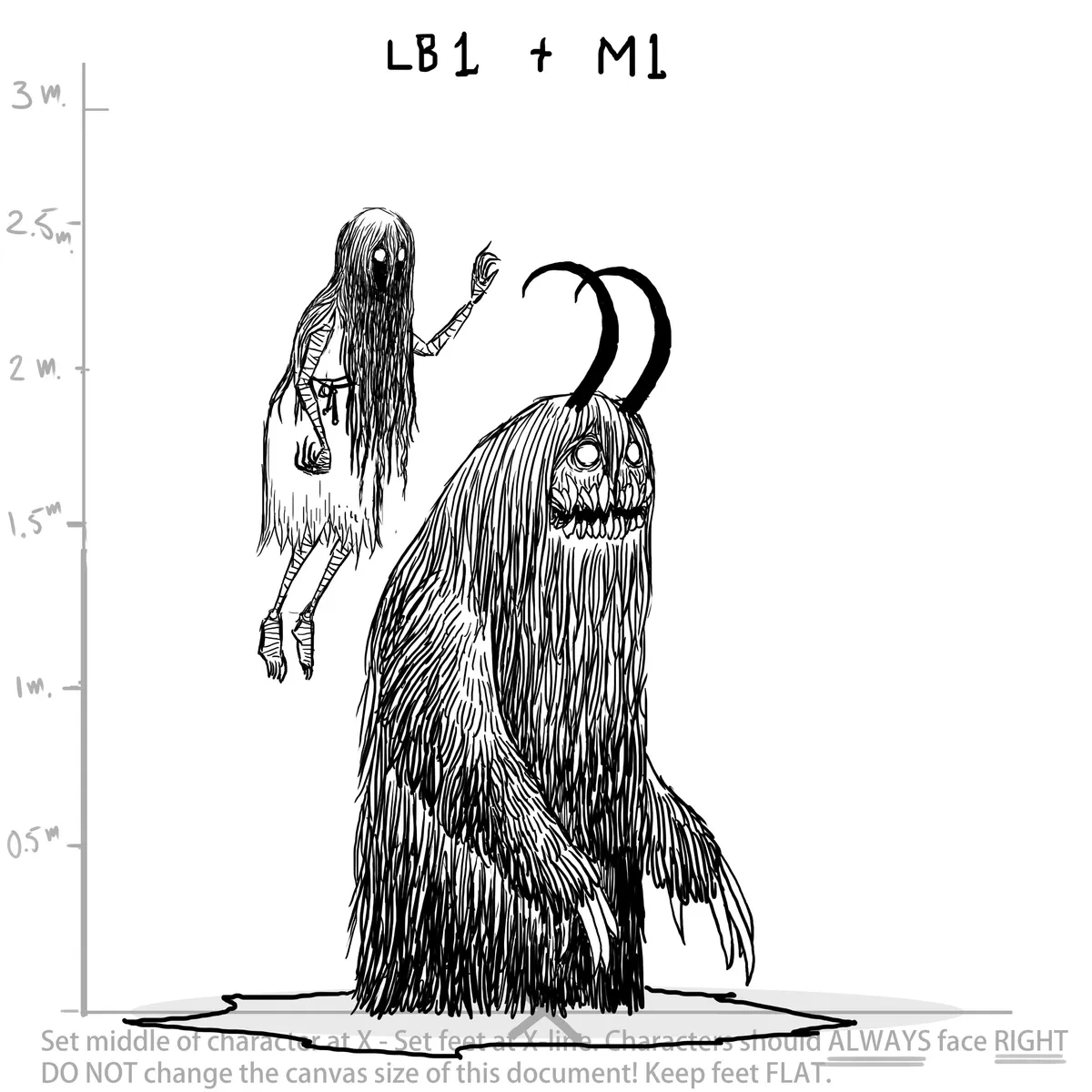
Read the full Q&A with Mortensen below, and he's even shared a couple of new creatures coming to FLASK very soon.
Creative Bloq: Your artwork is dark, grotesque and instantly recognisable. Where did your distinctive style come from?
John Kenn Mortensen: It came from within. I have always been drawn to the dark; it is a much more interesting place to work. In the light everything is visible, revealed. In the dark there are secrets and things to be explored. I see my work as a dark room, with a door slightly ajar at the end, where a little light comes in.
CB: How did you approach creating the visual world of FLASK?
JKM: Building on the gameplay mechanics Dario and Michael, co-founders and game developers at Chop Chop Games, already had, I focused on two things: the dark fantasy world of Labyrinth (the Jim Henson movie) and the sound and energy from Slayer (the band). From there, it just started to come alive.
CB: Your art feels wonderfully hand-crafted. How have you brought that quality into a video game?
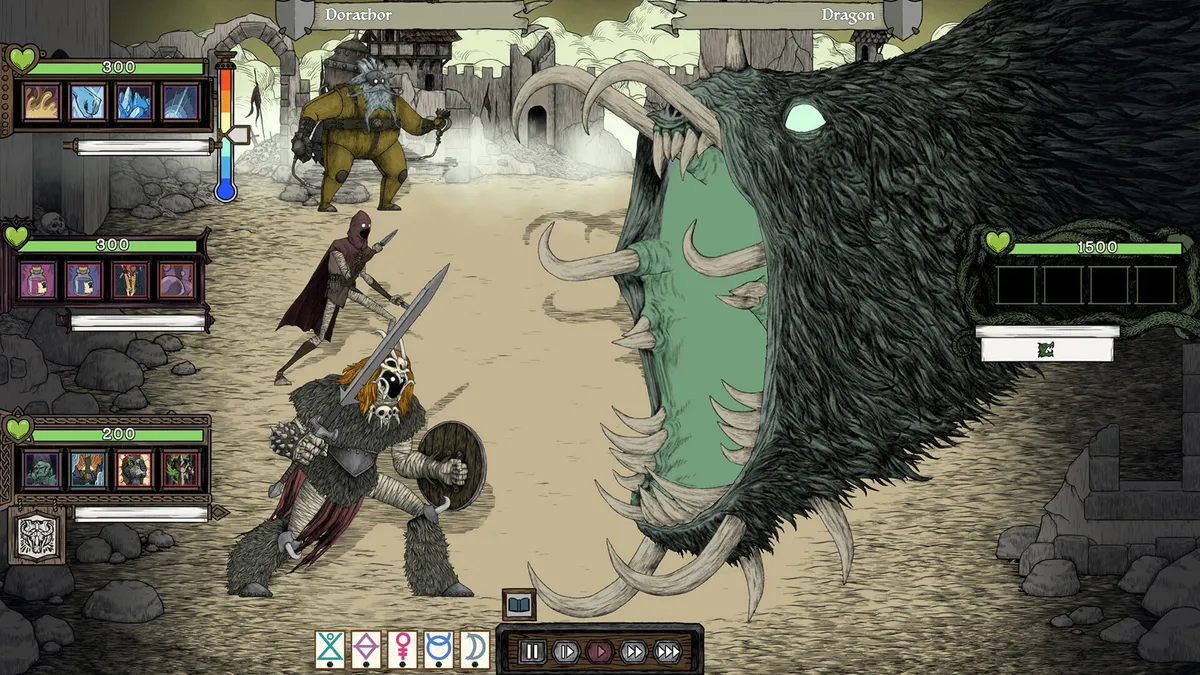
JKM: It has been hard, and I don’t really know... it comes down to the art team; they are amazing to work with, and have been a huge support in bringing my monstrous creatures to life. On my side, I have mostly only worked with pen on paper, very old school.
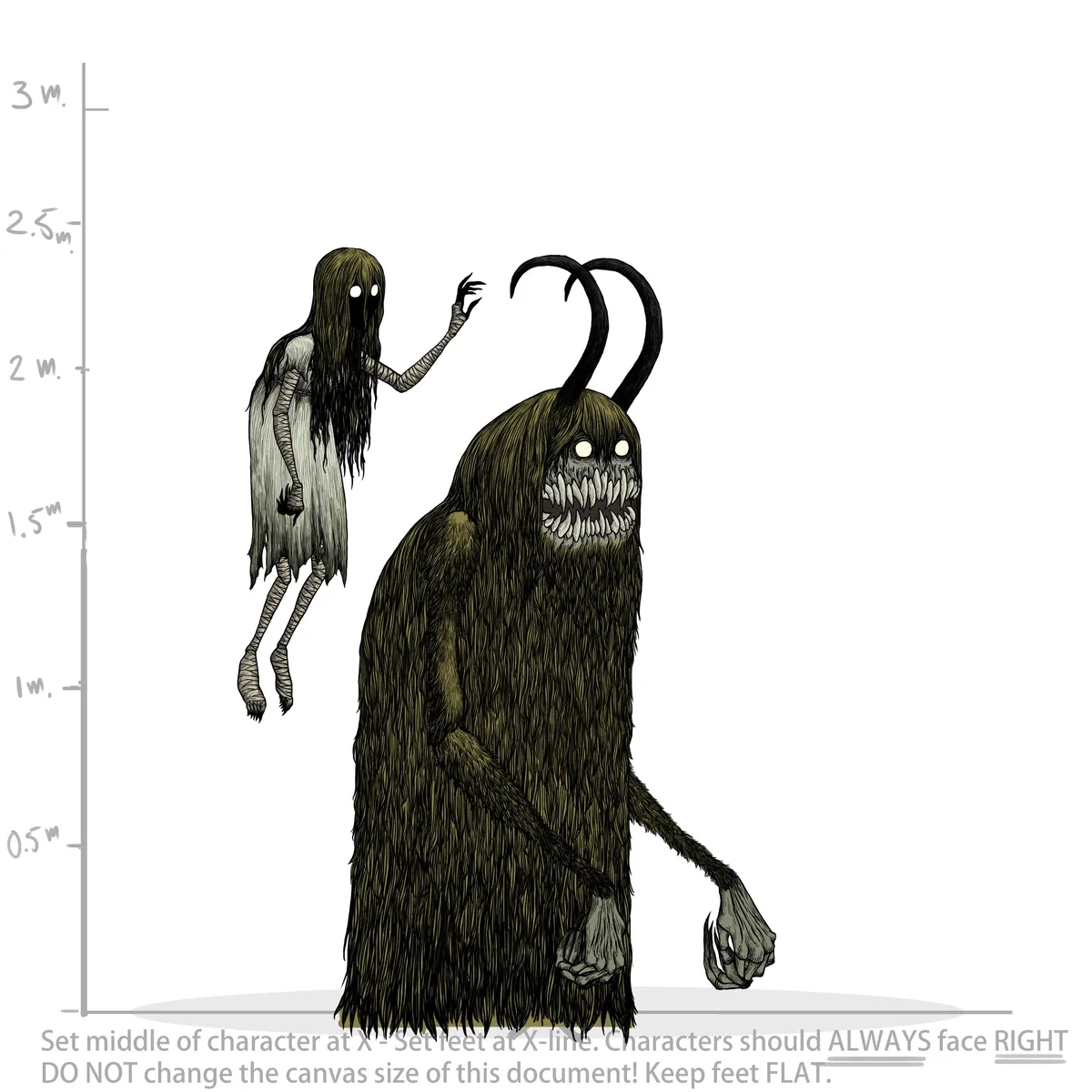
CB: What’s been the biggest challenge in moving from illustration to game design?
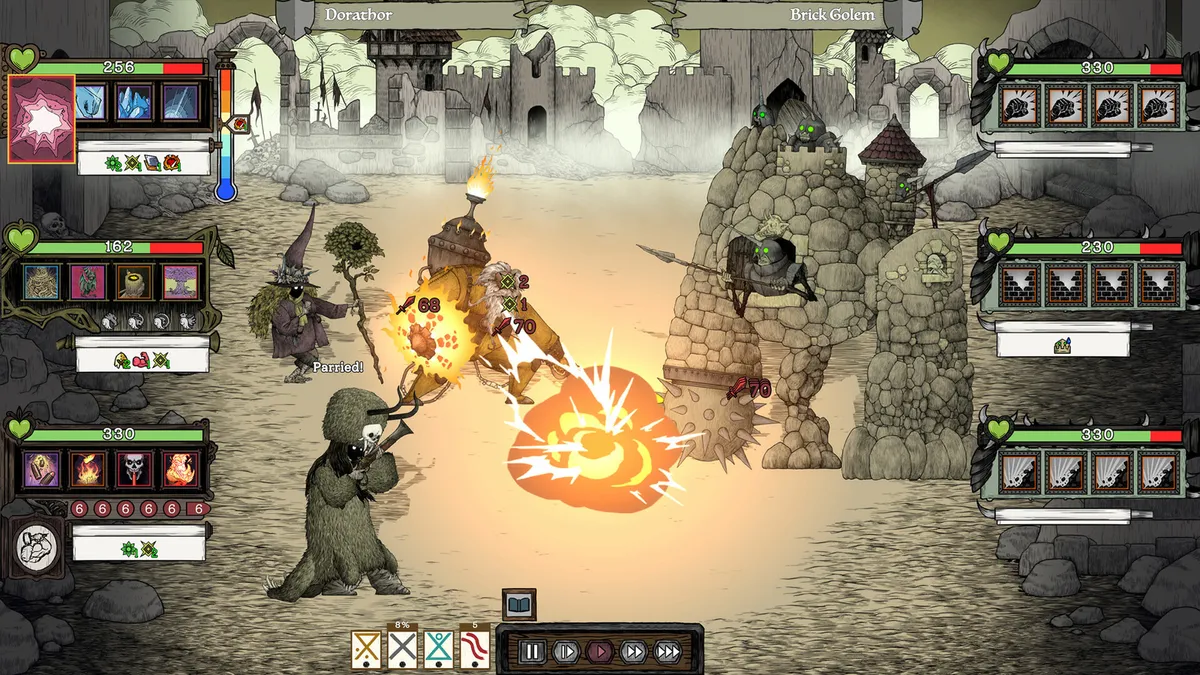
JKM: Conveying the feelings in my art with colour has been a huge challenge, since most of my illustrations are in black and white. We have added lights, highlights, shadows, and colour, and it’s been really rewarding experimenting with what I’m comfortable with and seeing how we can add more depth when it comes to inserting my drawings into a digital format.
CB: FLASK mixes gruesome fantasy with dark humour and wizard tower mortgages. Where did that idea come from?
JKM: I tend to lose track of where ideas come from and how they morph into things in the process. But from the start, I wanted it to be dark fantasy mixed with medieval imagery. What’s even more special is that Labyrinth came out 40 years ago, and working on a project so inspired at the time of its anniversary is really rewarding.
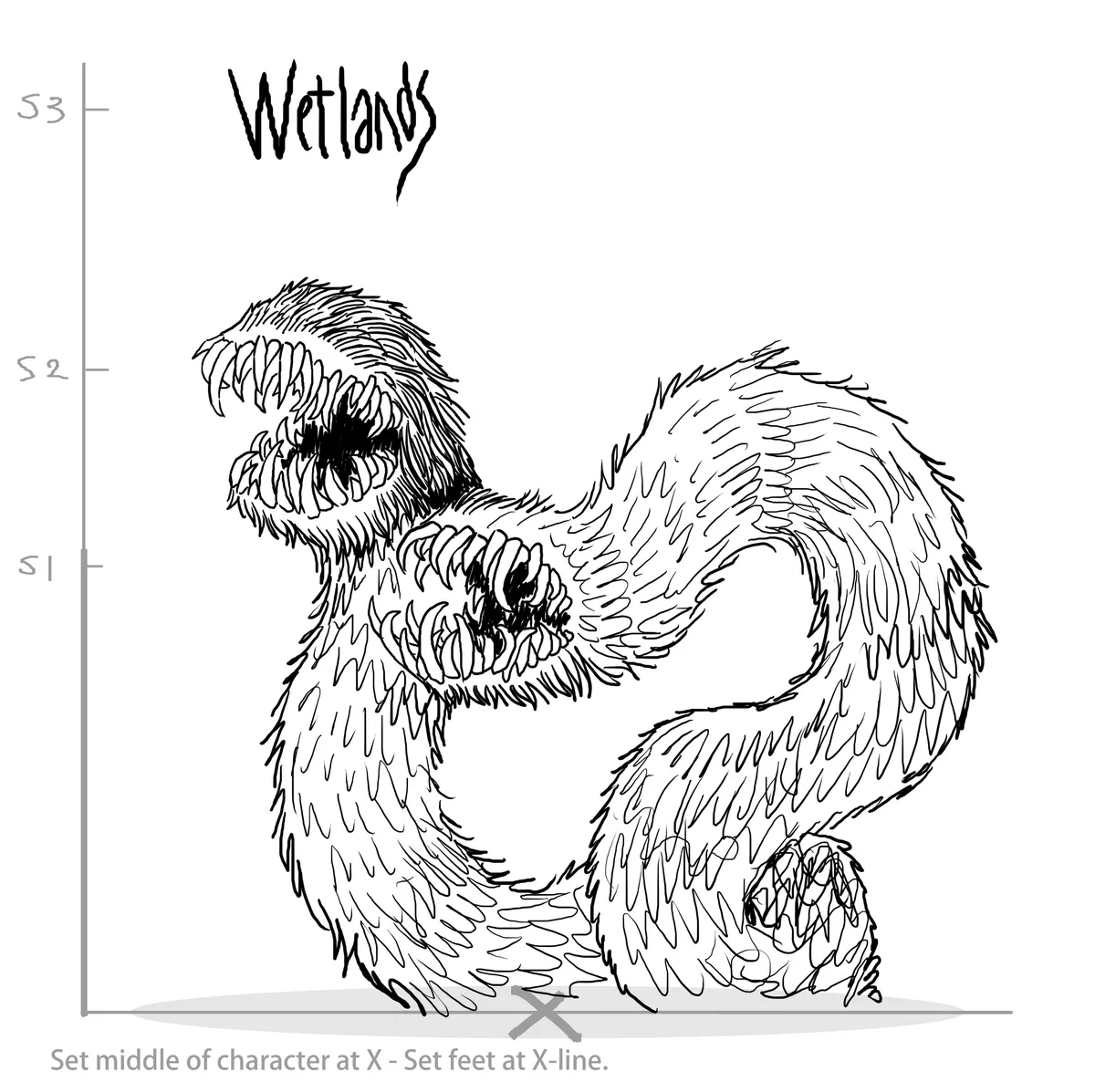
CB: How do you make sure the artwork and gameplay feel like parts of the same world?
JKM: This is my first time doing video games, so Chop Chop’s digital artists really played a huge role in this. First, gameplay had to come in and lay down the foundation, with auto-battler, roguelike, and theory crafting mechanics; then, thanks to the work with the artists, we were able to create a cohesive dark world over the framework of the game.
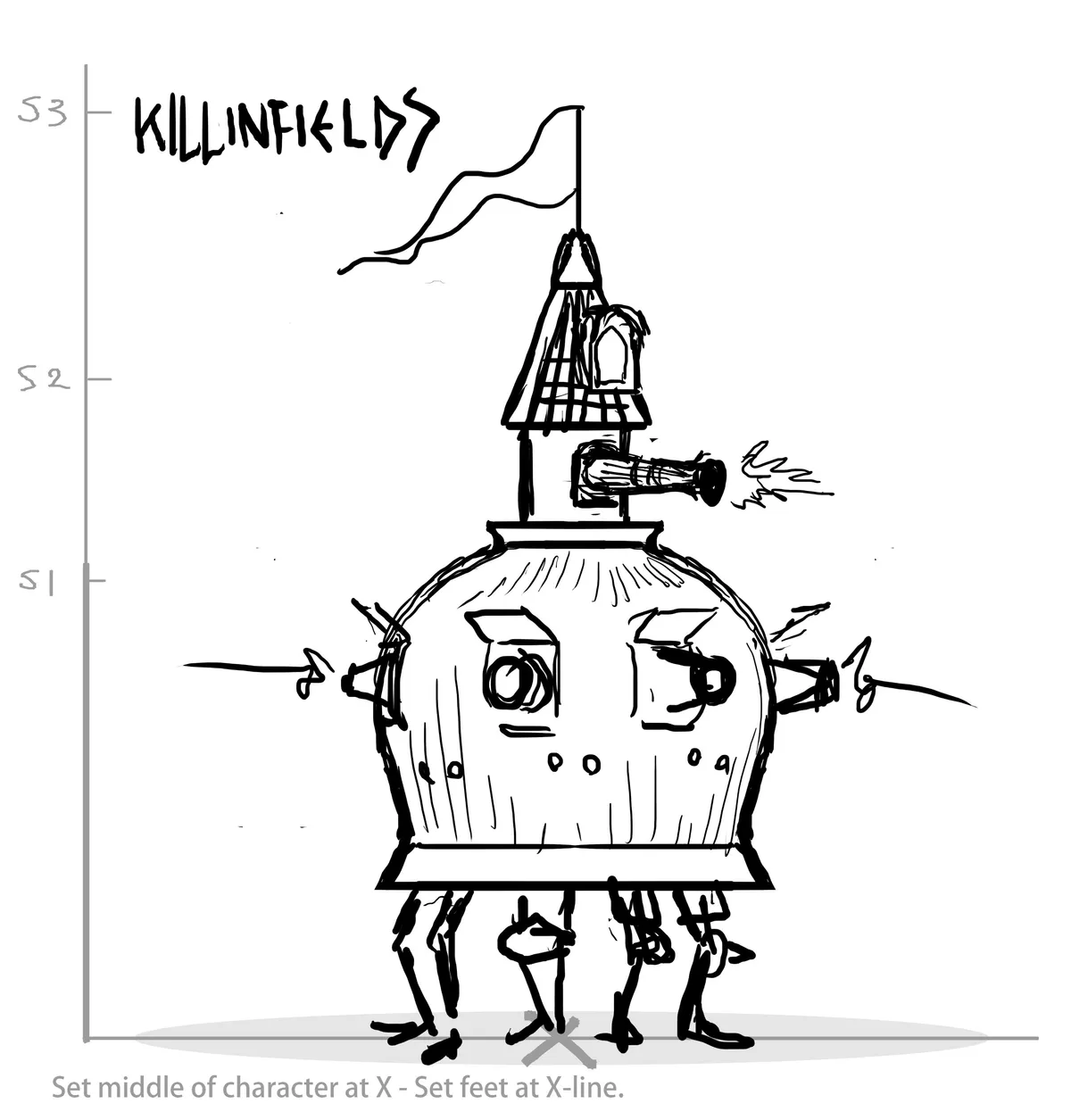
CB: What inspires the monsters and nightmarish creatures you create?
JKM: Mostly music. I listen to a lot of music. I have an hour every day where I will just walk and listen to music; that is where most of my ideas spring from.
CB: Deckbuilder cards need to be easy to read. How do you balance that with your intricate art style?
JKM: Now, that is something I can’t take any credit for. We have had artists from outside, and artists on the team, create the card artwork. The rule for the artists working on the card art is that my visual style is the real world, and they have to see themselves as artists in that world and then create. It has been, and still is, a super fun process.
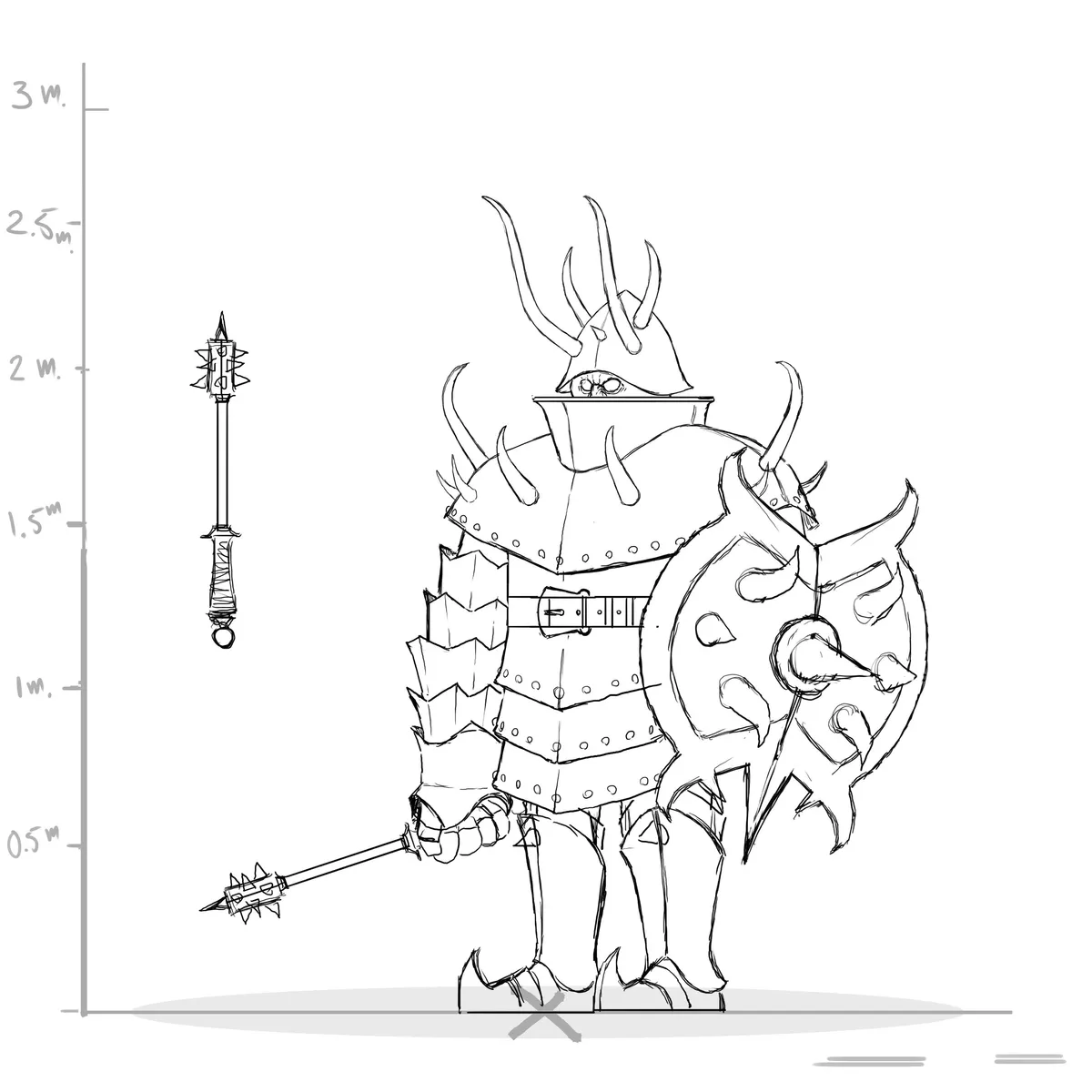
CB: How do you keep your own artistic identity when working with a game development team?
JKM: That, again, is credit to the art team, and it’s such a joy to have a team when I usually work solo. We have the best art team in the gaming world, I think. My art style is not something I have worked on in any direction; it has just sprung out of bad habits and laziness.
CB: Has making FLASK changed how you approach your illustration work, or inspired ideas for future projects?
JKM: It has been a very different approach than I am used to, but I like that challenge. I always jump from one platform to another in my work: I have done TV shows, animation, live action, books, comics, art shows, and now video games. I see my working life as a big house with a lot of very different rooms where I can hang out and play with the people in them. The only thing I think about before entering is to be as honest and true to myself as possible. There are soooo many new ideas!