Stop-motion remains one of the most-loved animation styles thanks to its charming handcrafted authenticity. We all know the basic concept: artists create the illusion of movement by taking photos of a subject, which is adjusted little by little, frame by frame. But that physical approach to animation creates some huge technical challenges when it comes to capturing certain situations.
Laika Studios, the makers of Coraline (2009), ParaNorman and Kubo and the Two Strings (2016), are experts in the art form. They're acclaimed for how they blend traditional handcrafted techniques with modern technology. They've now revealed the answer to a big question. How do they animate water in stop-motion animation?
Water is a challenge in many forms of animation, including when it's drawn using paints or inks of when it's created digitally. Last year's Oscar winner Flow and this year's Oscar-nominated short Butterfly are prime examples of two very different approaches in movies where water had huge importance in the story.
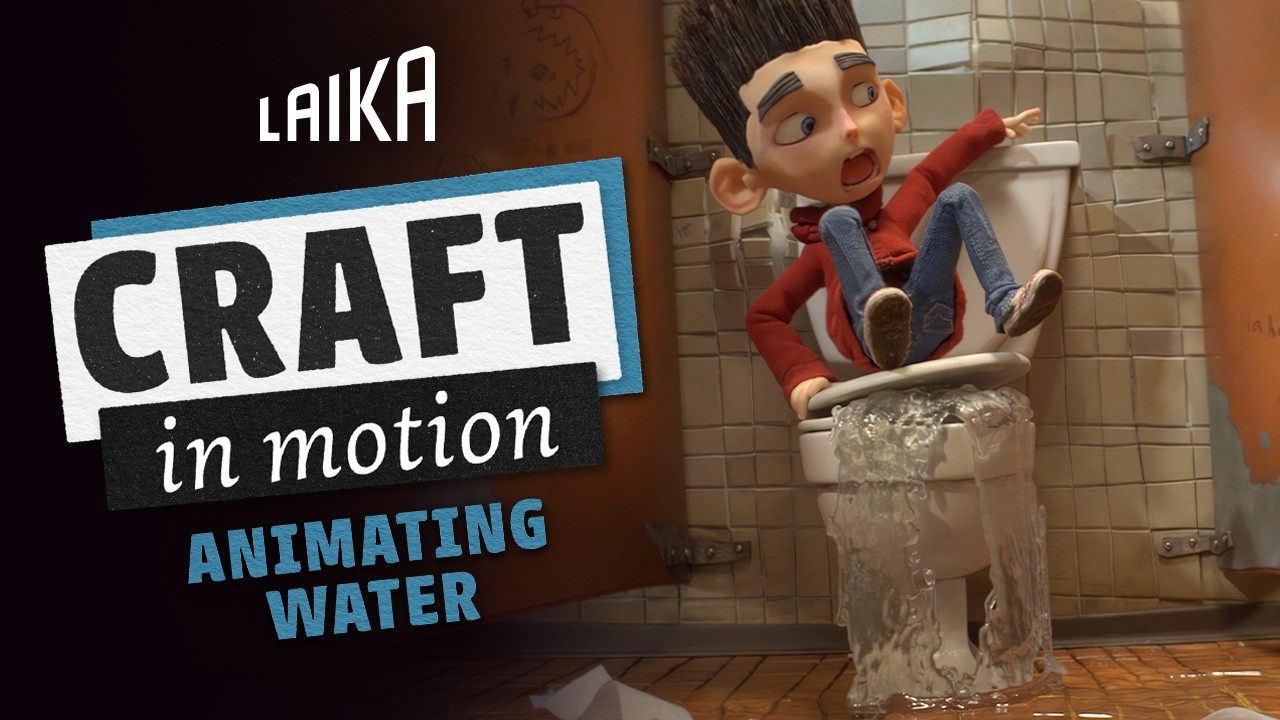
For stop motion animation made using physical models, water presents an even greater challenge due to non-trivial matter of gravity. How do you create something that look like liquid but which you can control in order to shoot frame by frame? In the video above, Laika Studio animators Oliver Jones, Brian McLean, Martin Meunier, Brian Elliot and Steve Emerson reveal some of their innovative solutions.
The video includes examples of some of the techniques used to animate water in five of Laika's films: Coraline, ParaNorman, The Boxtrolls, Kubo and the Two Strings, and Missing Link. Although digital effects were used in some situations, the studio was determined to use practical solutions as much as possible to honour the tradition and craft of stop motion.
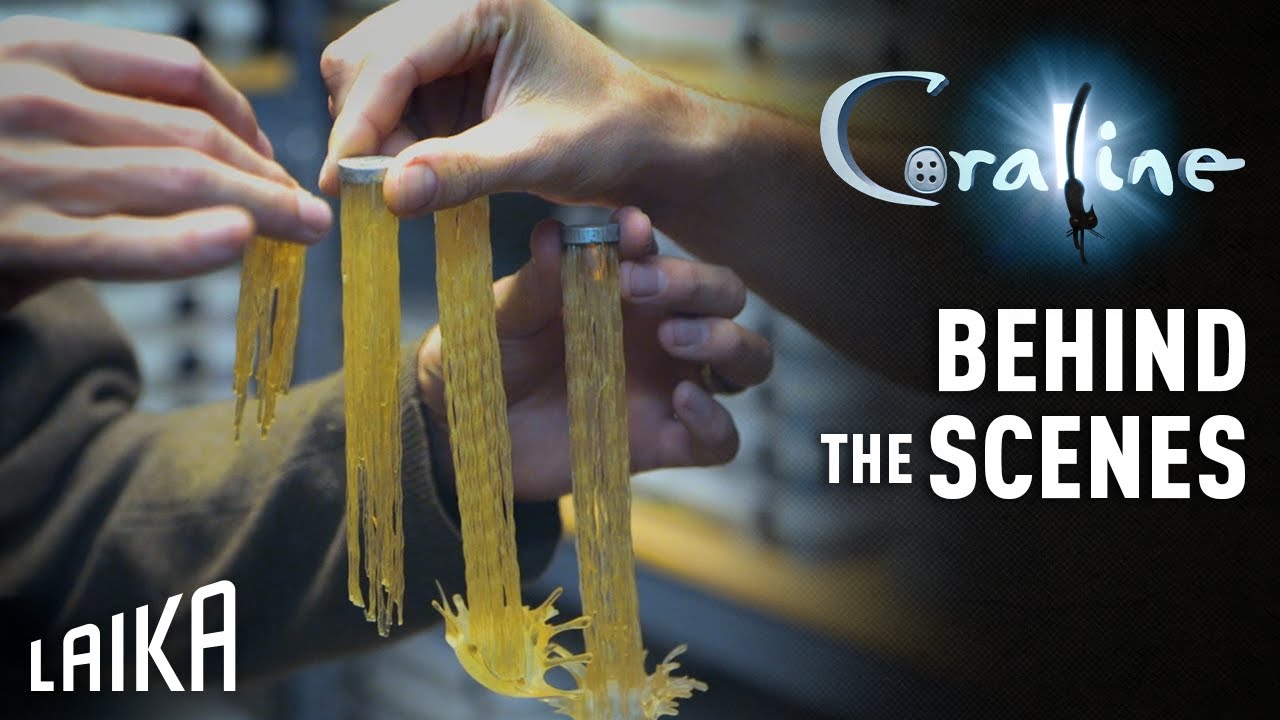
This required a lot of ingenuity. For a shower scene in Coraline, they attached 3D-printed strands to magnets and changed them for each frame. You can see the results slowed down in the video below.
Another elaborate technique involved using a tennis racket to create motion on a sheet of glass along with the use of discs to create caustics.
And rain drops? There are several ways to create rain in stop motion animation. It can be done in [ost production or simply by using a spray bottle. But sticking to its artisan ethos while ensuring control over the results, Laika took a mechanical approach in Coraline. It used thread rain where droplets are placed on threads across the frame and moved incrementally to create the illusion of falling rain.
A benefit of this technique is that it allows animators to create a sense of depth with slower drops in the background and larger, faster ones in the foreground if desired. To make it believable, sets are often treated to look wet.
Inspired? See our guides to the best animation software and the best laptops for animation.